What Causes It Around Here
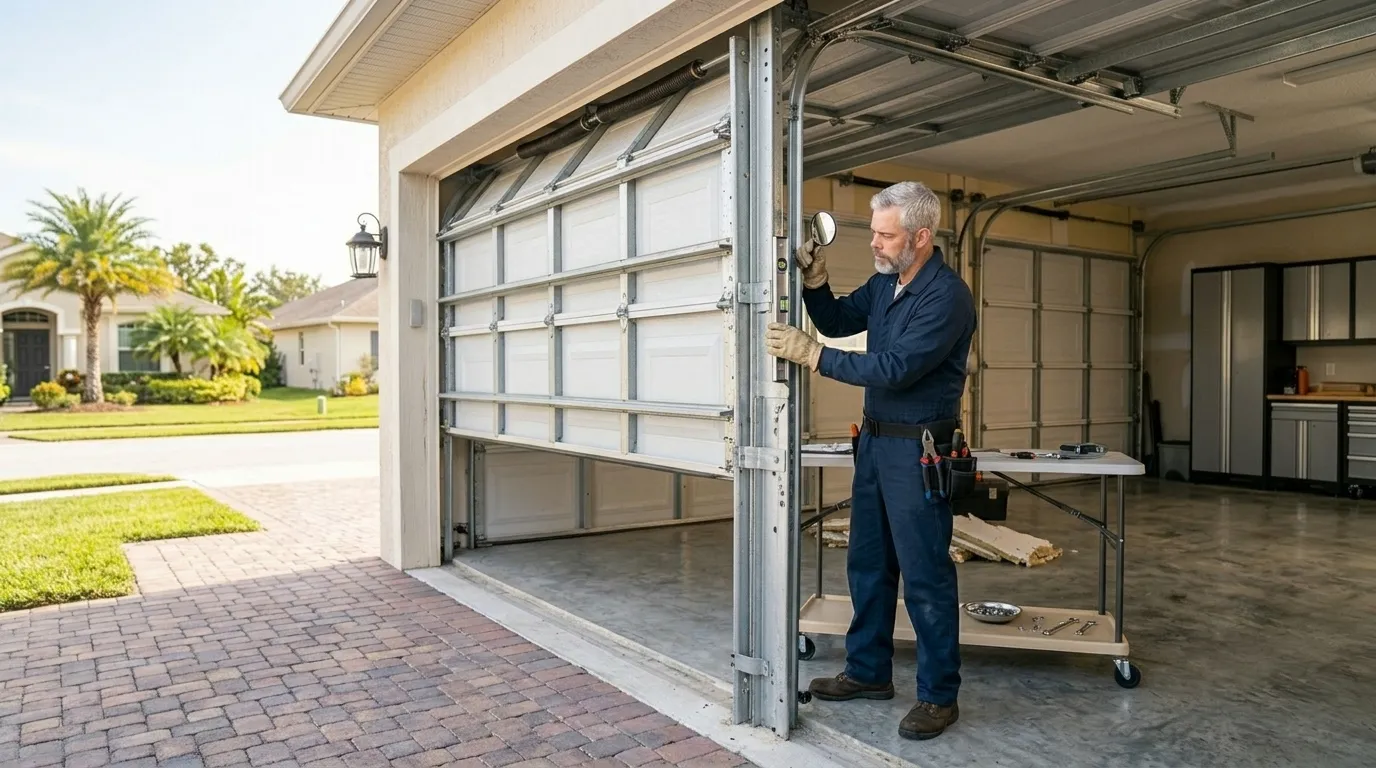
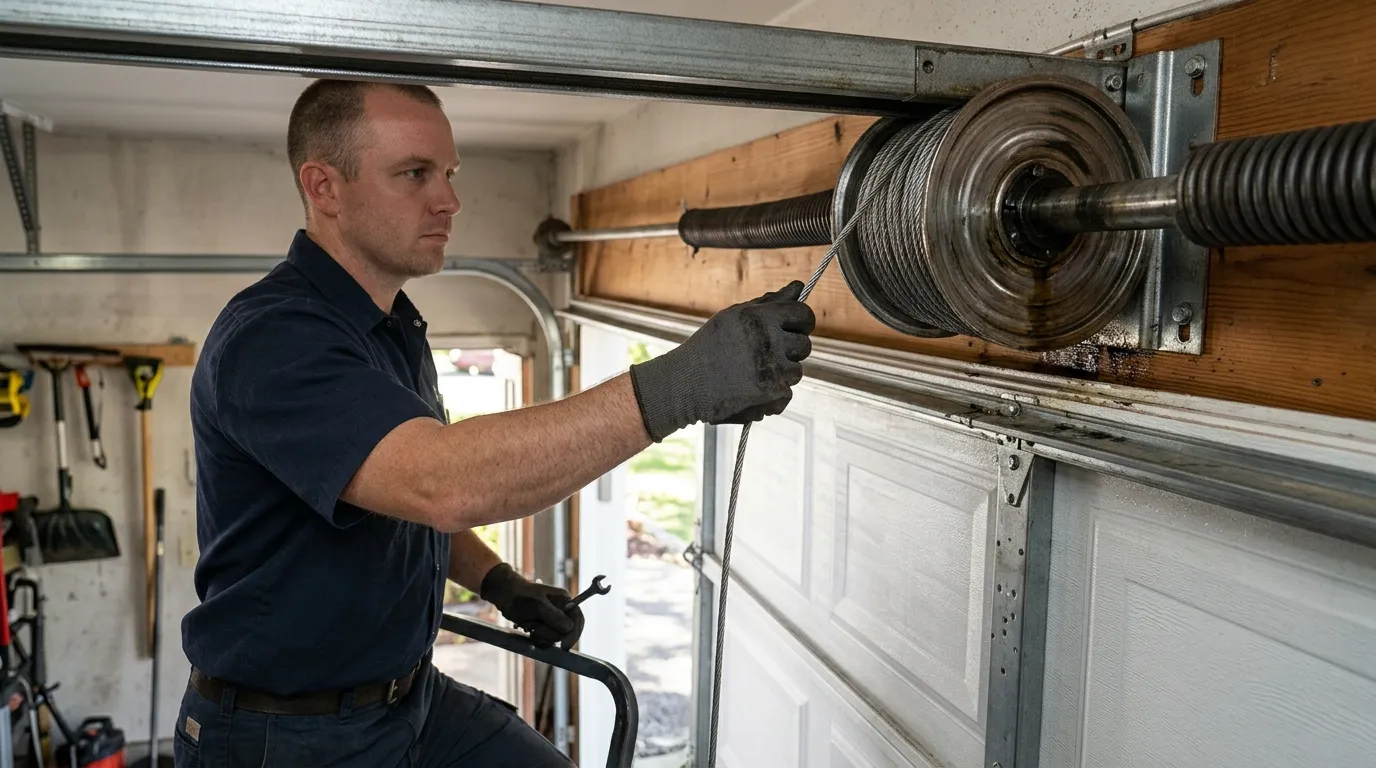
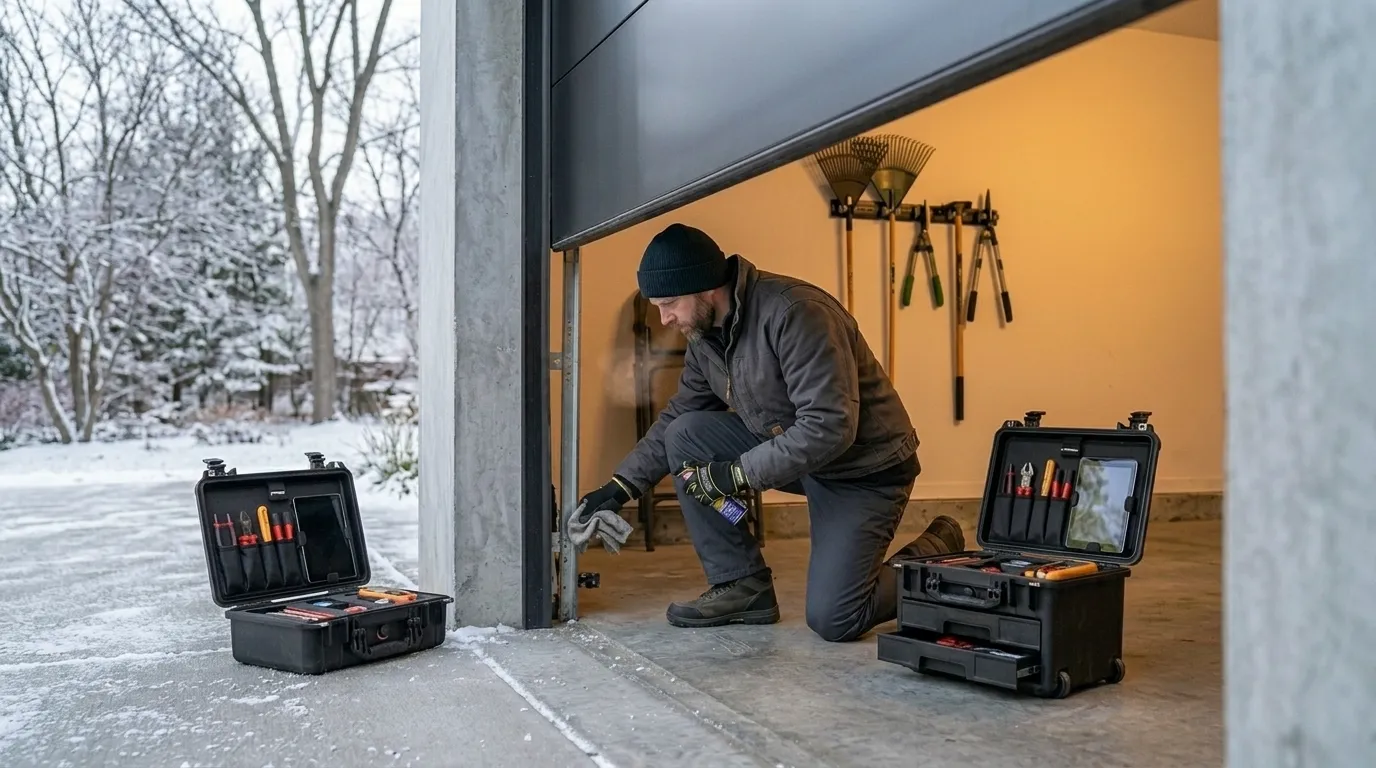
Cold is the main driver in a climate band this severe. Steel cable doesn't snap because it's cold - it snaps because cold makes the galvanized coating brittle and the strands lose the give they had when the door was installed. Combine that with housing stock that runs 1954 through 2006, median build year 1986, and you've got a lot of original drums and cables sized to specs nobody updates until something breaks. Garages that aren't heated see the widest swings, and repeated freeze-thaw cycles work grit and moisture into the cable groove on the drum, which saws through strands from the inside where you can't see it. Doors installed in the 1980s and 90s boom years across the 41 named communities in this area are hitting the age where cable fatigue shows up regardless of use - a door opened twice a day for 35 winters has earned a worn cable honestly. Heavier insulated doors, common upgrades on older homes, also load the original cable size more than the house was built for.
What It Costs
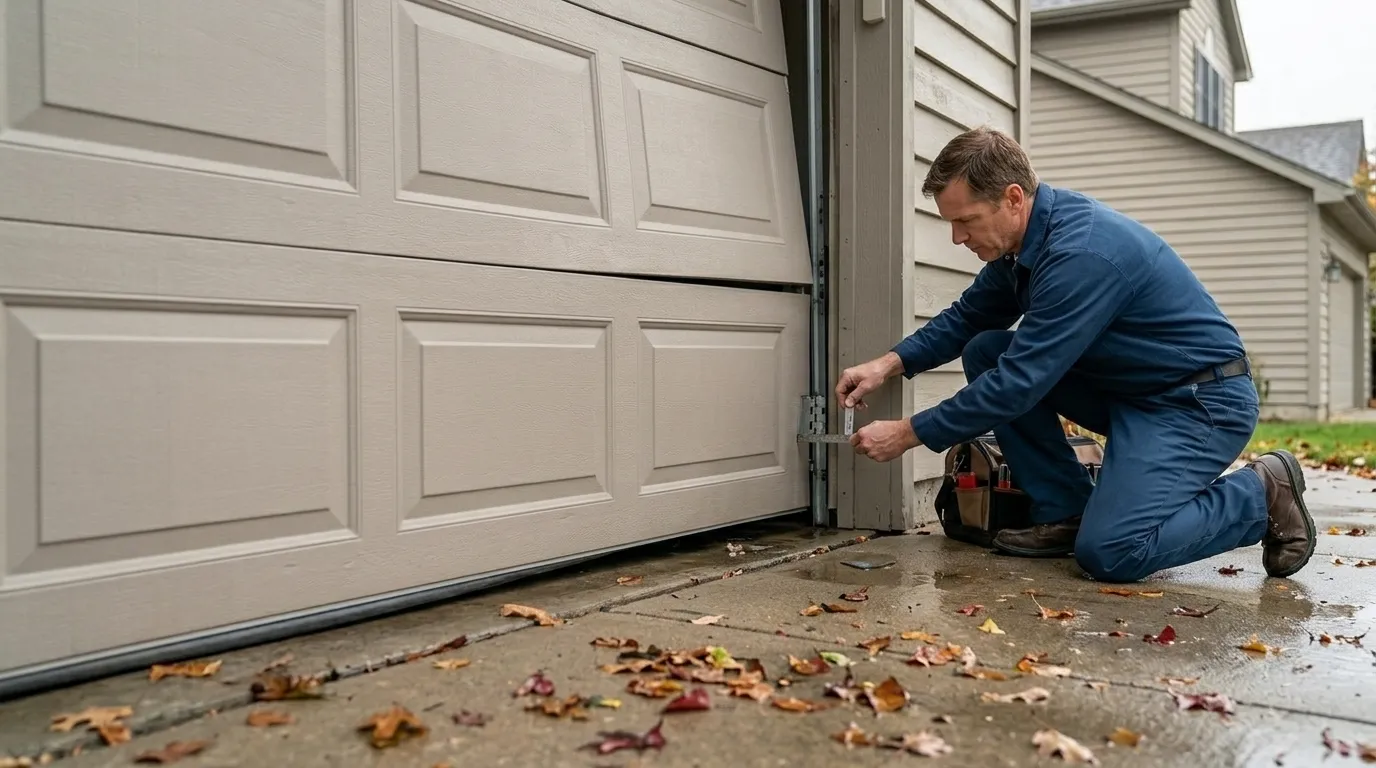
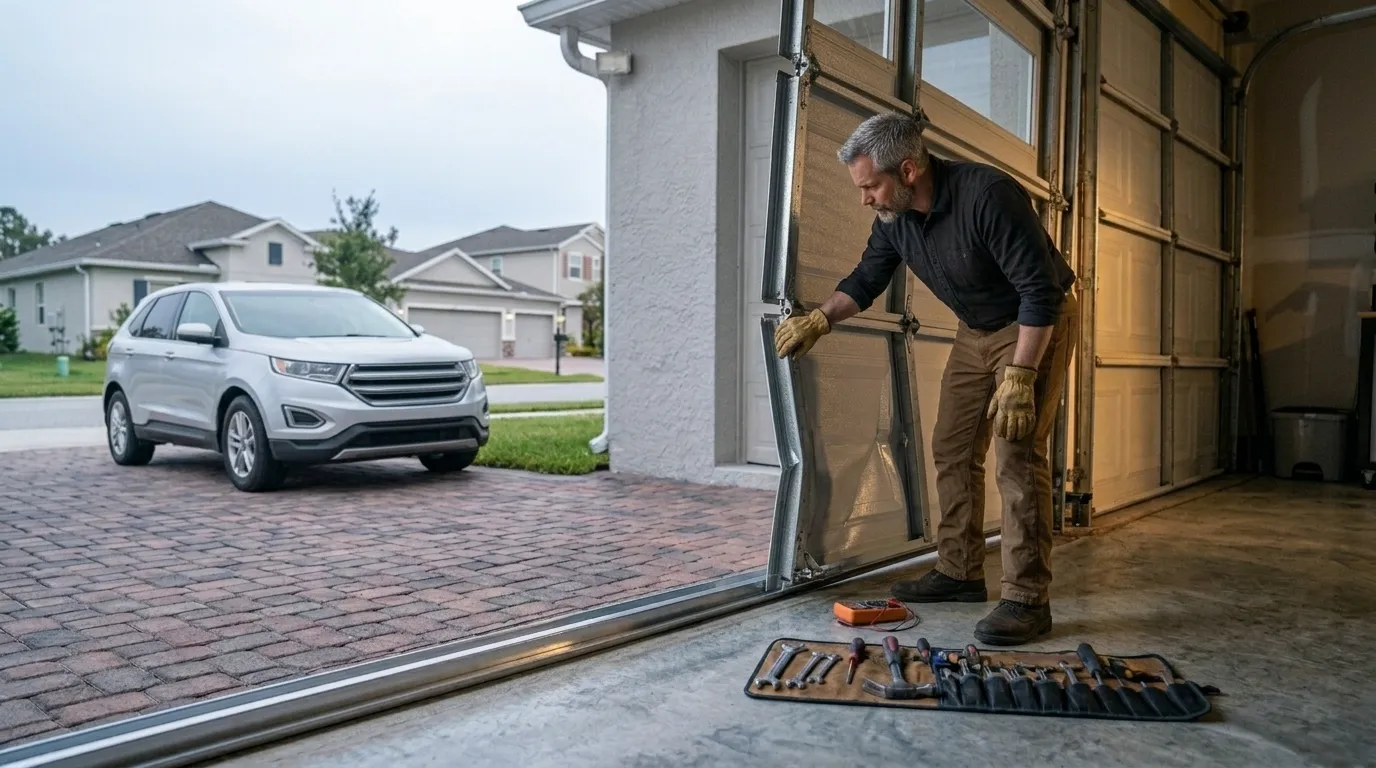
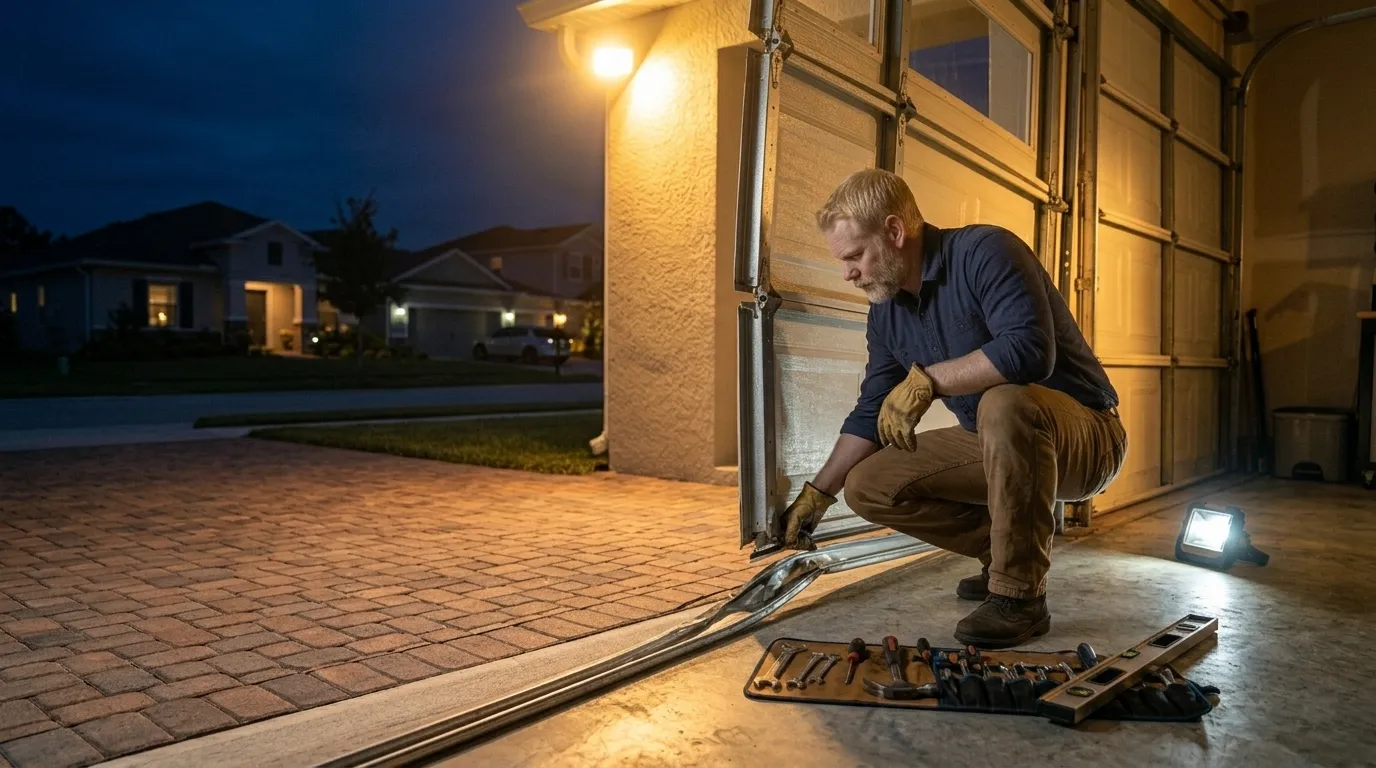
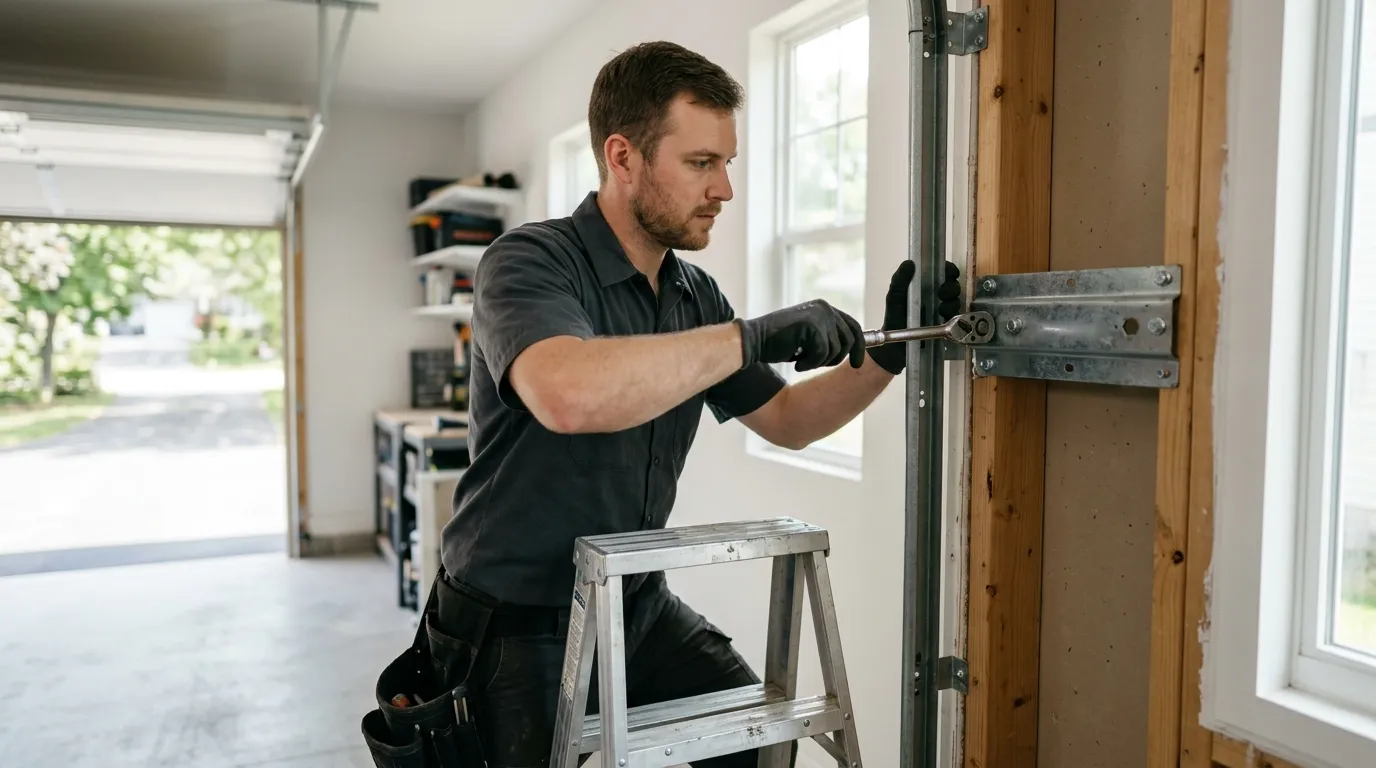
We don't have a set number to quote you here - cable repair cost depends on whether one cable went or both, whether the drums or bottom brackets took damage when it snapped, and whether the door dropped hard enough to bend a track or crack a panel. A clean single-cable break caught early is a straightforward fix. A door that fell off track and got forced by an opener before anyone noticed is a longer job, sometimes with hardware beyond the cable itself needing replacement. What we can tell you: replacing both cables together, even if only one broke, is the right call more often than not, since the surviving cable is usually close behind on age and wear. We'll look at the actual hardware in your garage and give you a number before we touch anything - no work starts on a guess.