What Causes It Around Here
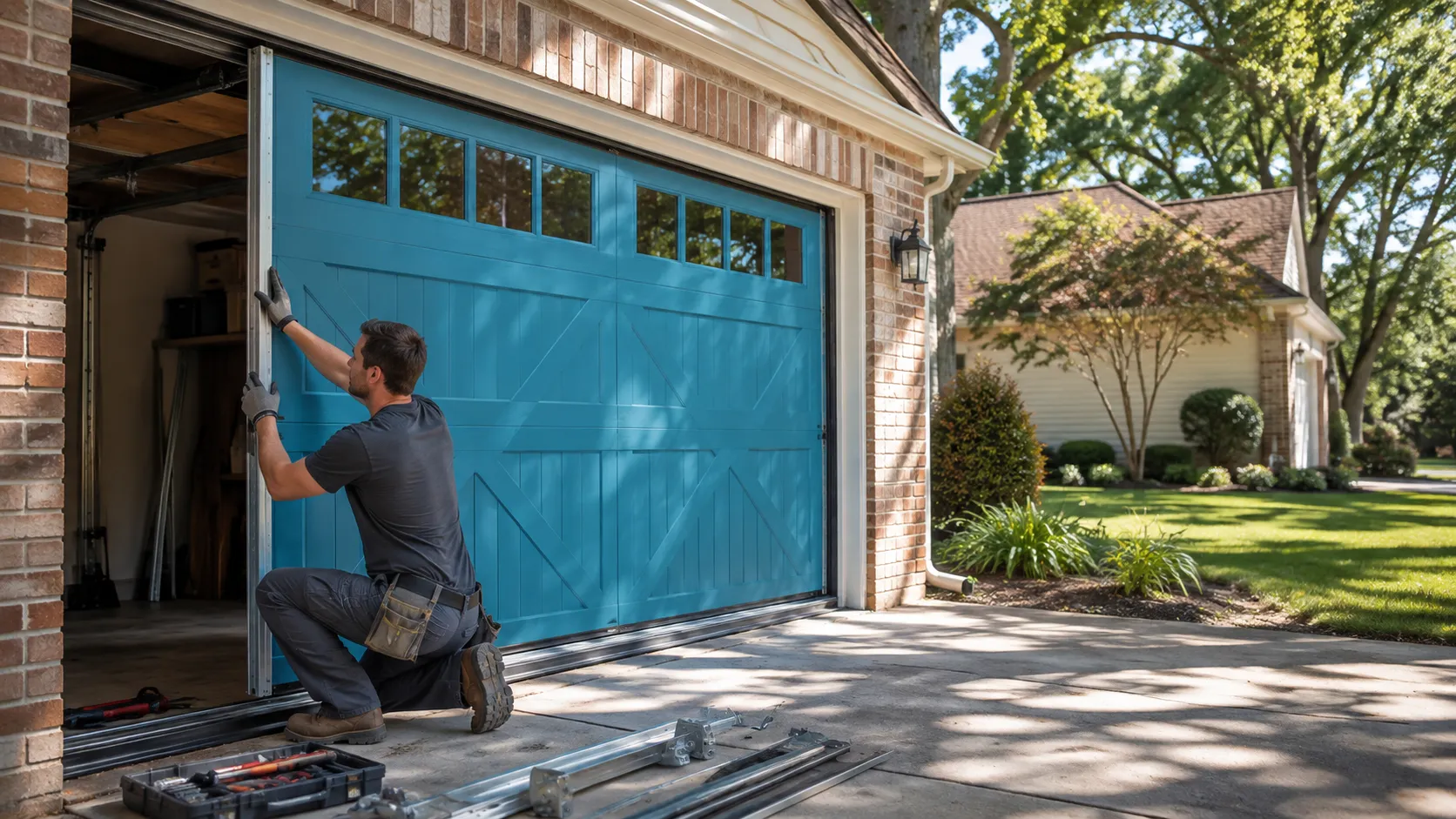
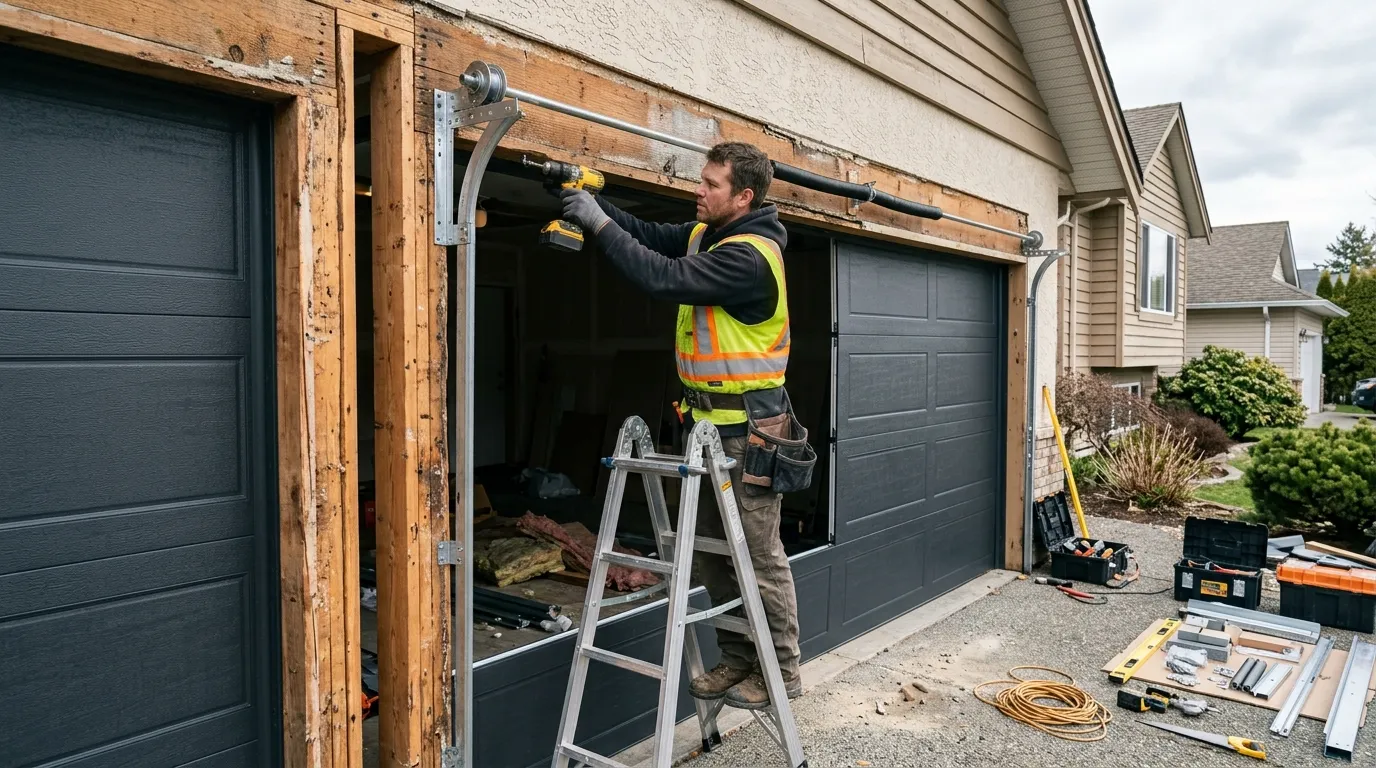
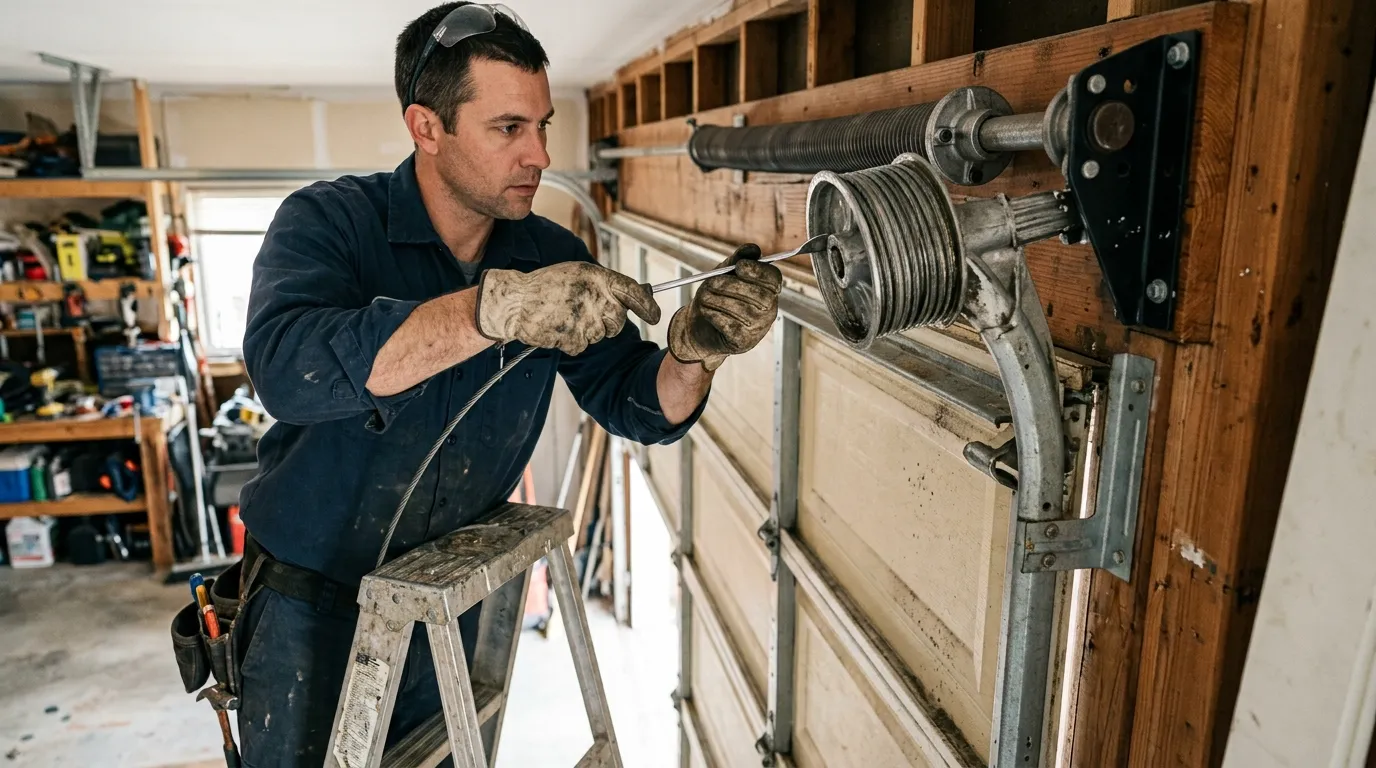
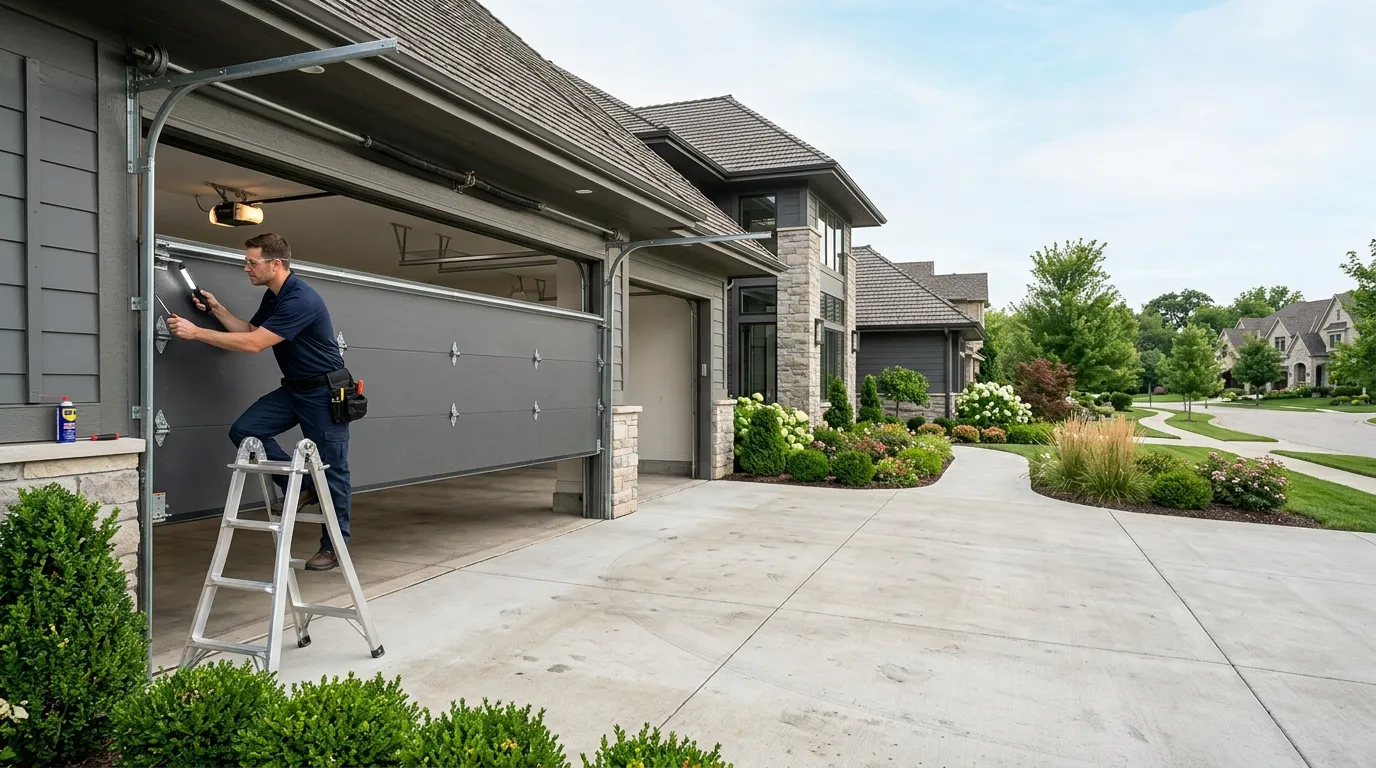
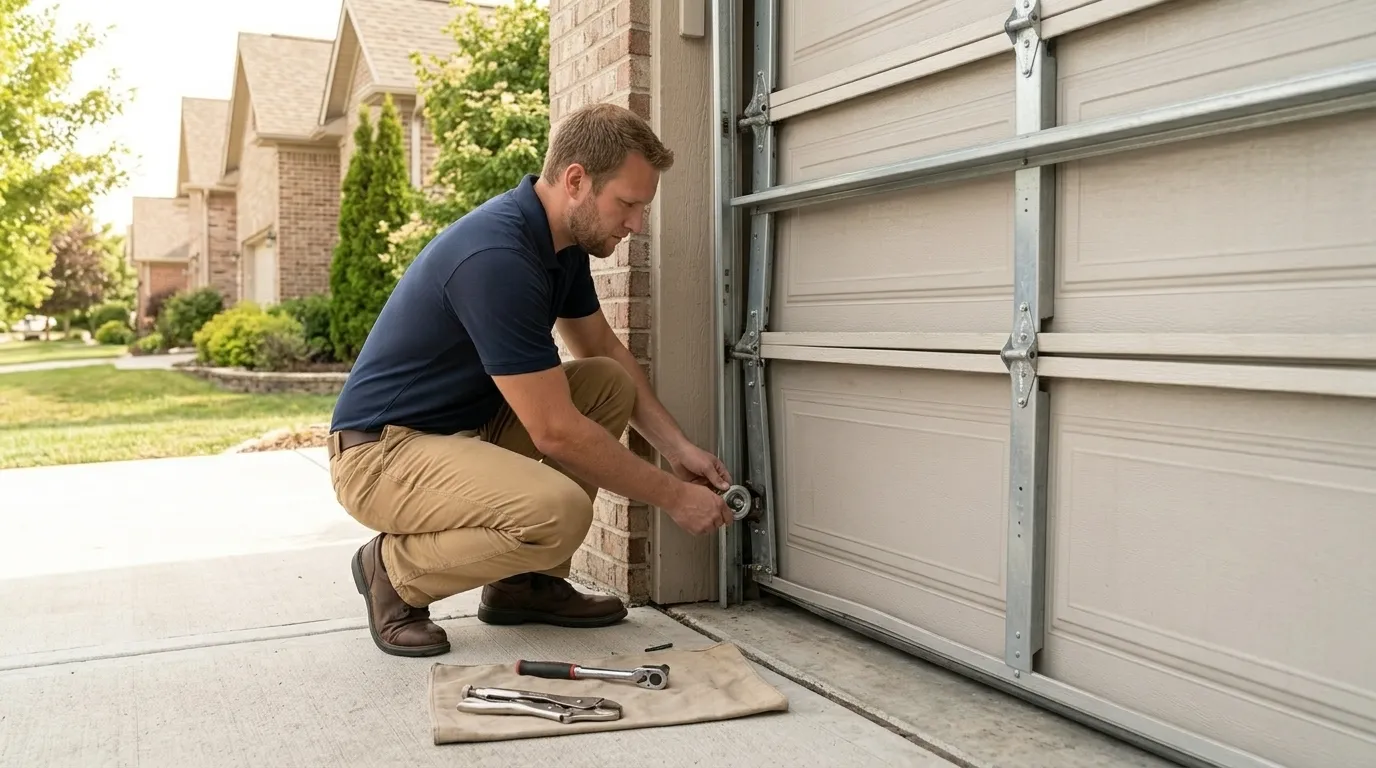
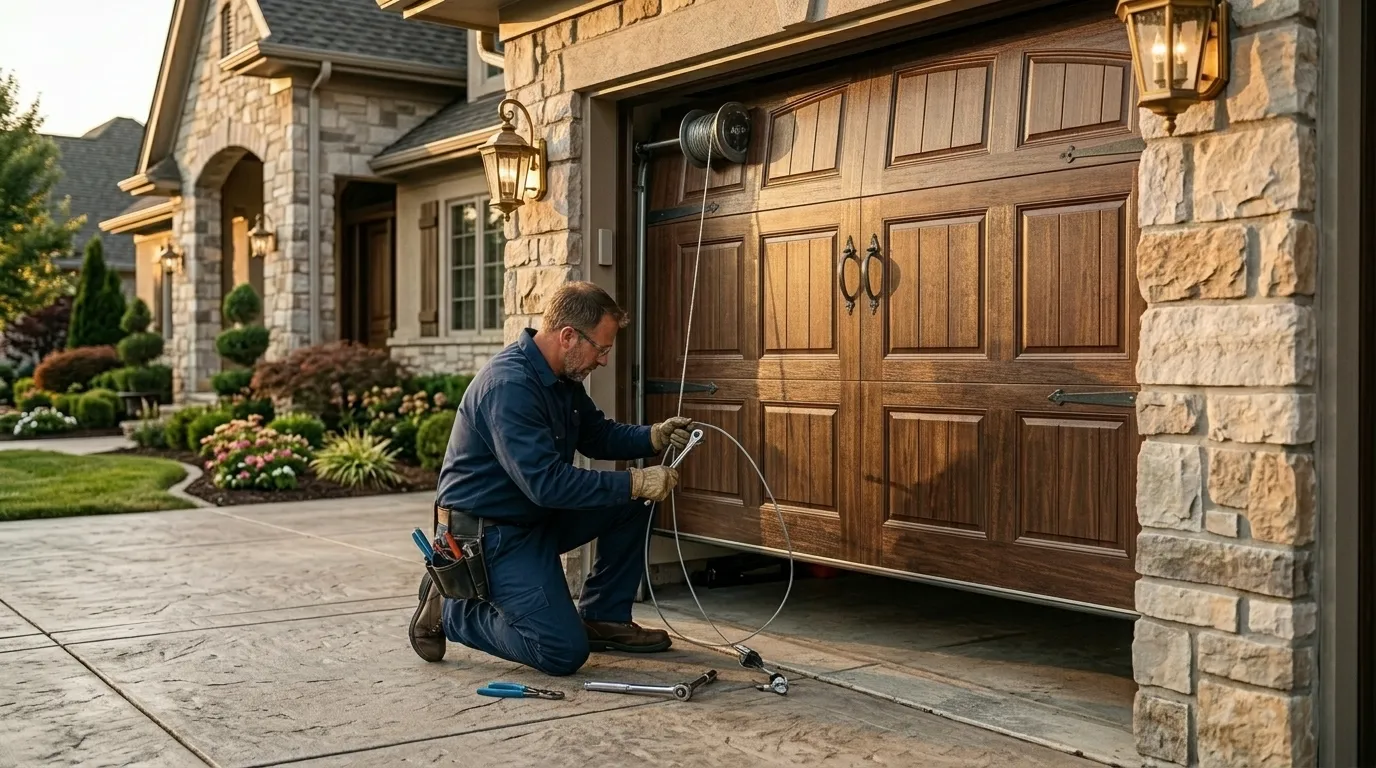
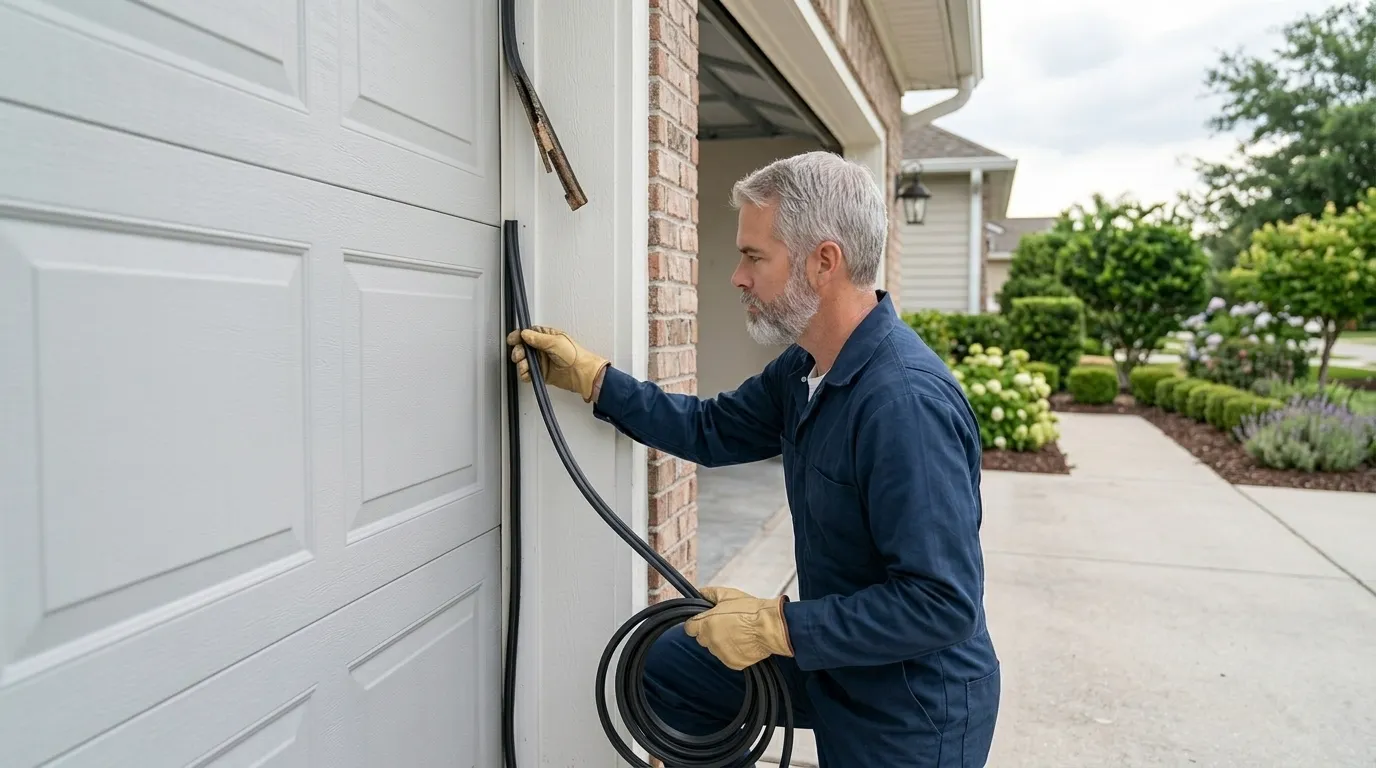
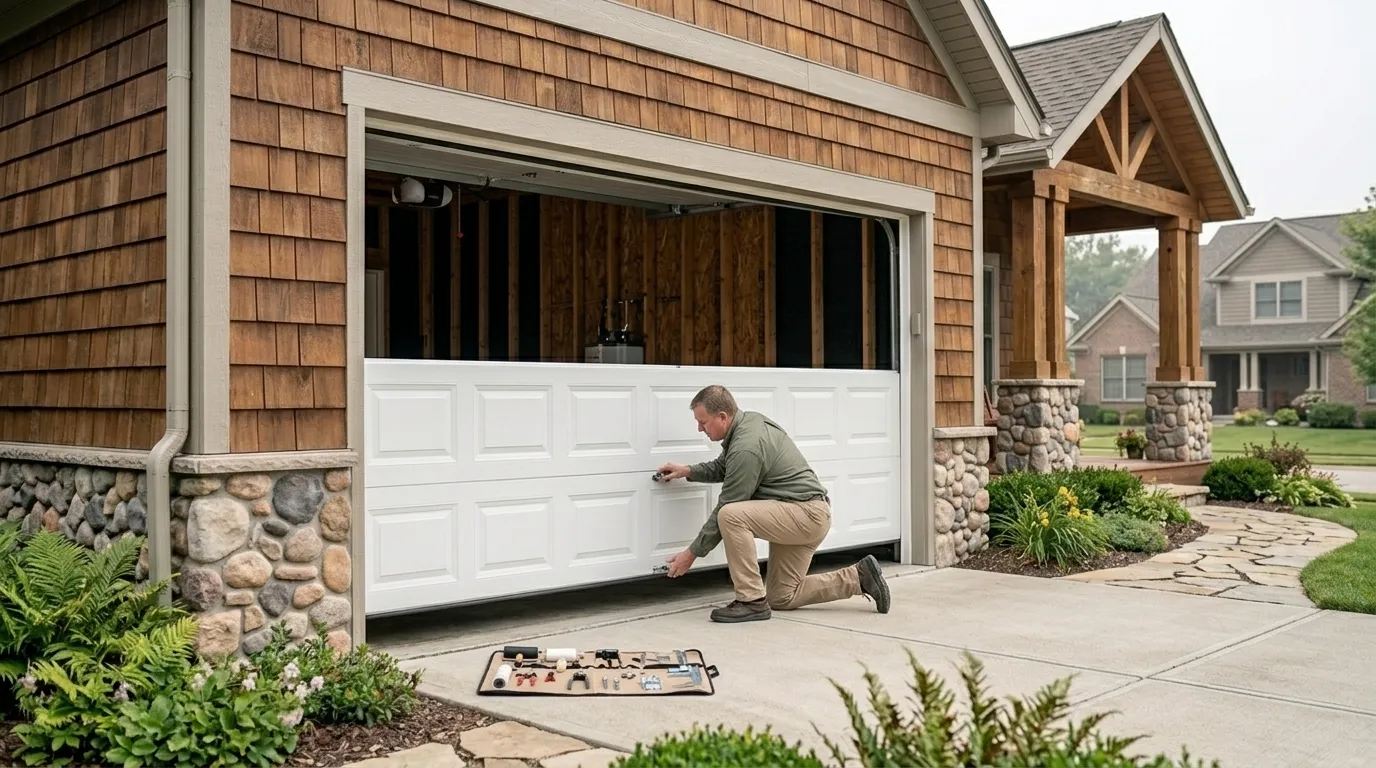
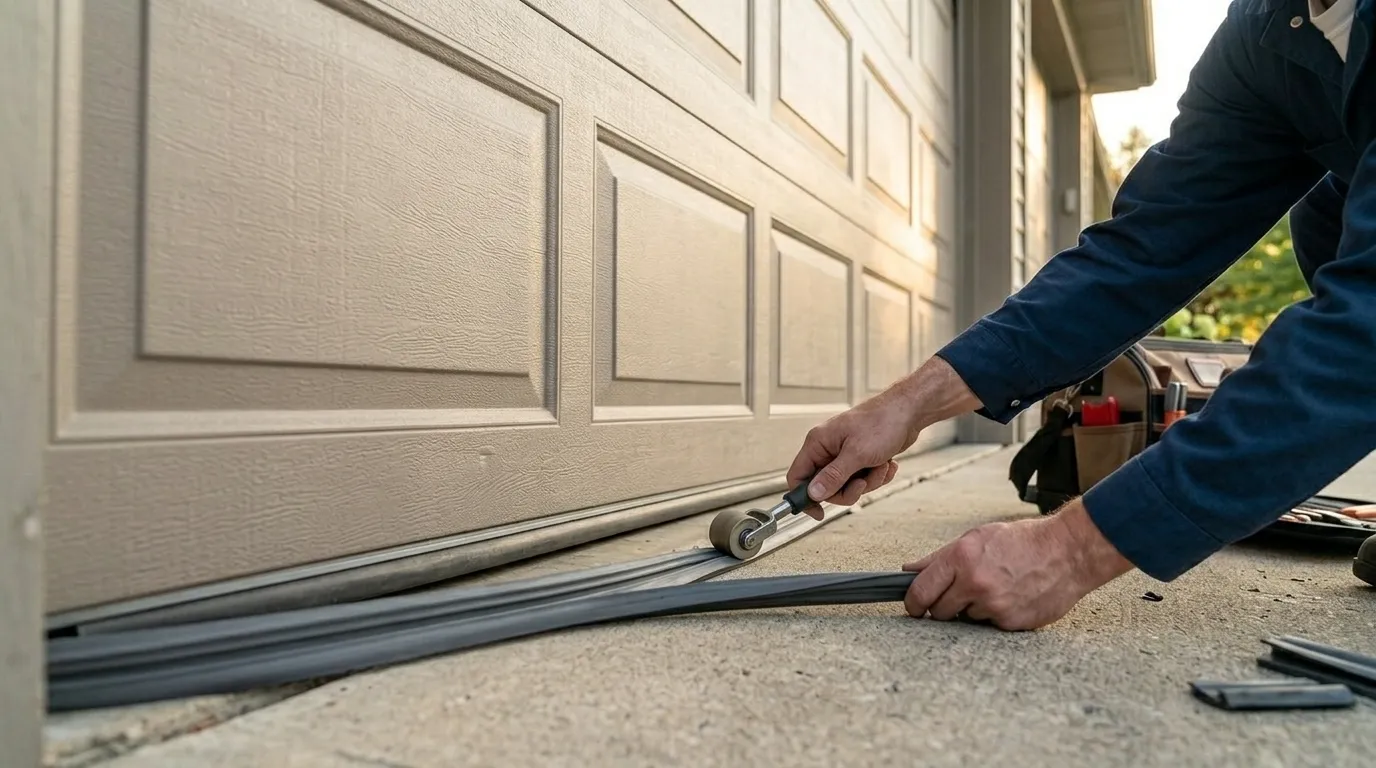
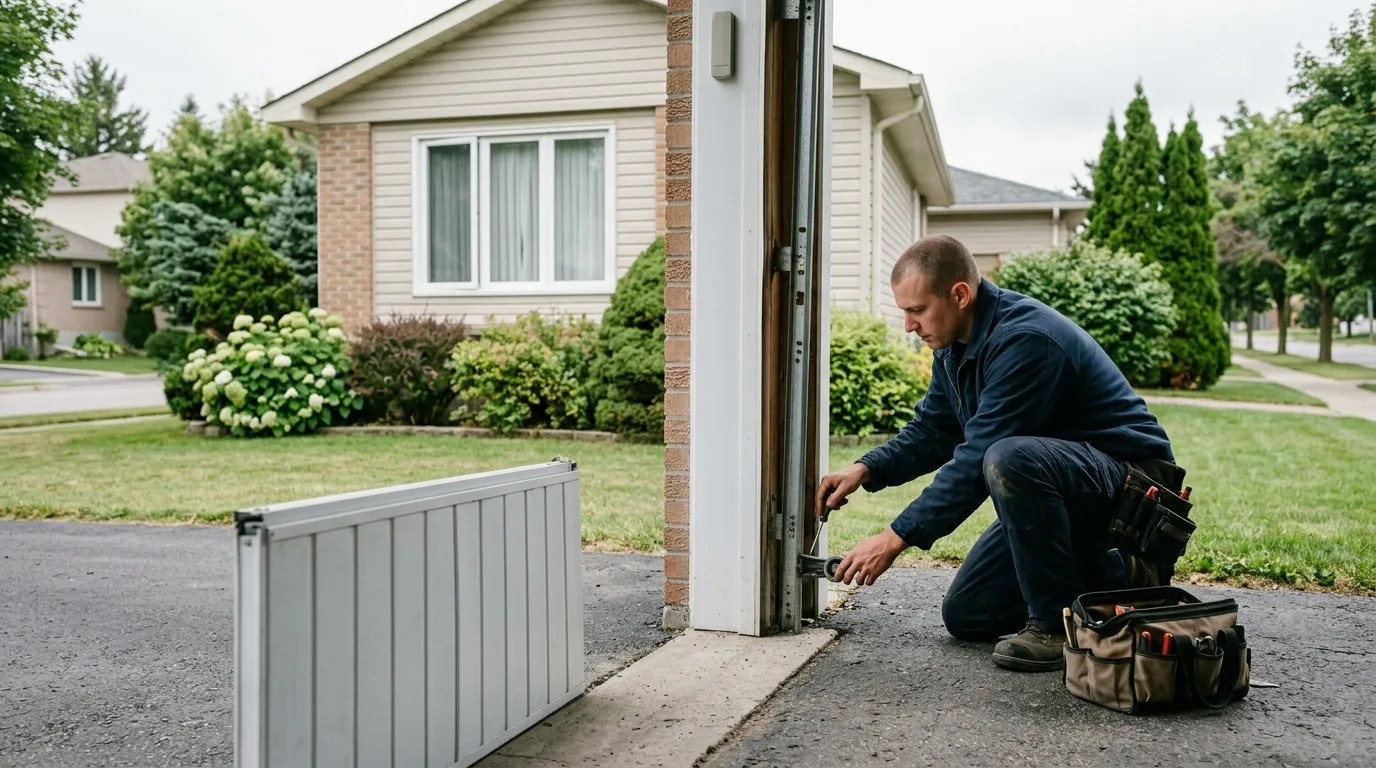
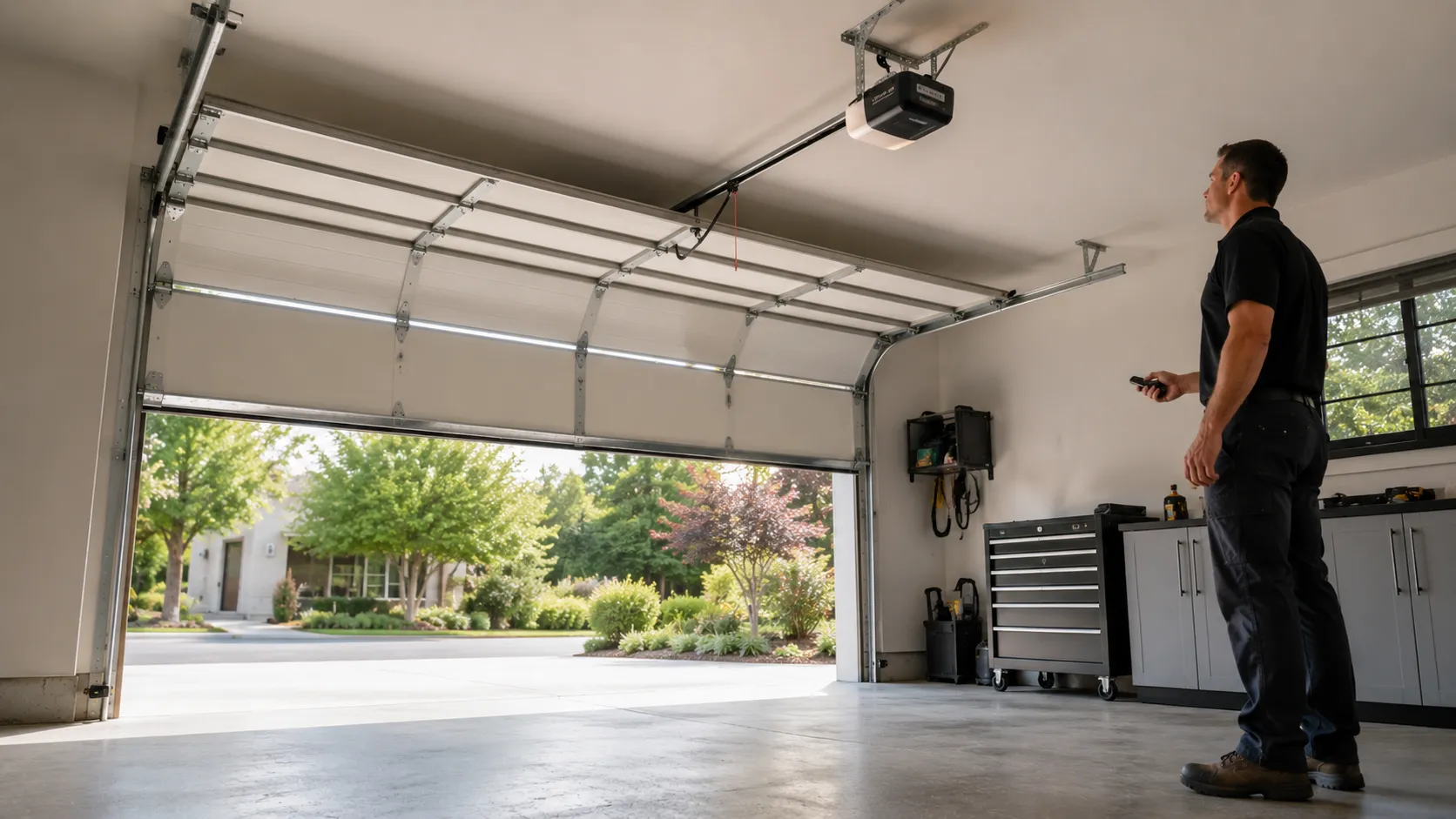
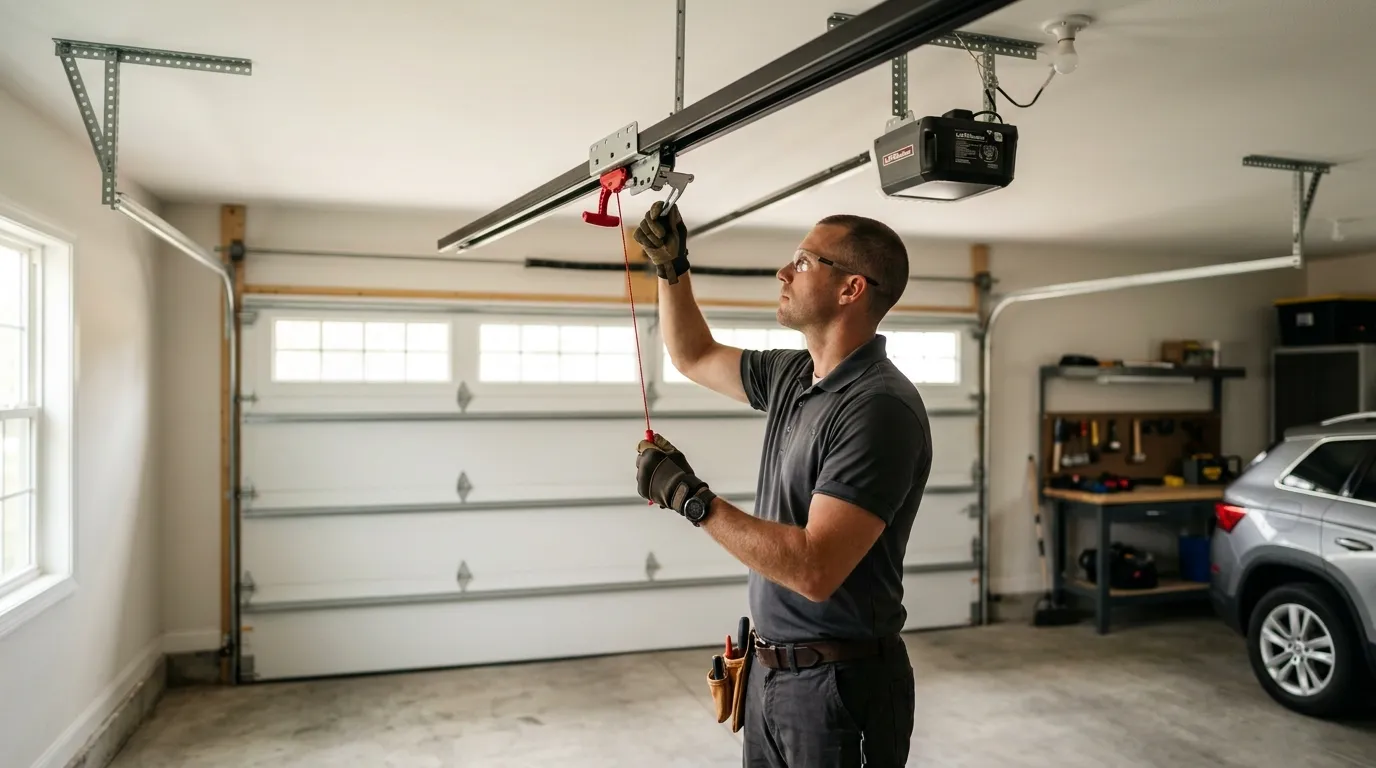
Two things drive commercial door wear in this area more than anything else: the age of the building stock and the climate band it sits in. A door installed when a building went up in, say, 1988 is now well past the point where its original springs, rollers, and cable were engineered to last, and commercial doors cycle far more often per day than a home garage door ever does. Chaska sits in a climate zone rated severe cold, which means steel expands and contracts hard across a winter, seals stiffen and crack, and any bearing or hinge that was low on grease seizes on the first stretch of single-digit nights rather than wearing out gradually. Lubricant that's fine in September turns to paste by January, and a track that was a quarter-inch out of plumb in summer becomes a full binding point once cold tightens every tolerance in the system. Commercial operators also run higher-cycle openers with chain or belt drives under near-constant load, and those drivetrains show cold-weather strain before a homeowner's opener ever would. Put an older building envelope together with a severe winter climate and you get the same short list of failures on repeat: seized bearings, cracked seals, and springs that were never rebalanced after a door swap.
What Costs
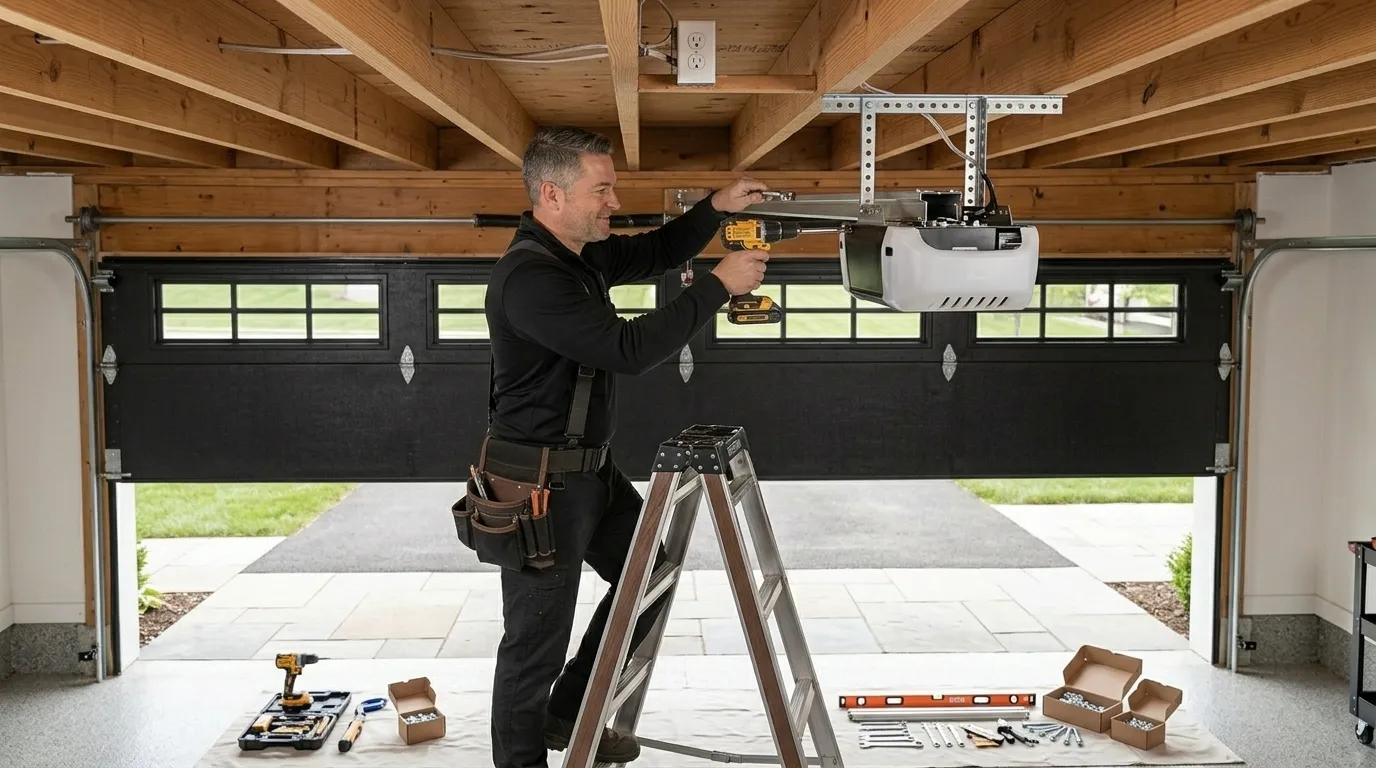
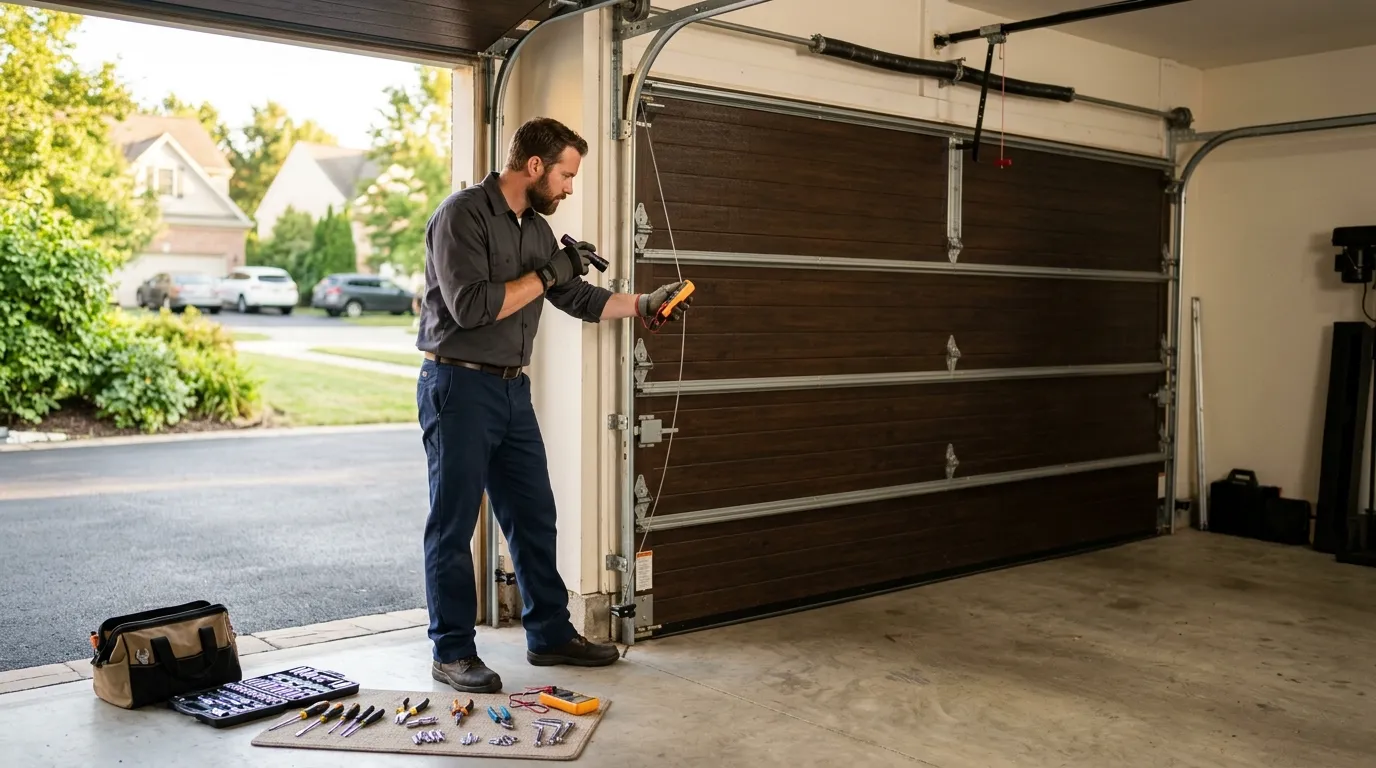
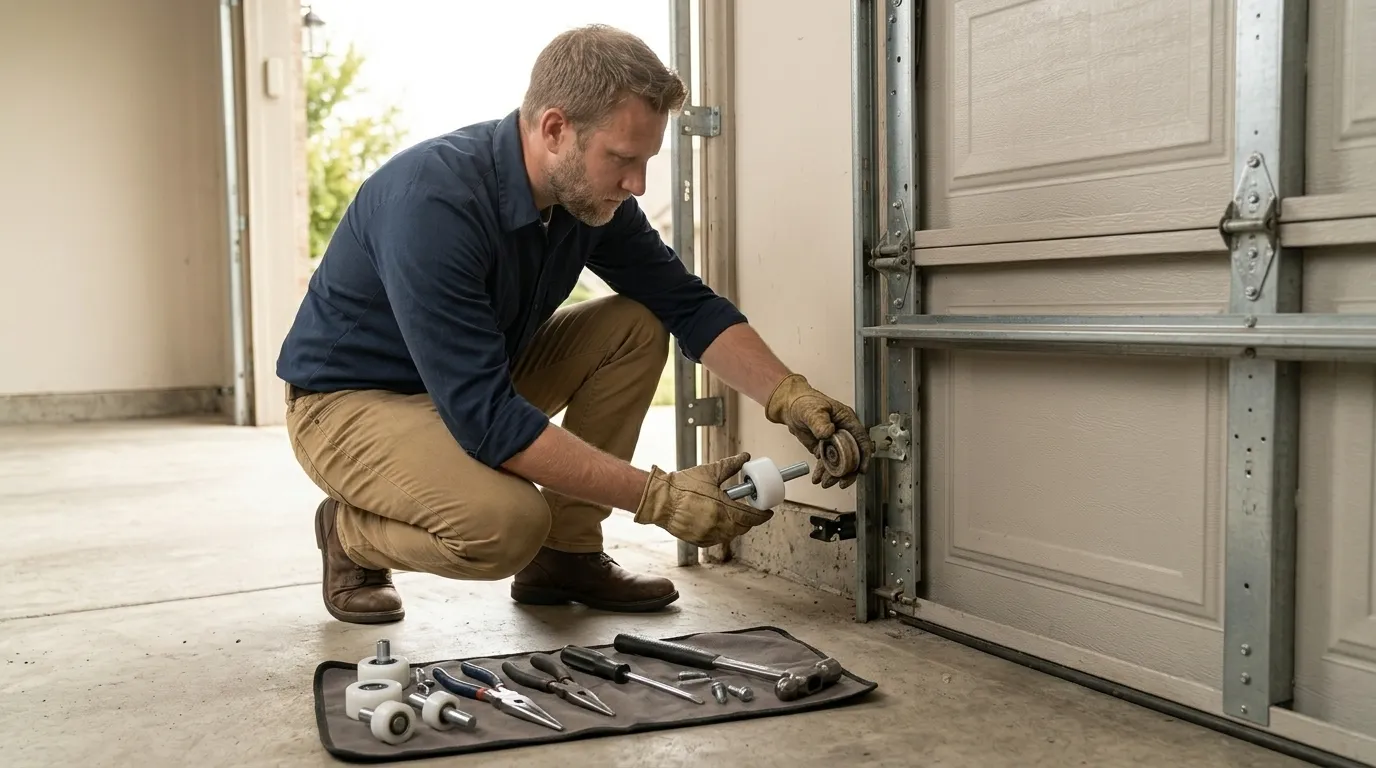
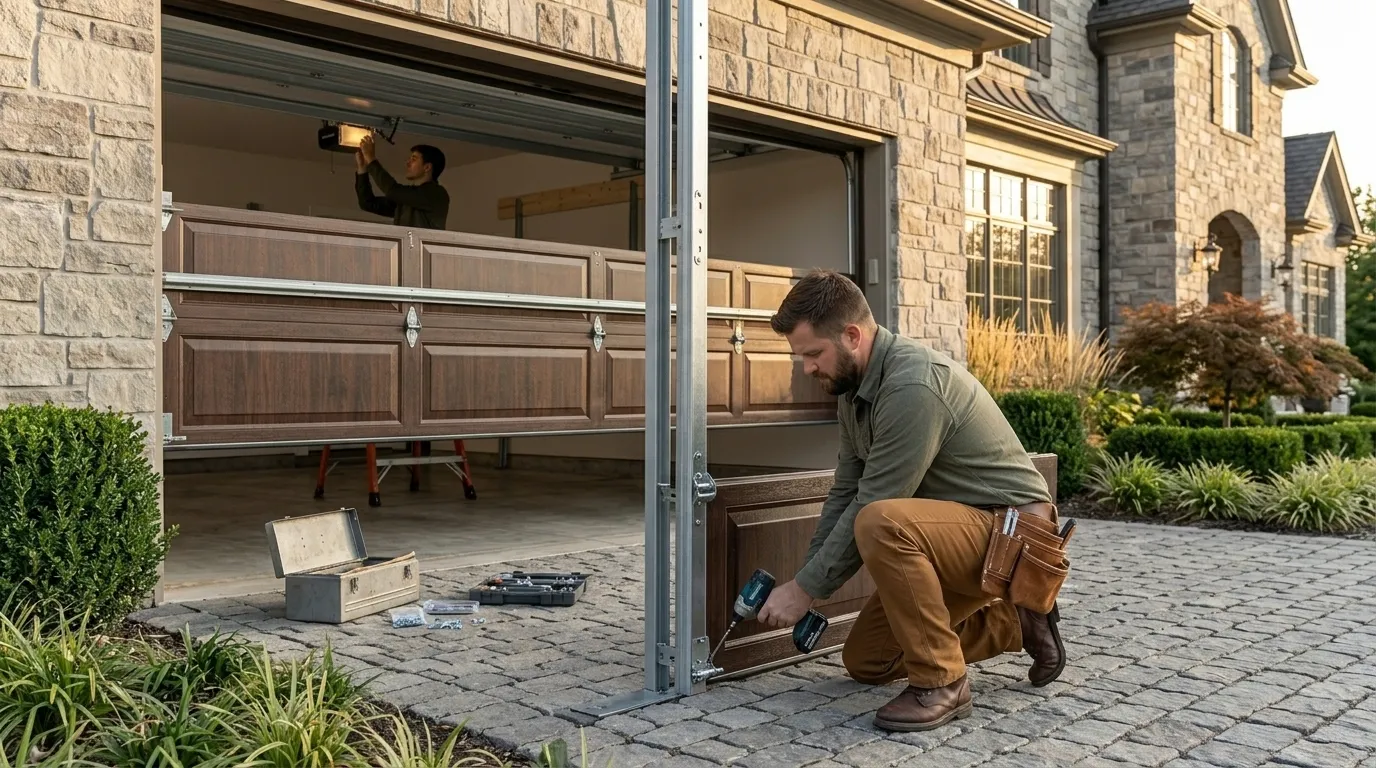
We don't have a published price sheet to quote here, and giving a number without seeing the door would be a guess dressed up as a fact. What we can say is that commercial repair costs in this area track two things: the size of the door and how much of the system needs to come apart. A photo-eye realignment or a roller swap on a standard bay door is a small job. A full spring or cable replacement on a wide commercial door, especially one that needs a lift to access safely, is a bigger one. The median household income across the Chaska service area runs $116,500, and that income level supports a market where businesses more often choose to fix a door properly rather than patch it twice, which is worth knowing if you're weighing repair against replacement. One honest limitation: some older commercial doors use panel widths or spring sizes that aren't stocked on the truck and take a special order to source, and that lead time is outside our control.