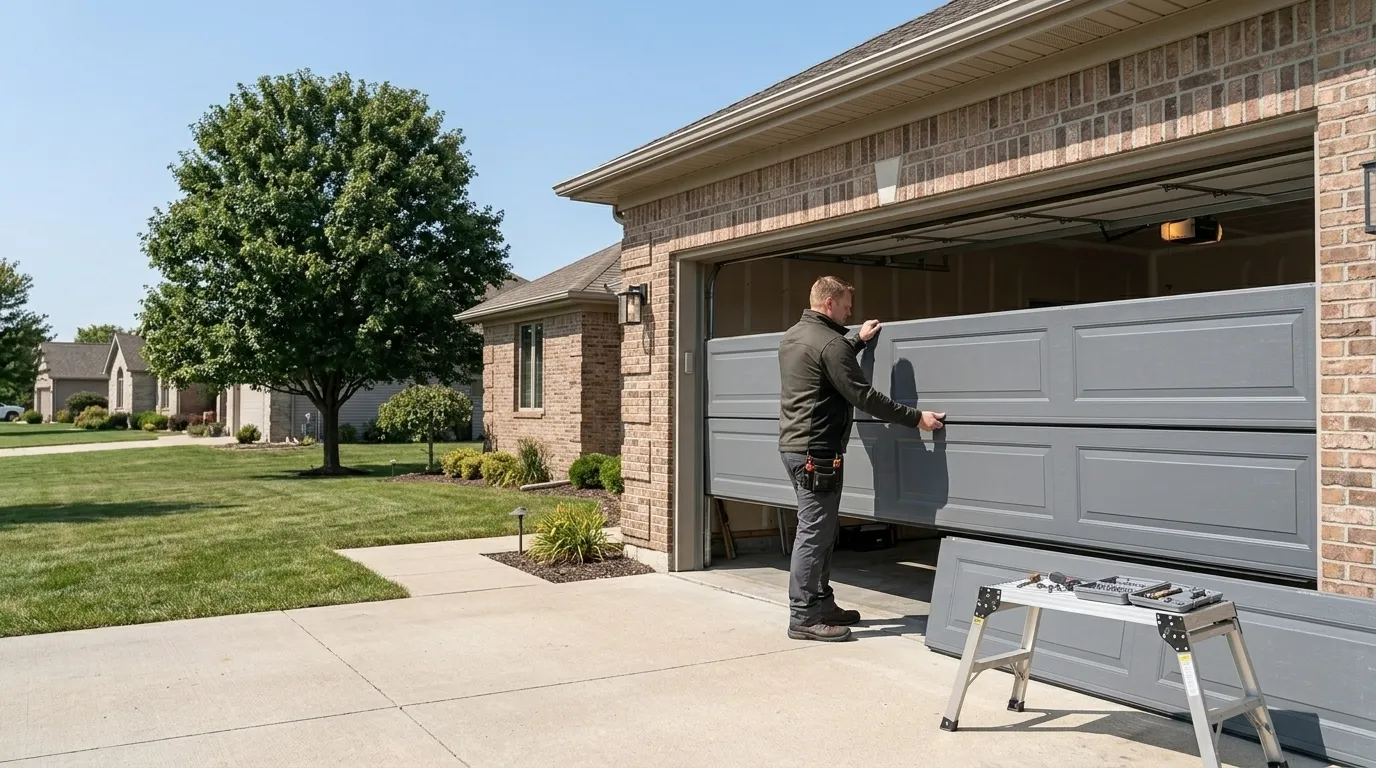
Worn or broken rollers on a Chaska garage door, tied to the area's 1954-2006 housing stock and cold winters. Here's how it shows up and what drives the failure.
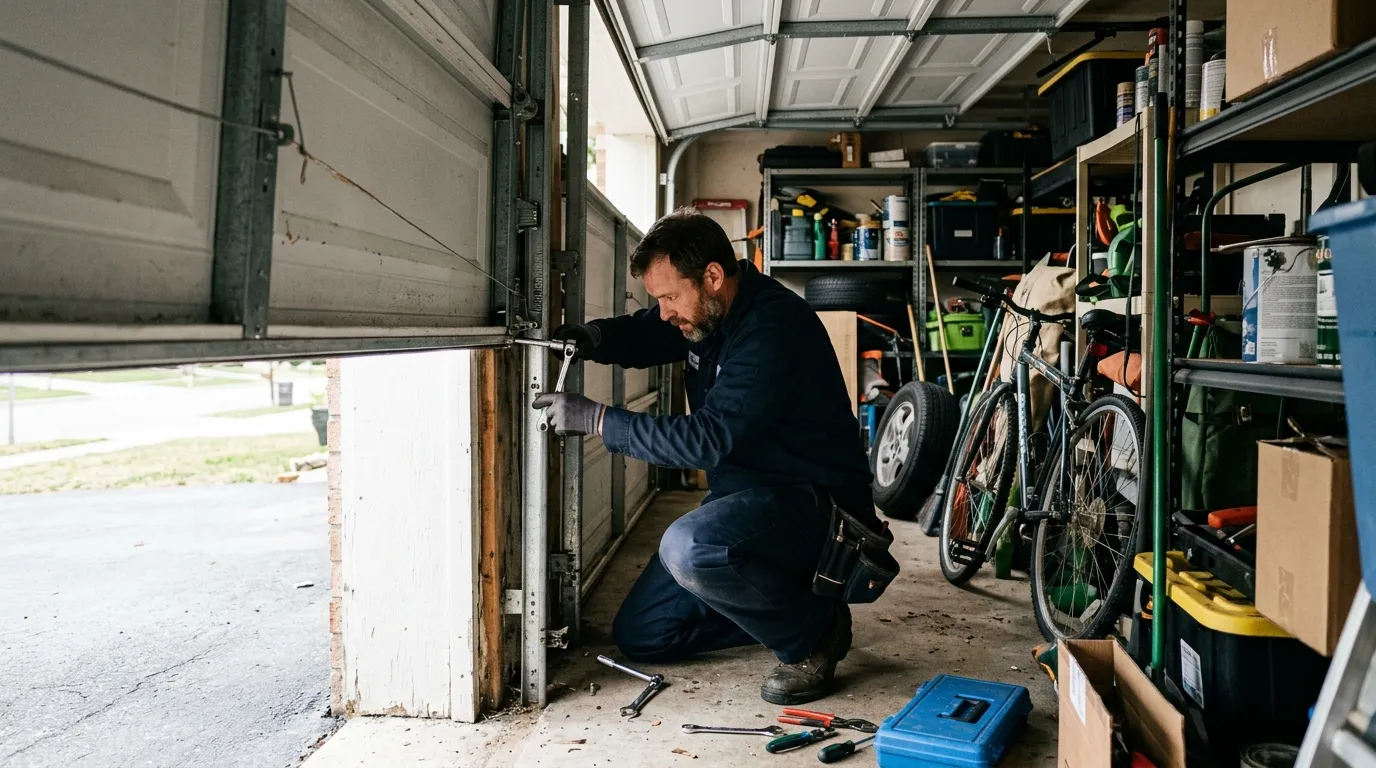
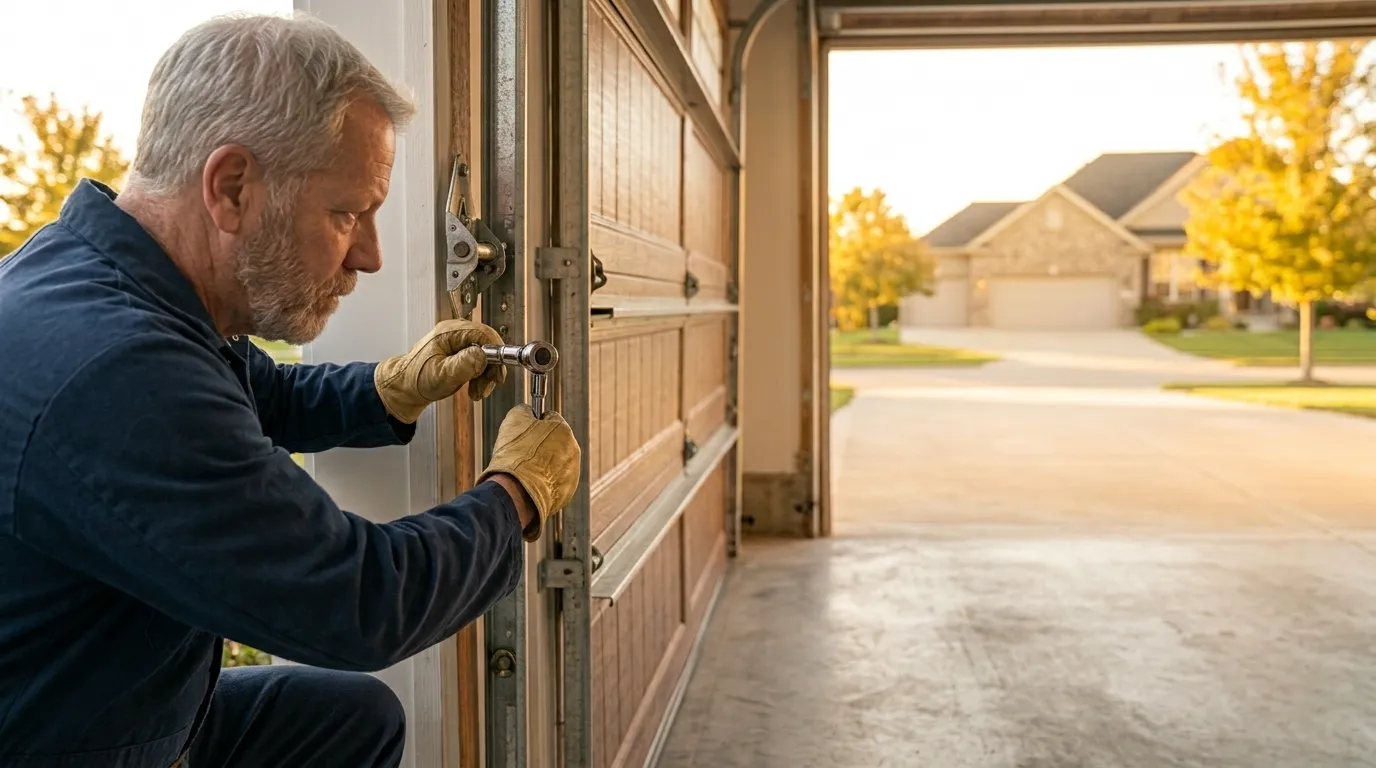
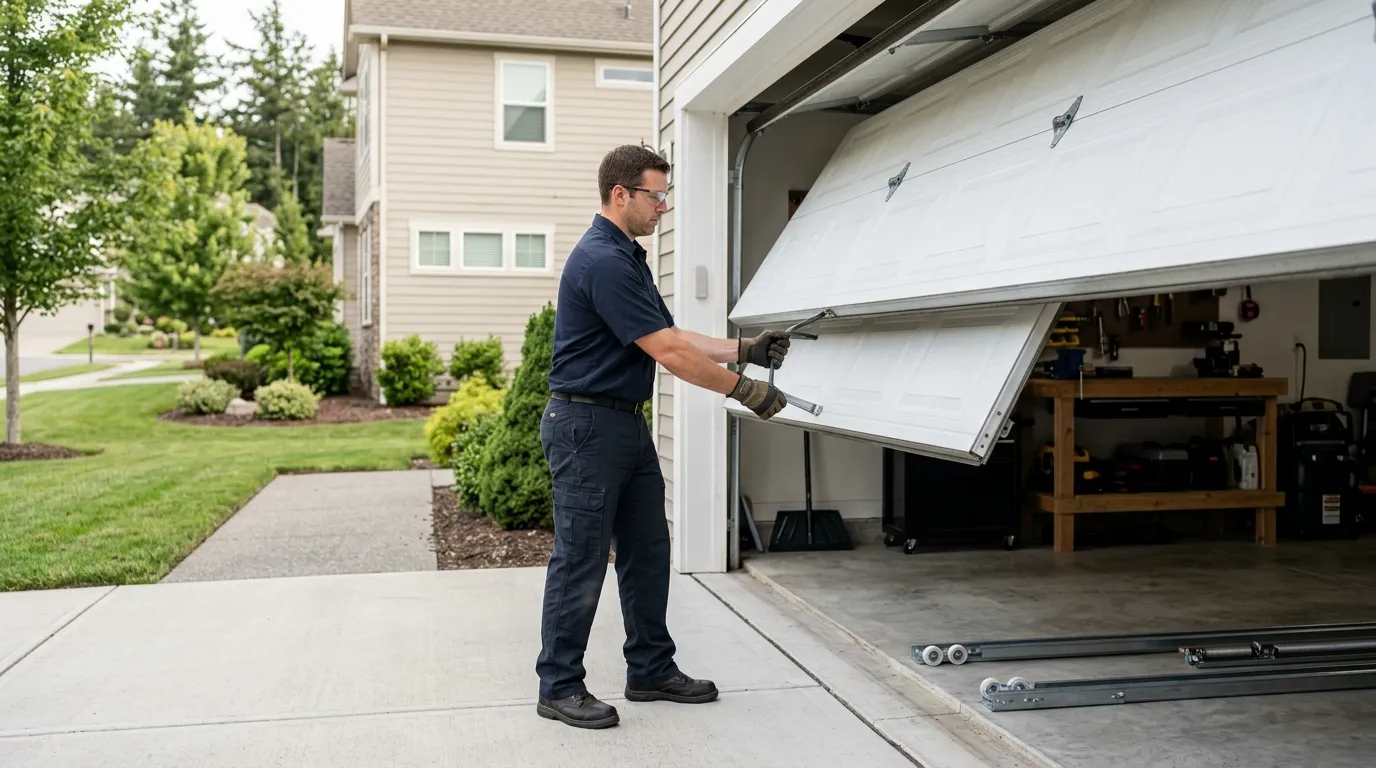
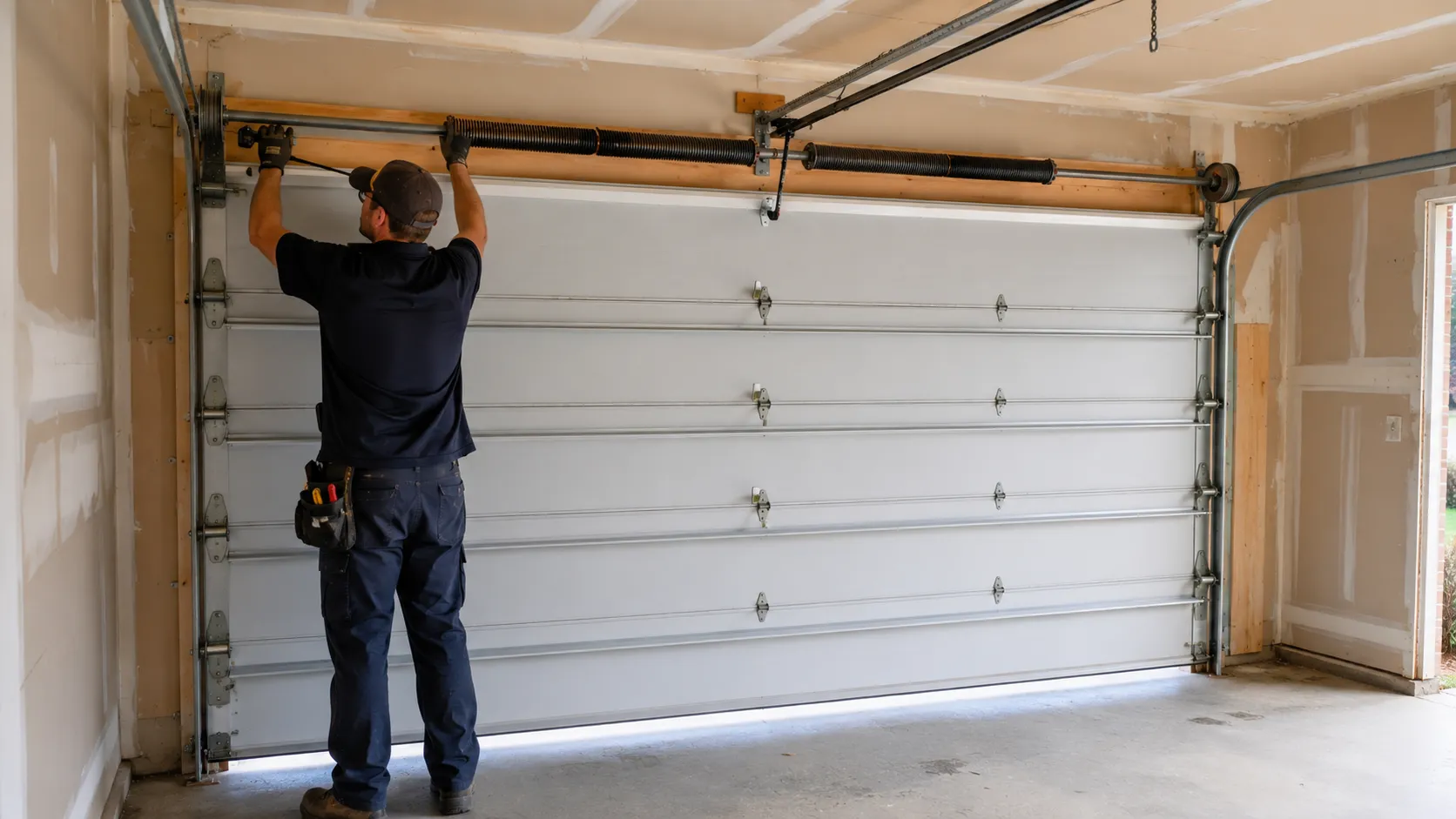
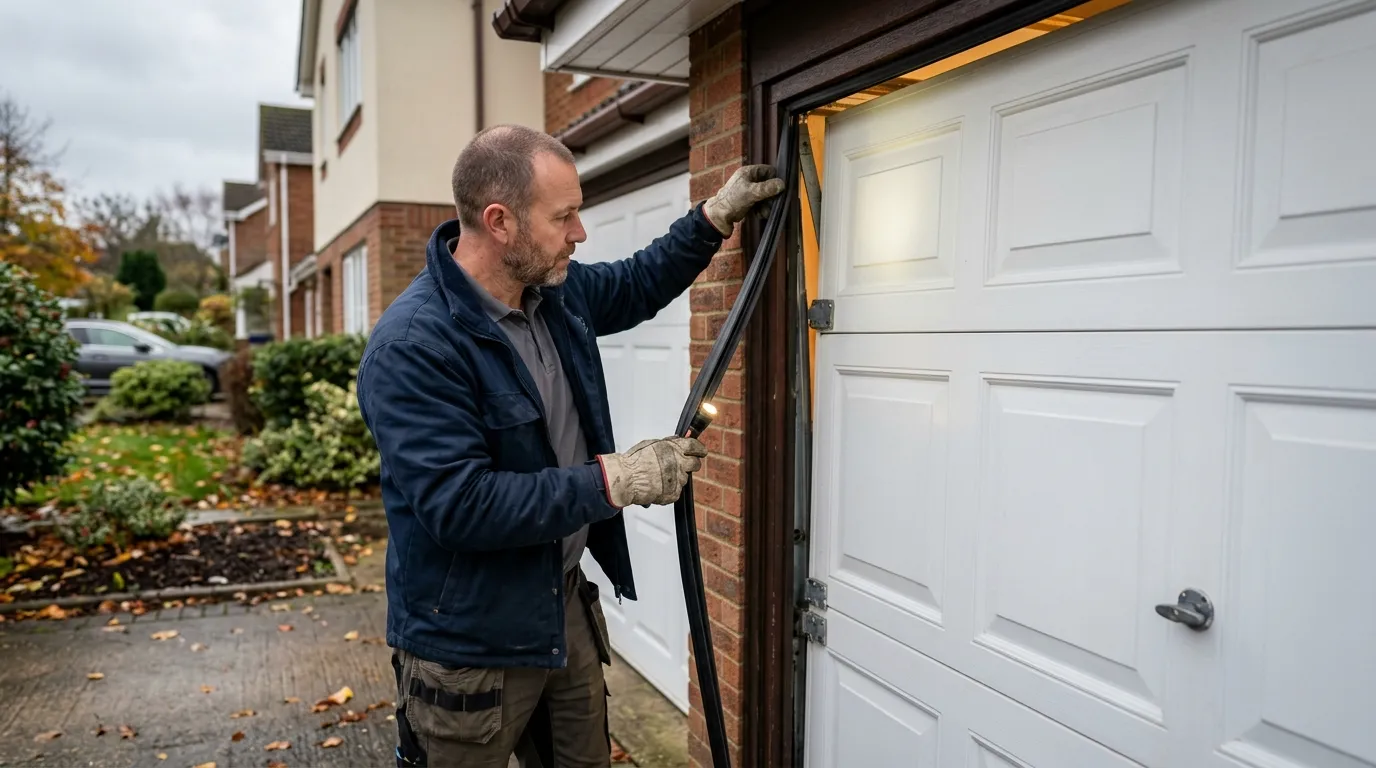
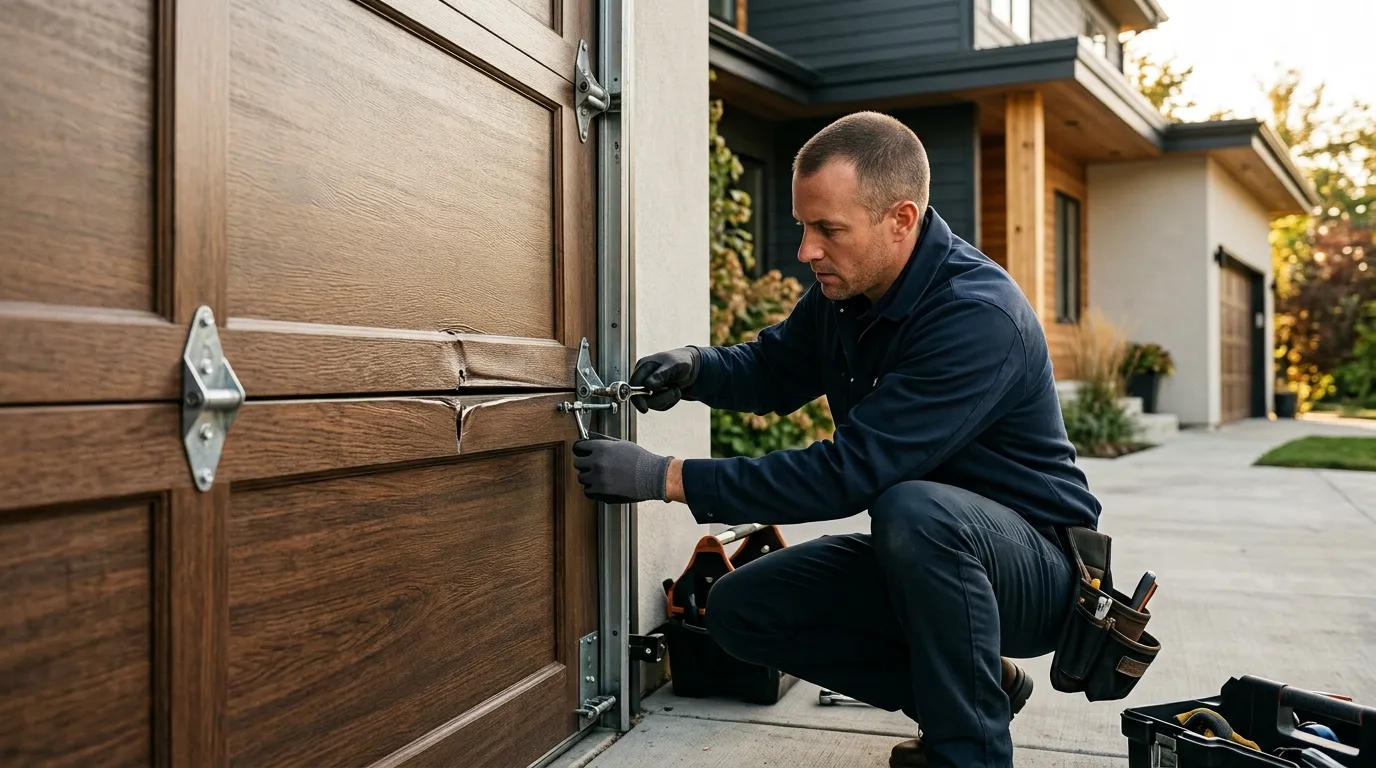
You'll hear it before you see it. A grinding or scraping noise as the door travels, a jerky start where the panel hesitates and then lurches, or a door that shudders side to side in the track instead of gliding straight through. Sometimes a roller has flattened on one edge and you can spot it from the driveway - a wheel that isn't round anymore. On steel rollers with worn bearings, the noise gets worse in the first cold snap of the season because the grease inside the bearing thickens and the wheel starts to bind against the track rather than turn freely in it.
Most homes in this area were built between 1954 and 2006, with a lot of that stock going up in the 1980s and 90s, so a large share of doors out here are running original hardware from that era - steel rollers with stamped stems, not the sealed nylon rollers that later became standard. Those older rollers wear down to bare metal-on-metal contact, and once that happens the noise and the binding only get worse, never better on their own.
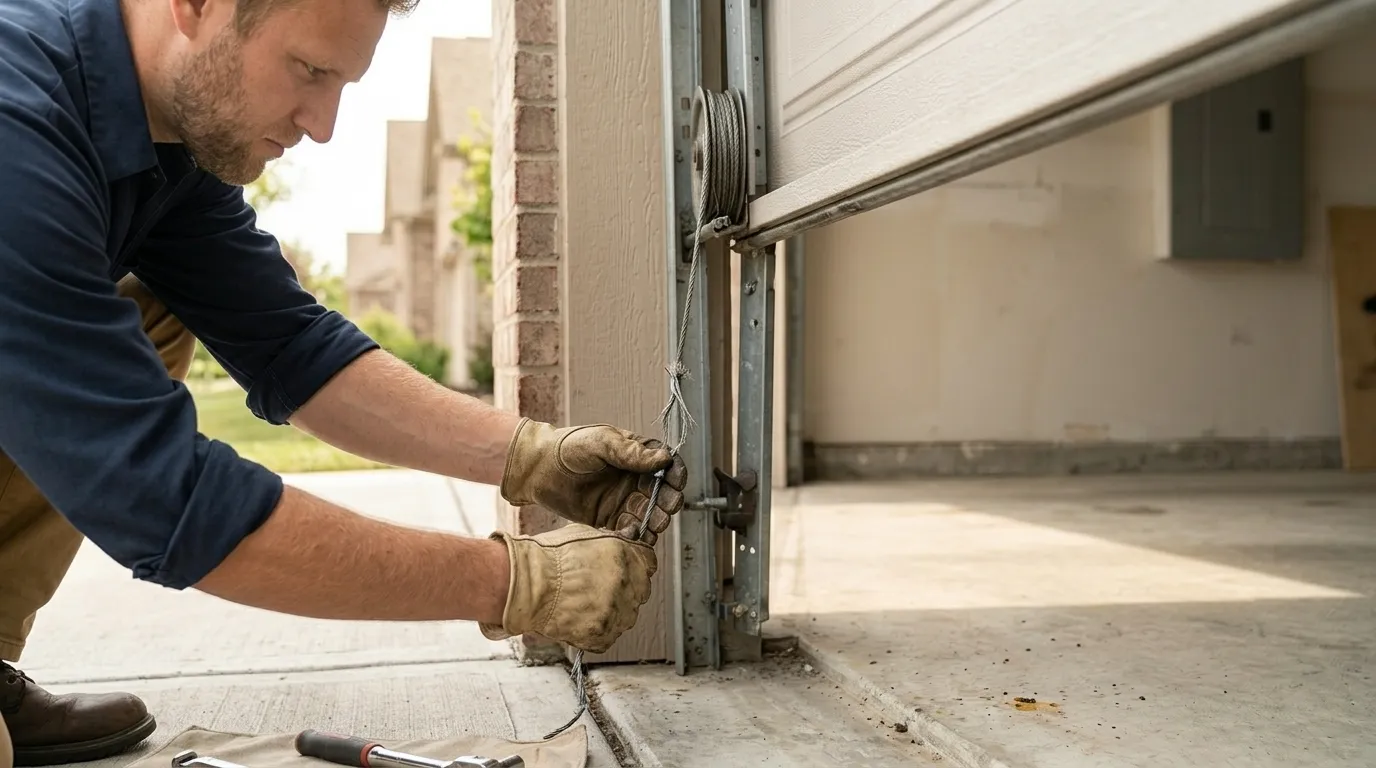
A door that's off track, or a cable that's jumped a drum because a roller seized, is a different repair than a simple roller swap - if you're hearing metal-on-metal grinding and the door is still moving, catch it before it jumps the track entirely.
What Causes It Around Here
Chaska sits in a cold, severe climate band, and that's the main driver of roller wear locally. Steel wheels and their bearings contract in deep cold, and the grease packed into an older bearing stiffens right along with it. Every winter cold snap adds a cycle of contraction and expansion that steel rollers from the 1980s and 90s stock weren't built to absorb indefinitely. Nylon rollers handle that swing better, but a lot of the original hardware in this area's housing predates nylon becoming the standard replacement part.
The second driver is simply age matched to construction date. With median construction around 1986 across the service area, a door installed with the house is now well past the working life of its original rollers, springs, and cables even if nothing else has failed yet. Rollers are usually the first thing to go because they take the most repeated friction of any moving part on the door - two per side, cycling every time the door opens.
Track condition matters too. A track that's slightly bent or out of plumb from decades of settling puts uneven load on the rollers nearest the bend, so those wear faster than the rest and start the grinding noise months before the others follow.
What It Costs
We don't have a set number to quote you here without seeing the door - roller count, whether it's the full set of ten or just the two nearest a bent section of track, and whether the bearings are sealed or need periodic grease all change the job. What we can tell you is that a straight roller swap is one of the smaller jobs on a garage door, and it's worth doing before a seized roller pulls a cable off a drum or knocks the door off its track, which turns a small job into a bigger one.
If you want a number before we're on site, call and describe what you're hearing - the noise alone usually tells us whether it's a roller job or something else.
How Long You Are Without the Door
A roller replacement on its own doesn't usually take the door out of service for long - it's a same-visit repair once we're there with the right rollers on the truck. Where it stretches out is parts. If you've got an unusual bracket or an older stem style from a door built to 1980s or 90s specs, and we don't have that exact part on the truck, that's a call-back rather than a one-visit fix.
The honest limitation: we carry the common roller sizes and stem styles that fit most of what's out there in this area's housing stock, but we don't stock every discontinued bracket from every builder who put doors in decades ago. If your door needs one of those, we'll tell you up front rather than guess.
How it works
From “it’s stuck” to “it’s fixed”
01
Tell us what’s wrong
Describe the symptom - won’t open, loud bang, opener runs but the door won’t move.
02
On-site diagnosis
A technician tests the door under power and by hand and finds what actually failed.
03
Clear, up-front plan
You get the fix that’s needed and what drives the cost - before any work starts.
04
Repaired & tested
The repair is done, the door is set true and tested, and the work area left clean.
Serving Chaska, MN - tell us what your door’s doing and we’ll take it from there.
Why does my garage door roller noise get worse in winter?
Cold thickens the grease inside the roller bearing and makes the steel contract, so the wheel binds against the track instead of turning freely. In a cold, severe climate band like this one, that cycle repeats every hard freeze, which is why roller noise tends to show up or worsen in the first cold snap of the season.
How many rollers does a garage door actually have?
Most residential doors have ten rollers, two per section on a typical four-panel door. You don't always need to replace all ten at once - if wear is concentrated near a bent section of track, we can replace just the affected rollers and leave the rest if they're still round and quiet.
Can I just lubricate a noisy roller instead of replacing it?
If the wheel is still round and the noise is fresh, a grease service can buy time. Once a roller has flattened on one edge or the bearing is grinding metal-on-metal, lubricant won't fix it - the wheel itself is worn out and needs to come off the track.
Is a roller problem the same as a door being off track?
No. A worn roller usually causes noise and a rough ride but the door still travels in the track. Once a roller seizes badly enough, it can jump the track entirely or pull a cable off a drum, which is a bigger repair. Catching the noise early avoids that jump.
Ready to get your garage door sorted?
Tell us what it’s doing and where you are in Chaska - we’ll take it from there.