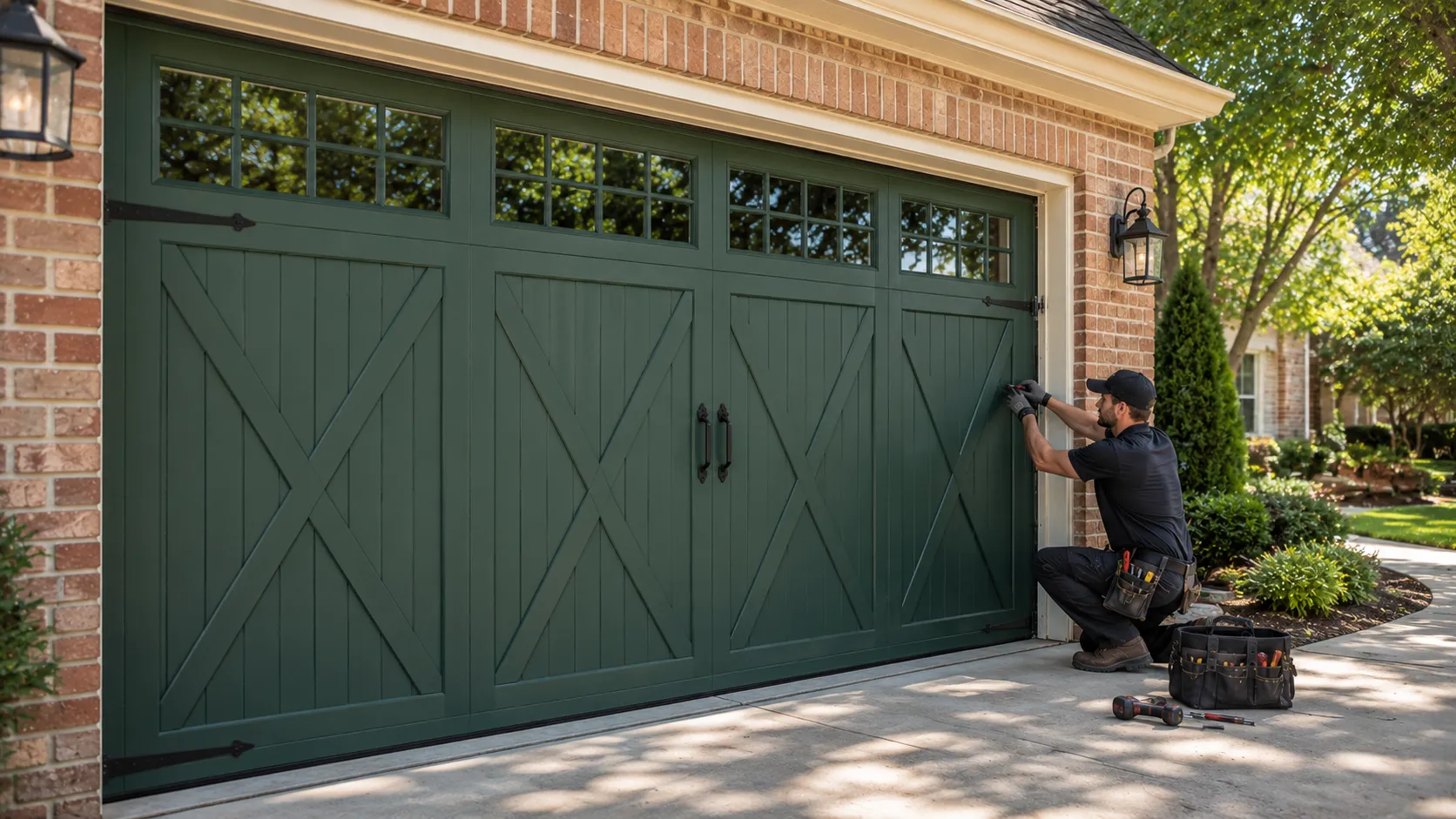
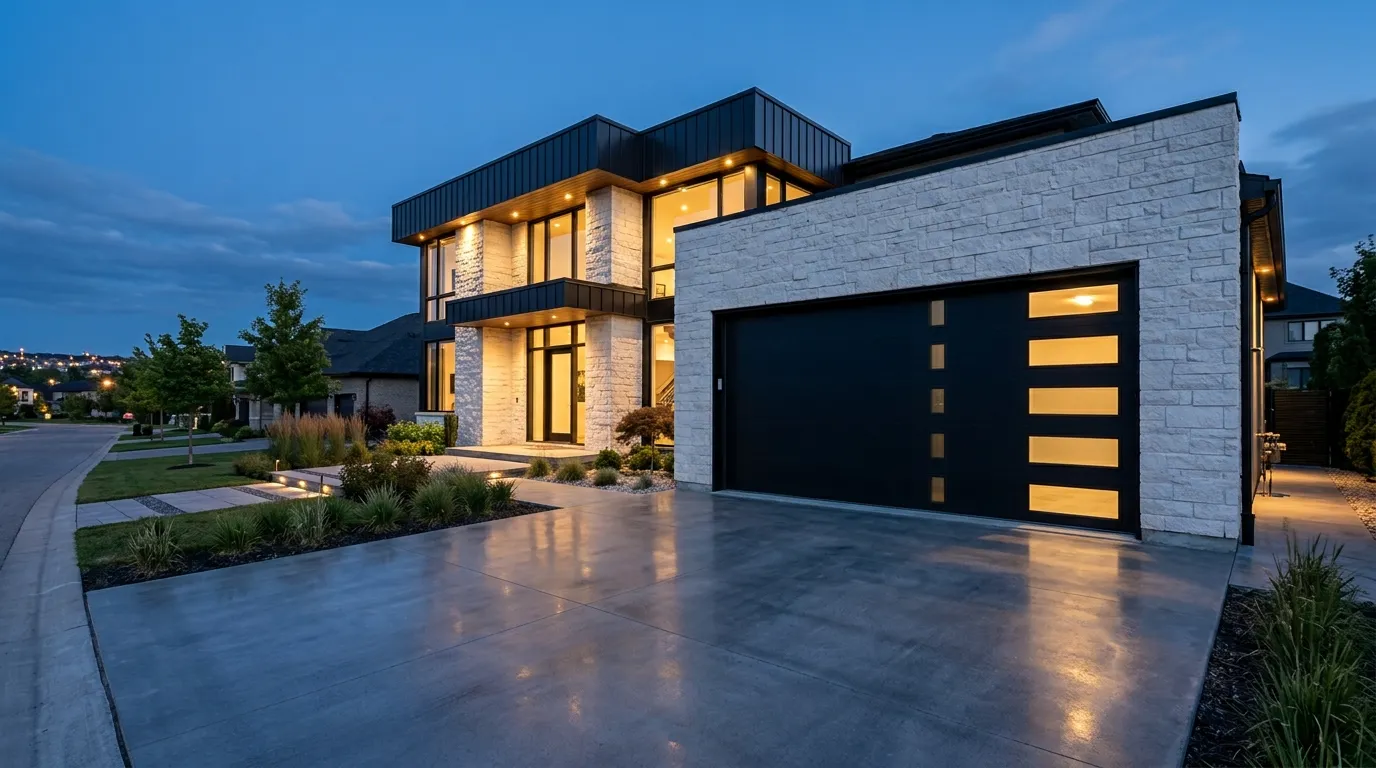
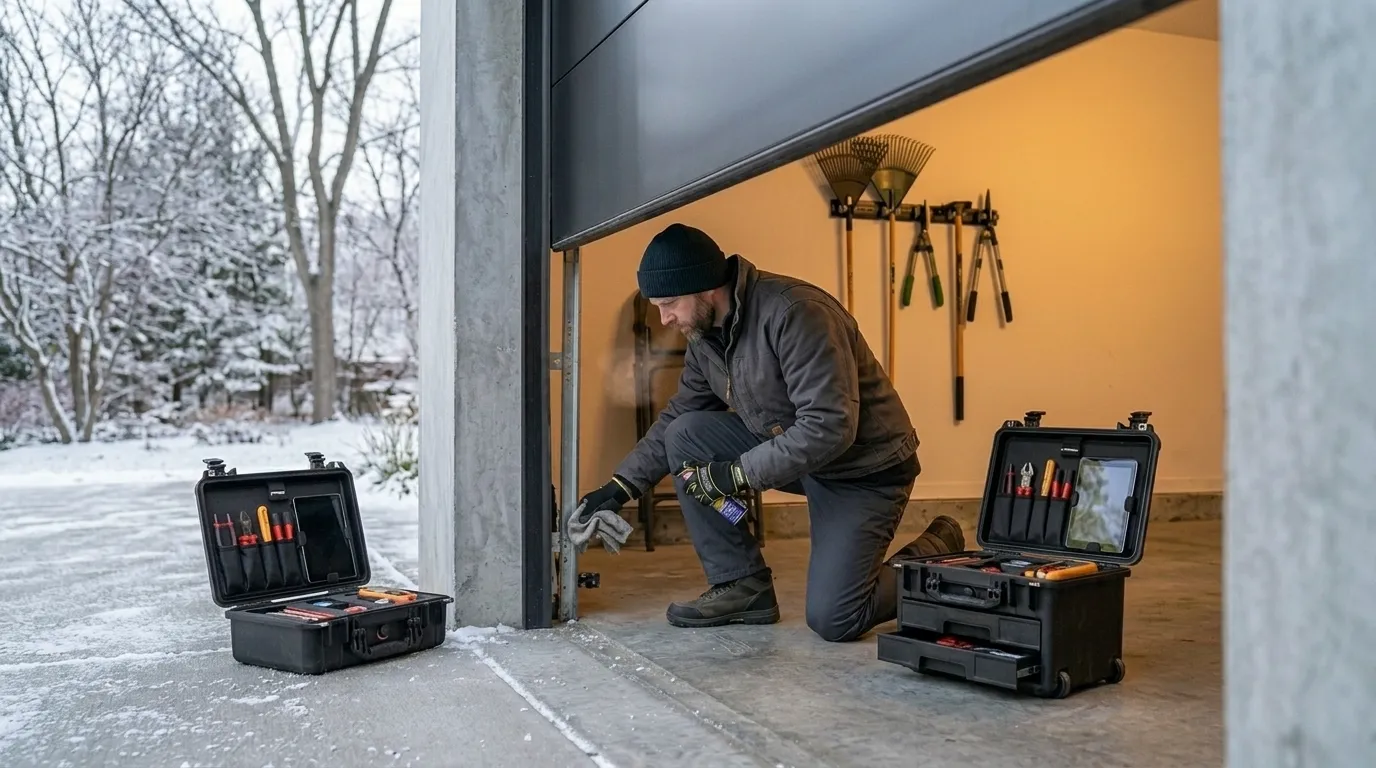
Carver's houses mostly went up after 2000, newer than the Chaska area overall. That changes what breaks on the door. We drive the 4 miles out from Chaska to fix it.
Carver isn't the same housing stock as the rest of the area we cover out of Chaska. Across the wider service territory the median home was built in 1986, with plenty of houses going back to 1954. Carver runs newer - its median build year is 2004. That's a twenty-year gap, and it matters for garage doors because it changes what actually fails.
A door installed in 2004 or later is almost always a steel sectional on a torsion spring with a chain or belt-drive opener that has a circuit board, not a set of dial switches. The failures we see out here are electronic more often than mechanical: a logic board that won't cycle after a power blip, a safety sensor knocked out of alignment, a wall control that's stopped talking to the opener. Compare that to the older stock closer to the center of the service area, where one-piece doors on side-mounted hardware are still common and the fix is almost always physical - springs, cables, rollers.
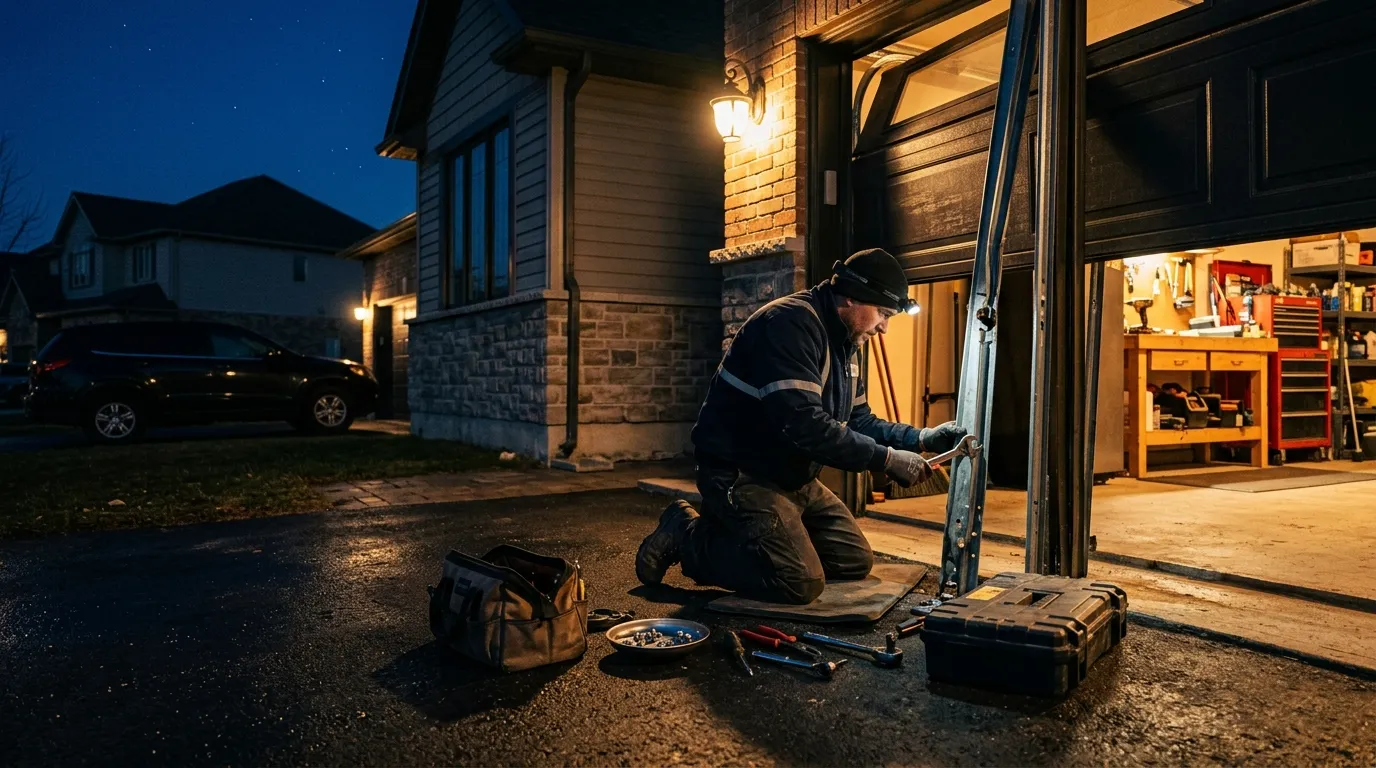
Minnesota's winters don't care what year the door was built. Cold-climate swings still crack weatherstripping, stiffen lubricant in the tracks, and make marginal openers finally quit on a January morning. On newer doors that usually shows up as a sensor or board fault rather than a snapped spring, which is why a Carver call often sounds different on the phone than a call from an older block nearby.
What It Costs
We don't have a published price list specific to Carver, and quoting a number without seeing the door isn't honest work. What we can tell you is that the job type shifts the cost more than the town does. A sensor realignment or a logic board reset on a 2000s-era opener is a different bill than replacing a torsion spring on an older one-piece door. Carver's newer stock leans toward the first category more often than not, which tends to be a shorter visit. Ask for the number when we're on site looking at your specific door - that's the only estimate worth trusting.
What the Fix Involves
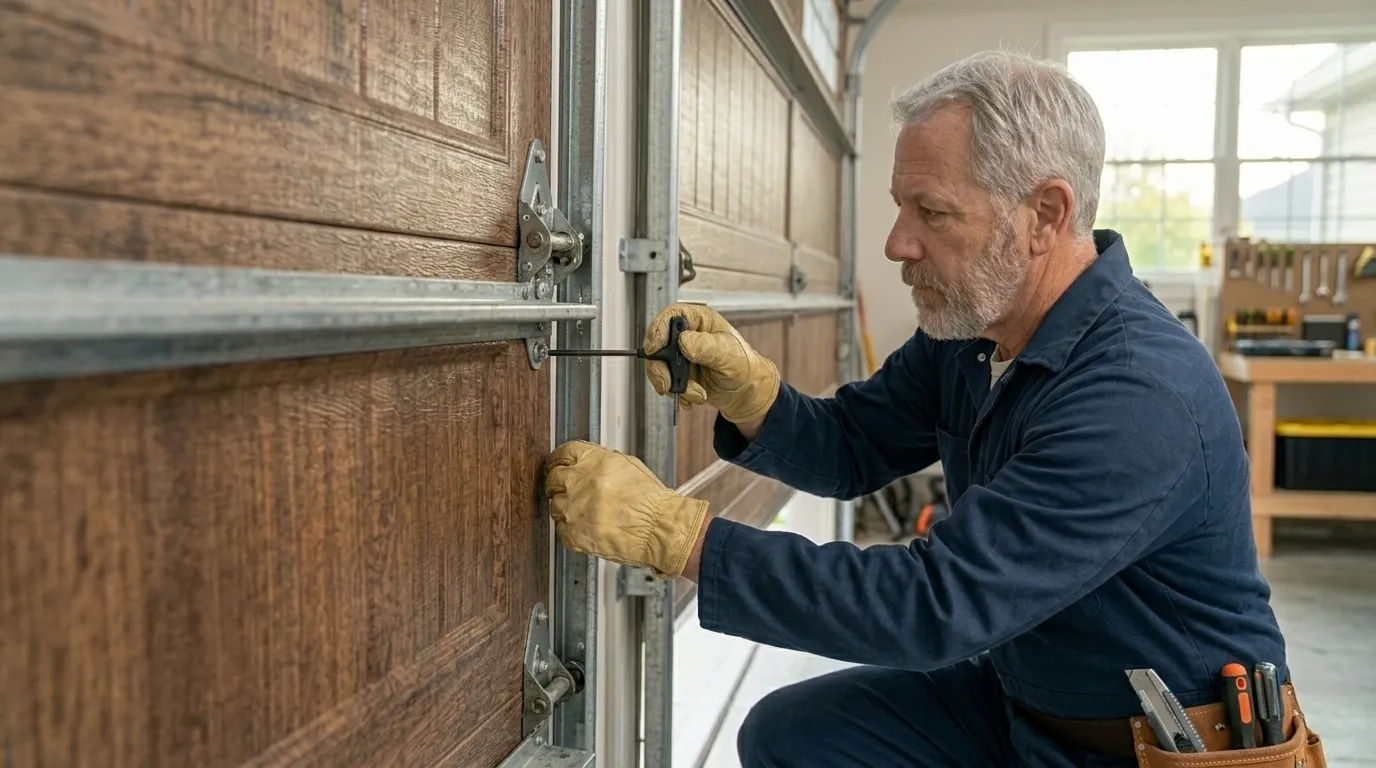
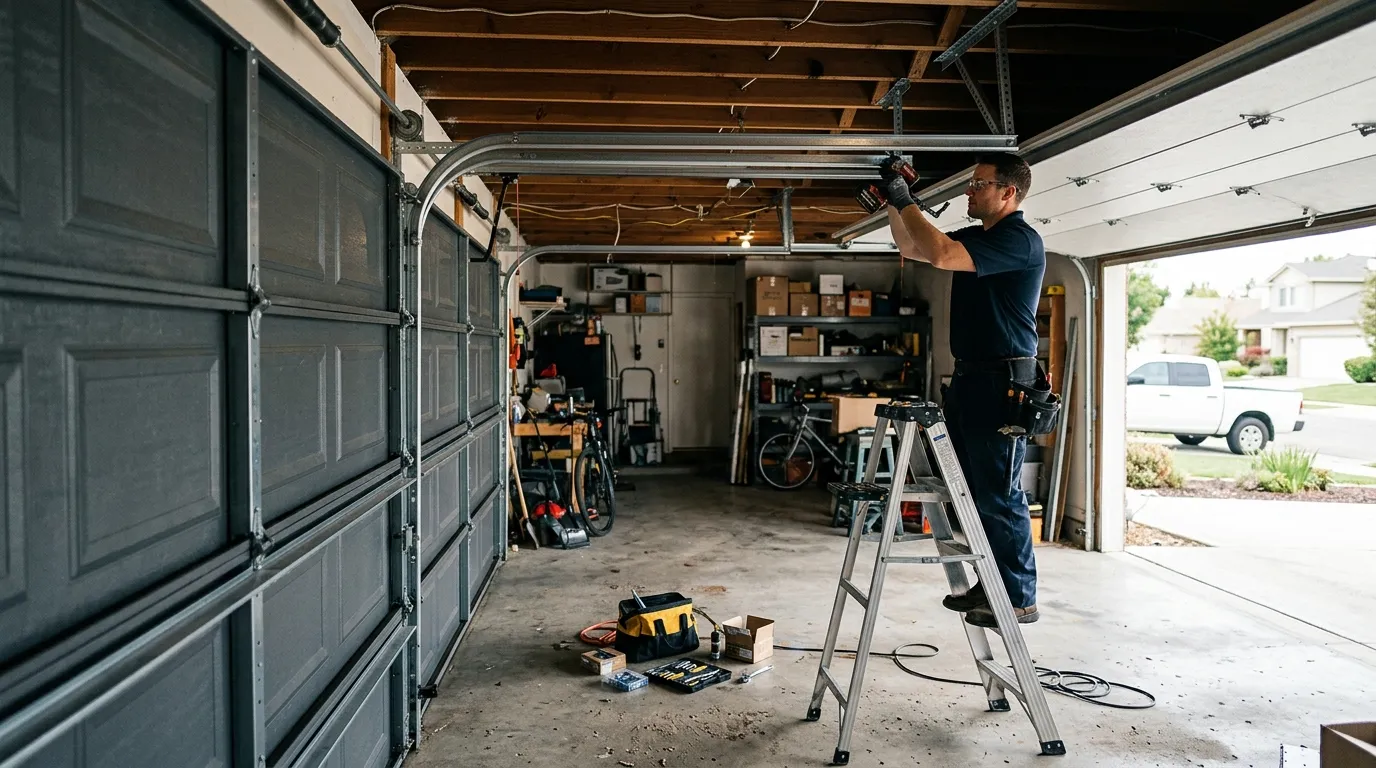
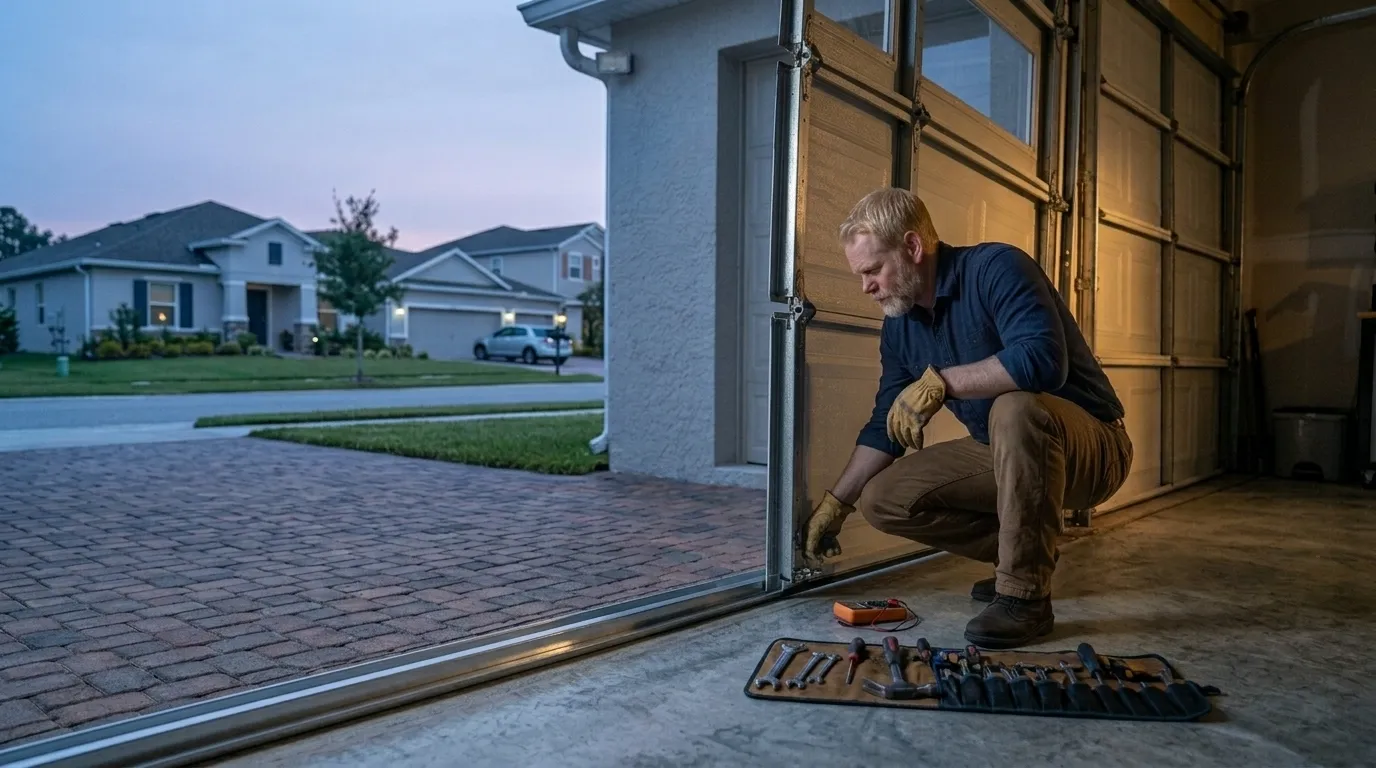
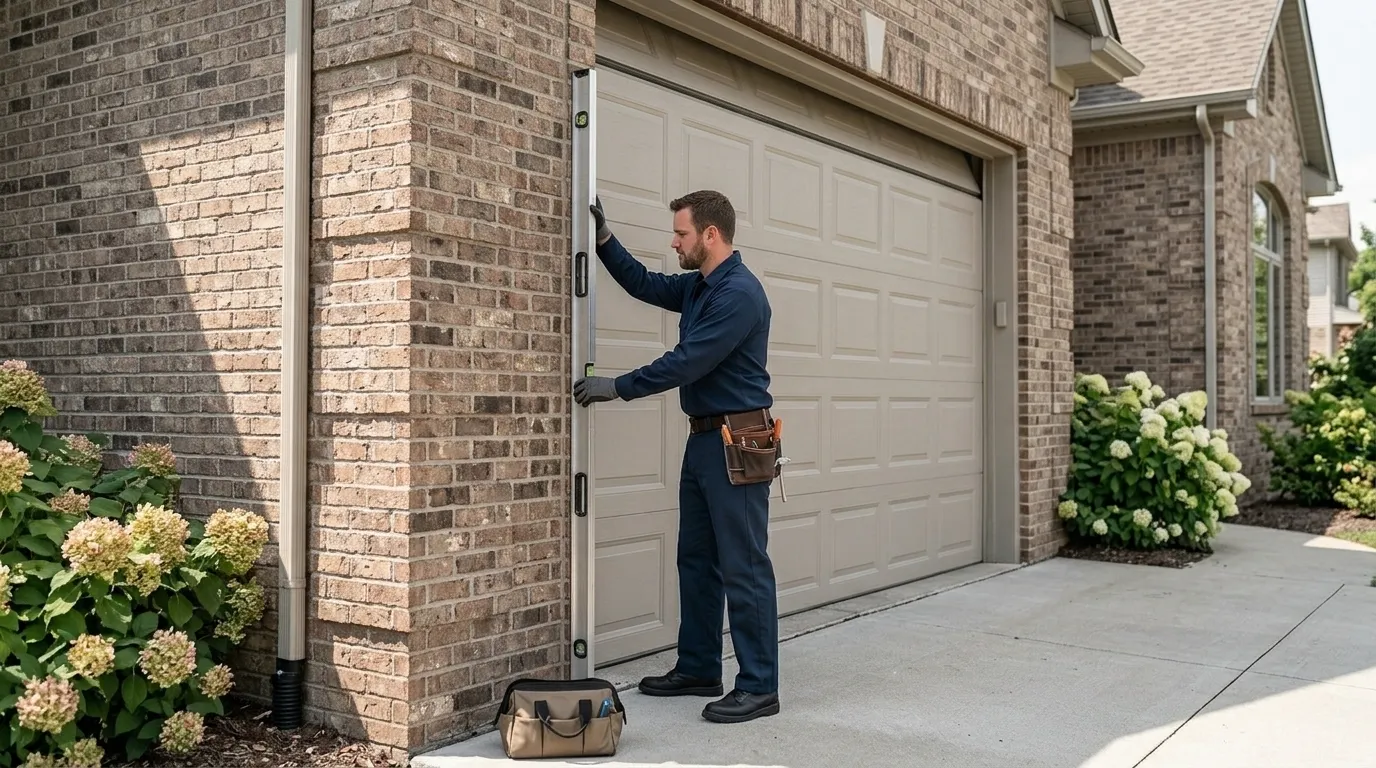
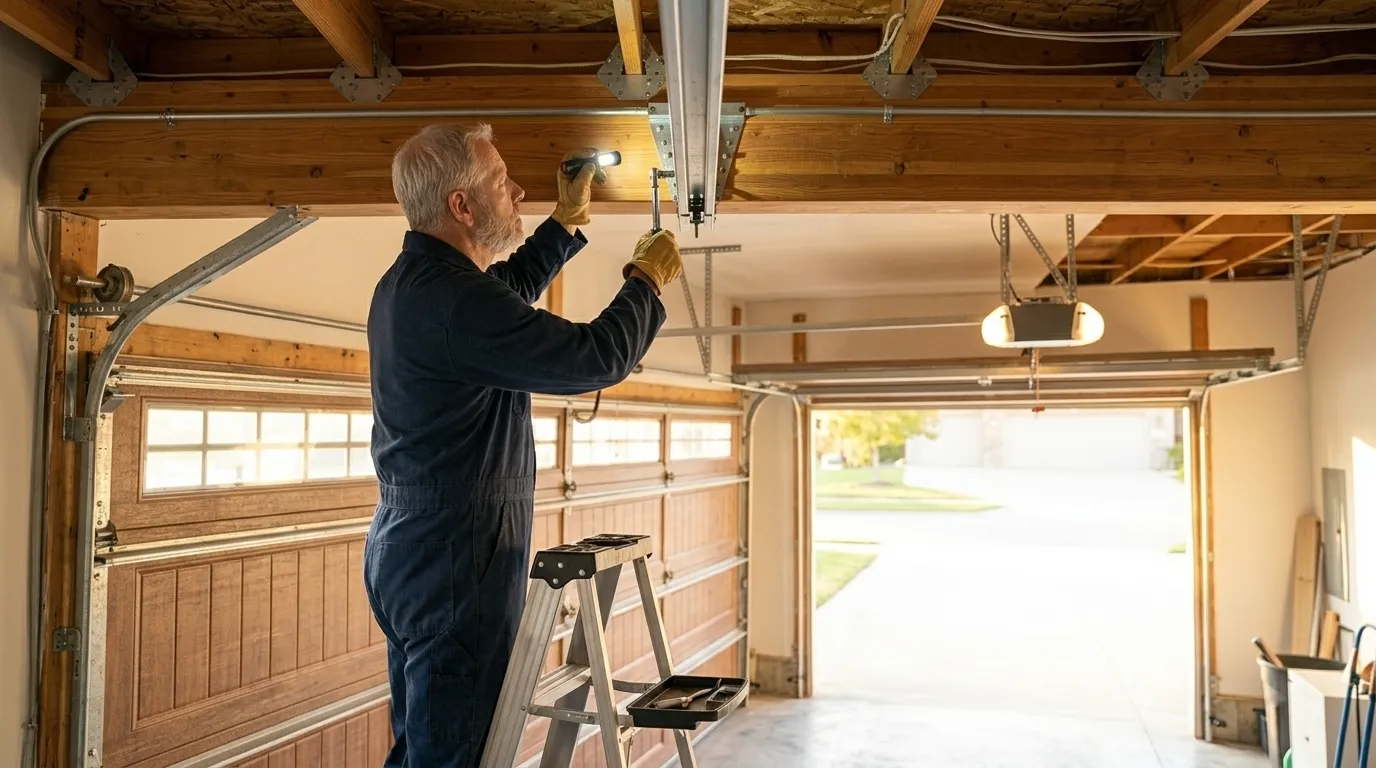
On the newer doors common in Carver, the diagnostic starts at the opener head, not the spring. We check the logic board for fault codes, test the photo-eye sensors for alignment and obstruction, and confirm the wall control and any remote are actually communicating with the unit. If the door reverses, sticks, or won't respond at all, this is almost always where the answer is.
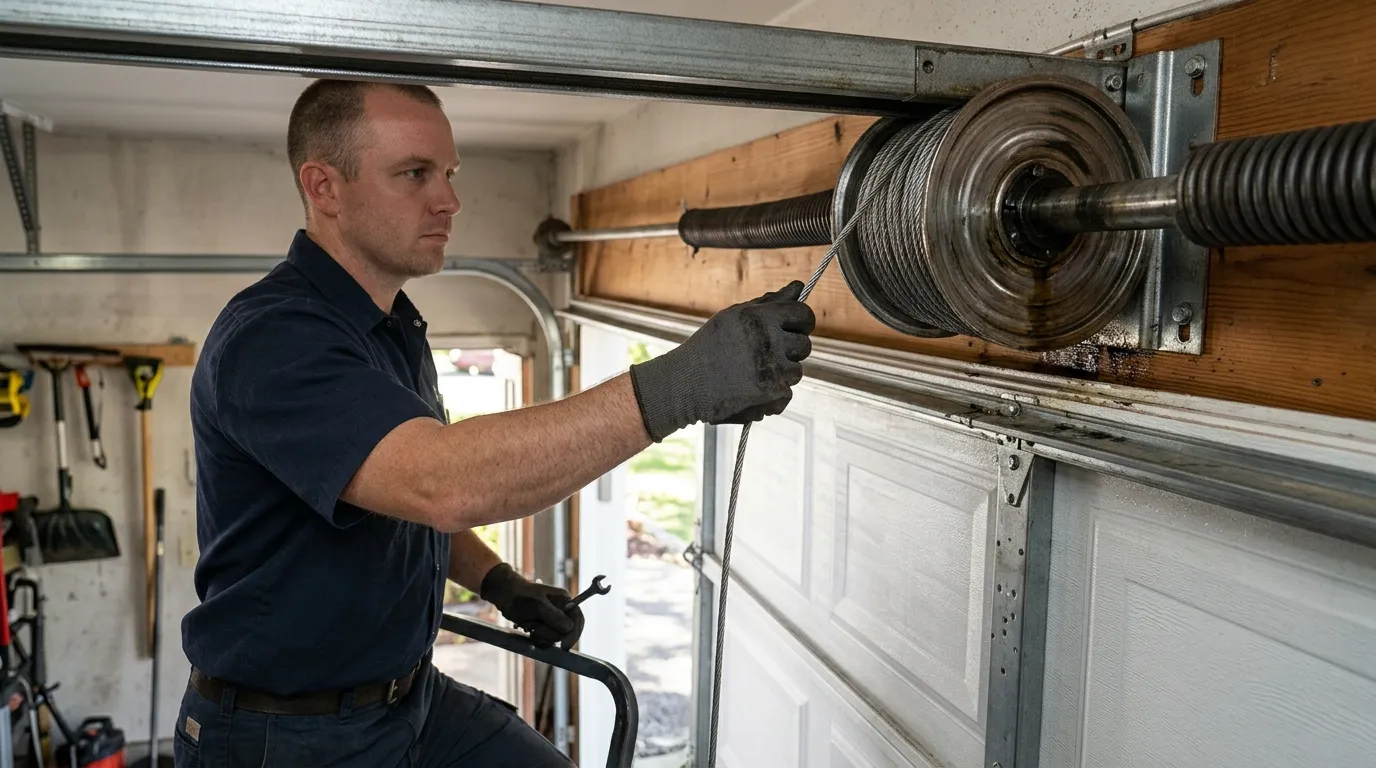
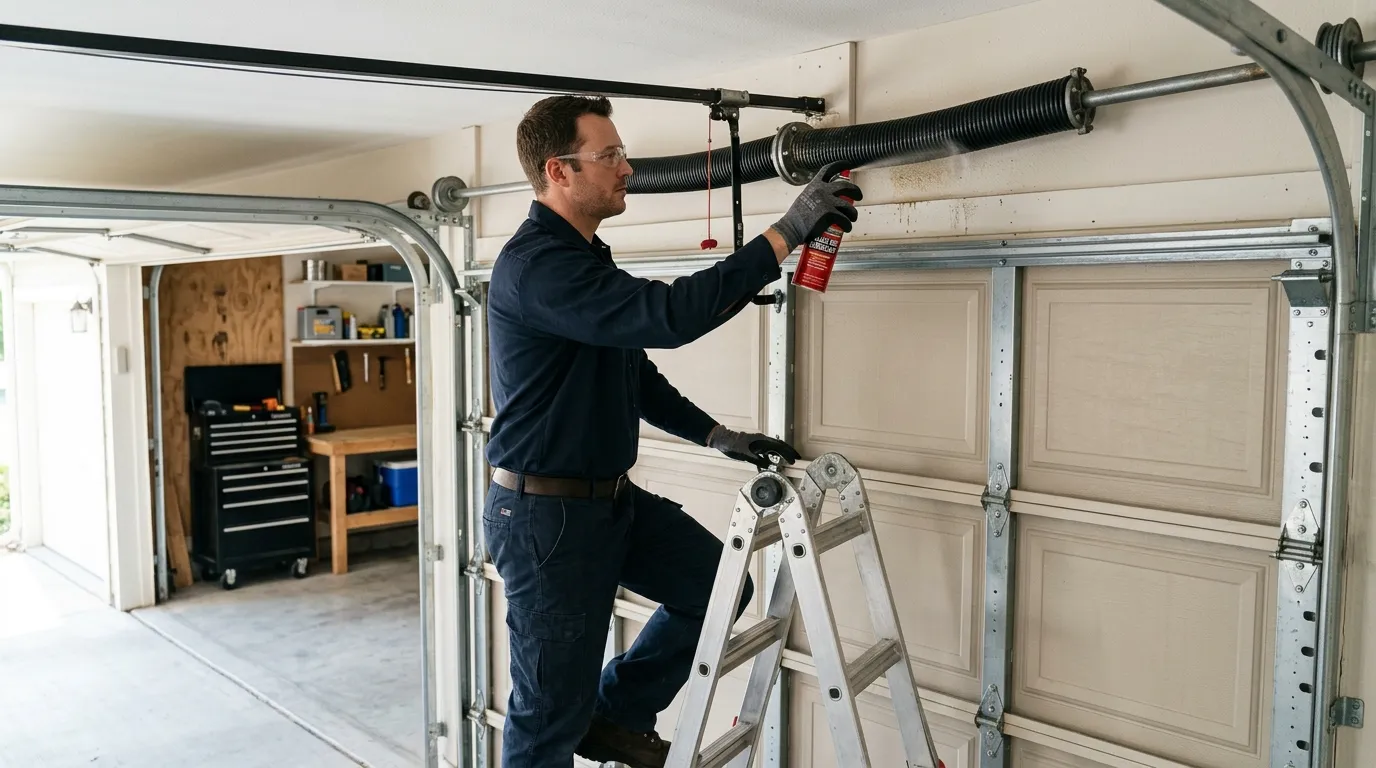
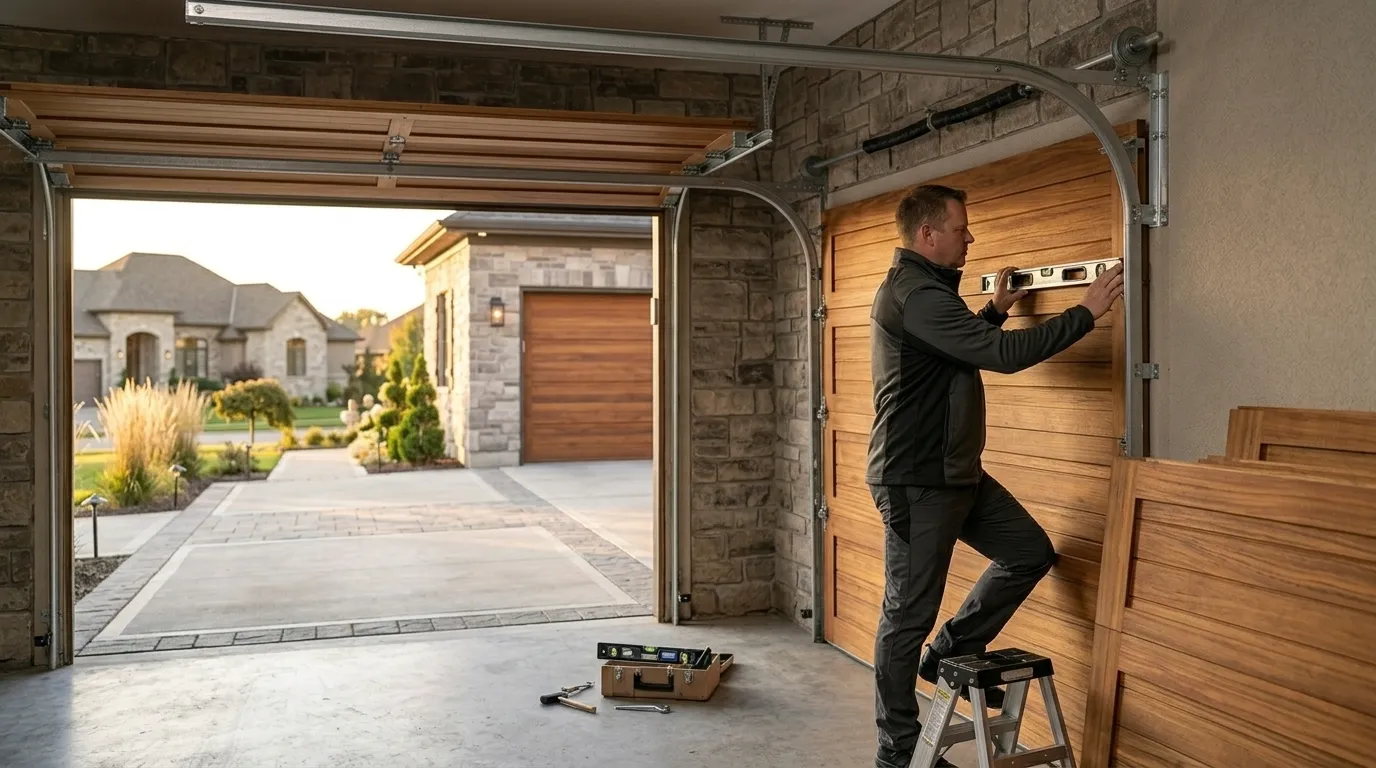
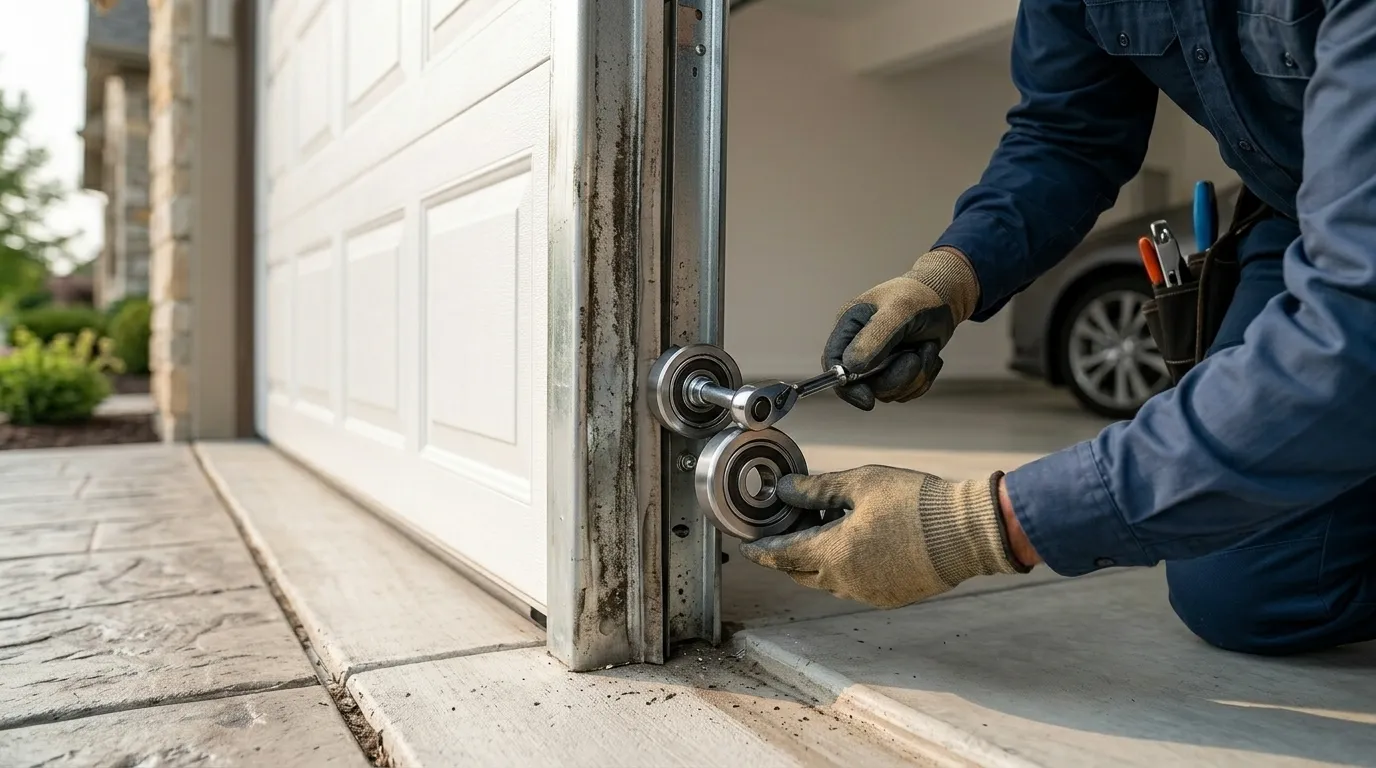
We still check the mechanical side - torsion spring tension, cable wear, roller condition, track alignment - because a 2004-era door has had two decades of cycles even if it's
How to Book
placeholder
How it works
From “it’s stuck” to “it’s fixed”
01
Tell us what’s wrong
Describe the symptom - won’t open, loud bang, opener runs but the door won’t move.
02
On-site diagnosis
A technician tests the door under power and by hand and finds what actually failed.
03
Clear, up-front plan
You get the fix that’s needed and what drives the cost - before any work starts.
04
Repaired & tested
The repair is done, the door is set true and tested, and the work area left clean.
Serving Chaska, MN - tell us what your door’s doing and we’ll take it from there.