What It Costs
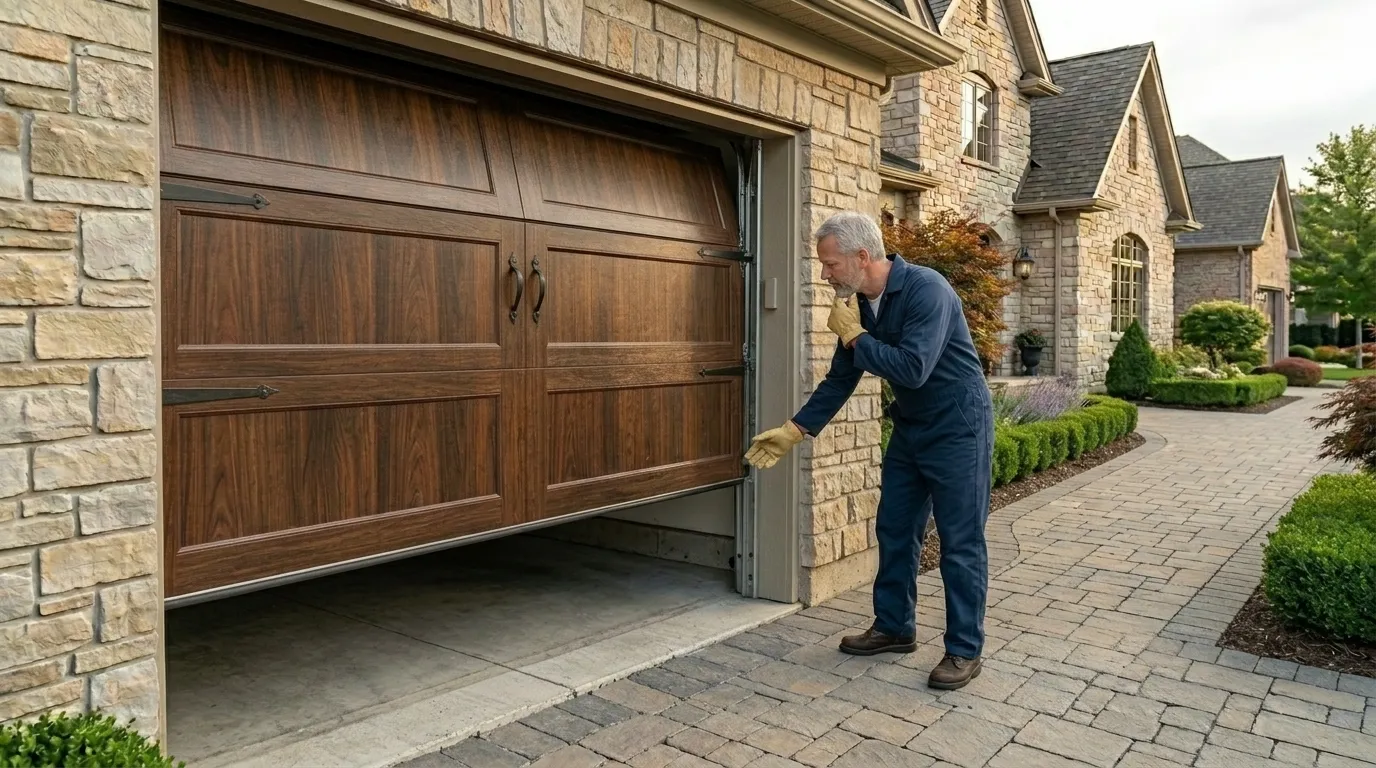
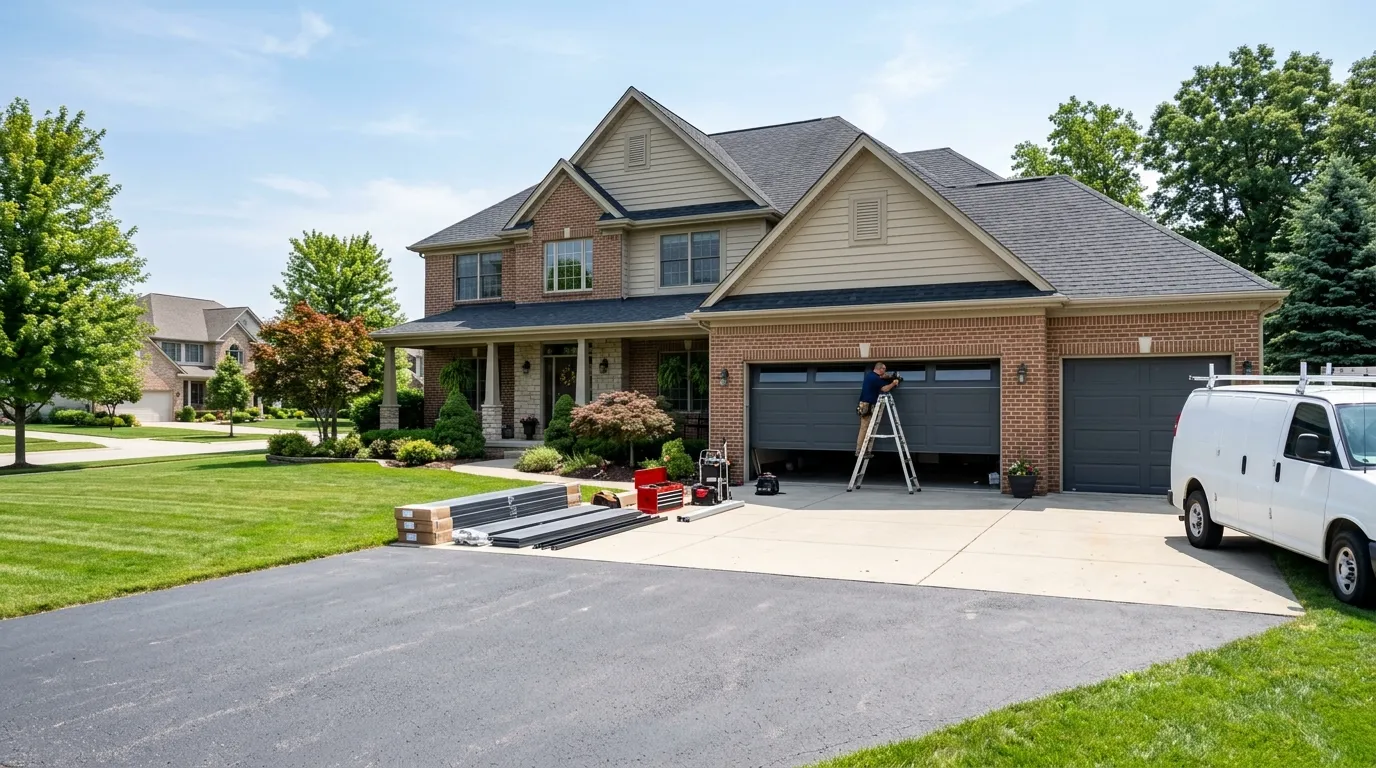
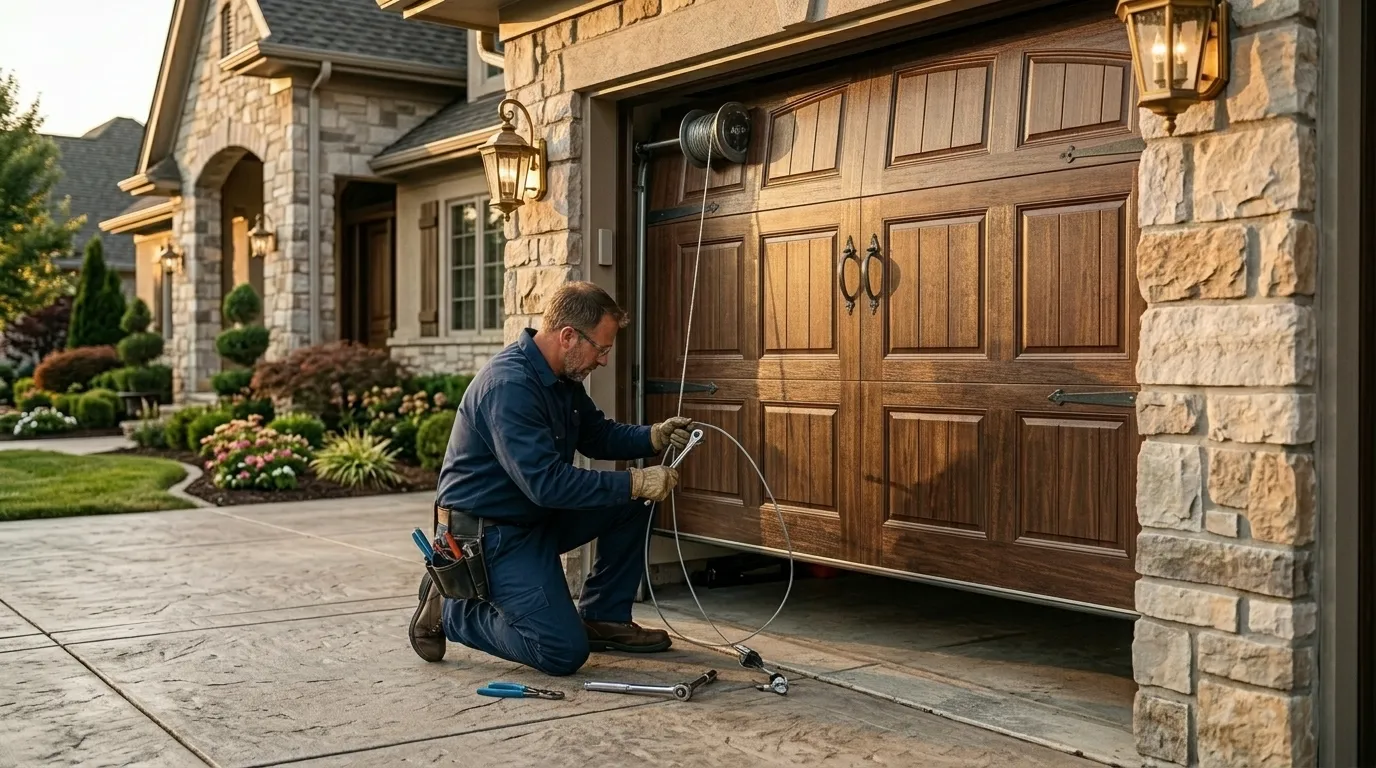
We don't have a fixed number to hand you here, and giving you one without seeing the door would be a guess dressed up as a quote. What drives the cost on an off-track call is almost always whether the track itself got bent when the door jumped, or whether the track is still straight and it's a roller, hinge, or bracket that failed. A straight track with a cracked roller is a short repair. A track that bent when the door came off - which happens more than people expect once a roller lets go under a heavier steel door - takes longer and costs more, because you're re-squaring the track section, not just swapping a part.
If you want a real number, the honest way to get one is to call and describe what you're seeing: does the door bind partway up, is there a visible gap between roller and track, did it happen suddenly or has it been getting worse. That's enough for us to tell you roughly what you're looking at before anyone drives out.
What the Fix Involves
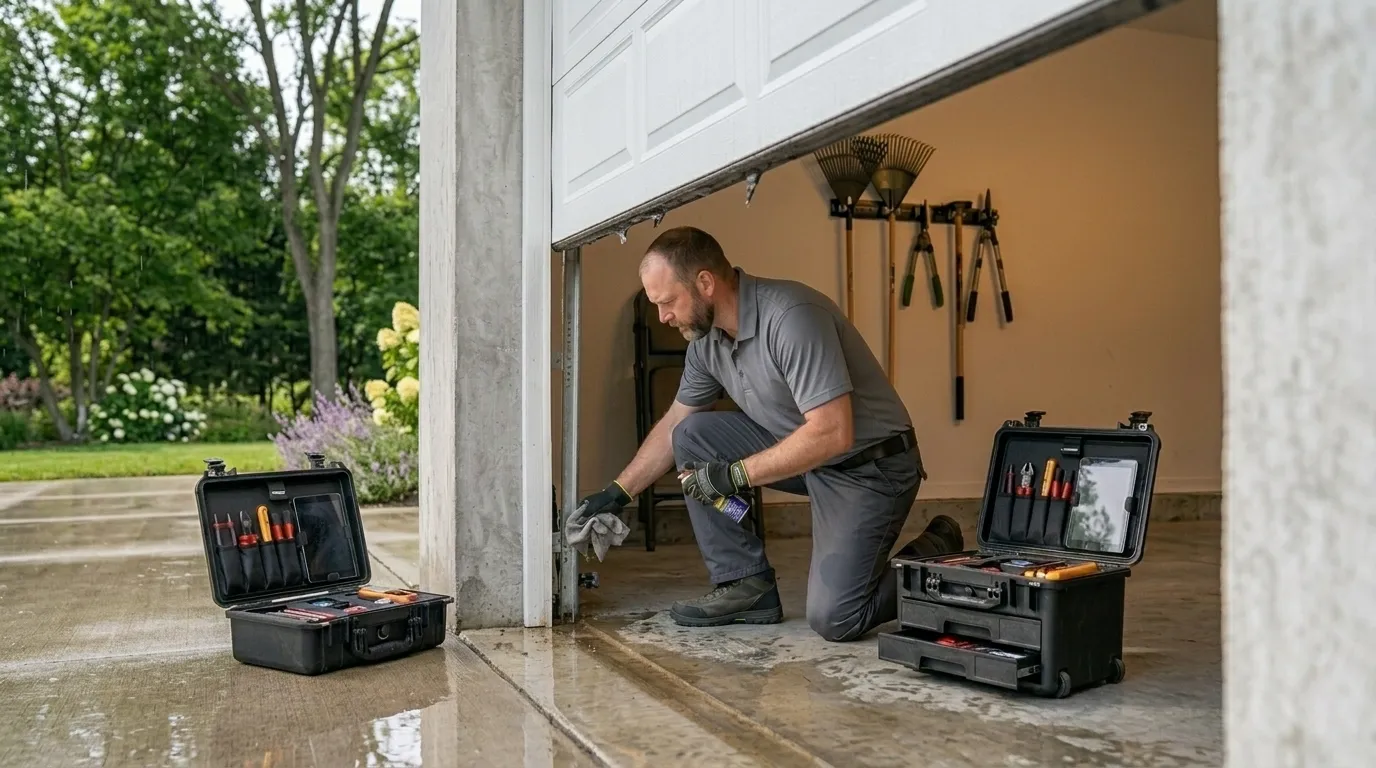
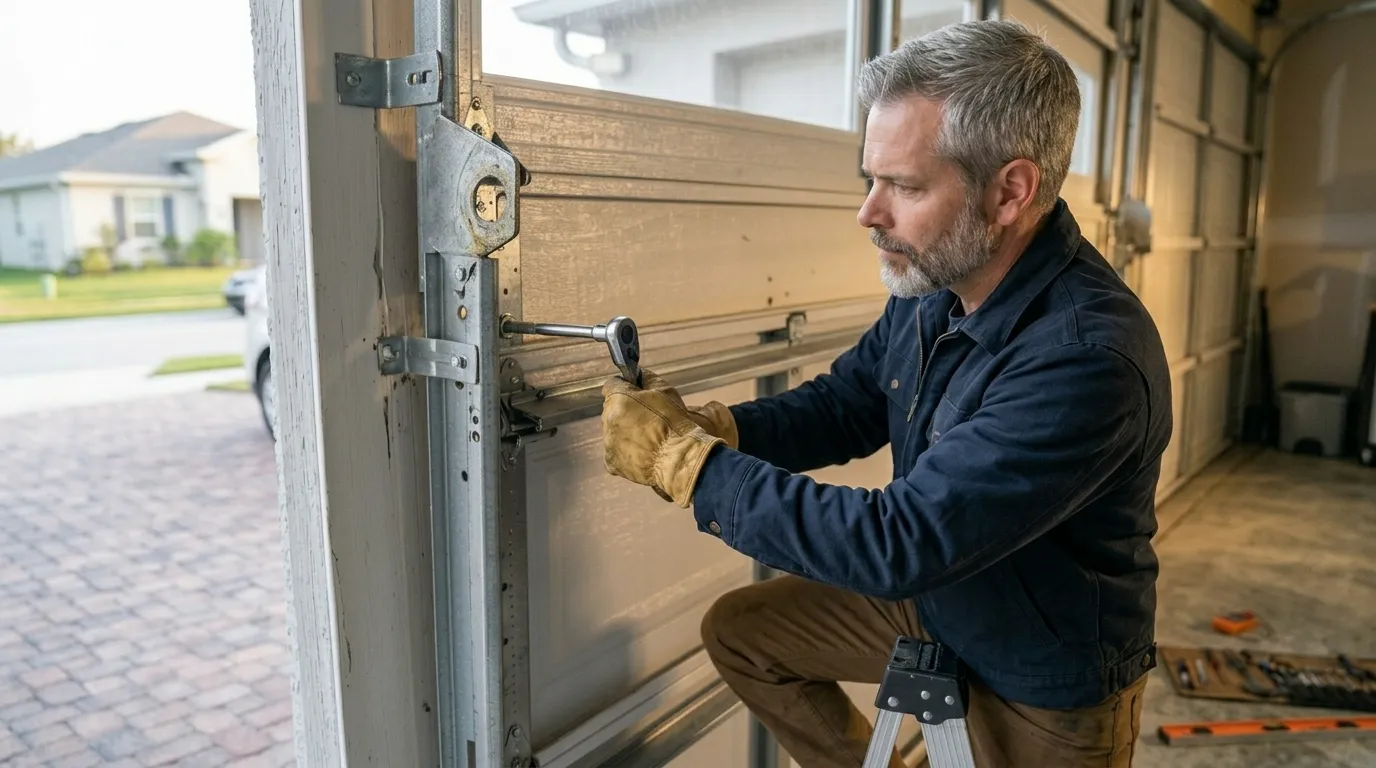
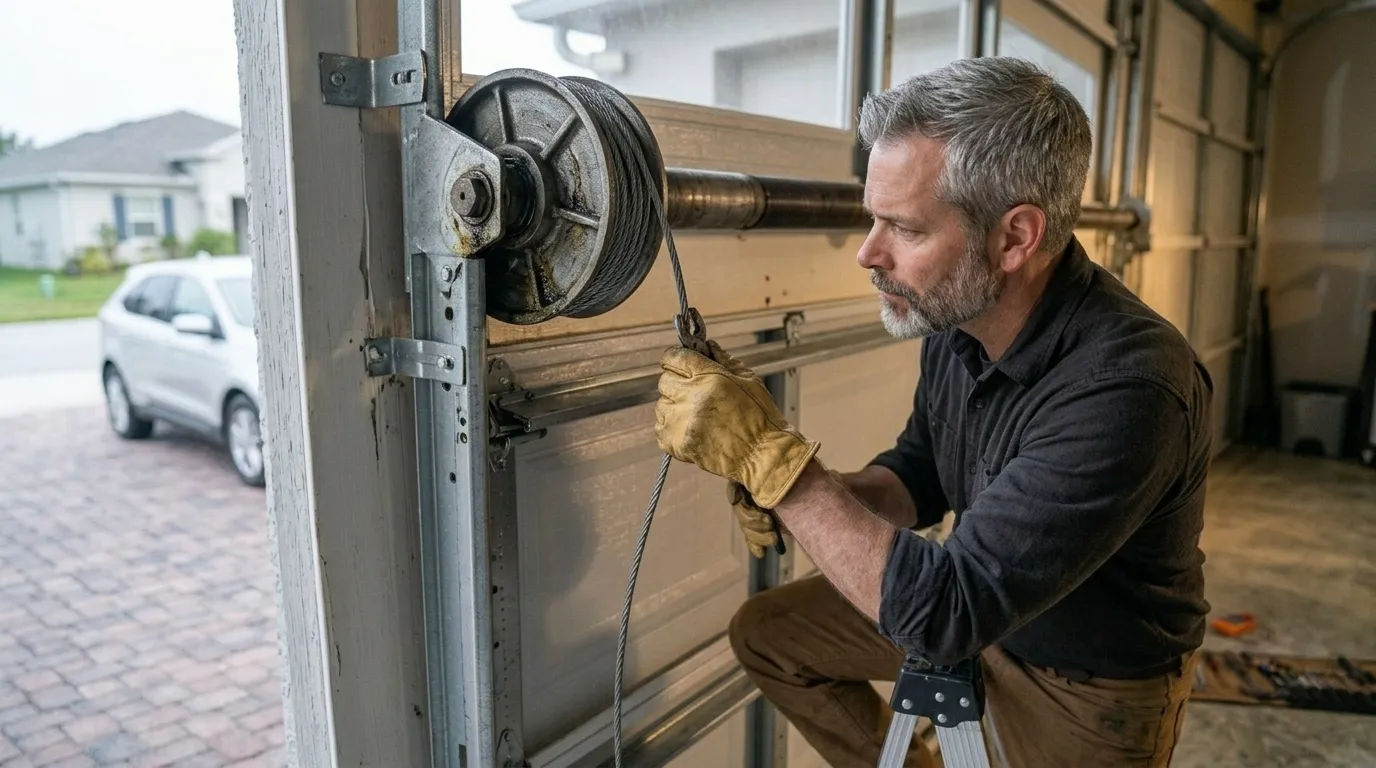
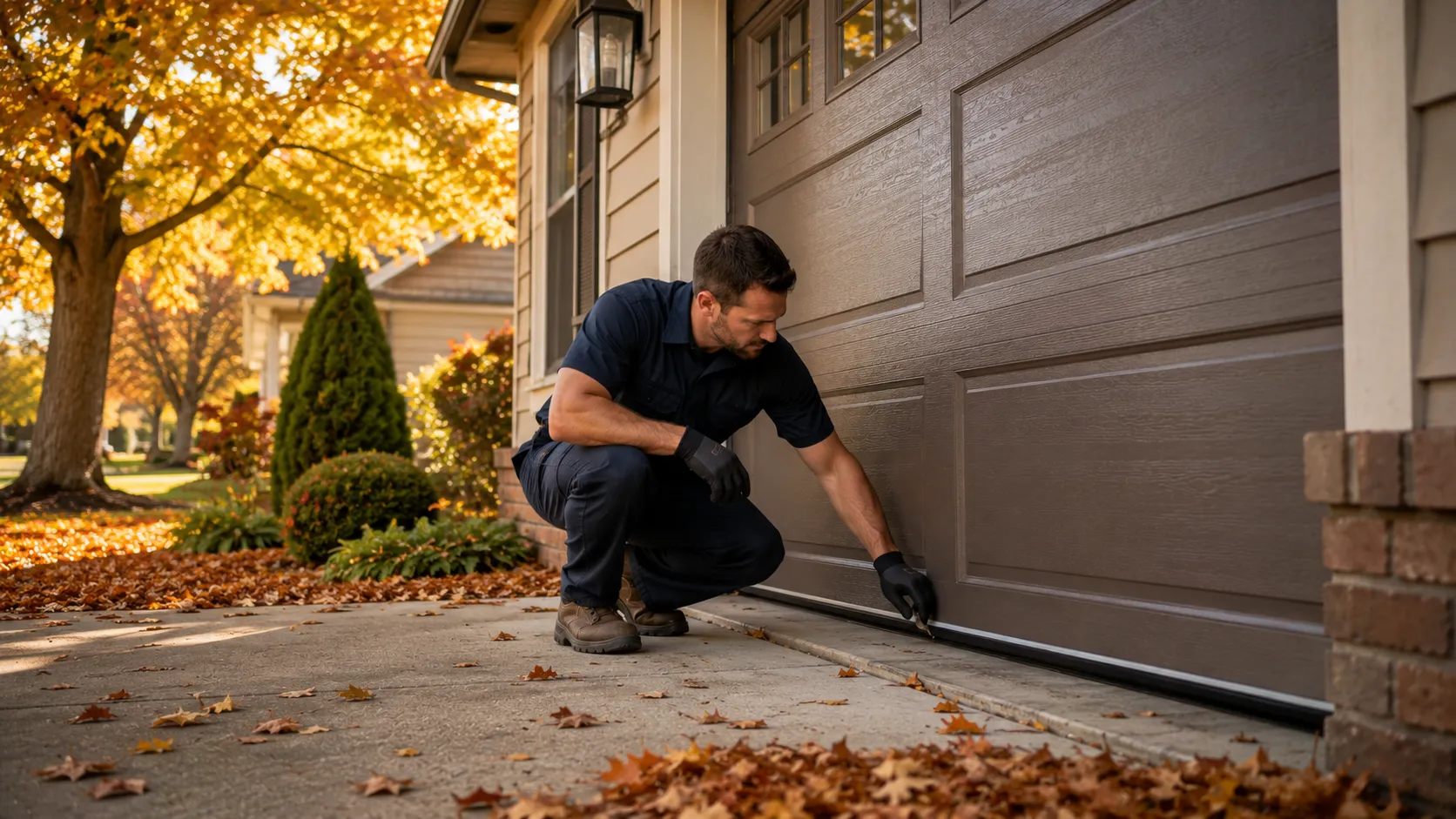
First step is figuring out why the door left the track, not just putting it back on. We check the rollers for cracks or flat spots, look at every hinge for hairline breaks, and run a level along both vertical tracks to see if either one has bowed. On the newer builds common in Carver, this usually turns up a single failed part rather than a whole system in decline - a nylon roller past its life, a hinge that snapped under the weight of an insulated steel door, or a bracket that backed out of the framing.
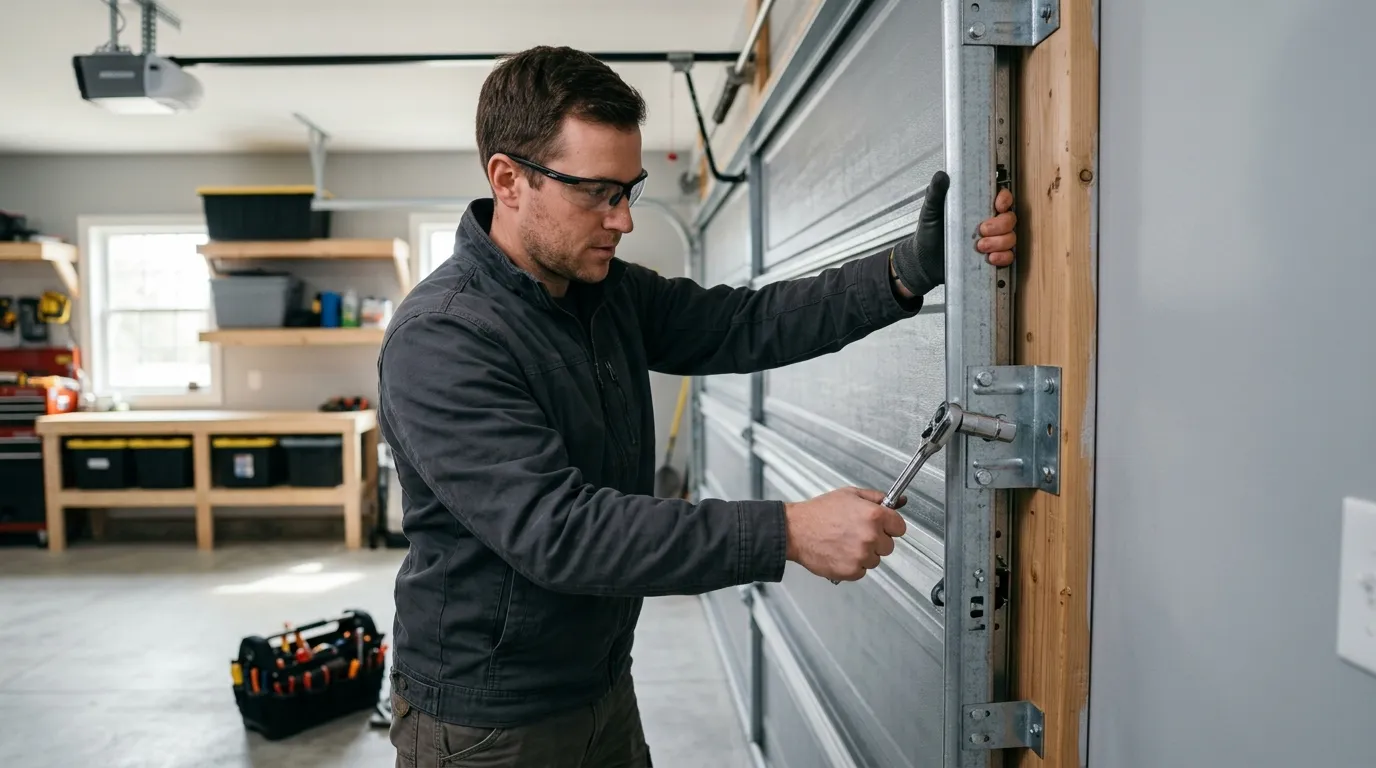
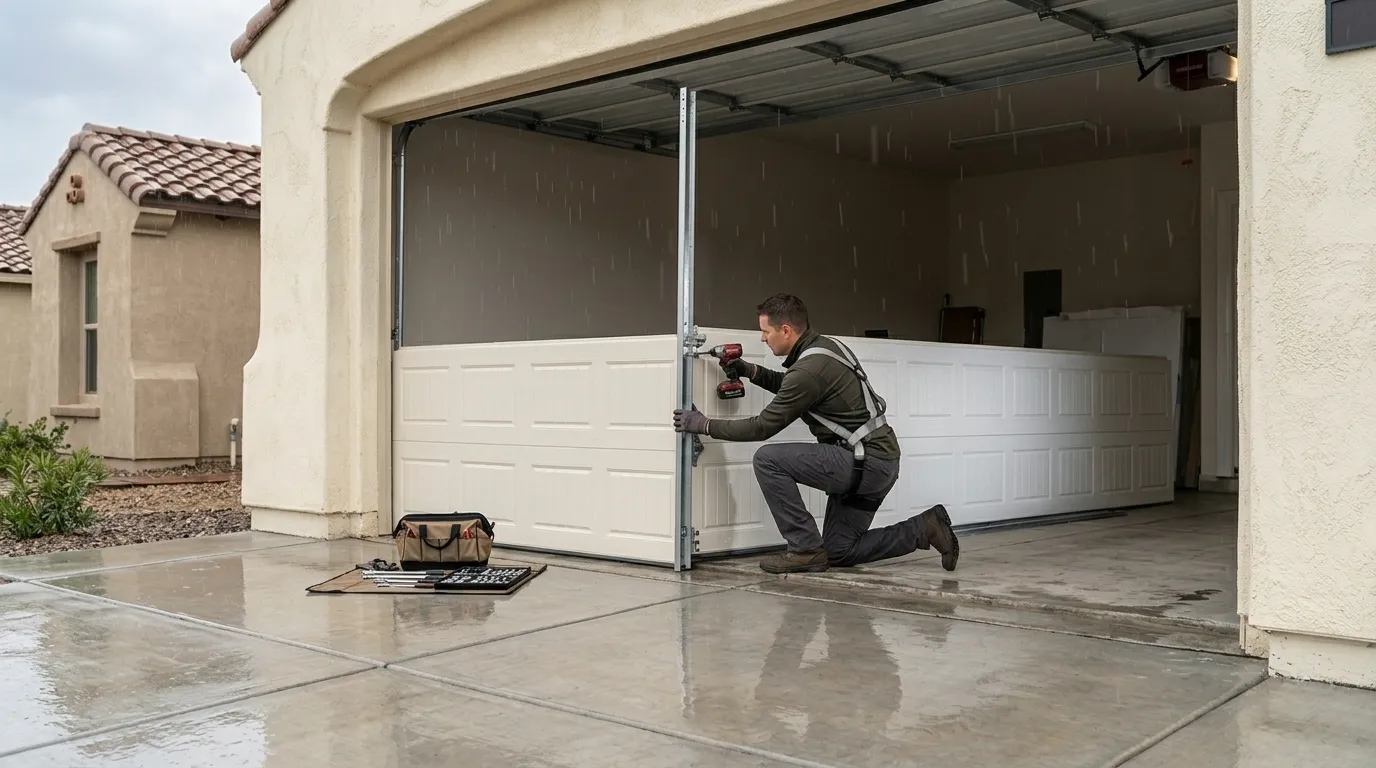
Once we know the cause, we re-seat the door on the track, replace whatever failed, and check the horizontal track angle where it meets the vertical rail, since that's the spot most off-track jobs trace back to. If the track itself is bent, we straighten or replace that section before the door goes back up - running a door on a bent track just sets up the next off-track call. We test the full open-close cycle a few times under power before we call it done, not just once.