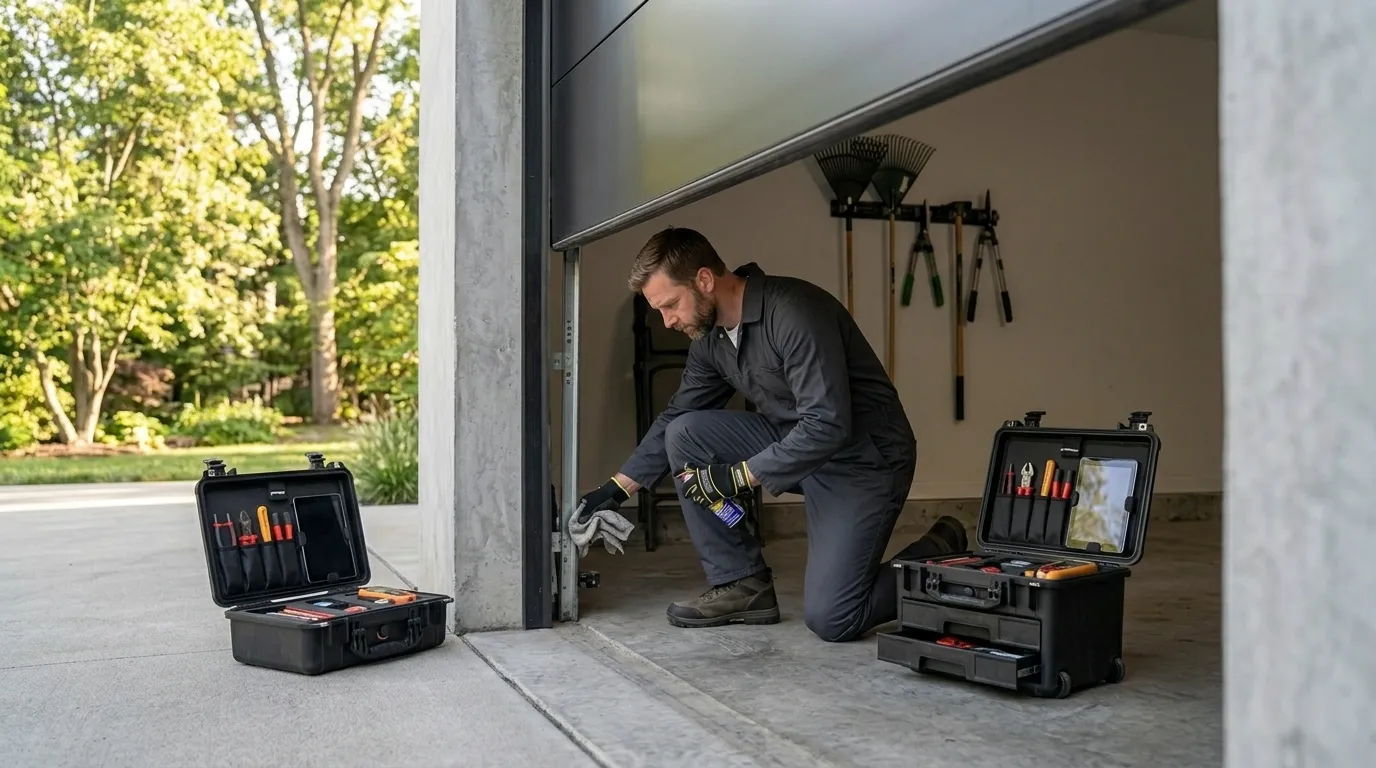
Commercial garage door repair in Mound, MN, 8 miles from Chaska. Mound's 1971-era shops and light-industrial buildings need doors sized for older openings.
We don't post a flat number for commercial doors in Mound, and we won't pretend to. What a job runs depends on the door's actual width and height, the hardware behind it, and whether the opening matches anything a supplier still makes off the shelf. That last part matters more here than in newer parts of the territory. Mound's building stock, like its housing, mostly dates to around 1971 - a good fifteen years ahead of the 1954-2006 spread we see across the rest of the service area, where the median build year lands closer to 1986. A door and track set installed on a 1971 opening was sized to specs nobody uses anymore, so a straight panel swap sometimes isn't straight at all. If the opening is a nonstandard width, we may need to special-order a panel or, in some cases, the whole section - and that adds lead time you should plan for, not get surprised by. We'll tell you upfront if your door falls into that category before we quote anything. For a look at what we handle on the residential side of town, see our Mound garage door repair page; for the full rundown of commercial services out of our shop, see commercial garage door service in Chaska.
How It Shows Up
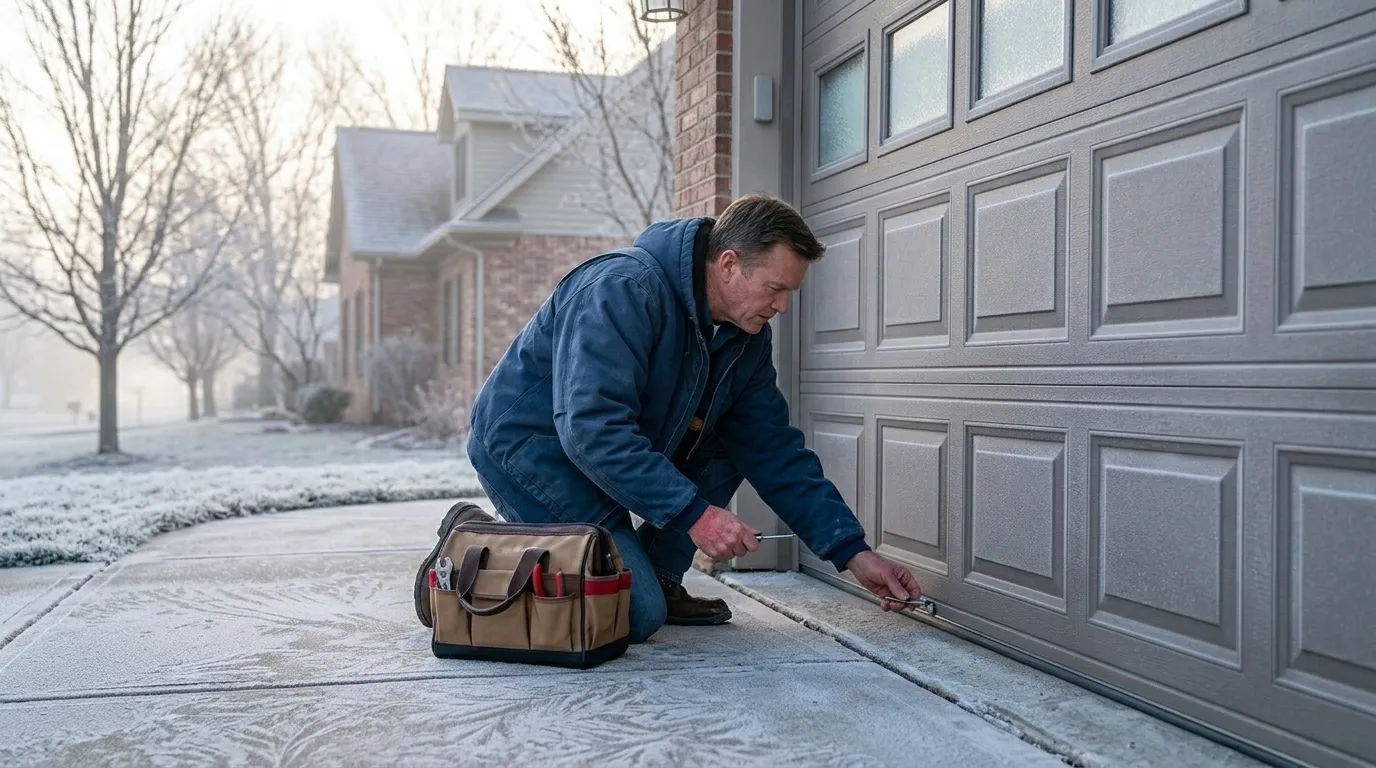
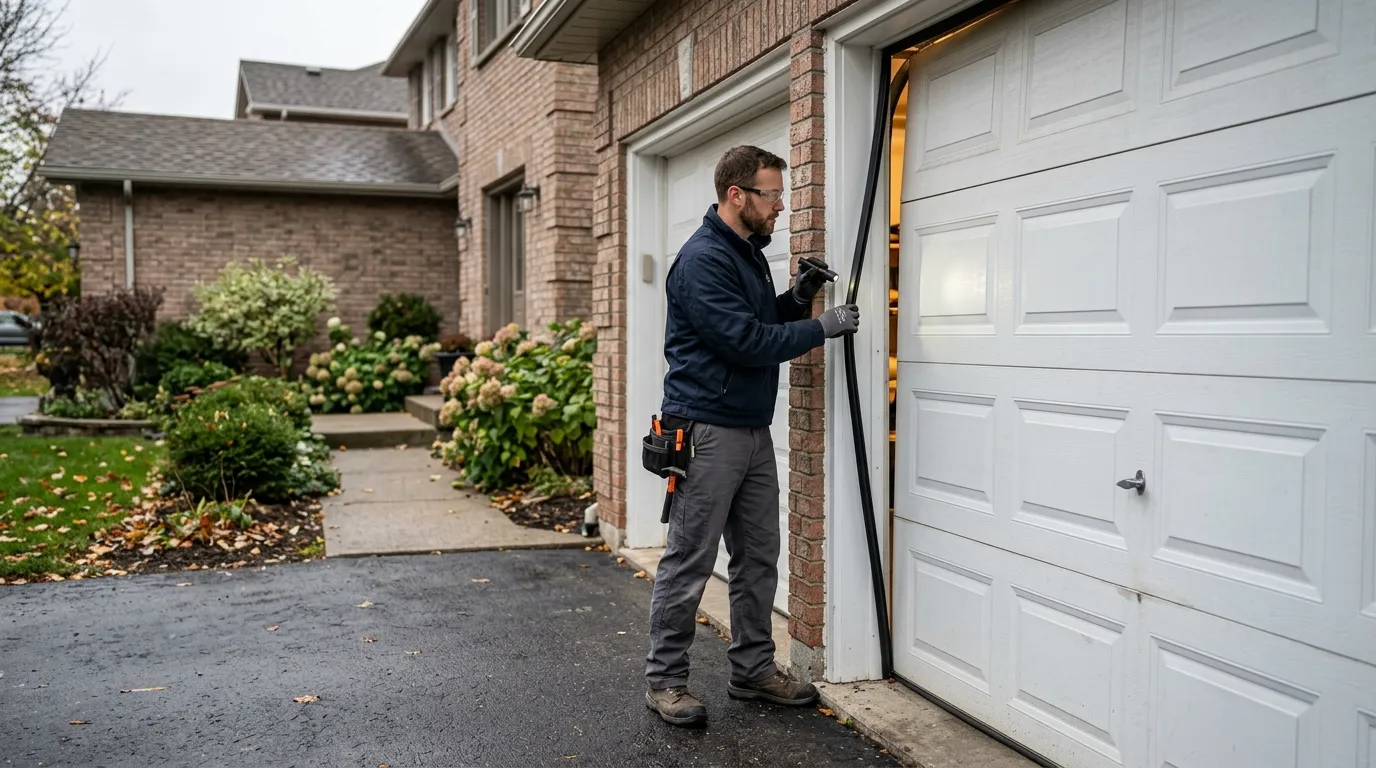
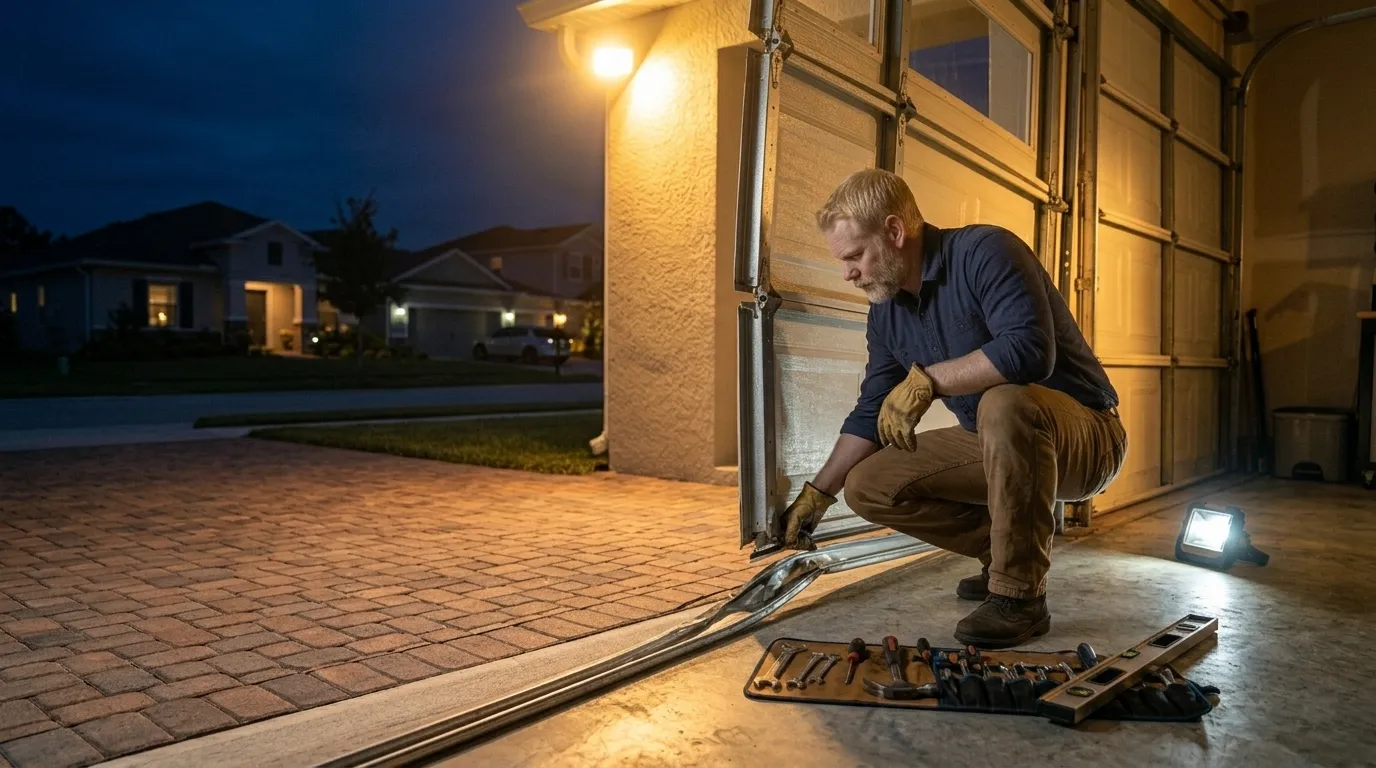
On a building that's stood since roughly 1971, the failures we get called out for in Mound tend to be mechanical fatigue, not cosmetic wear. Extension springs - common on doors from that era, before torsion setups became standard - stretch out and snap without much warning, usually taking a cable guide or bracket with them. Tracks that have flexed under decades of temperature swings rack out of plumb, so the door binds on one side and the opener strains to force it through. Steel panels from that generation ran thinner than what's made today, and Mound sits inside the same severe cold band as the rest of the territory, so a panel that's already dented or bowed tends to crack along the seam once it gets cold enough to make the metal brittle. Openers on these older doors often fight a losing battle: the motor is newer than the door, straining against hardware it was never sized for. None of this is dramatic until the morning the door won't move at all and a delivery truck is waiting outside. That's usually the call we get.
What Causes It Around Here
Two things stack on top of each other in Mound. First is the building age - a 1971 median means most commercial and light-industrial structures here were fitted with doors and hardware built to standards from that decade, well ahead of the 1986 median across the wider service area. Second is the cold. This whole territory sits in a severe cold climate band, and older, thinner steel doors and worn-out extension spring setups handle that stress worse than newer insulated stock. Mound's median household income, at $91,370, runs noticeably below the $116,500 median across the rest of the service area, and with a smaller base - 4,429 households against the roughly 61,559 owner-occupied houses spread across the wider territory - there's less turnover pressure pushing owners toward early replacement. Doors here tend to get repaired past the point where a newer building's owner would just swap it out. That's not a knock on anyone's judgment; it's just what happens when a building's hardware outlives the standard it was built to. It means when a failure does happen, it's often the last straw on a part that's been limping for years, not a fresh problem.
What the Fix Involves
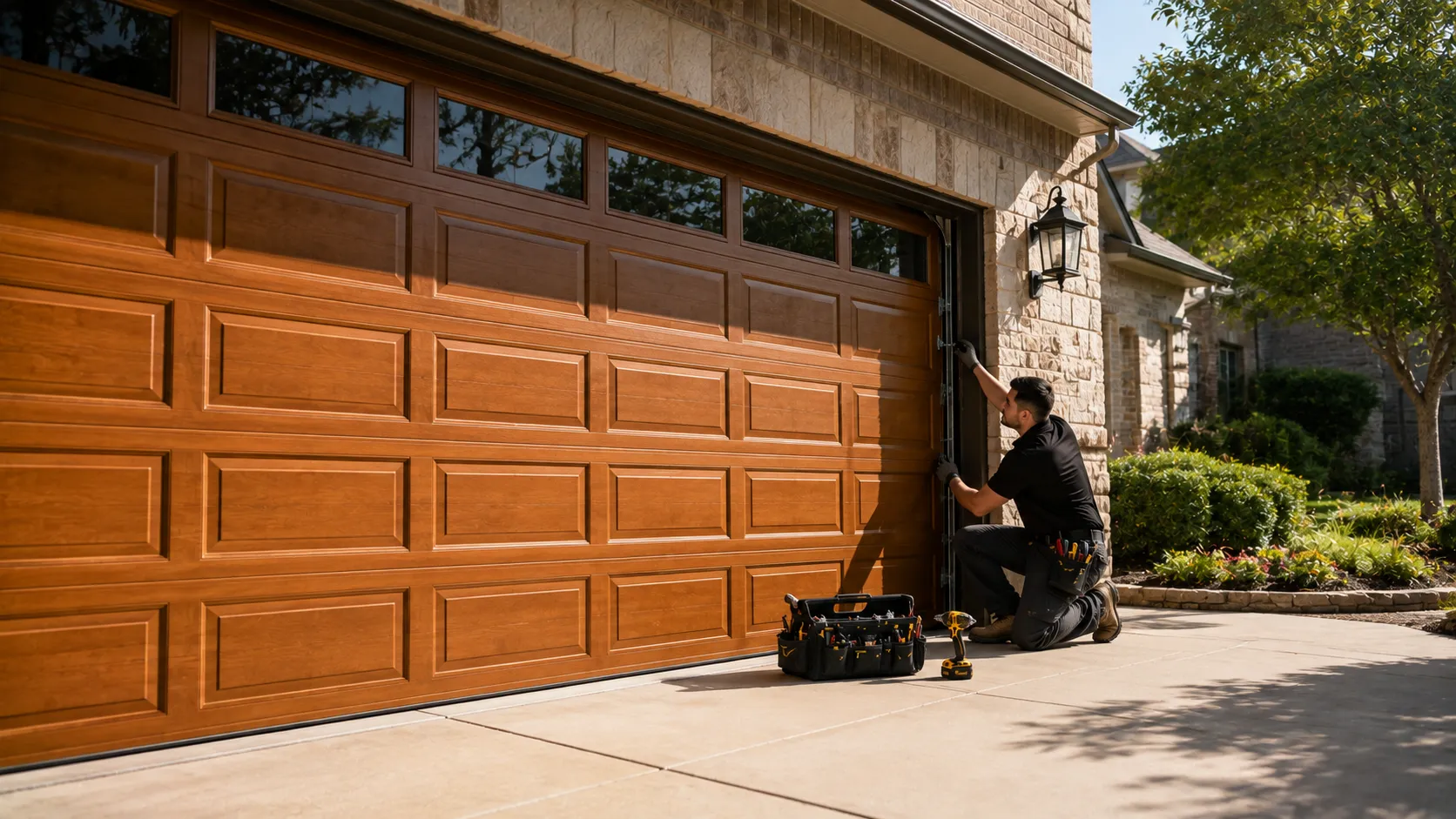
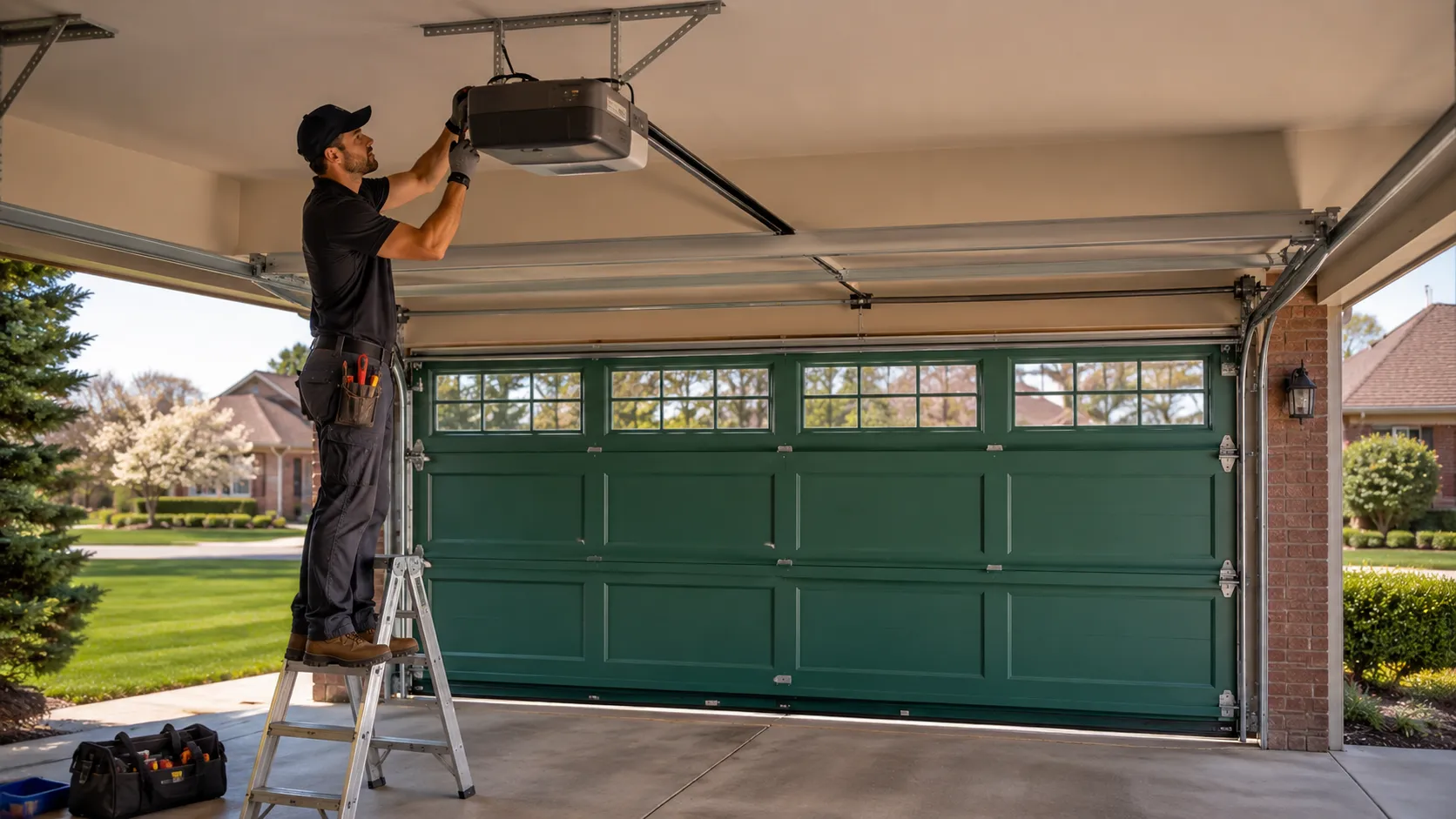
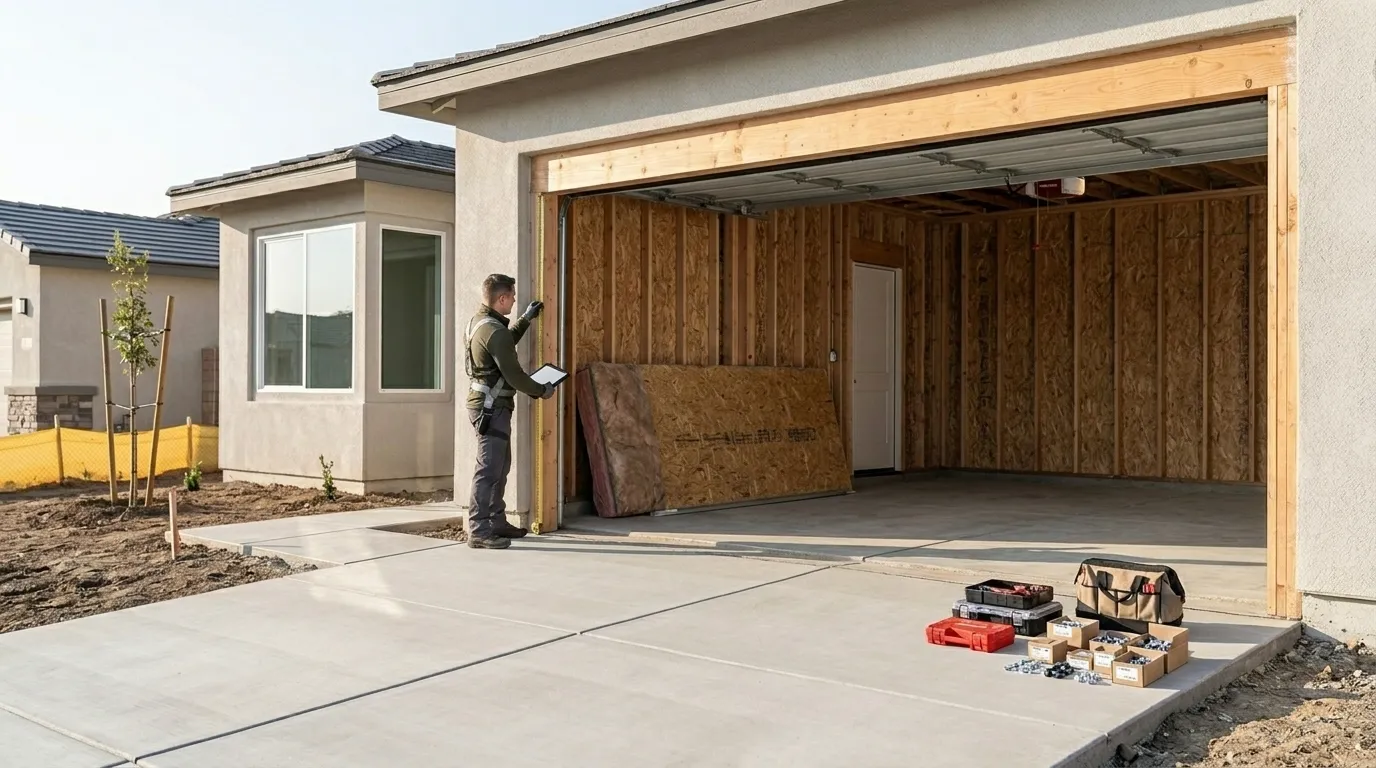
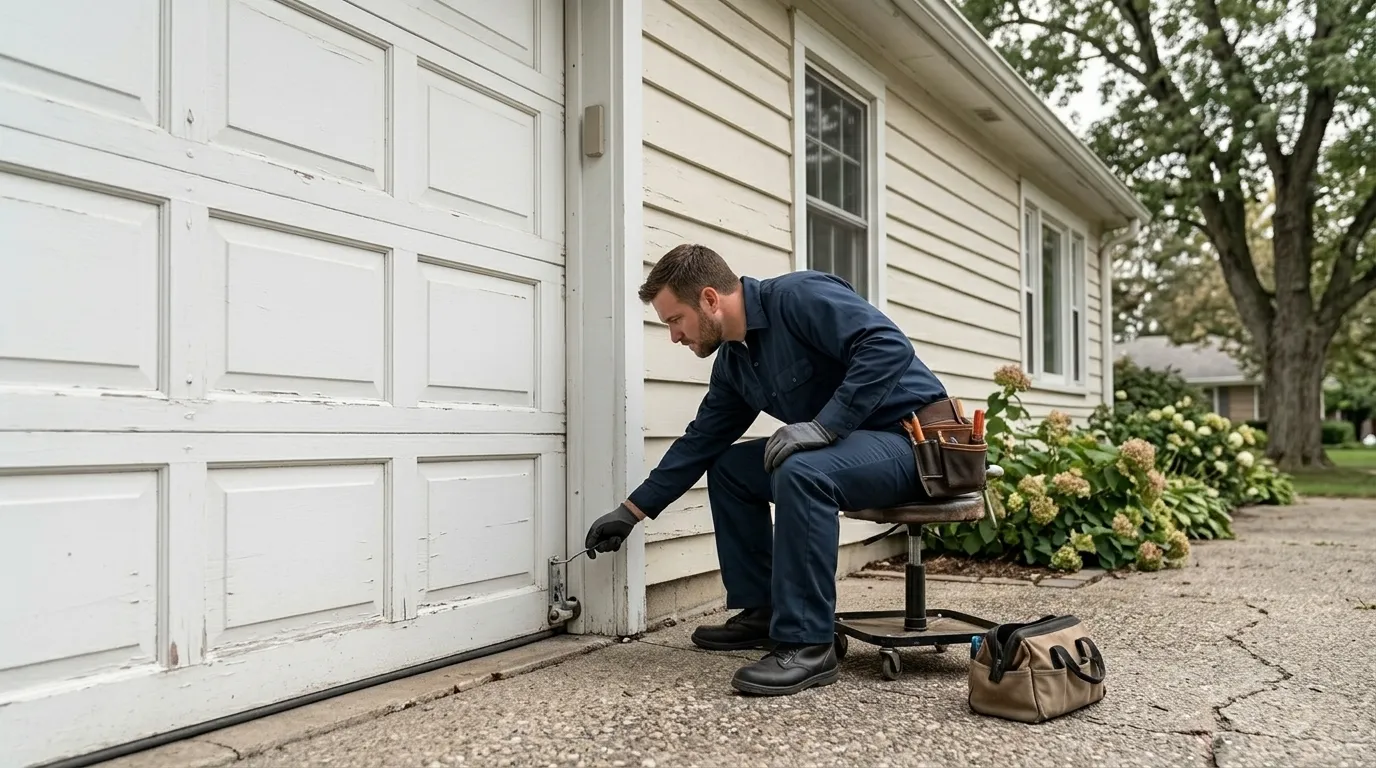
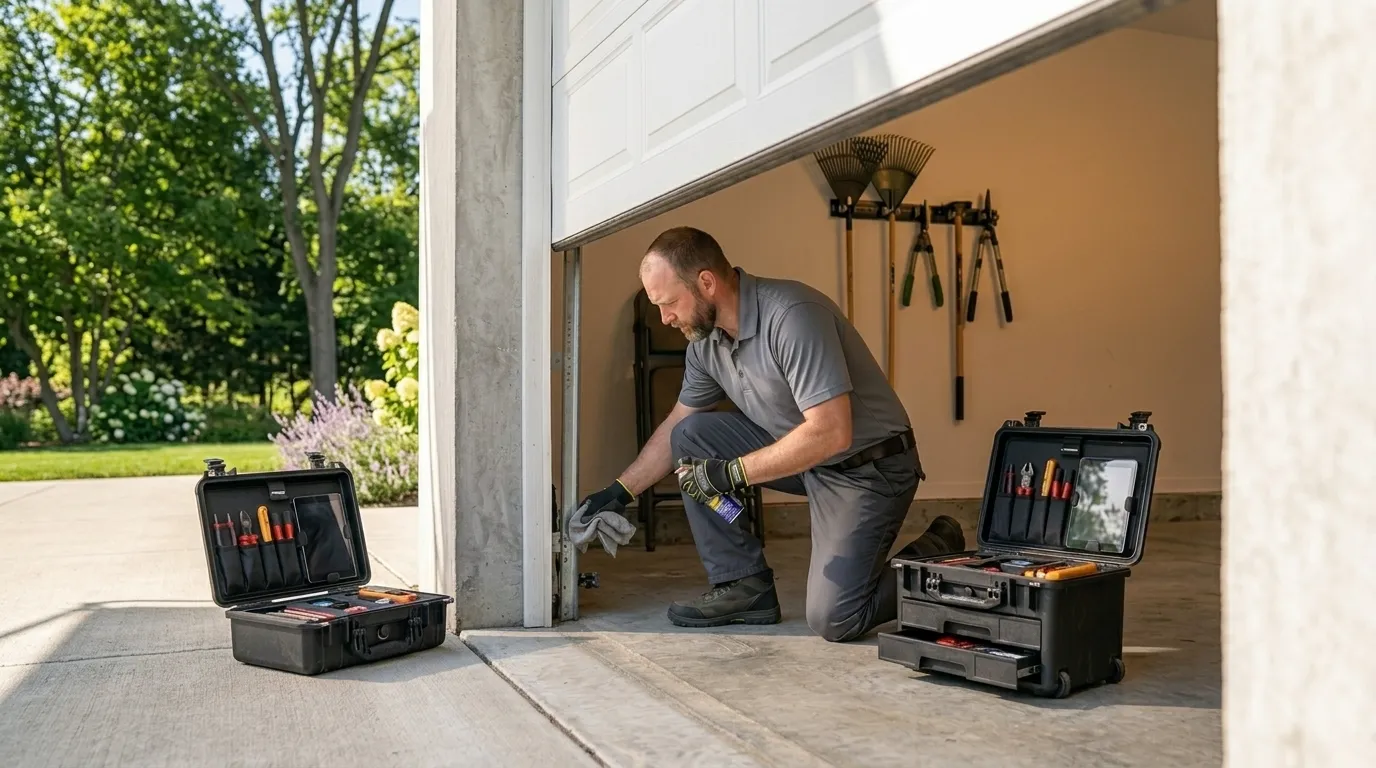
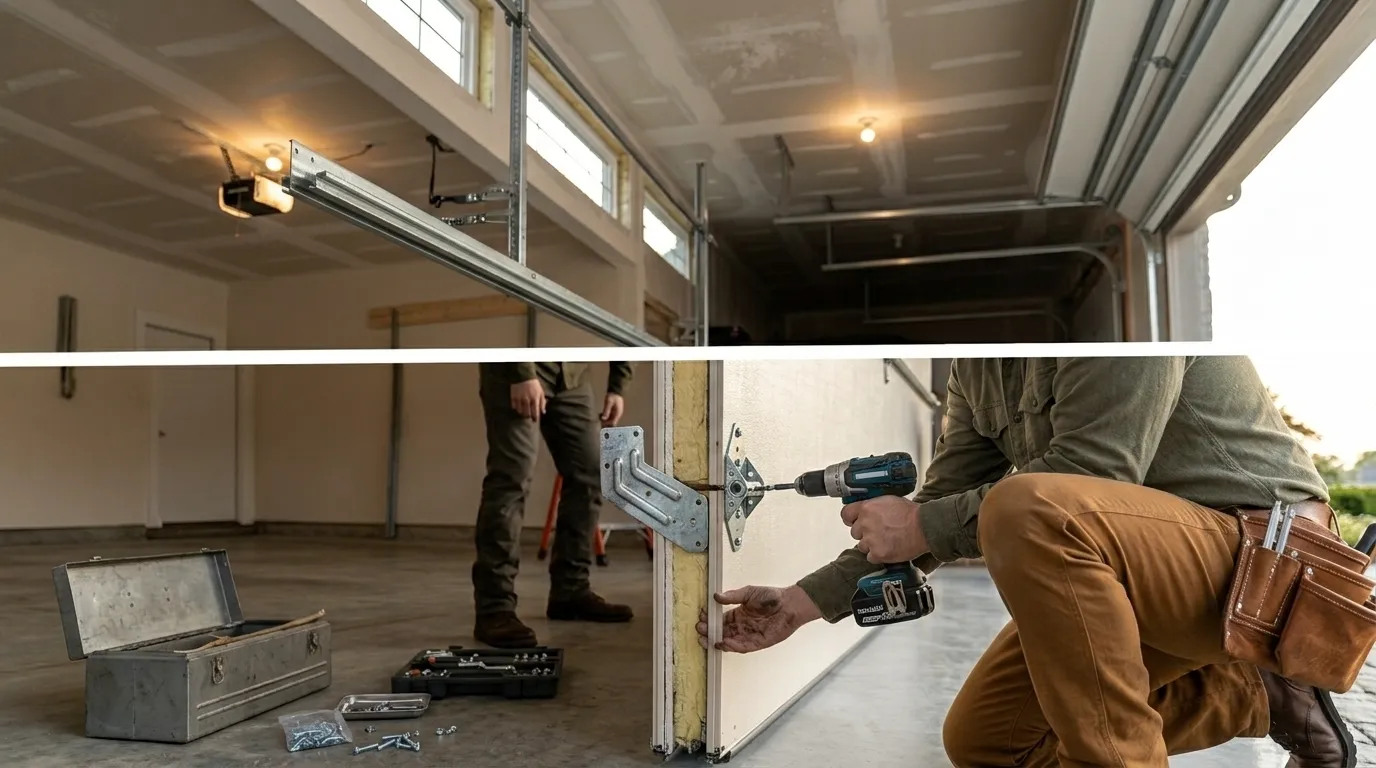
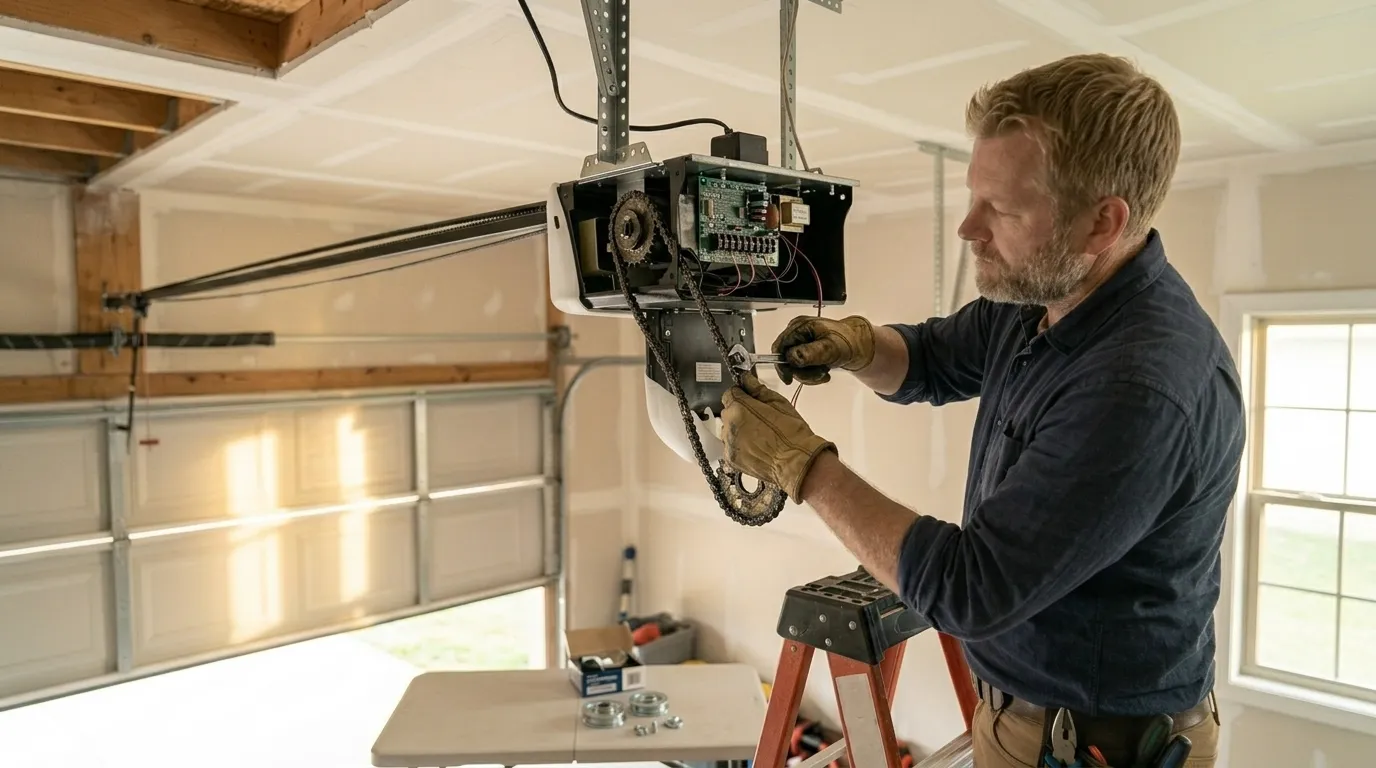
The first thing we do on a commercial call in Mound is measure the actual opening, not assume it matches a modern standard size. On a lot of 1971-era buildings it doesn't, and that changes what we bring on the truck. If the hardware is original extension-spring gear, we'll usually recommend converting to torsion - it's a safer, longer-lasting setup and it's what most commercial doors run now, but it's a bigger job than a straight spring swap and we'll walk you through why before we start. Track alignment gets checked next; on buildings that have settled over fifty-plus years, the track mounts often need re-shimming, not just tightening. If panels are cracked from cold-weather stress, we'll match gauge and width as close as the opening allows - sometimes that means a factory match, sometimes it means the whole section gets replaced because a single-panel match isn't available for that size anymore. We test the opener load against the new hardware before we call the job done, since a motor sized for old, stiff gear will burn out fast on a door that suddenly moves freely. We won't sell a full replacement when a repair will hold; we also won't chase a repair on a door that's structurally done.
How it works
From “it’s stuck” to “it’s fixed”
01
Tell us what’s wrong
Describe the symptom - won’t open, loud bang, opener runs but the door won’t move.
02
On-site diagnosis
A technician tests the door under power and by hand and finds what actually failed.
03
Clear, up-front plan
You get the fix that’s needed and what drives the cost - before any work starts.
04
Repaired & tested
The repair is done, the door is set true and tested, and the work area left clean.
Serving Chaska, MN - tell us what your door’s doing and we’ll take it from there.
Do you carry parts for a door that old on the truck?
Not always. Common springs, cables, and rollers, yes. But if your building's opening is a nonstandard width from the 1971 era, a matching panel or section sometimes has to be special-ordered, which adds lead time. We'll tell you at the quote stage, not after we've started.
Why does my door keep failing every winter?
Mound sits in the same severe cold band as the rest of the territory we cover. Older steel panels and worn extension-spring hardware handle temperature swings worse than newer insulated doors, so cold-weather cracking and spring failure are the most common calls we get here.
Is it cheaper to repair or replace an old commercial door?
Depends on the opening and the hardware. If the frame's sound and parts are available, repair usually wins. If the opening is nonstandard and a match isn't available, replacement can end up cheaper than chasing repeated custom-part repairs. We'll give you a straight answer once we've measured it.
How far out is Mound from your shop?
About 8 miles from Chaska. We travel to Mound for commercial calls; we just don't have a walk-in counter there, so scheduling works around a truck roll rather than a drop-in visit.
Ready to get your garage door sorted?
Tell us what it’s doing and where you are in Chaska - we’ll take it from there.