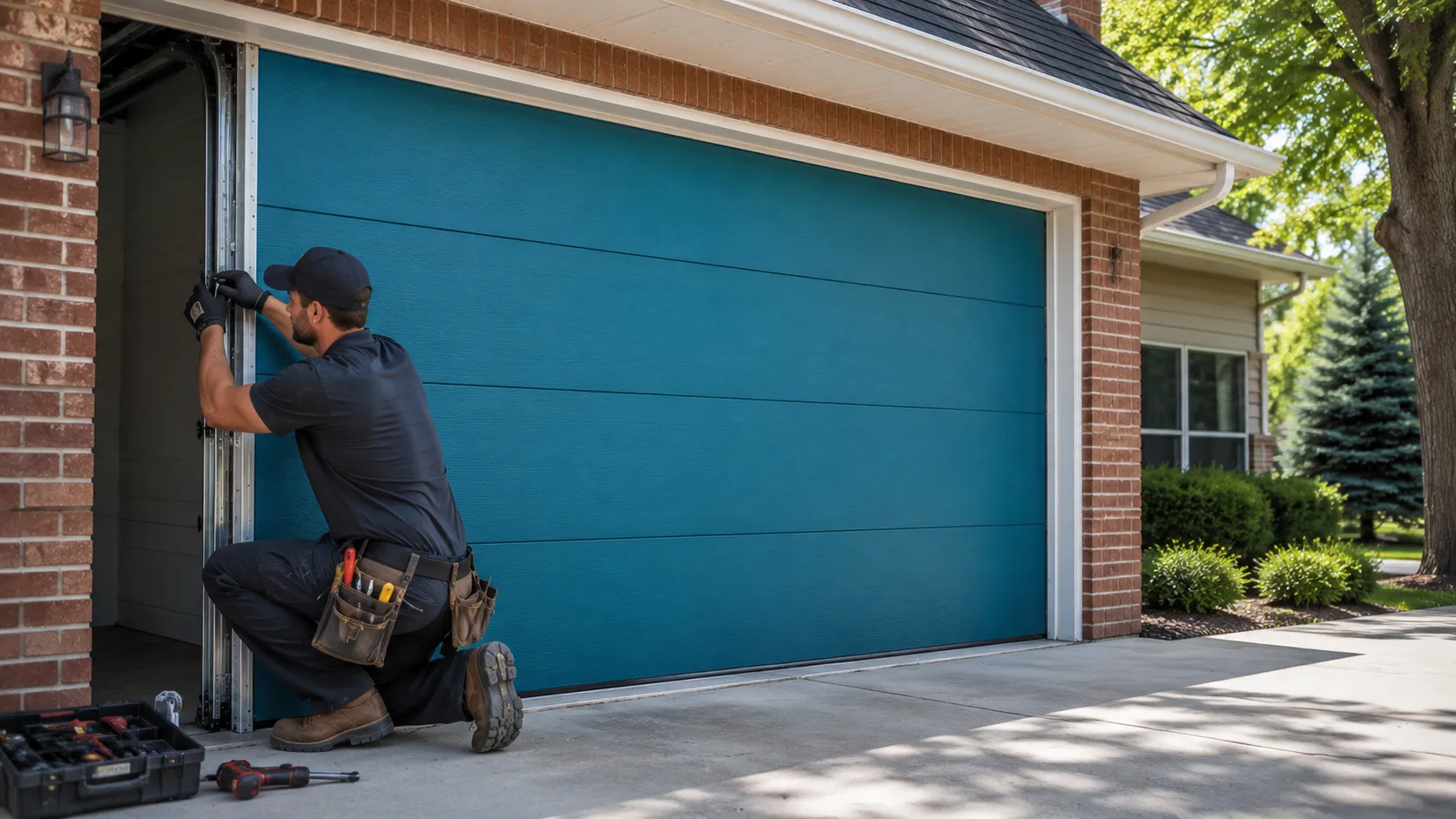
What the Fix Involves
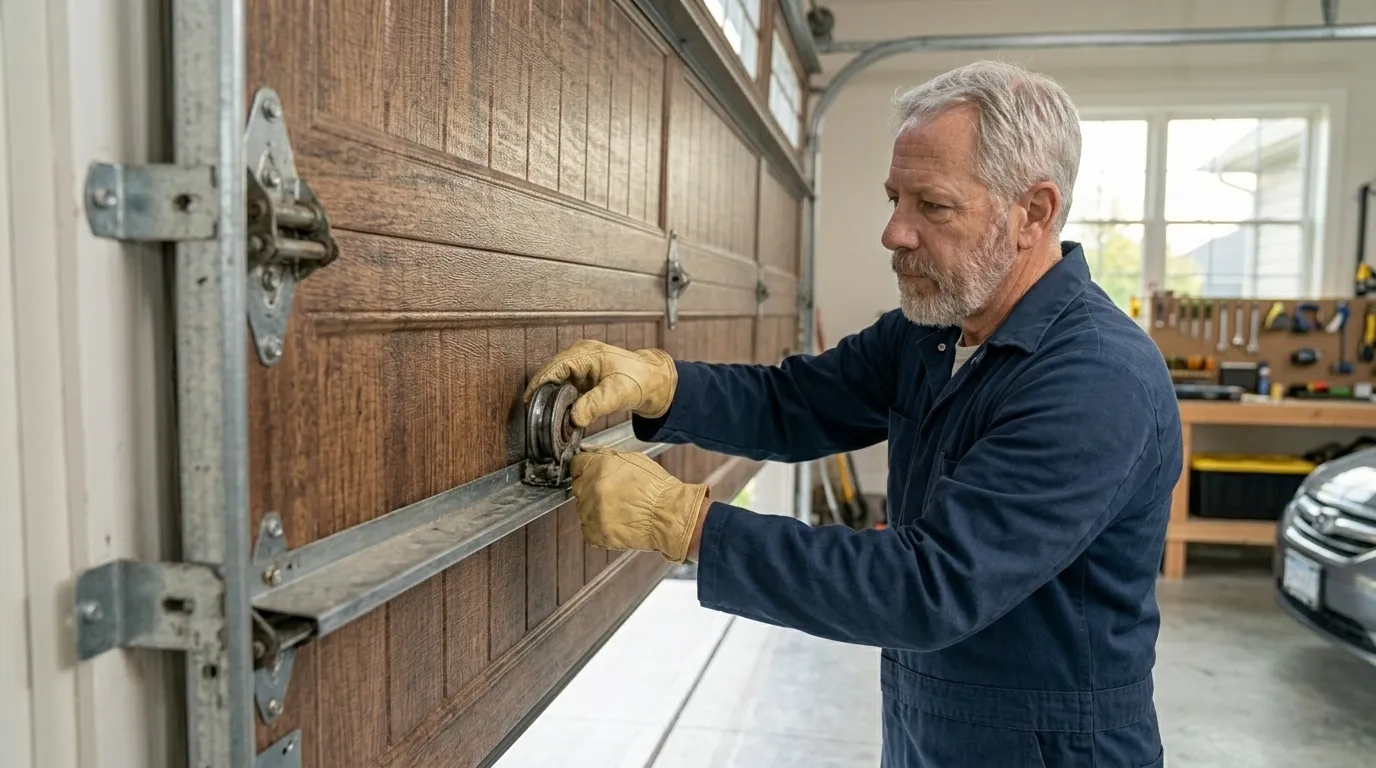
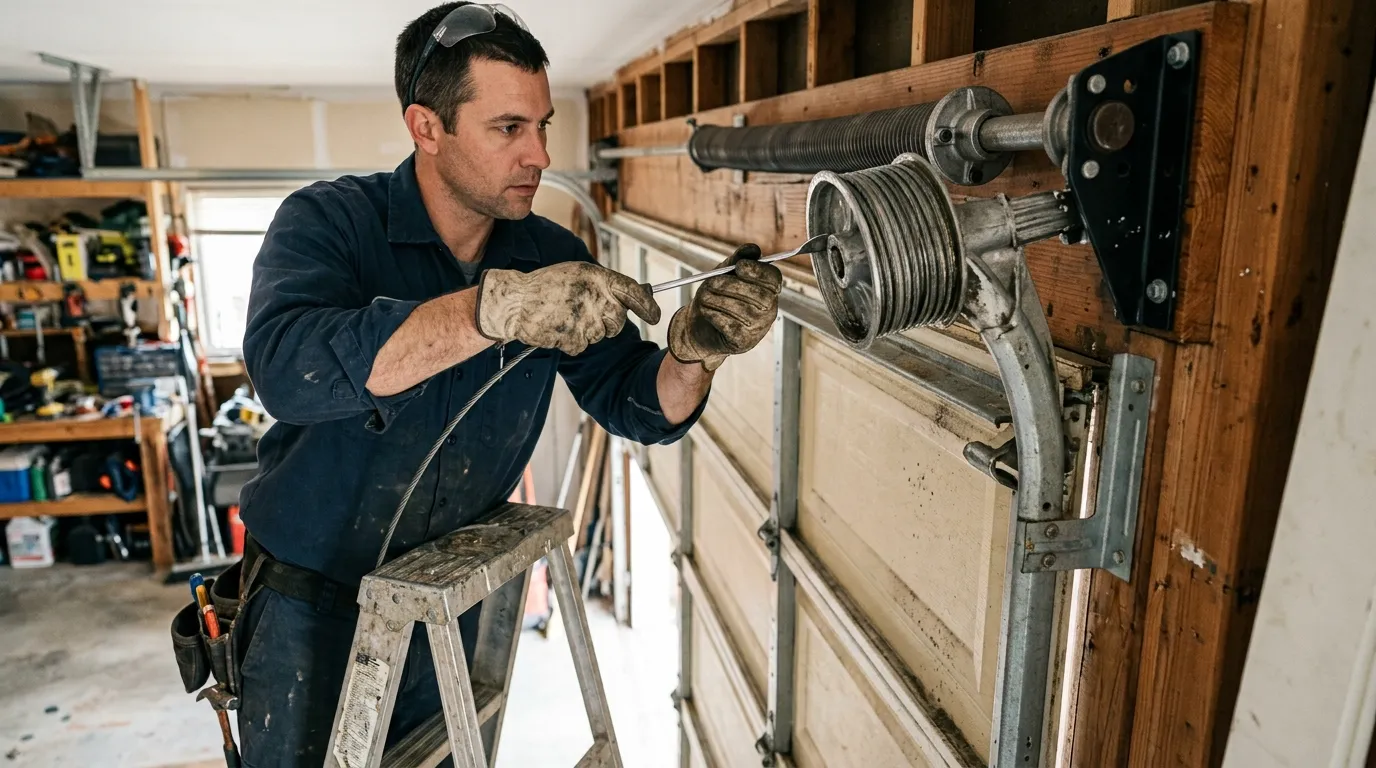
Because so much of Victoria's housing dates to the early-to-mid 2000s, the garage door hardware in a lot of these houses is still the original builder-grade setup - the same torsion spring, the same chain-drive or belt opener, the same steel rollers that went in when the slab cured. That hardware doesn't fail because it's outdated the way it does in a 1970s house; it fails because springs have a cycle life and openers have a service life, and twenty-some years of daily use runs most of them close to that number regardless of decade.
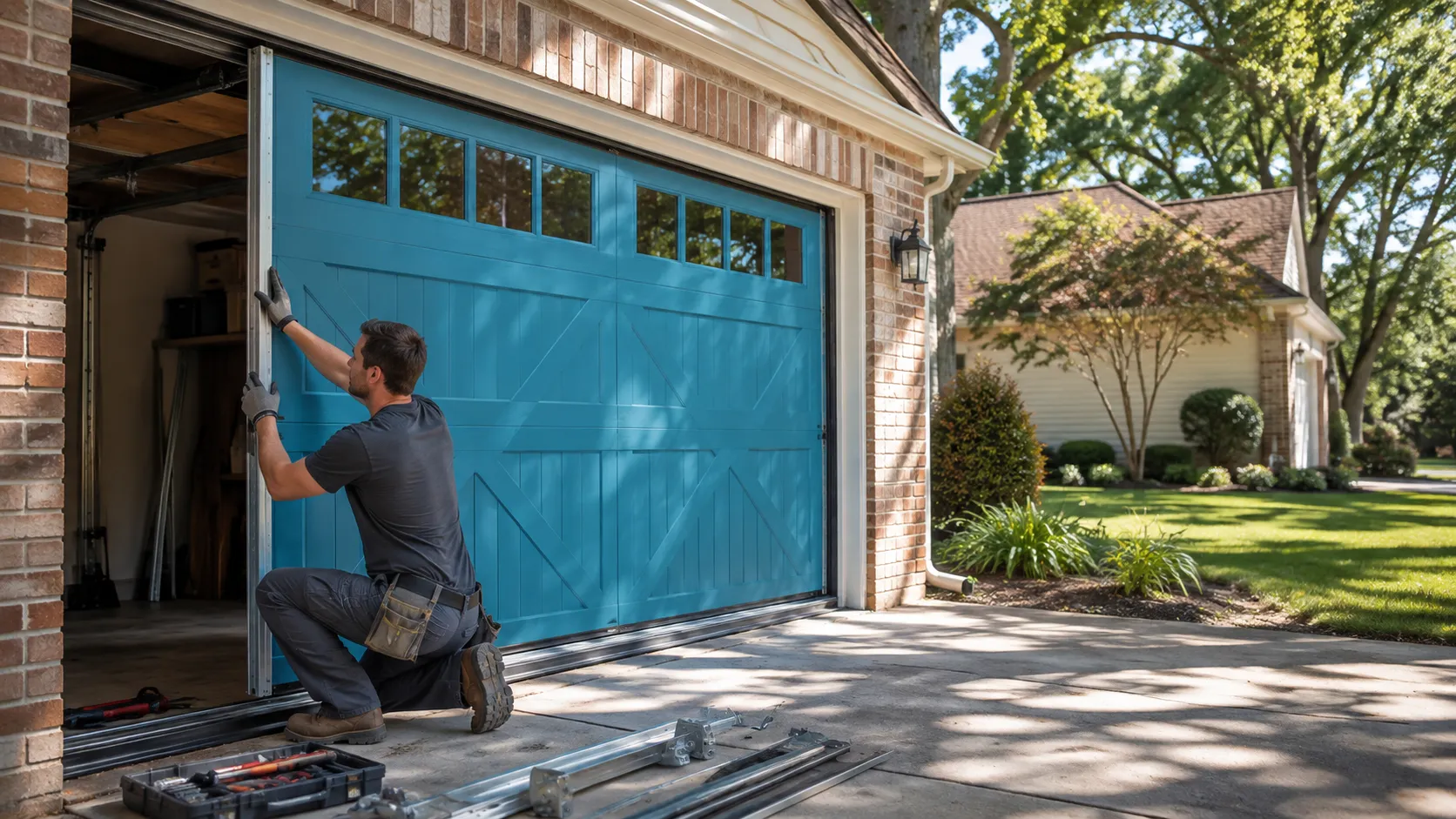
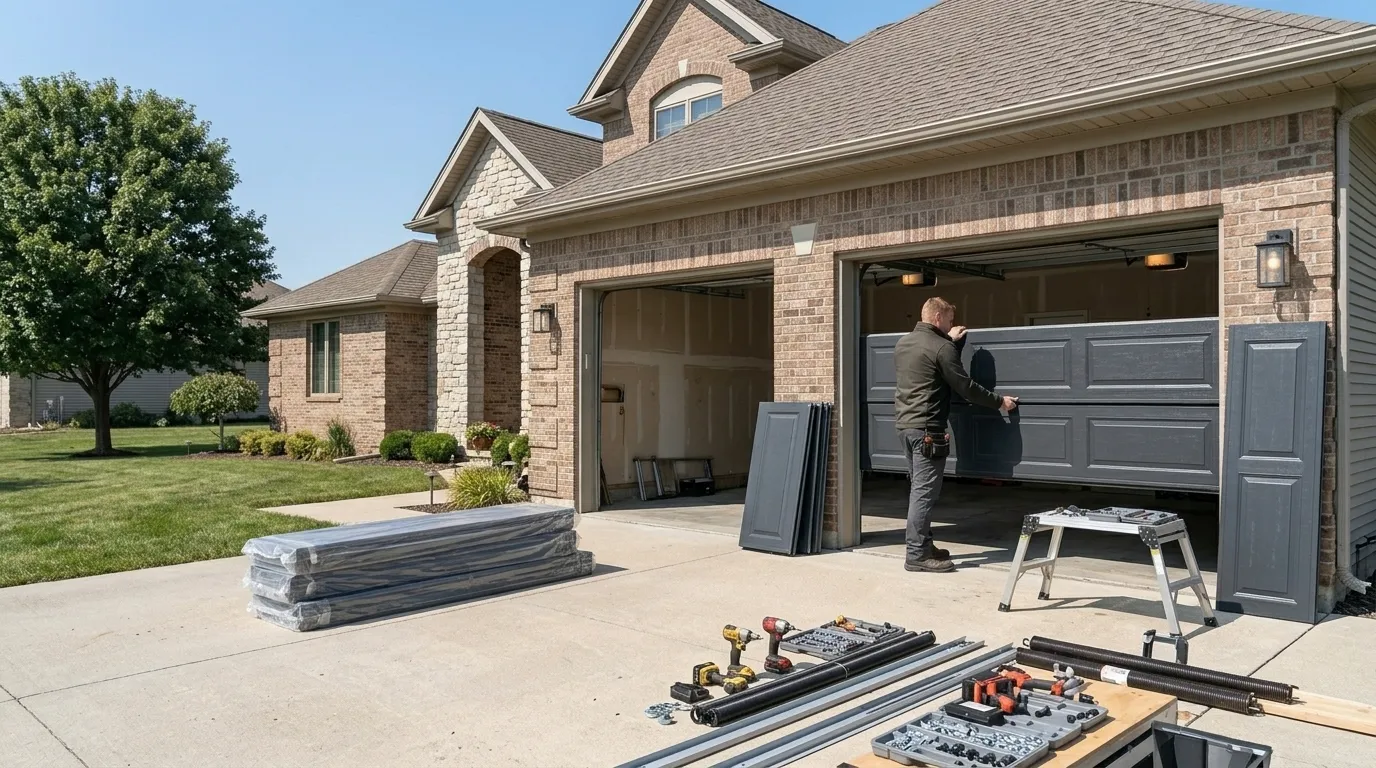
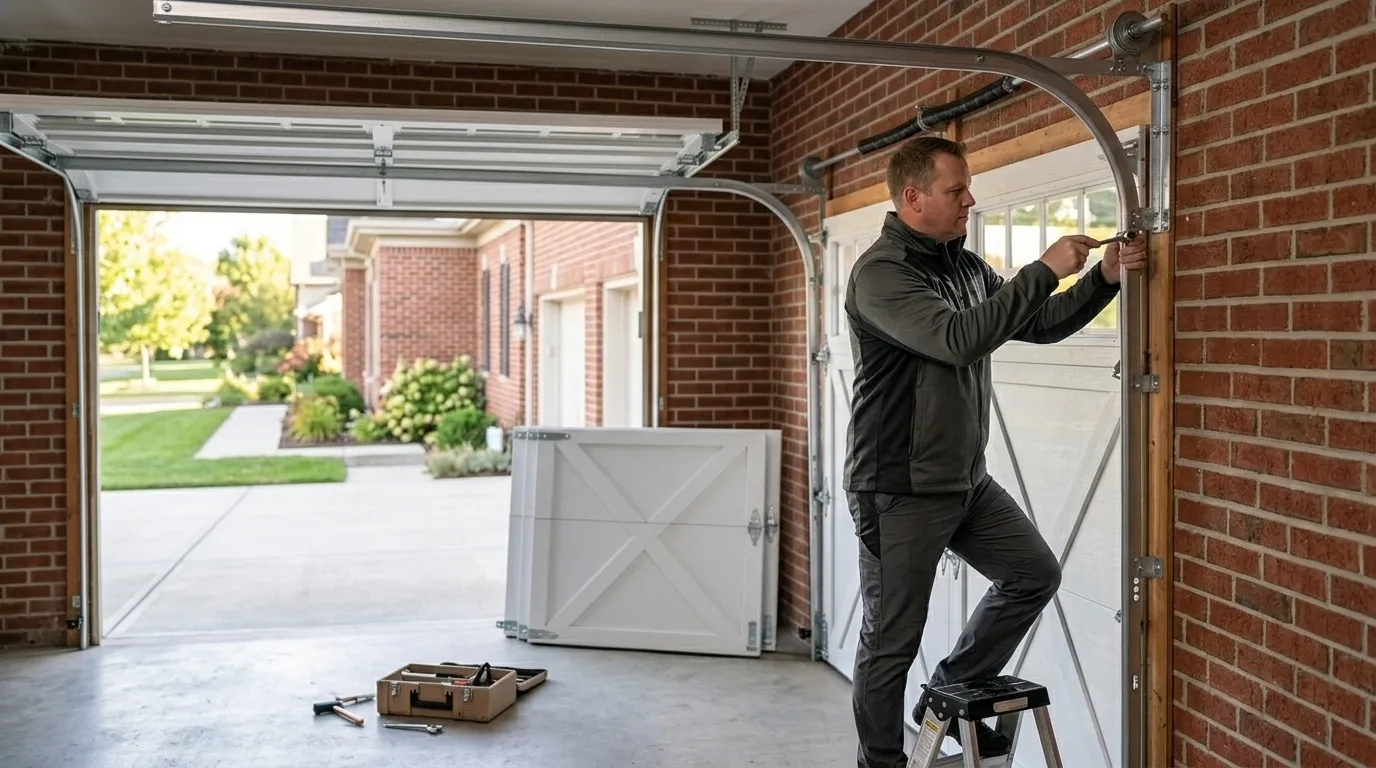
The fix is usually a like-for-like swap: matched torsion spring wound to the door's weight, or an opener replacement sized to the same track width and headroom the builder used. We're not retrofitting old low-headroom brackets or replacing rotted jamb wood the way we sometimes do in the area's older stock - the wood and the framing are still square. That keeps the job more predictable, fewer surprises once the door's open on the bench.
How It Shows Up
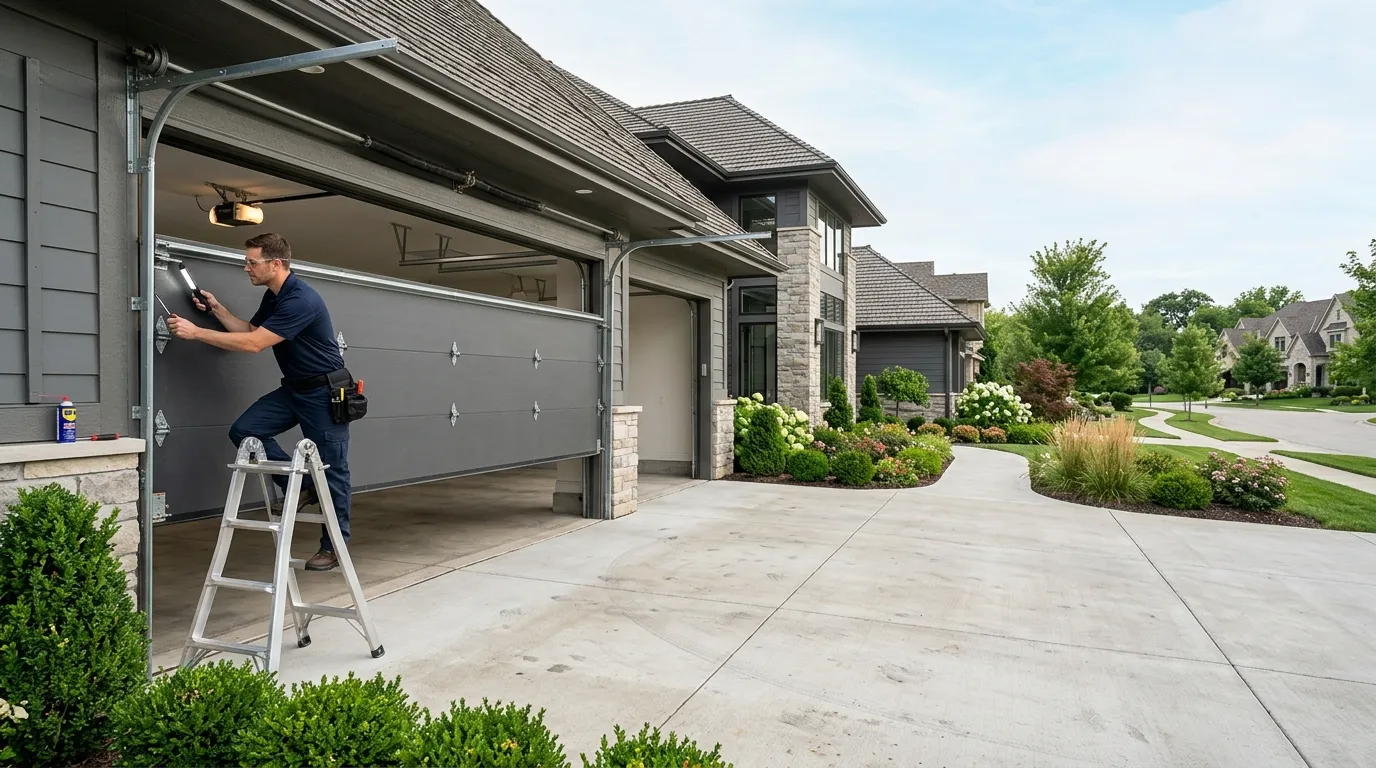
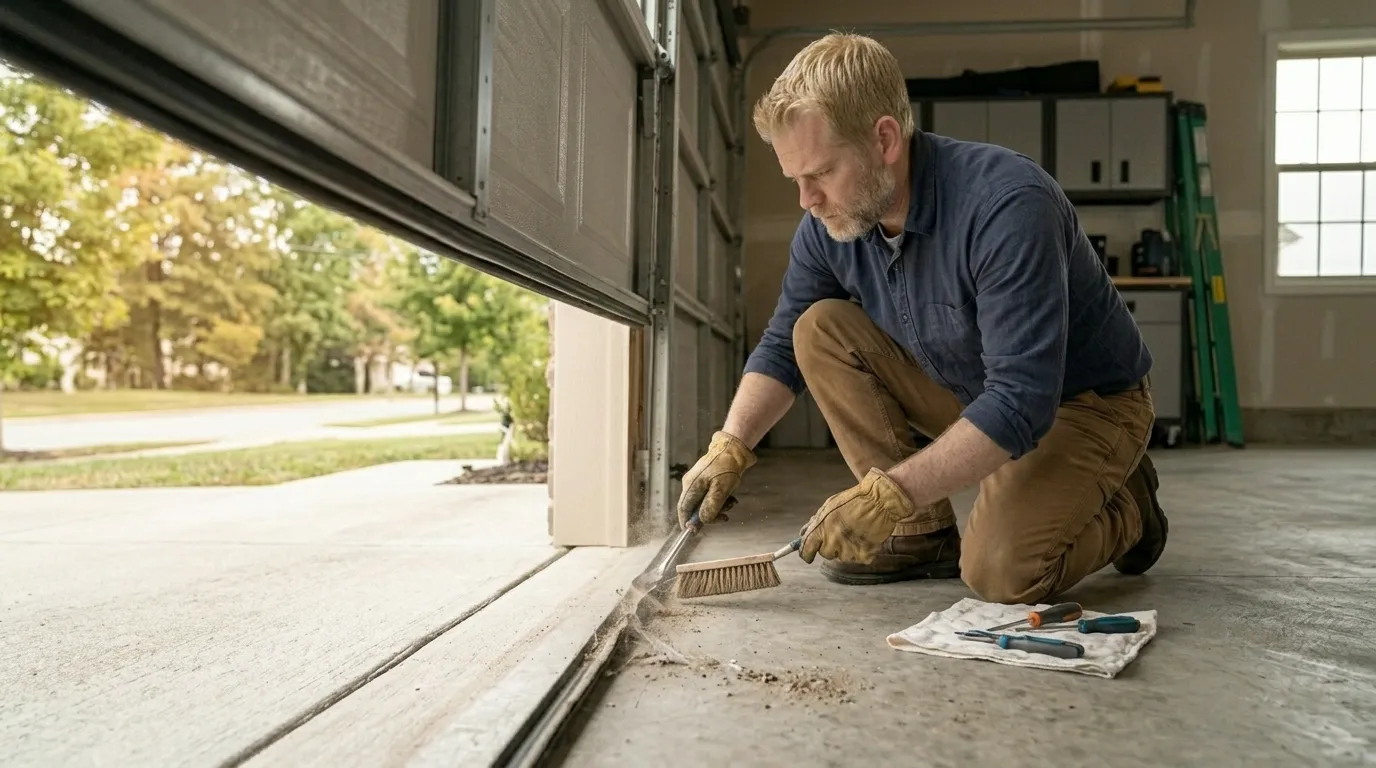
In a newer build, the first sign is almost always the opener, not the door itself. A motor that used to lift the door in four seconds now takes seven, or it stalls halfway and reverses. That's the drive gear or the capacitor giving out on schedule, not damage.
On the spring side, it's the sudden kind of failure - a loud bang, the door won't budge, or it drops fast when someone tries to lift it by hand. Original torsion springs on an early-2000s door are usually rated for a set number of open-close cycles, and a household that uses the garage as the main entry runs through those cycles faster than one that doesn't.
Winter matters here too. This service area sits in a cold climate zone with real seasonal swings, and a spring or roller that's marginal in October usually picks a sub-zero morning in January to finally let go.
What Is on the Truck
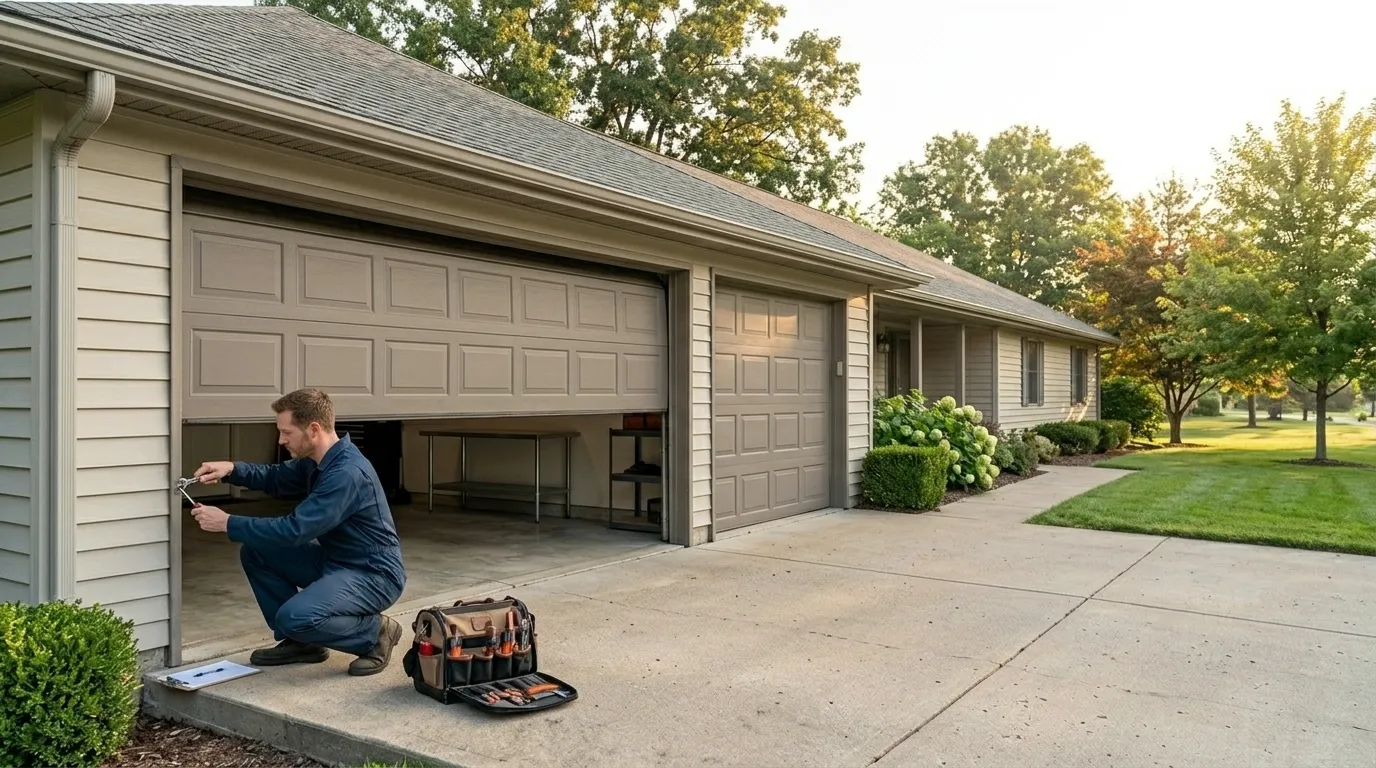
We carry torsion springs in the common residential weight ranges, standard rollers, cables, and the openers we install most - enough to close out a typical early-2000s builder-grade door in one visit. What we don't always carry is a specialty panel color or an odd-width custom door section; those get ordered and that adds a day or two, no way around it.
We come out from Chaska, about 4 miles in. That's close enough that travel time isn't the bottleneck on a job - parts availability is, and for Victoria's newer housing stock, the parts we stock cover most of what actually breaks.