What Causes It Around Here
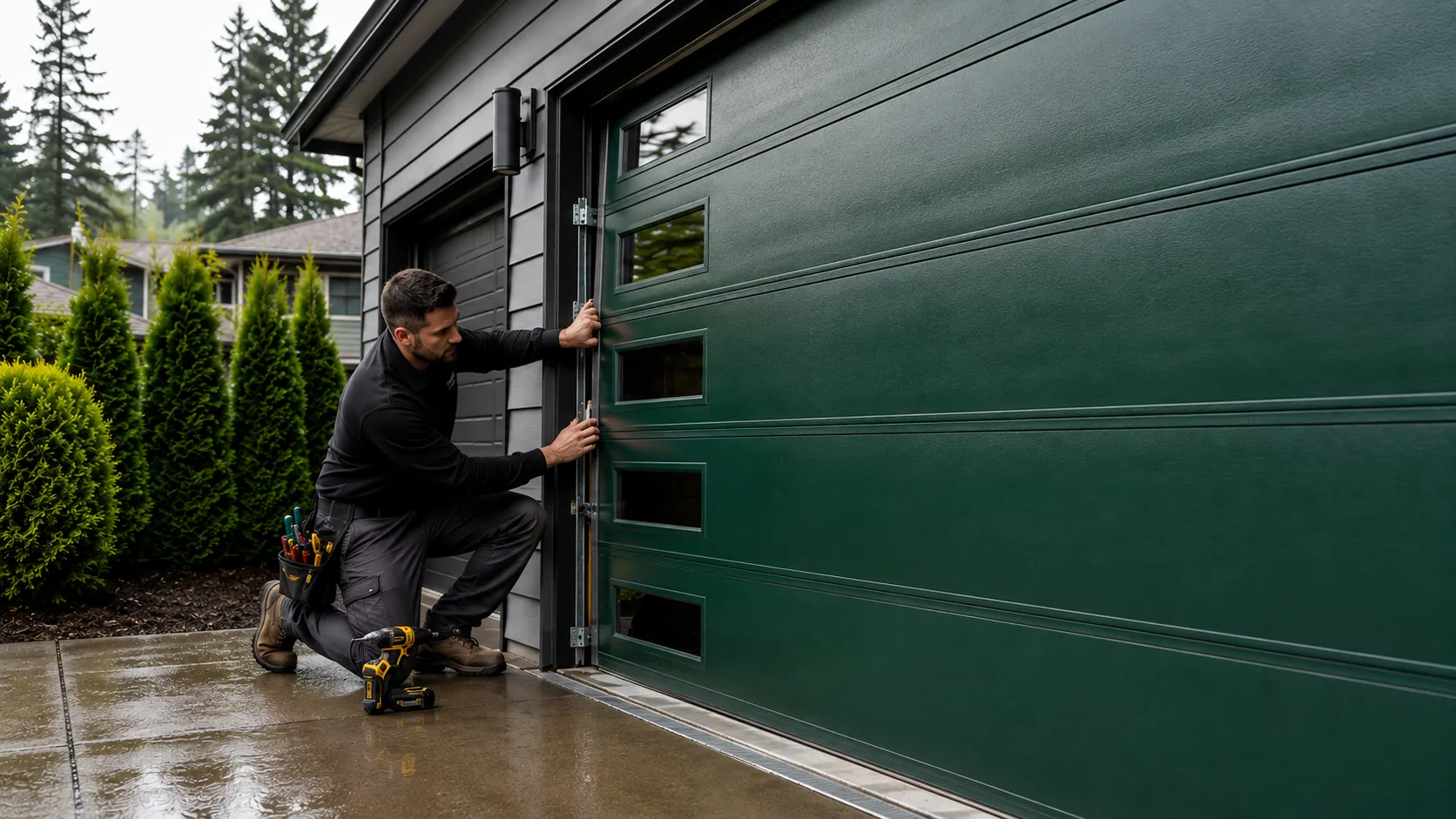
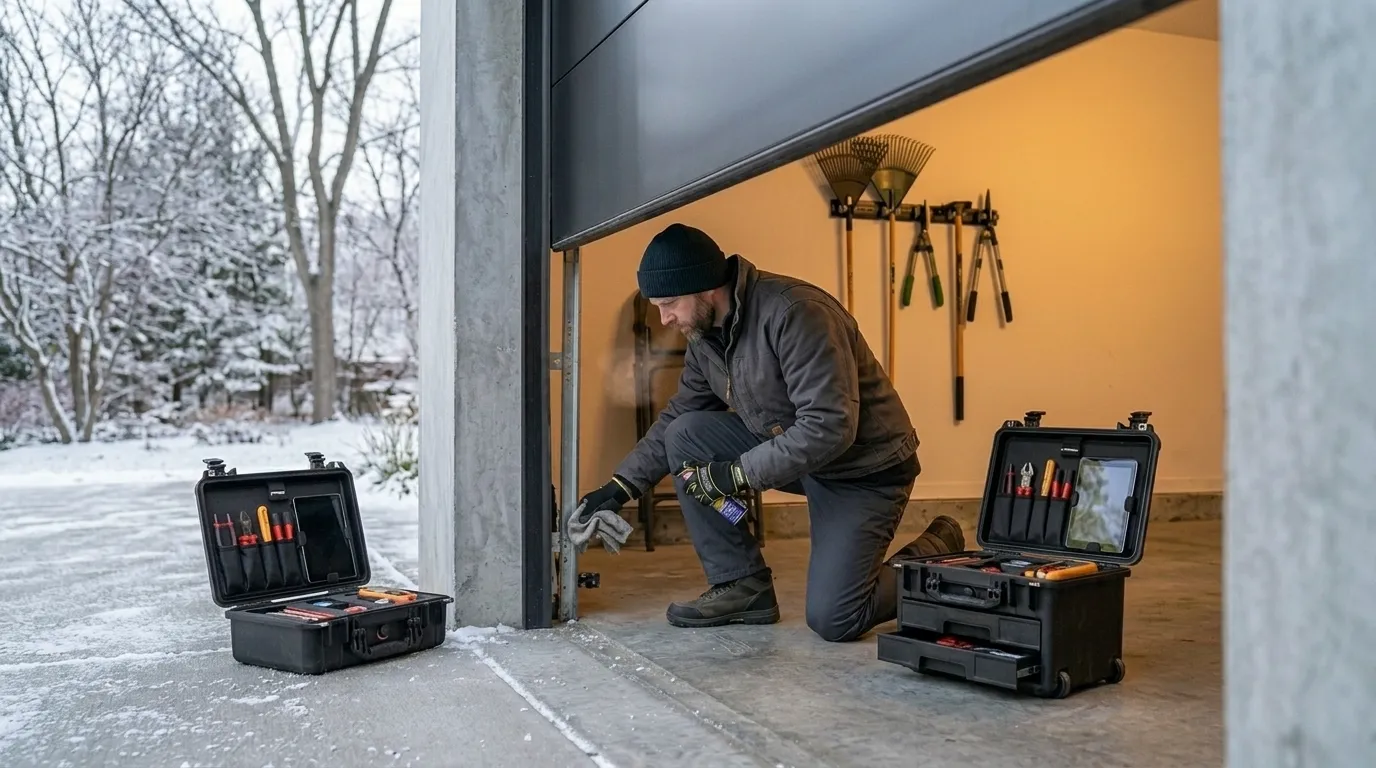
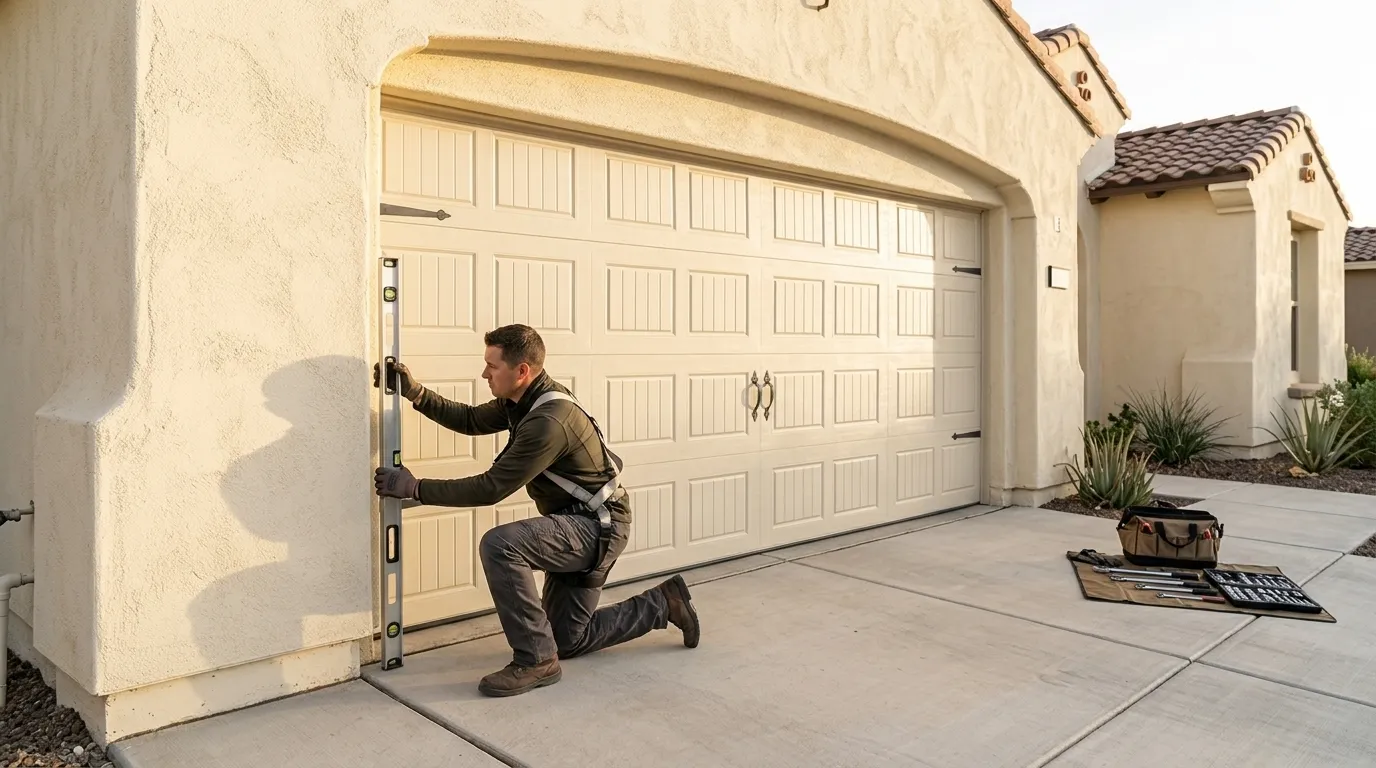
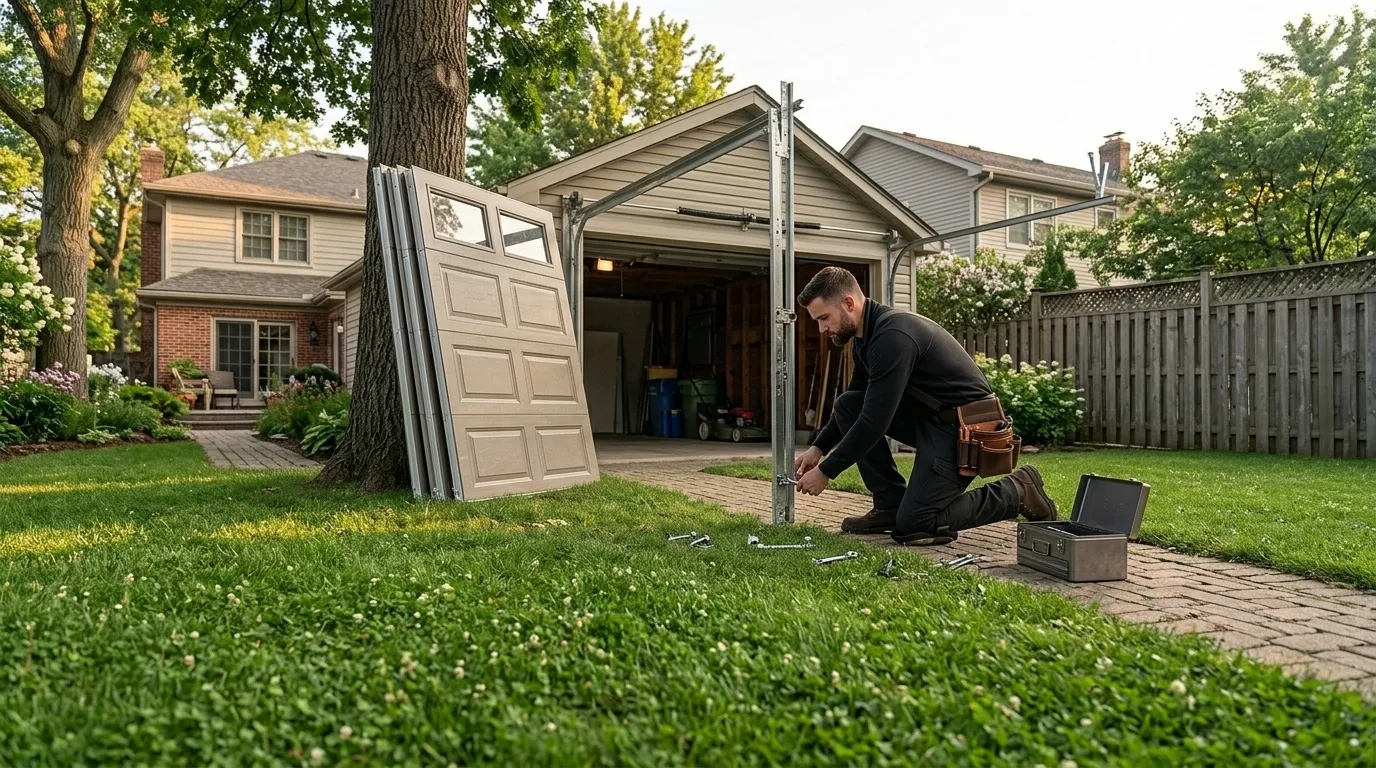
Waconia's housing stock is newer than a lot of what we service out of Chaska - the median build year here lands around 2000, which puts most garage doors on standard extension or torsion cable setups from the late 90s and 2000s rather than the older side-mounted torsion hardware you find in towns built out decades earlier. That's good news for parts availability, but the cables themselves still wear the same way: galvanized coating breaks down at the drum end from repeated flexing, and in this climate band - which the region classifies as severely cold - ice buildup on the bottom bracket in winter puts extra load on a cable that's already thinning. Doors in this stretch tend to fail at the drum groove or at the bottom fixture, not mid-span, because the newer track and roller hardware here holds alignment better than older setups. We also see cables stretch slightly loose on doors that get opened and closed several times a day, which is common on houses with an attached garage and no side door.
How It Shows Up
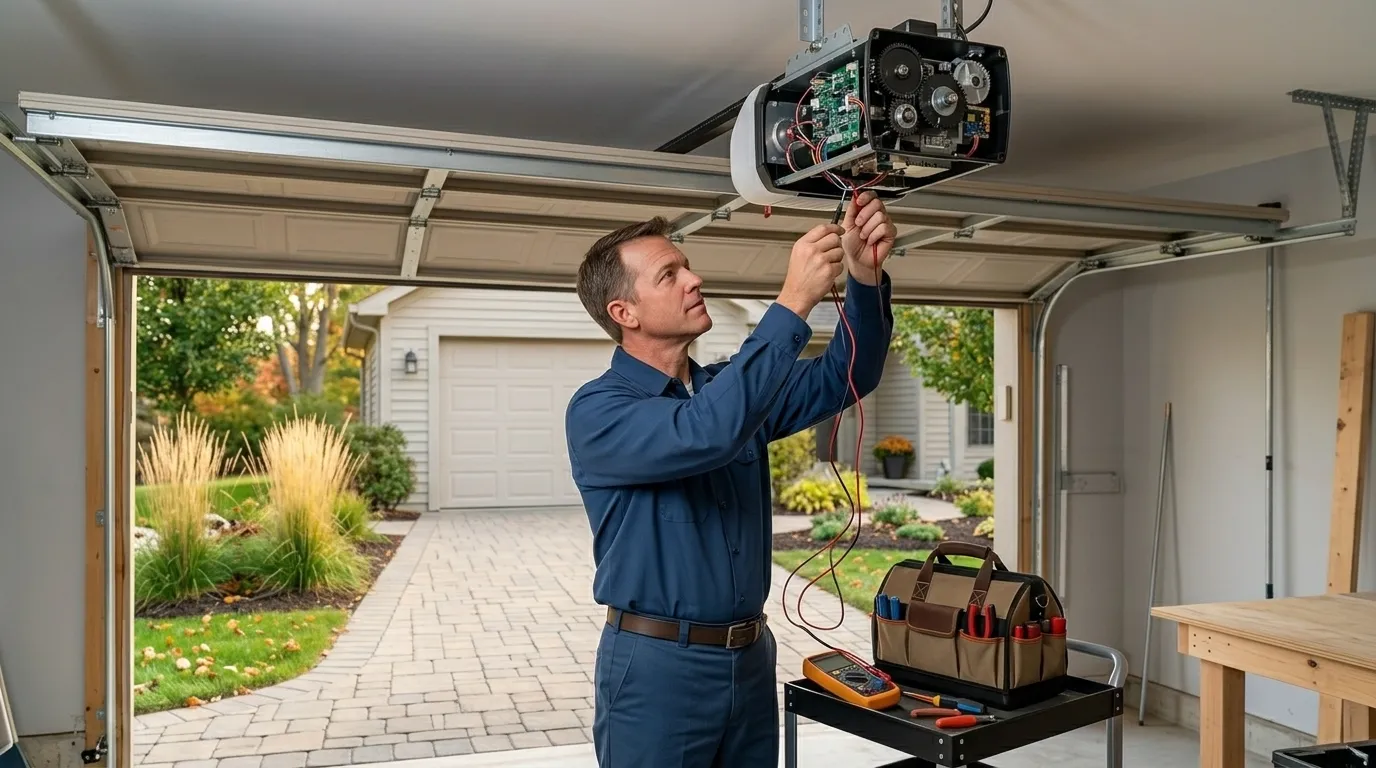
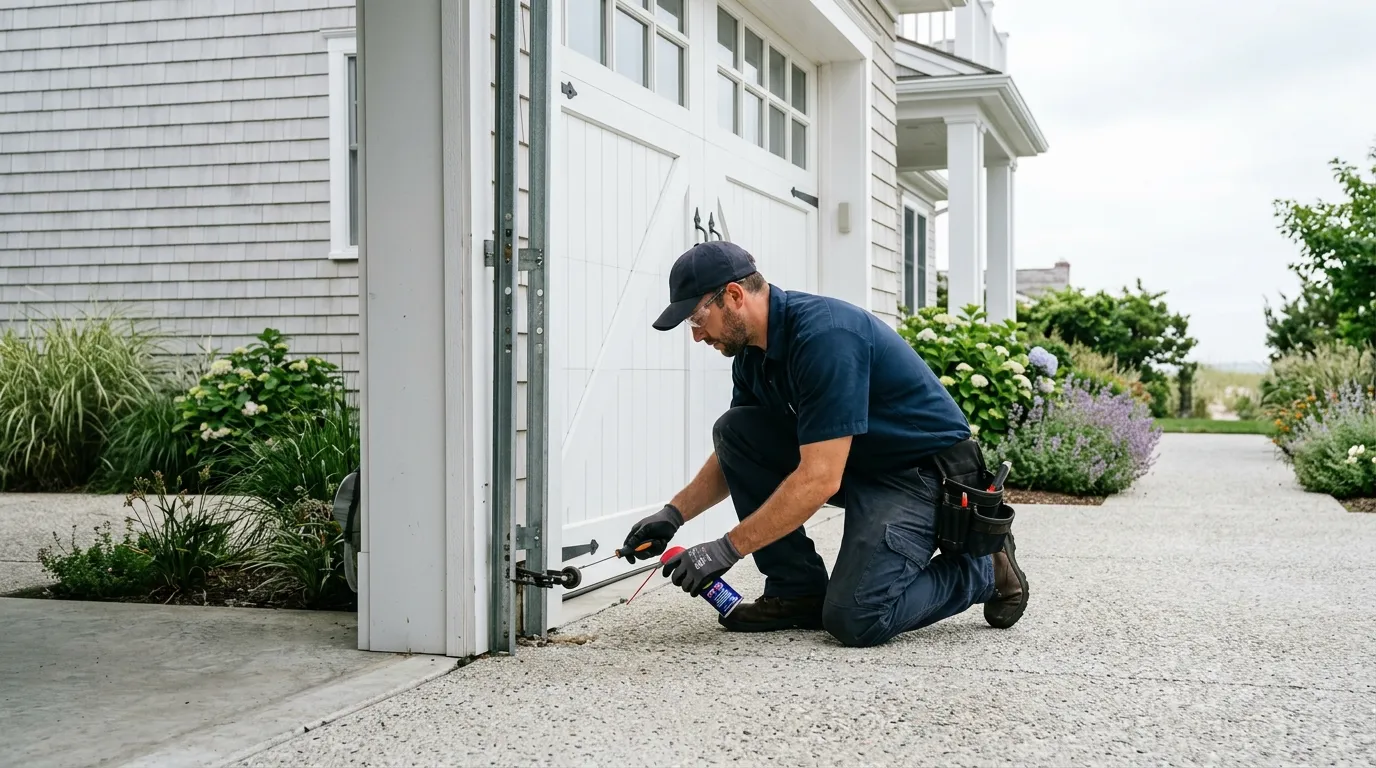
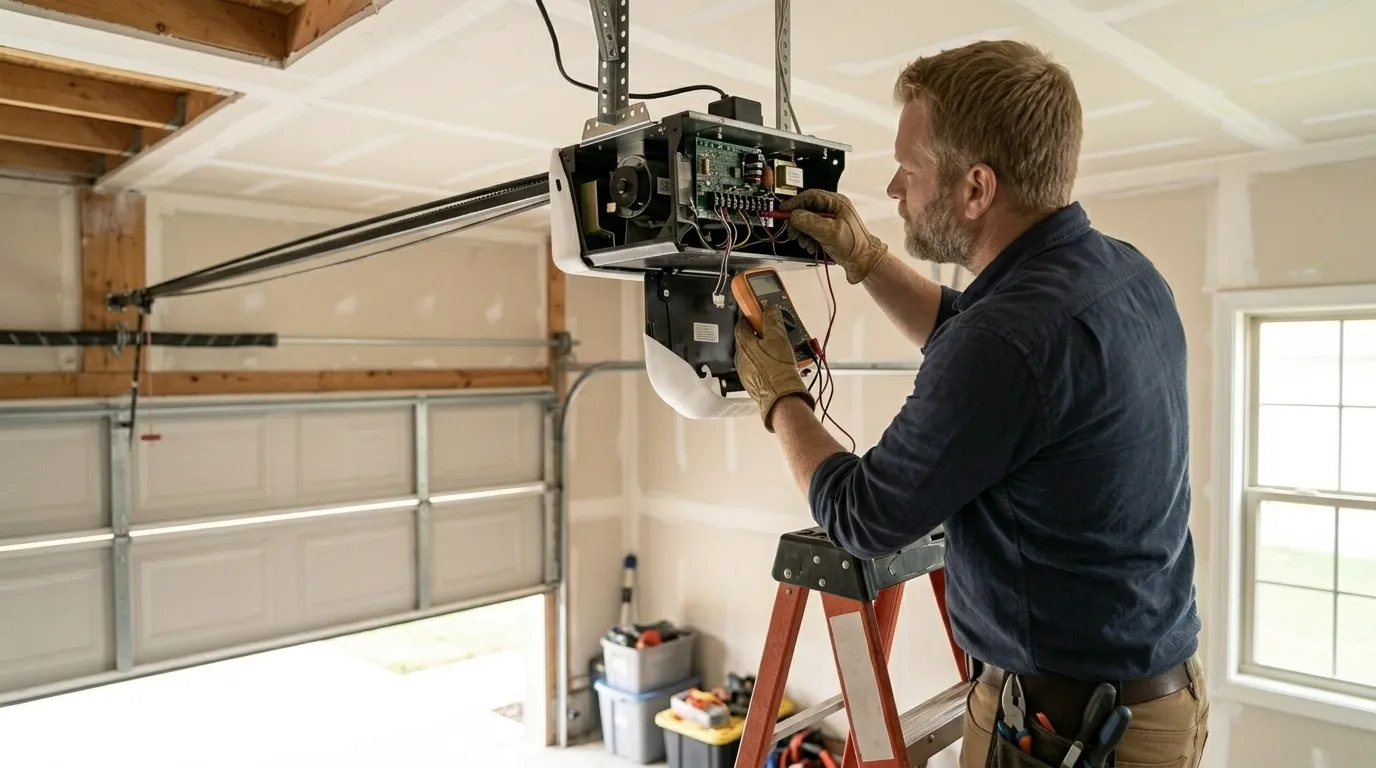
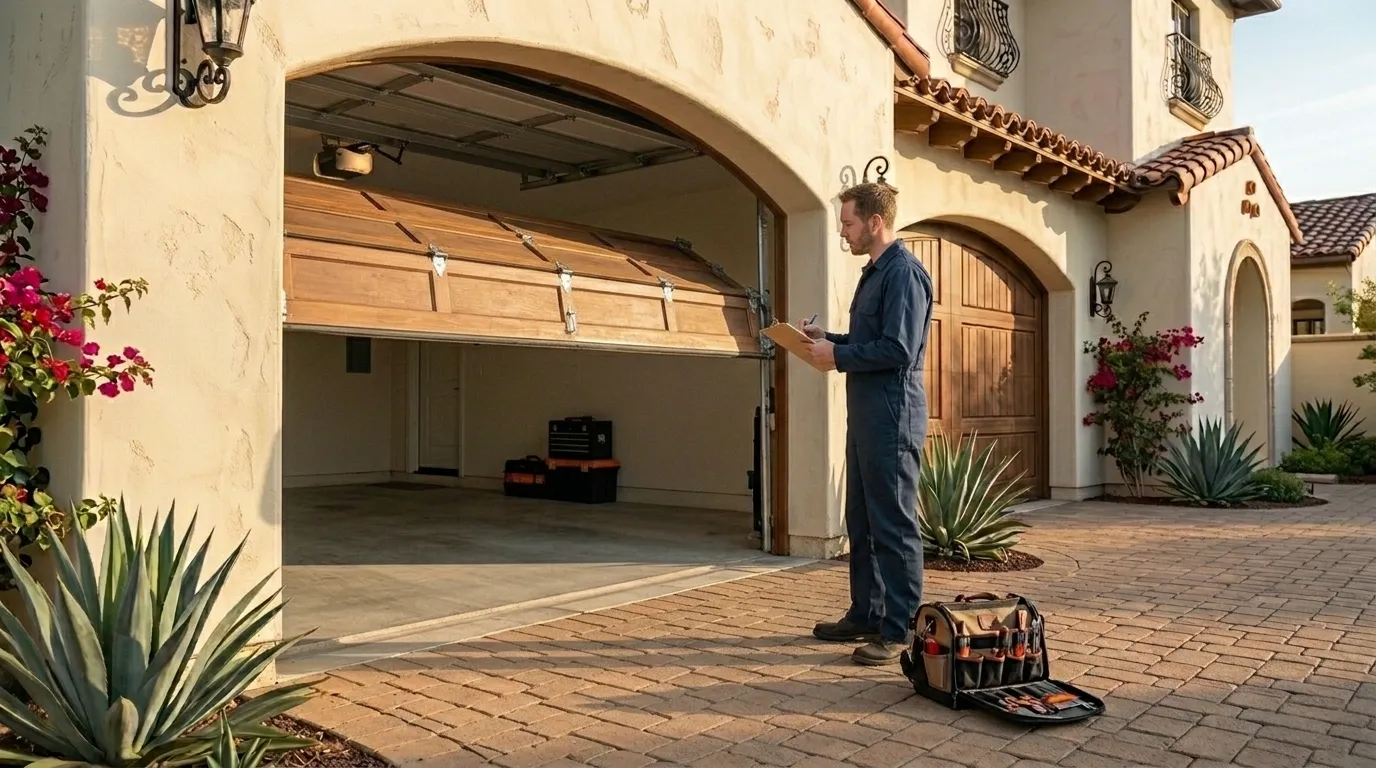
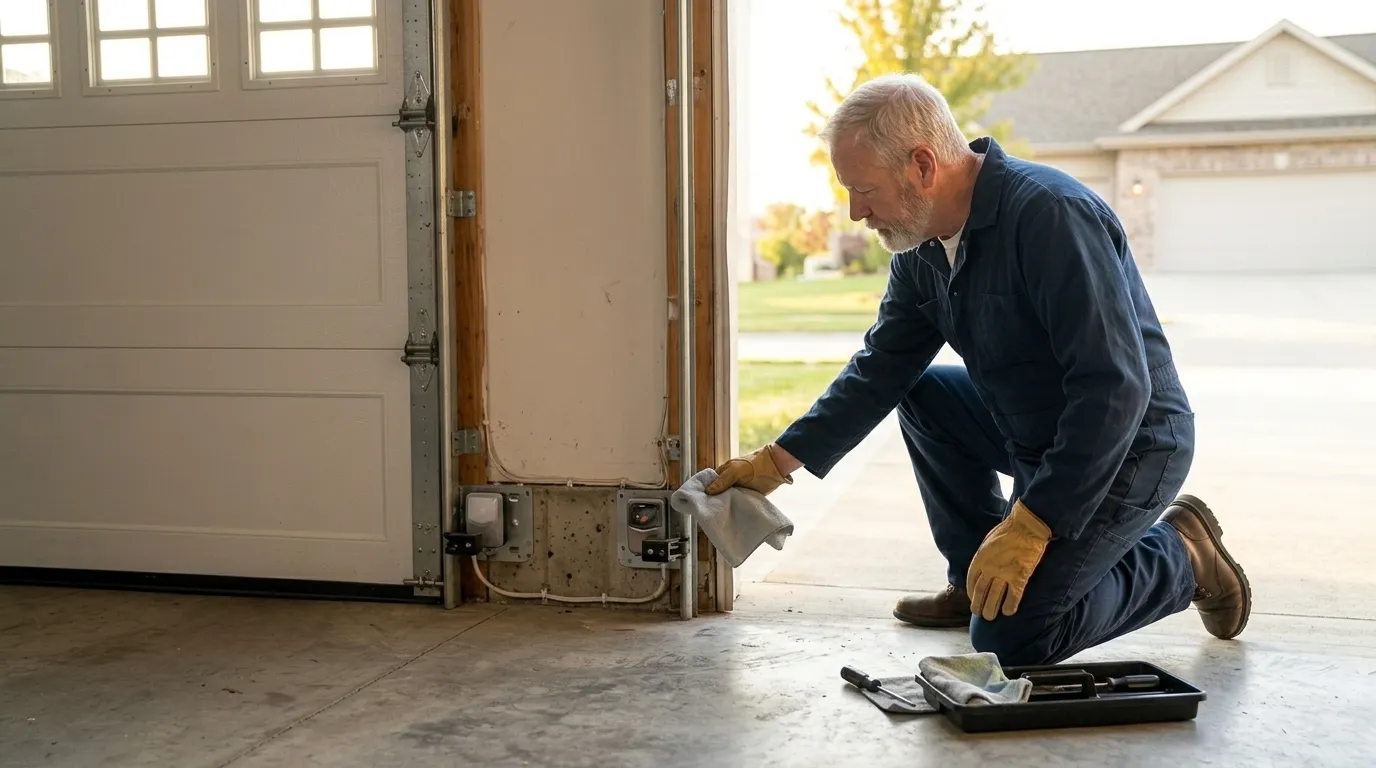
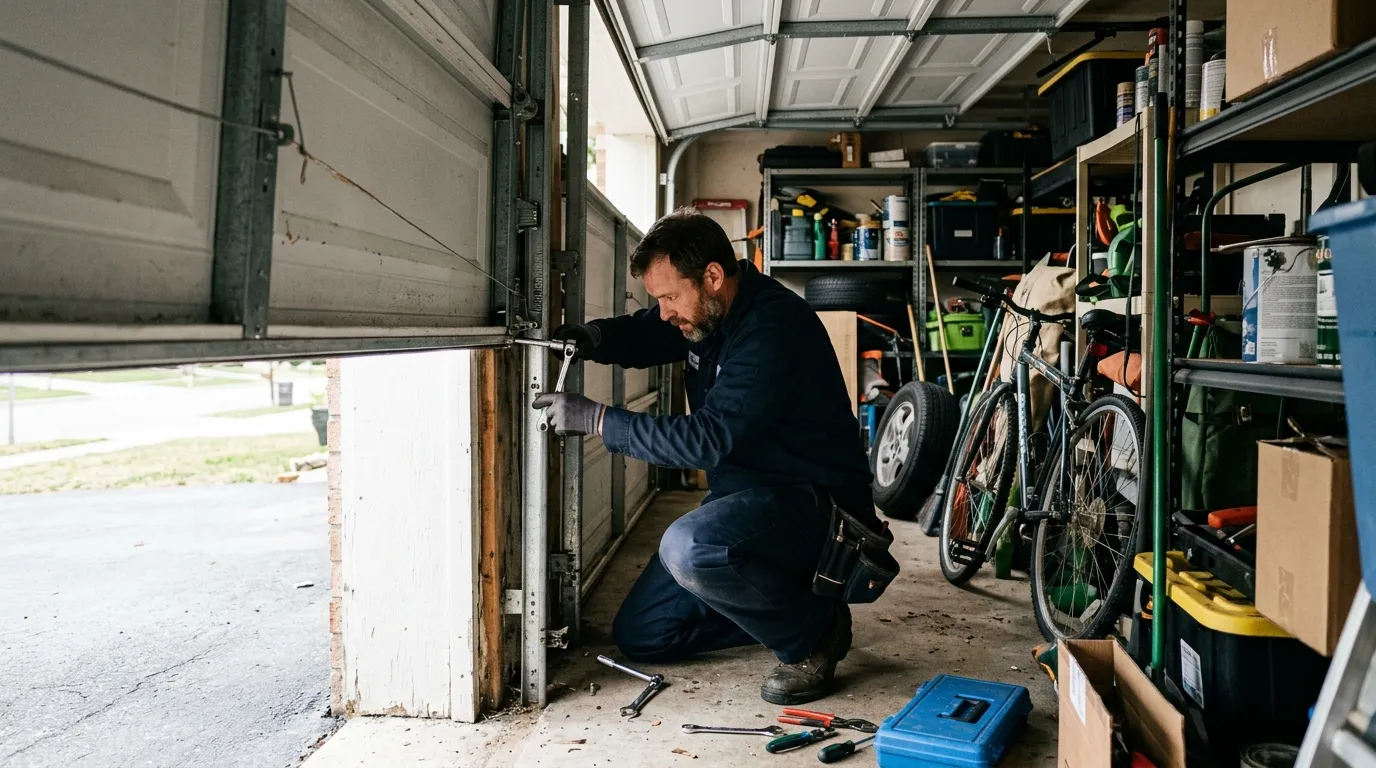
The most common call we get from this area is a door that drops fast on one side and stops crooked, cable dangling or wound wrong on the drum. Sometimes it's less dramatic: the door starts making a grinding or slapping noise near the top of the track a week or two before the cable actually lets go. On the newer torsion setups common to Waconia's 2000-era housing, a fraying cable often shows first as a faint rust-colored dust on the floor under the drum - that's the cable shedding wire strands before it snaps outright. If your opener strains, reverses on its own, or the door feels heavier than usual to lift by hand, that's often a cable stretching or seizing at the drum, not a motor problem. We'd rather you call at that stage than after the cable parts and the door comes down hard.