What Causes It Around Here
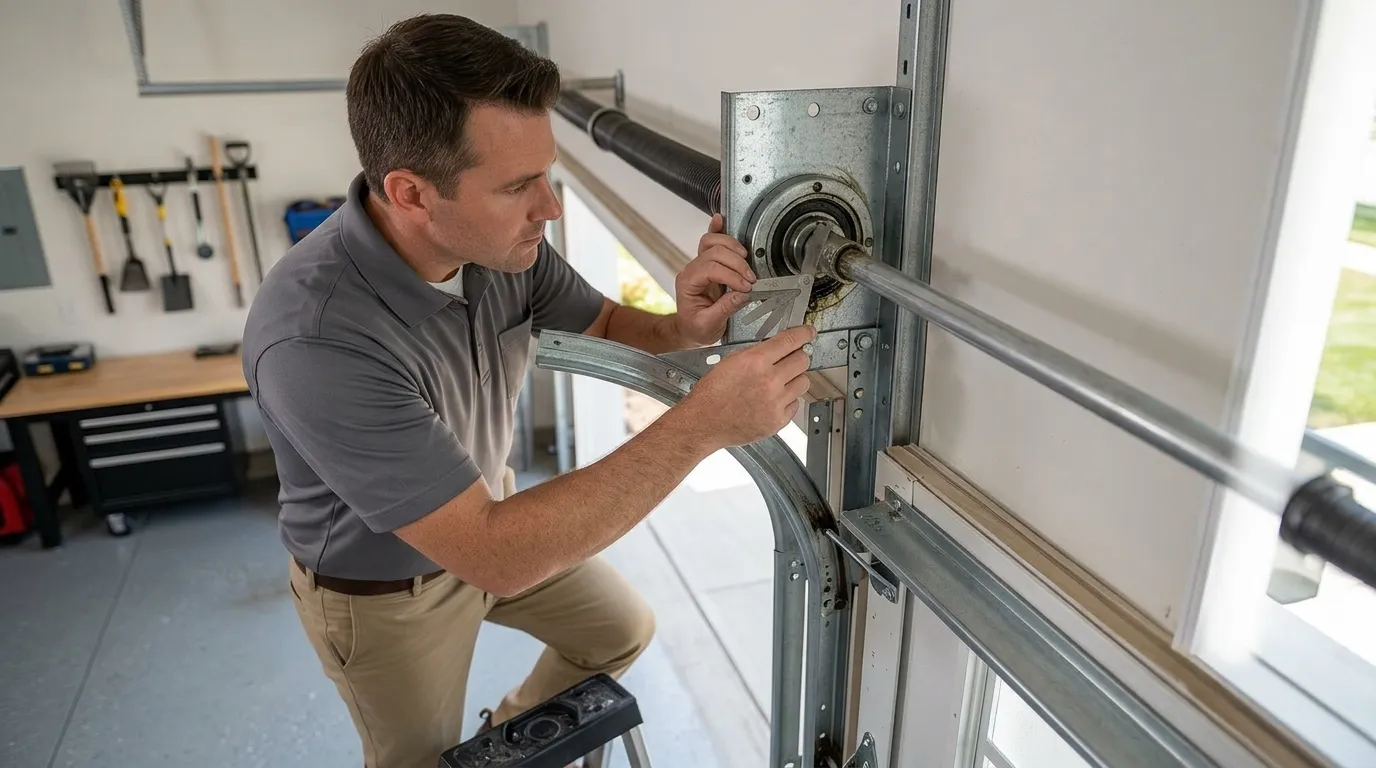
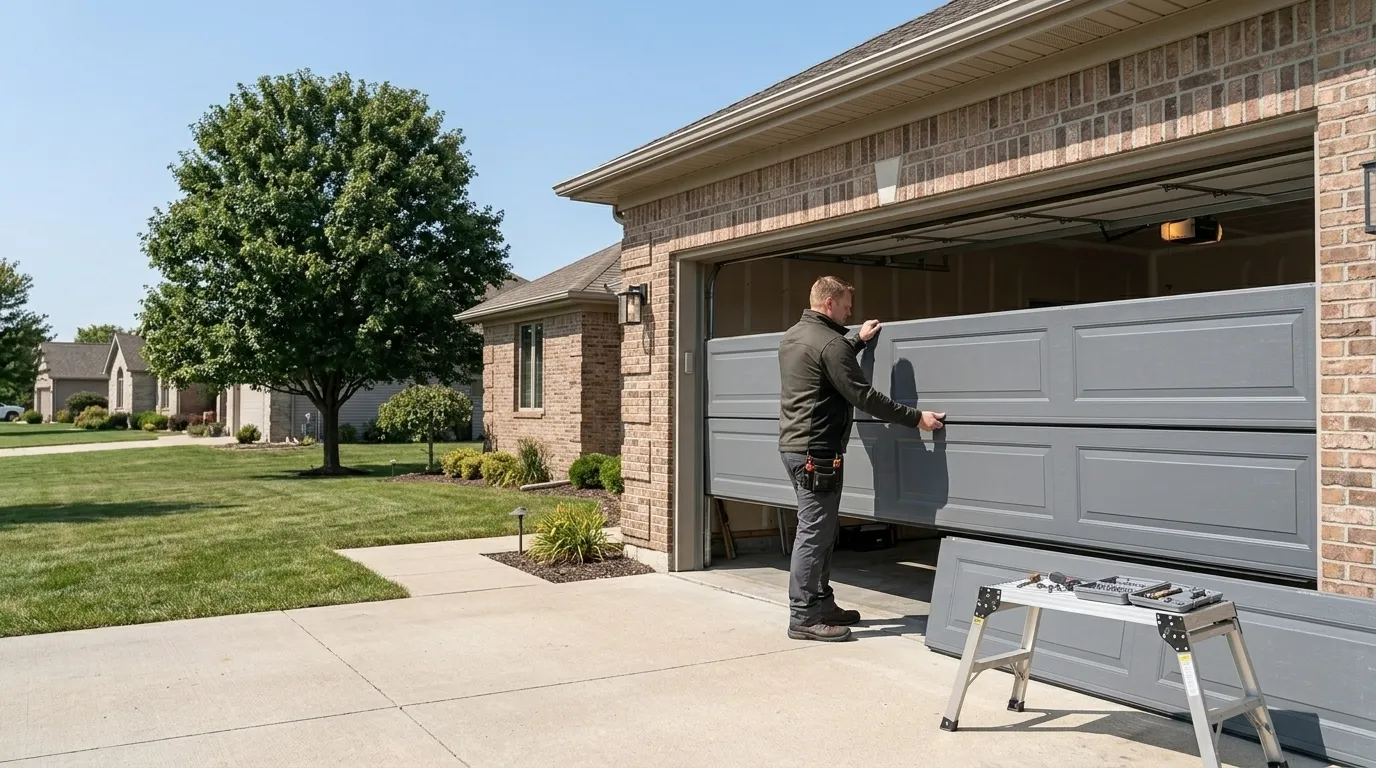
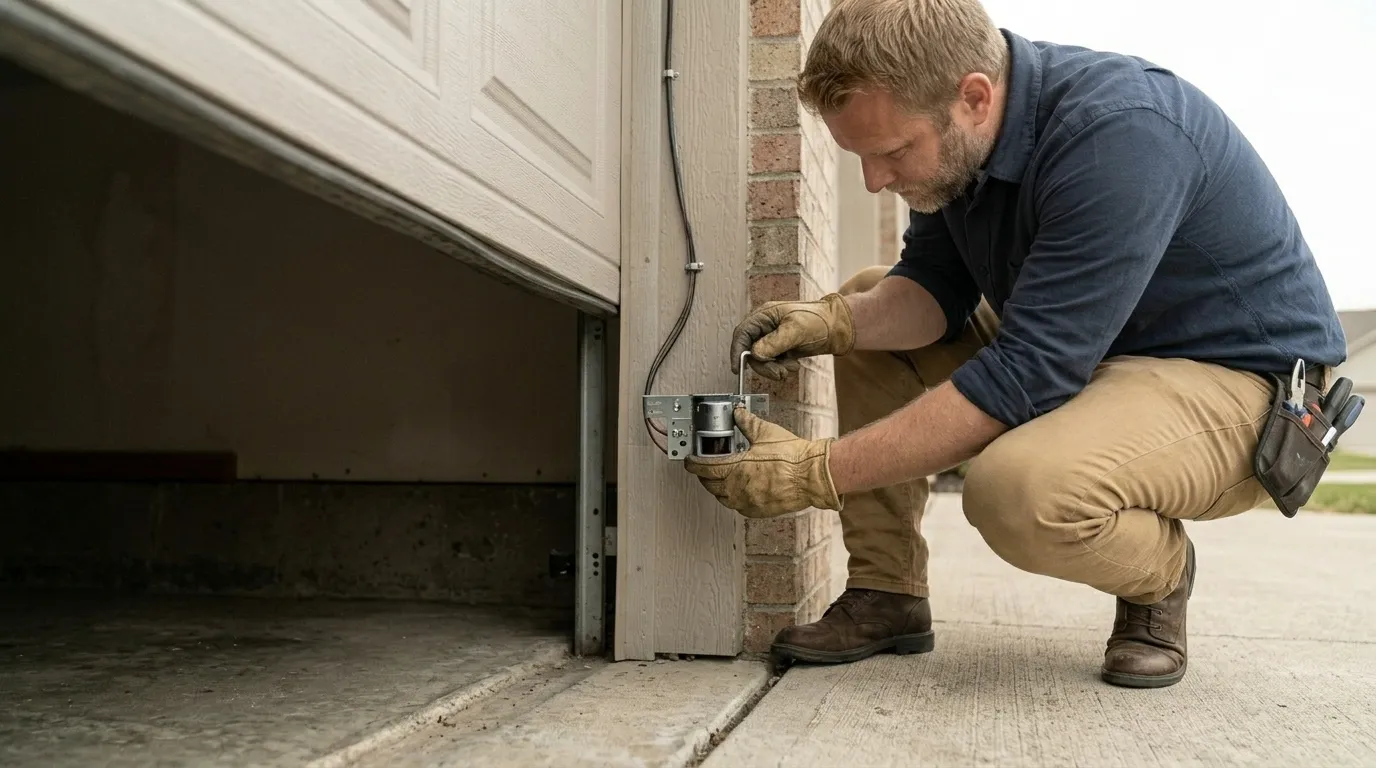
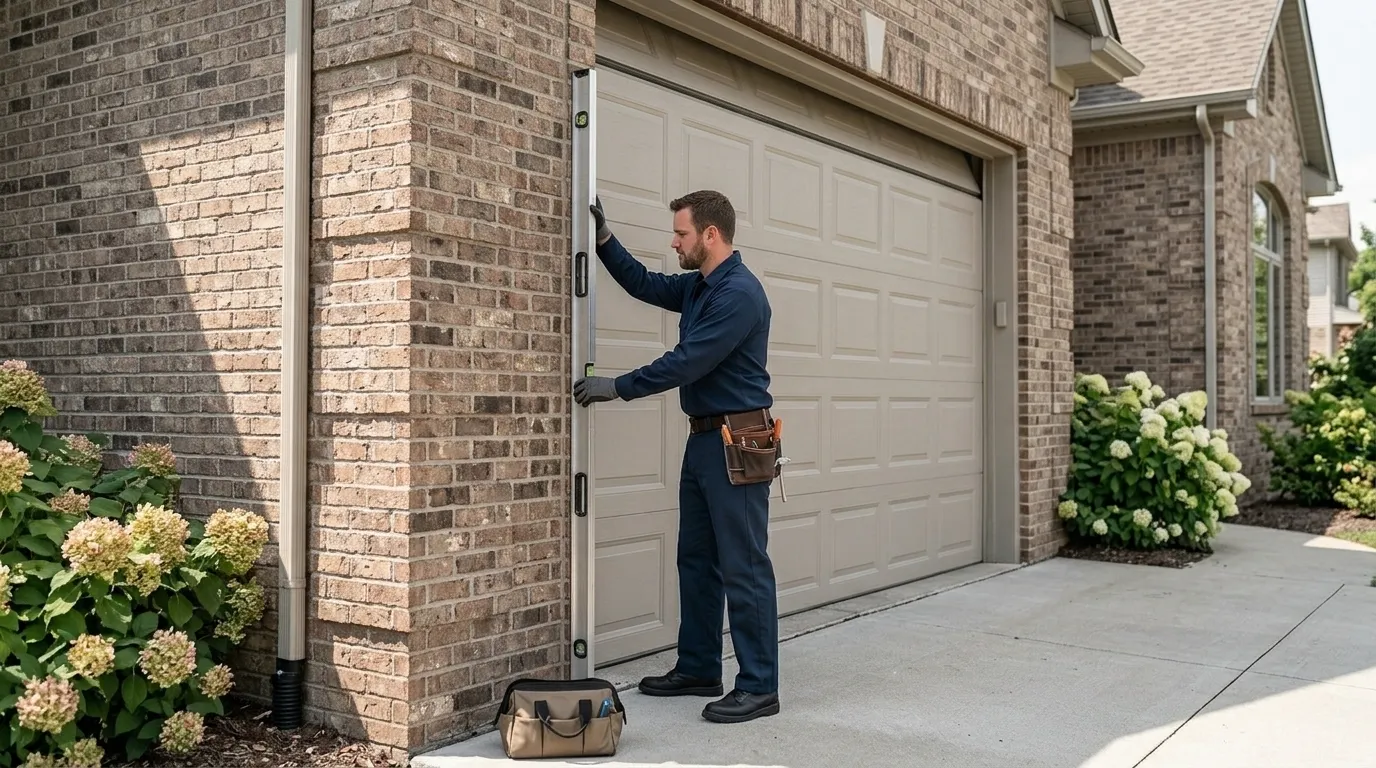
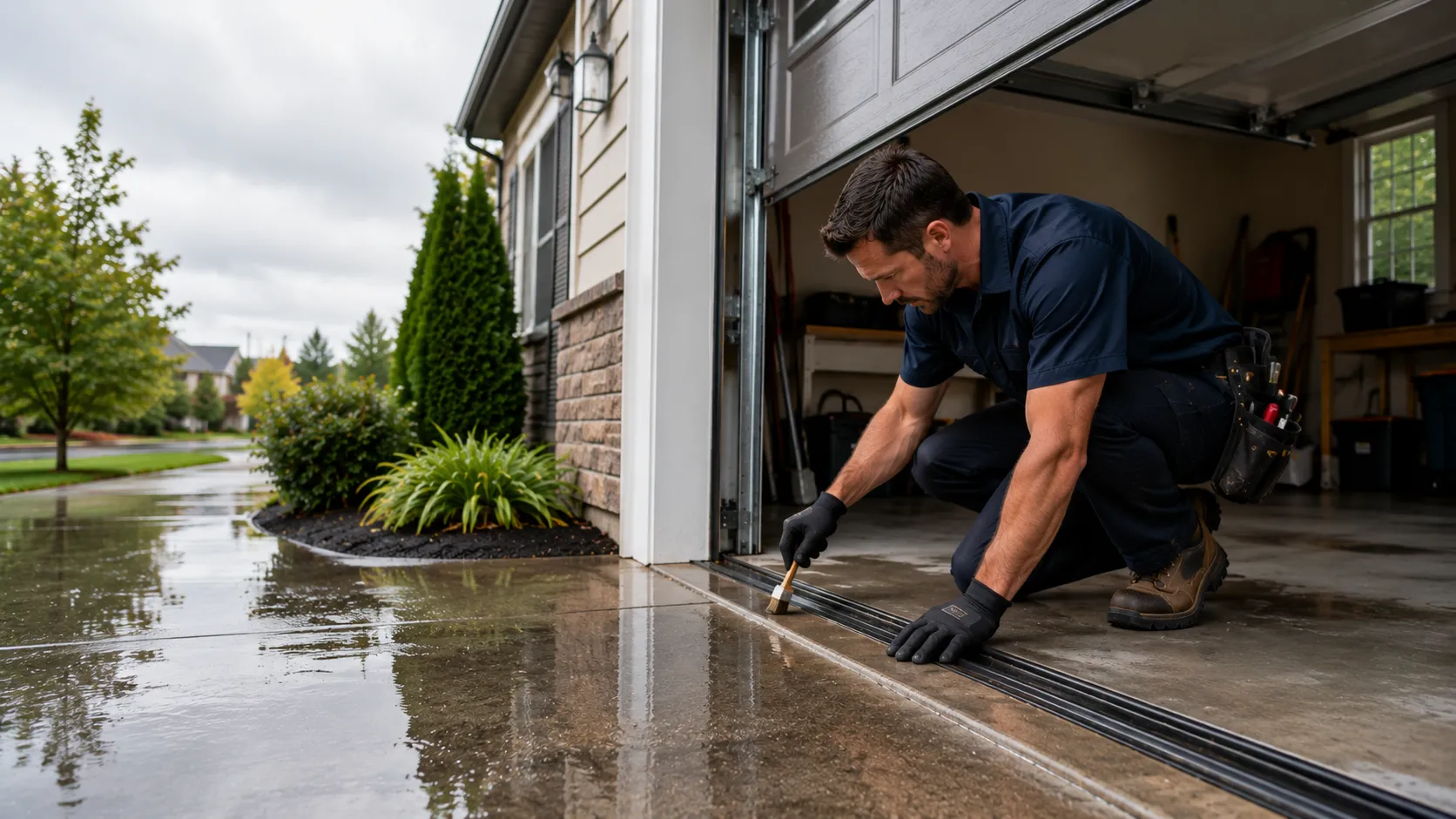
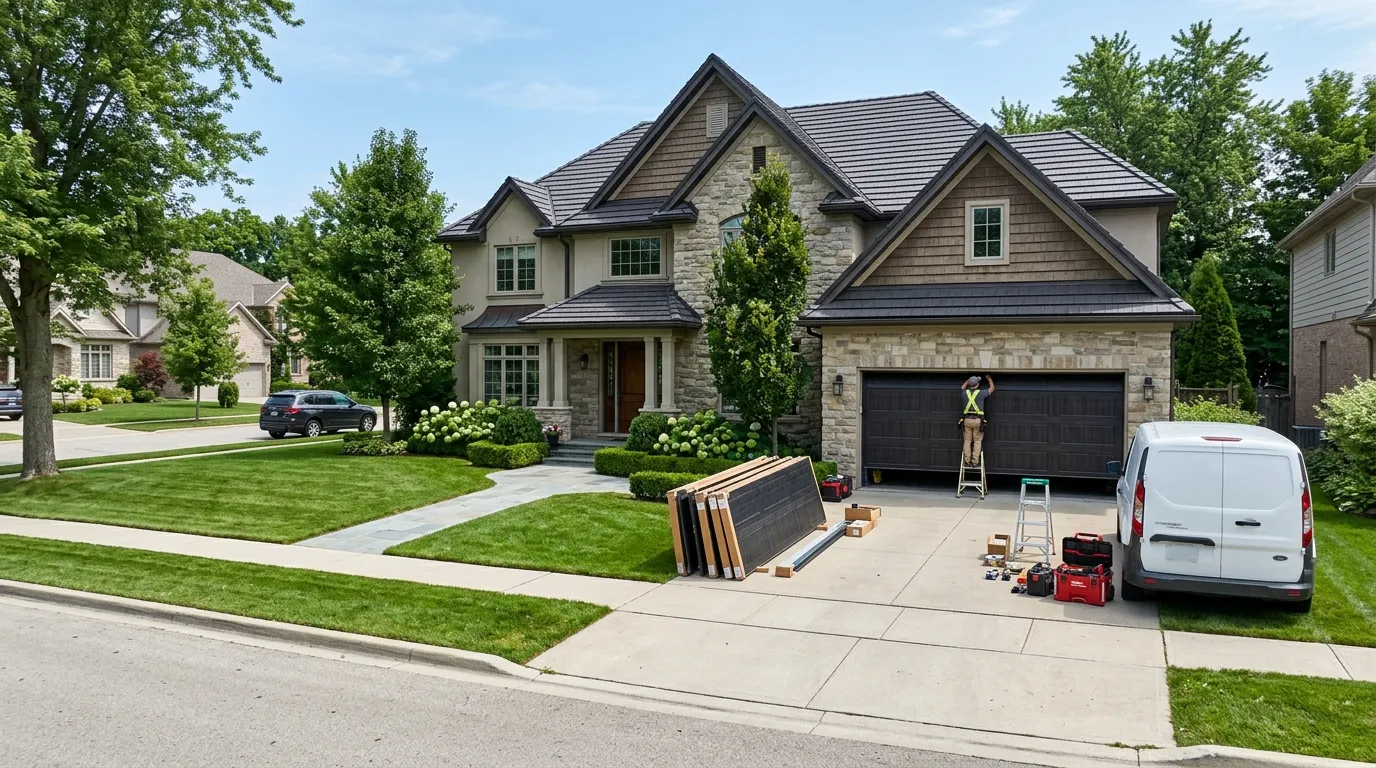
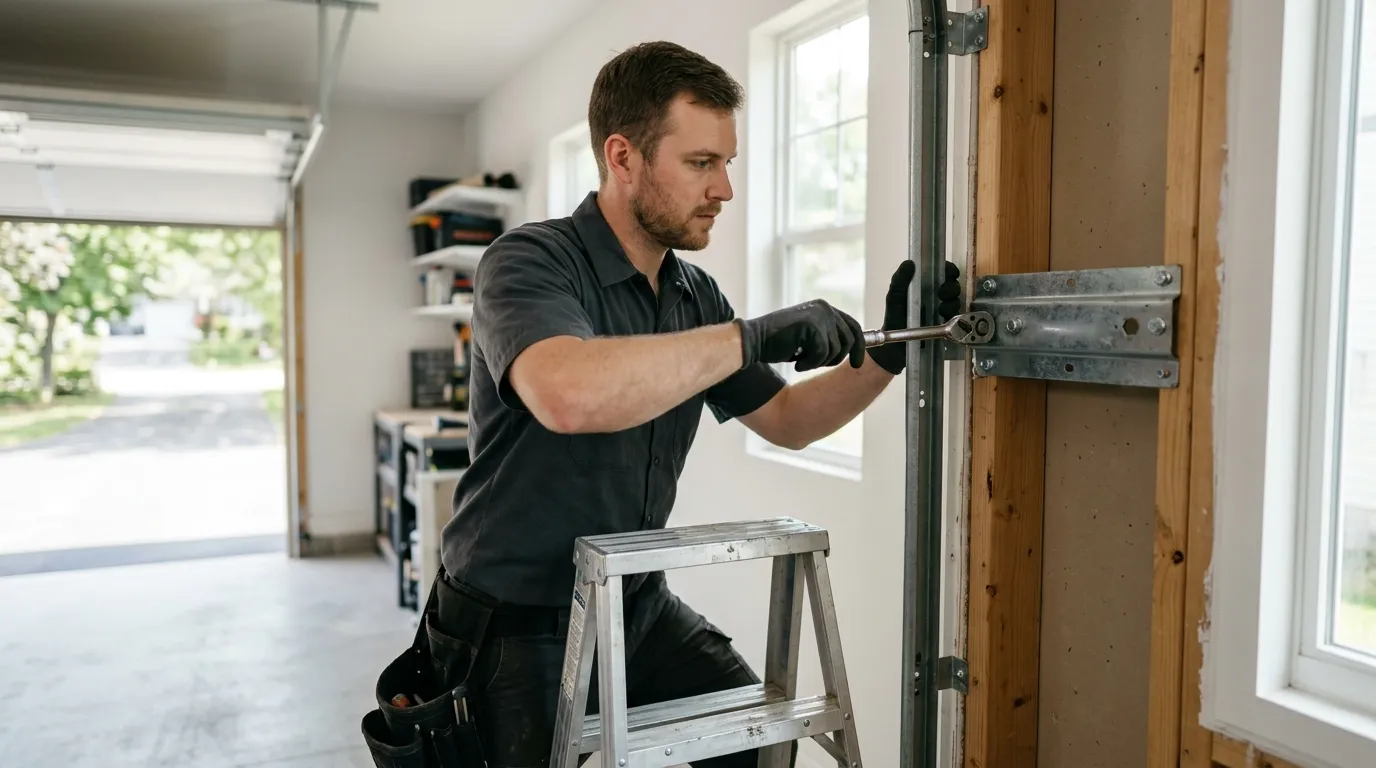
Waconia's housing stock centers around 2000, later than a lot of what we service across the wider area, where the median build year sits closer to 1986. By 2000, torsion springs were the standard on new construction - good news, since torsion setups are more predictable to size and replace than the extension-spring doors still common on older stock nearby. What we see instead is failure in the stuff that got cheaper as builders standardized: light-gauge photo-eye brackets that flex and knock the sensors out of alignment, plastic drive gears inside chain and belt openers that were fine for the first decade and start stripping in the second, and steel rollers that were never upgraded to nylon and have been grinding the track ever since move-in. Minnesota's cold hits every door regardless of build year - F3's severe-cold climate band means spring steel contracts, lubricant thickens, and a door that closes fine in July can bind and stall in January. On a 2000-era door that's otherwise sound, cold-weather binding is usually a lubrication and alignment fix, not a parts replacement, which is one of the more reasonable calls we make out here.
How It Shows Up
The most common call from Waconia is a door that reverses on its own a few inches from closed - almost always a photo-eye that's been nudged out of alignment by the light bracket flexing, not a broken spring. Second most common: an opener that runs but the door doesn't move, which on a chain or belt-drive unit from this era usually means a stripped internal gear, a $20-30 part that a lot of homeowners assume means a whole new opener. Third: one spring on a two-spring torsion door snaps, and the door will still limp open under power but strains the opener doing it - don't keep using it that way, it shortens the opener's life fast. Less often, we get an early call on rollers that have gone loud and rough; steel rollers on a builder-grade door installed around 2000 are hitting the end of their service life about now, and swapping to nylon before one seizes and cracks a track is cheaper than the alternative. One honest limitation: if the opener logic board itself has failed on an older unit, parts availability depends on the manufacturer and sometimes isn't worth chasing - full opener replacement is often the better math than a board that's back-ordered for weeks.