
What Causes It Around Here
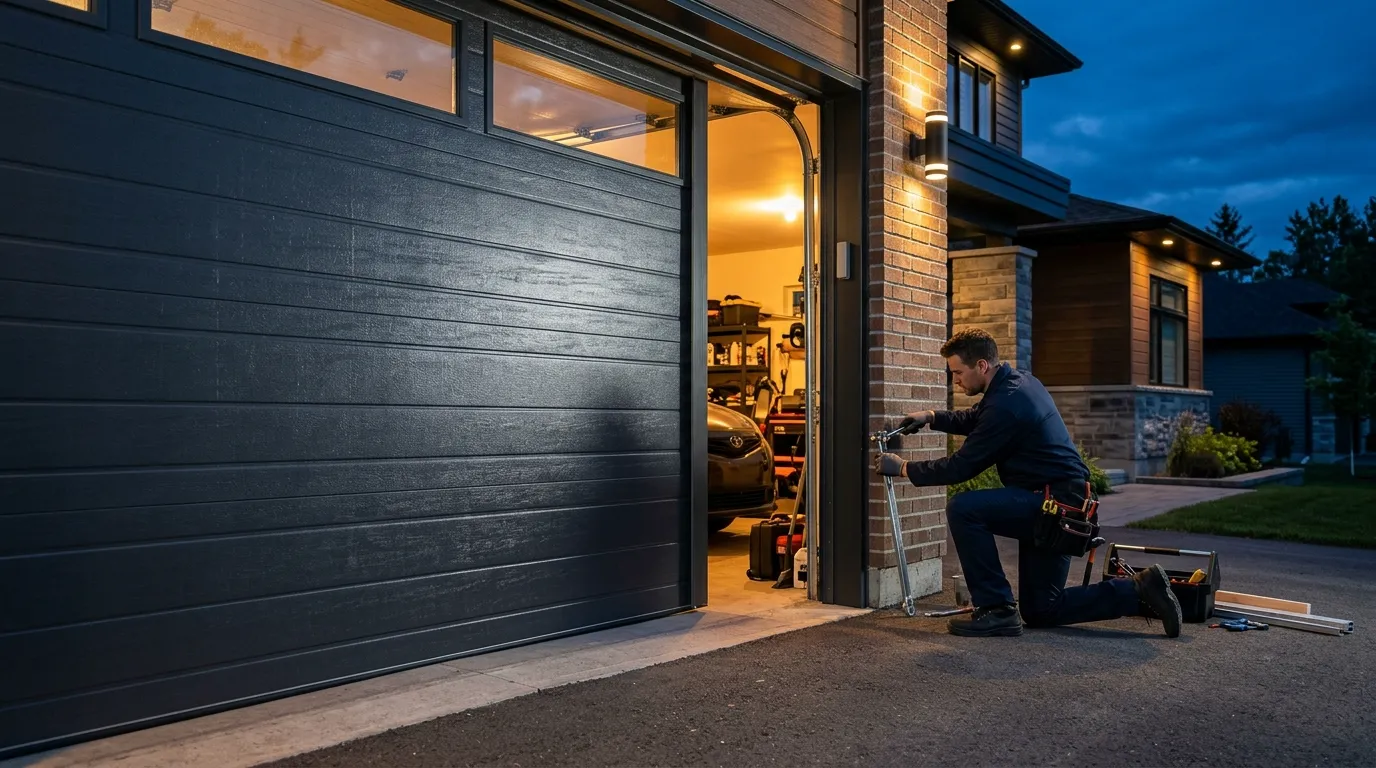
Waconia's housing stock centers on a median build year of 2000, noticeably newer than much of the wider Chaska service area, where the median runs closer to 1986. That gap matters for rollers specifically: a door installed in 1999 or 2001 has now put in over two decades of cycles on whatever roller shipped from the factory, and on a lot of these doors, that's still the original hardware. Builders in this era mostly speced plain nylon rollers on steel stems - functional, not built for 25 years of a Minnesota winter. Add the region's severe cold climate band, and you get stems that pit, bearings that dry out, and nylon wheels that flat-spot when the door sits still through a hard freeze. None of that is a defect; it's just the math of an original part meeting its expected lifespan at the same time a lot of neighboring houses hit theirs, since so much of the town went up in the same building push.
How It Shows Up
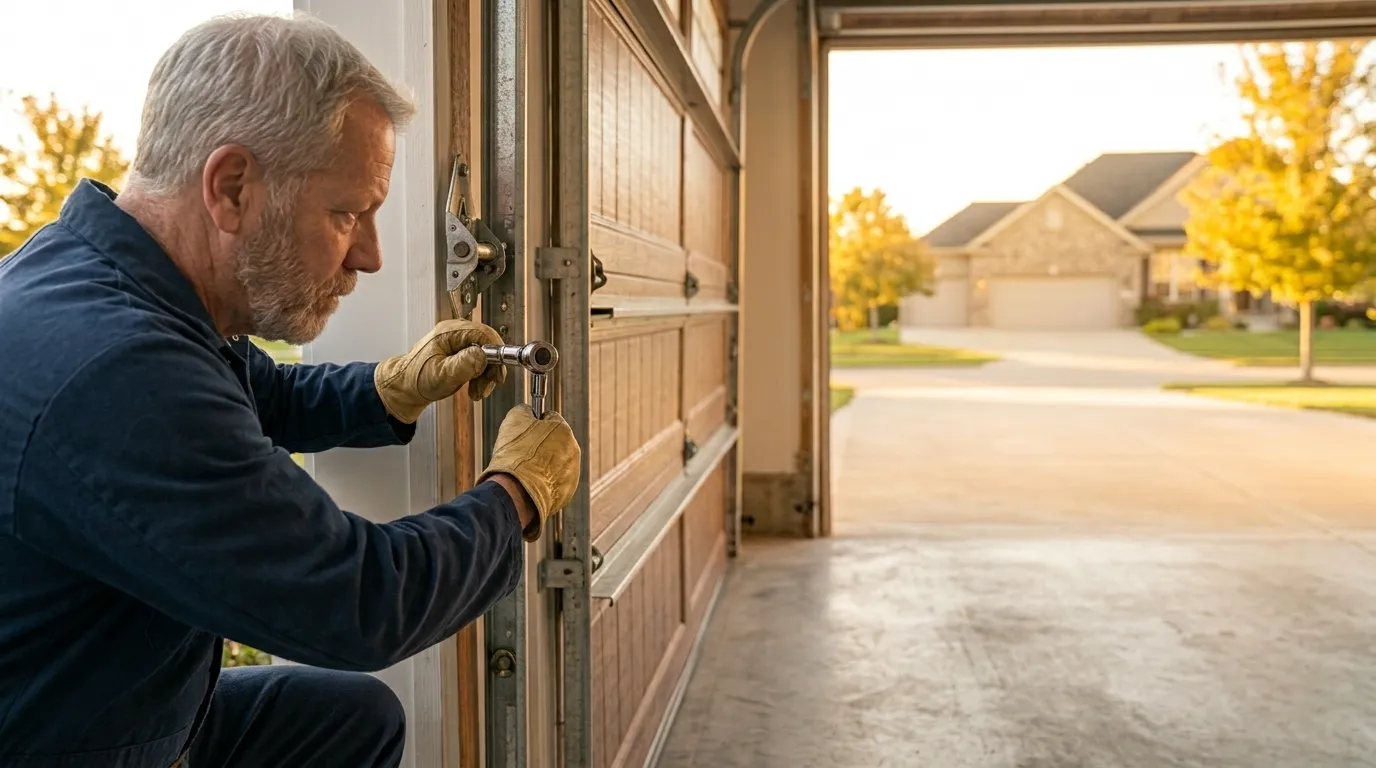
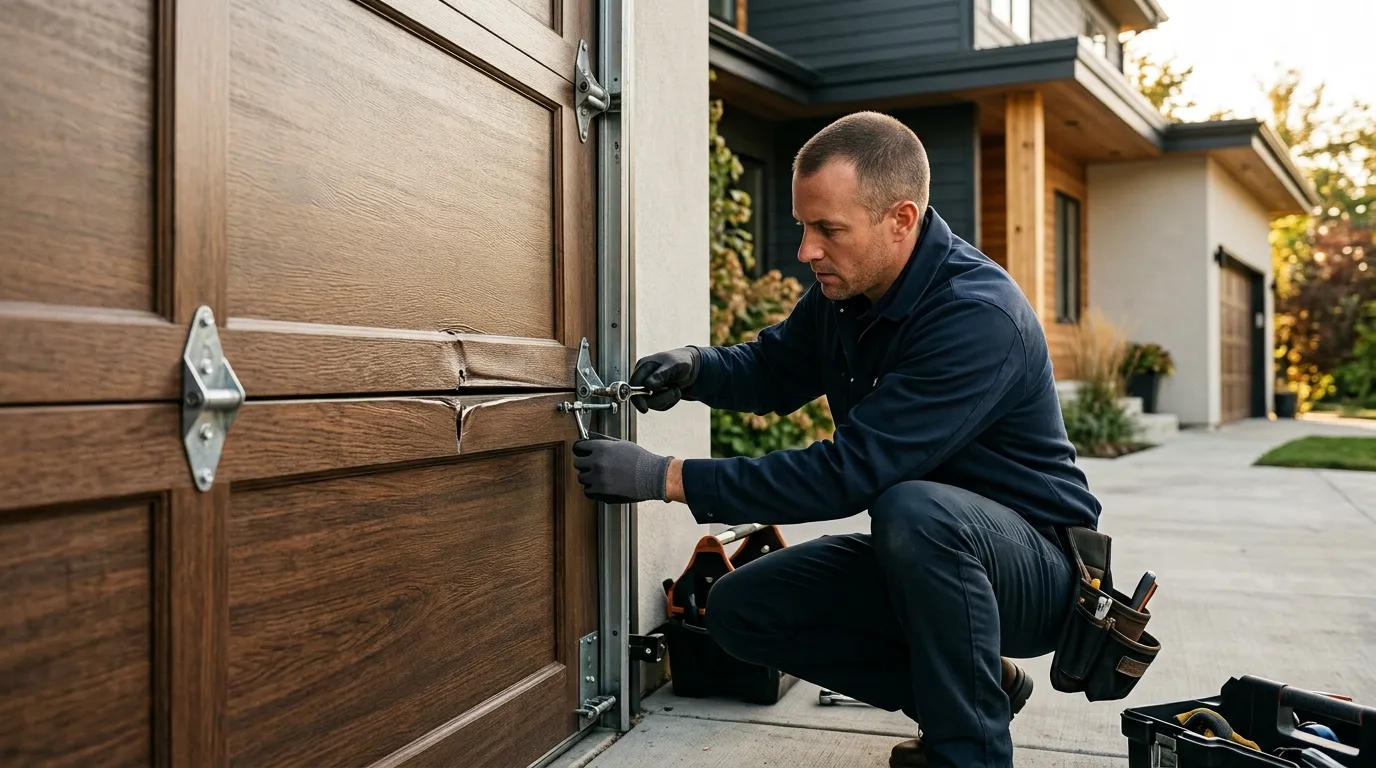
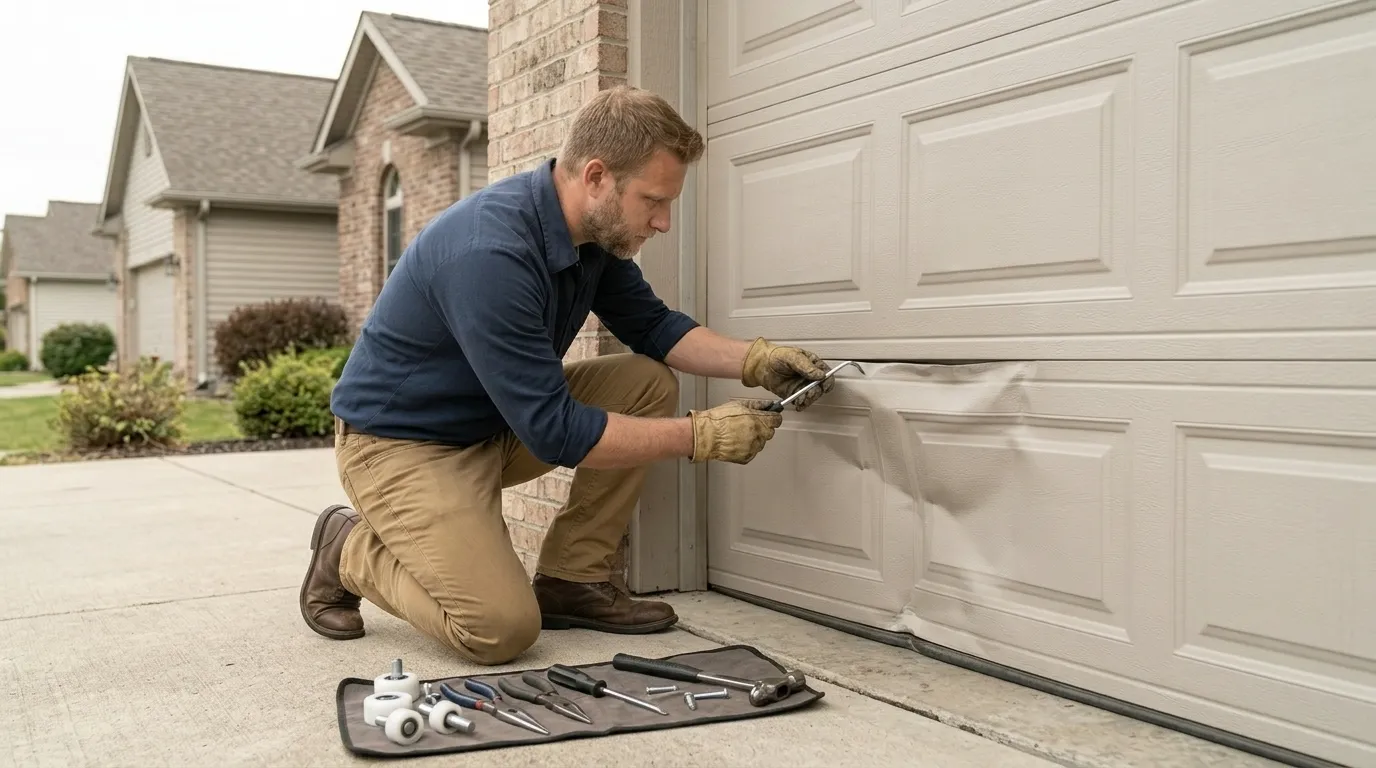
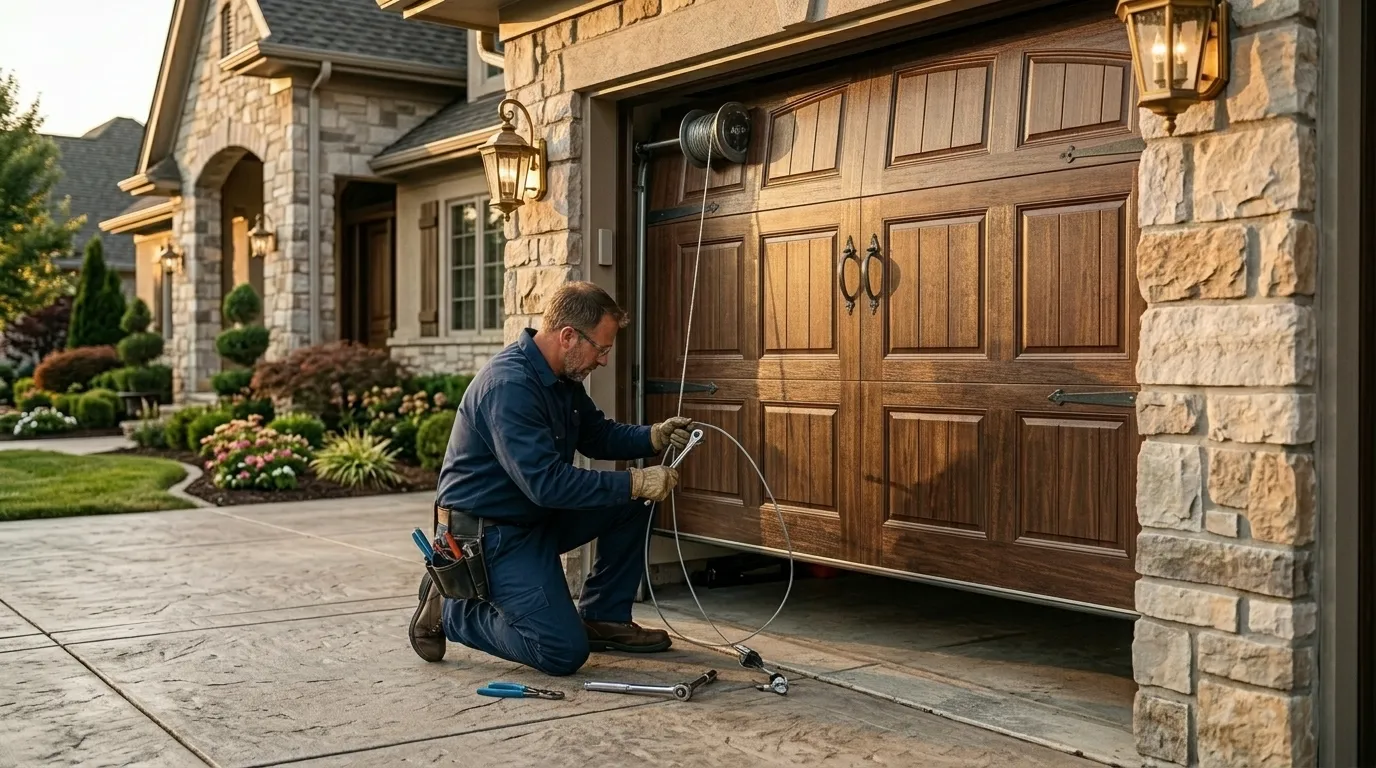
The first sign is usually a rhythmic thump as the door travels, one knock per rotation, which tells us a roller wheel has gone out of round rather than a bearing seizing outright. Sometimes it's a door that hangs up a few inches off the floor before finishing its cycle - a rear roller riding rough in the horizontal track section. On original hardware from a build year around 2000, we also see stems that have worn an oval hole into the roller bracket itself, which changes the fix from a swap to a bracket repair. If the door has started walking sideways in the track on its way down, don't keep running it; a roller that's about to fail can pull a track loose or put uneven load on a cable, and that turns a $200 job into a bigger one.