What Causes It Around Here
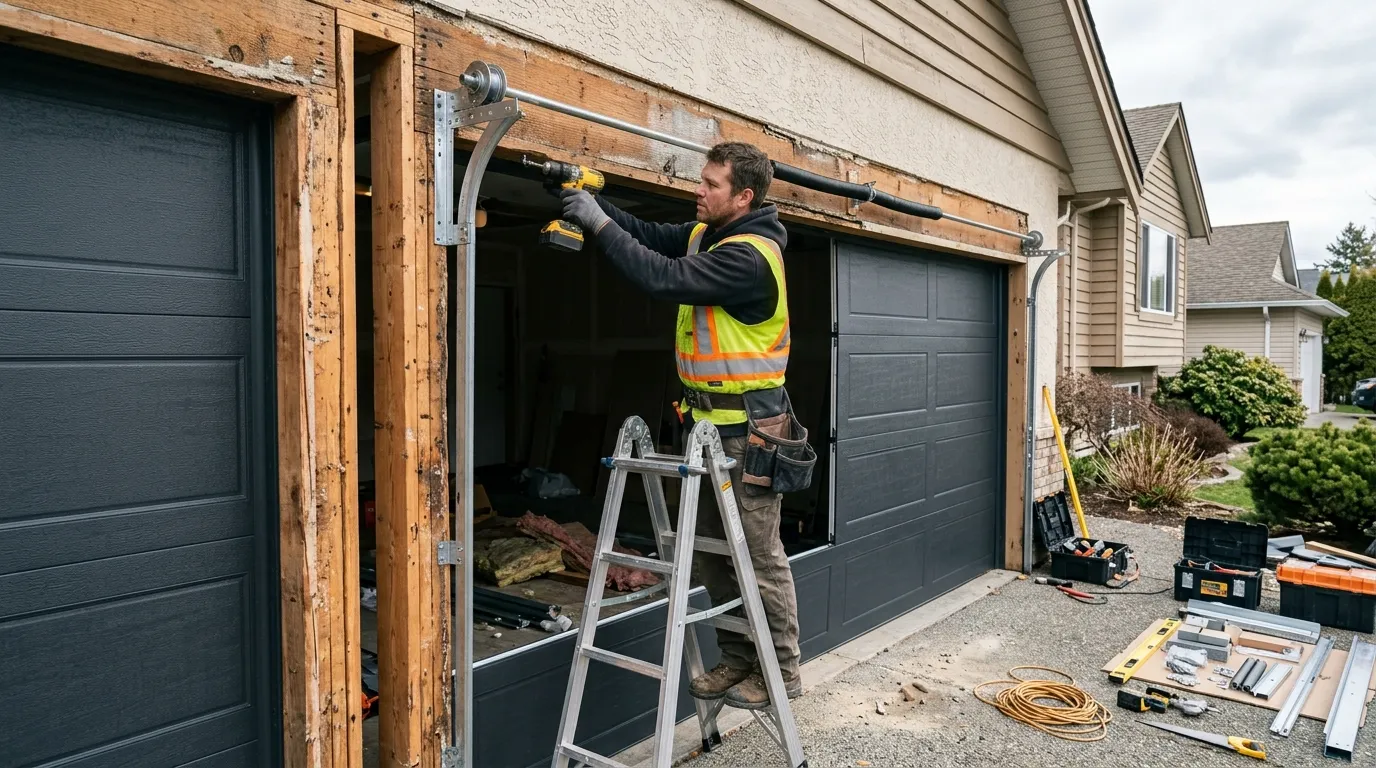
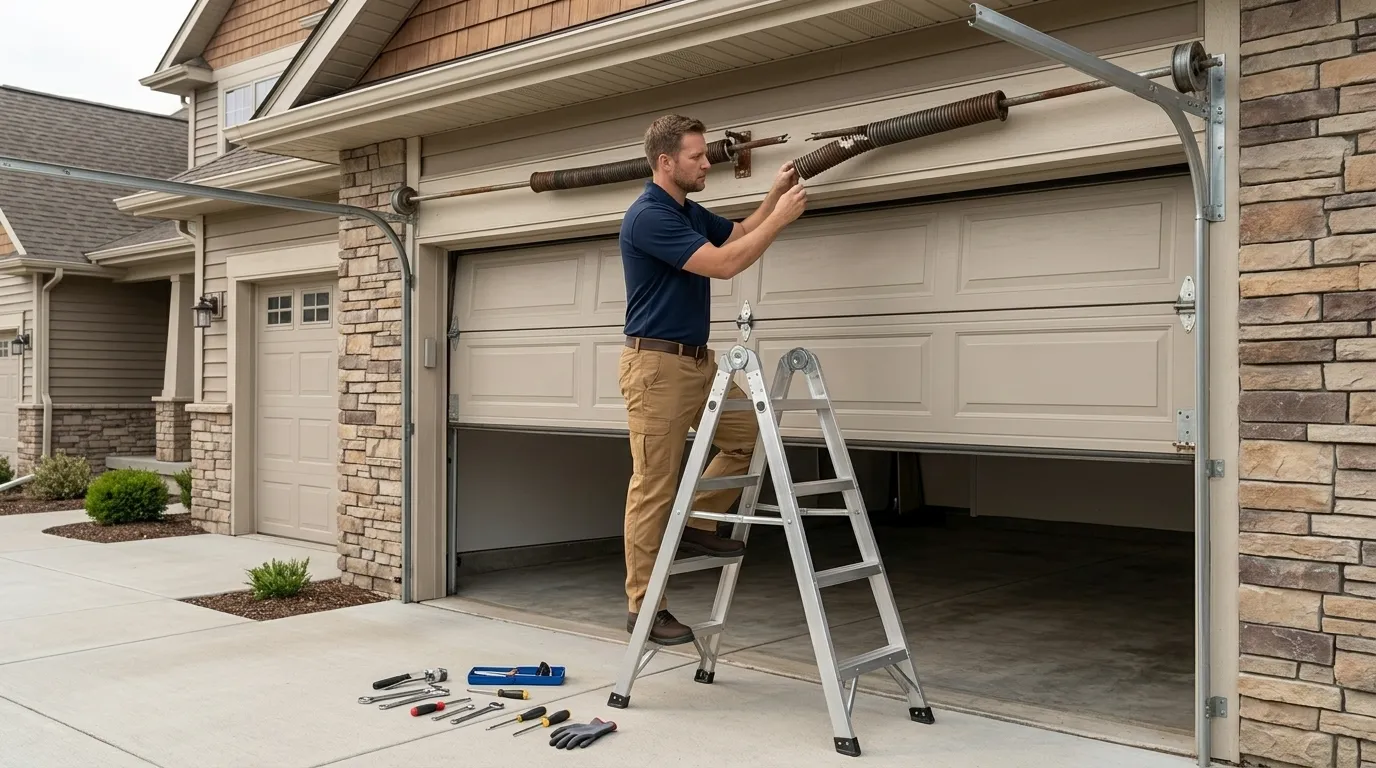
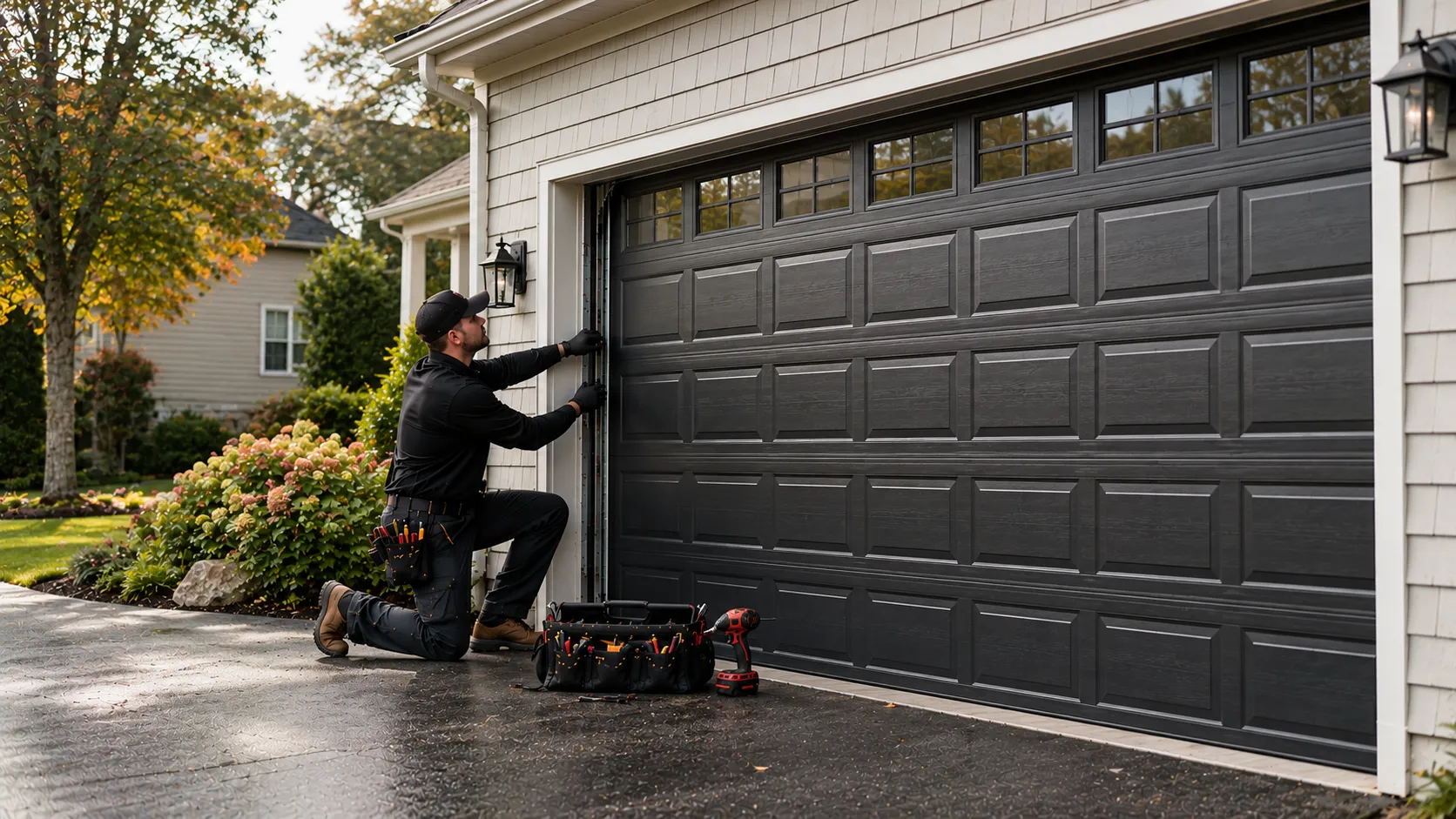
Waconia's housing is younger than most of what we see on a given week - the median build year here lands around 2000, a good decade and a half past the median across the wider service area. That means fewer of the original one-piece doors and side-mounted torsion setups we deal with in older towns, and a lot more factory-installed steel sectional doors on standard extension or torsion springs, sized for two- and three-car garages. Those doors are wider and heavier than what you'd find on a 1970s single-car garage, which puts more load on the spring and the opener from day one. The failure we see most in this stock isn't rot or warped panels - it's the spring or the cable giving out under a bigger door than the hardware was built to handle for twenty-plus years, plus the usual cold-weather effects on lubrication and cable tension once a Minnesota winter sets in. Roller and hinge wear on these newer doors is mechanical, not weather damage - they've simply cycled a lot of times.
How It Shows Up
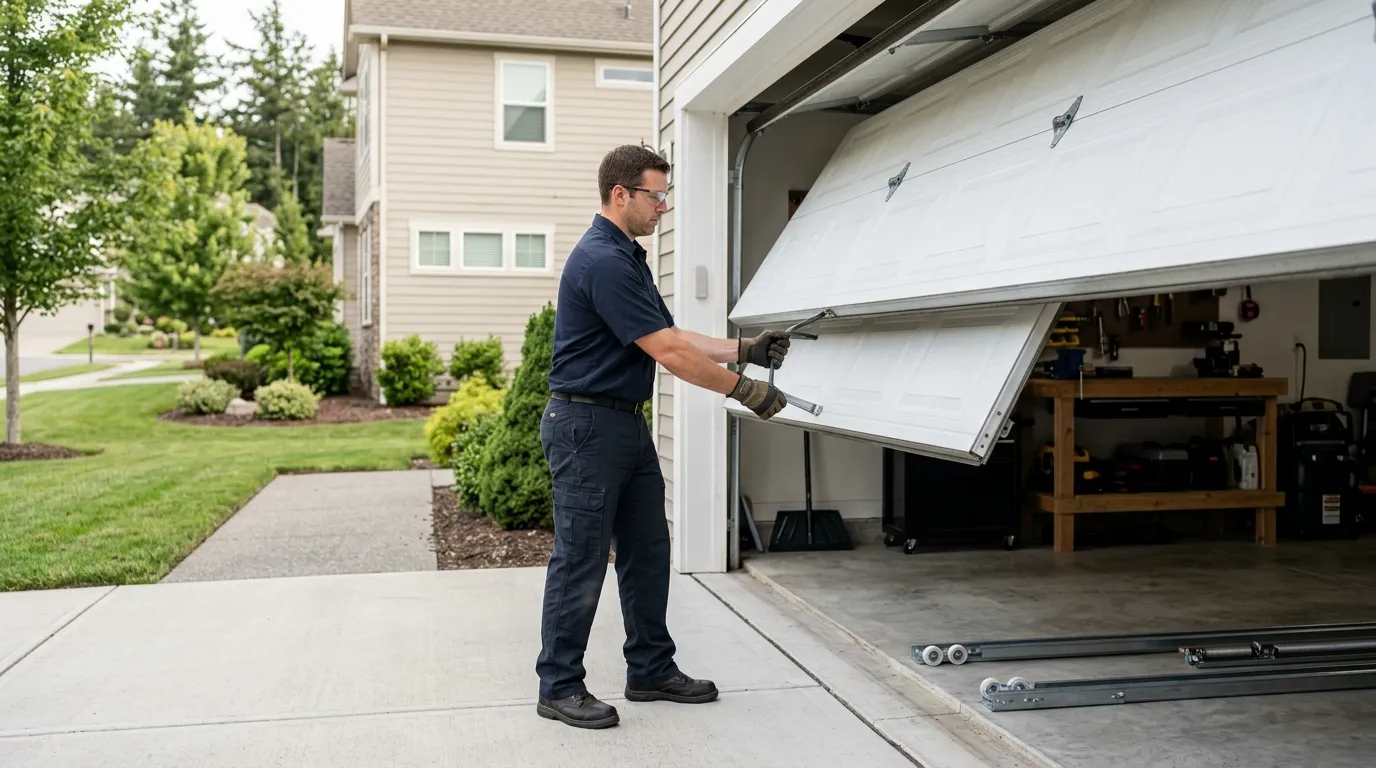
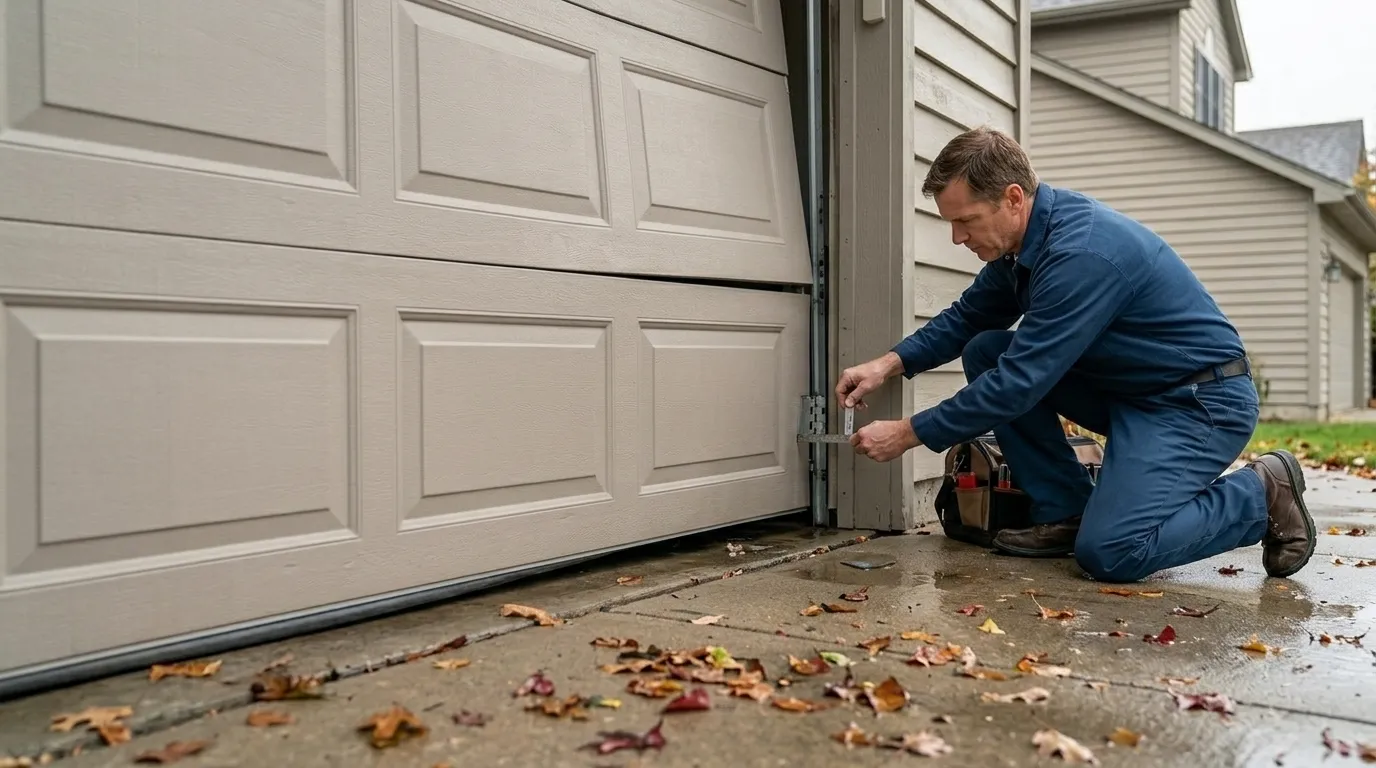
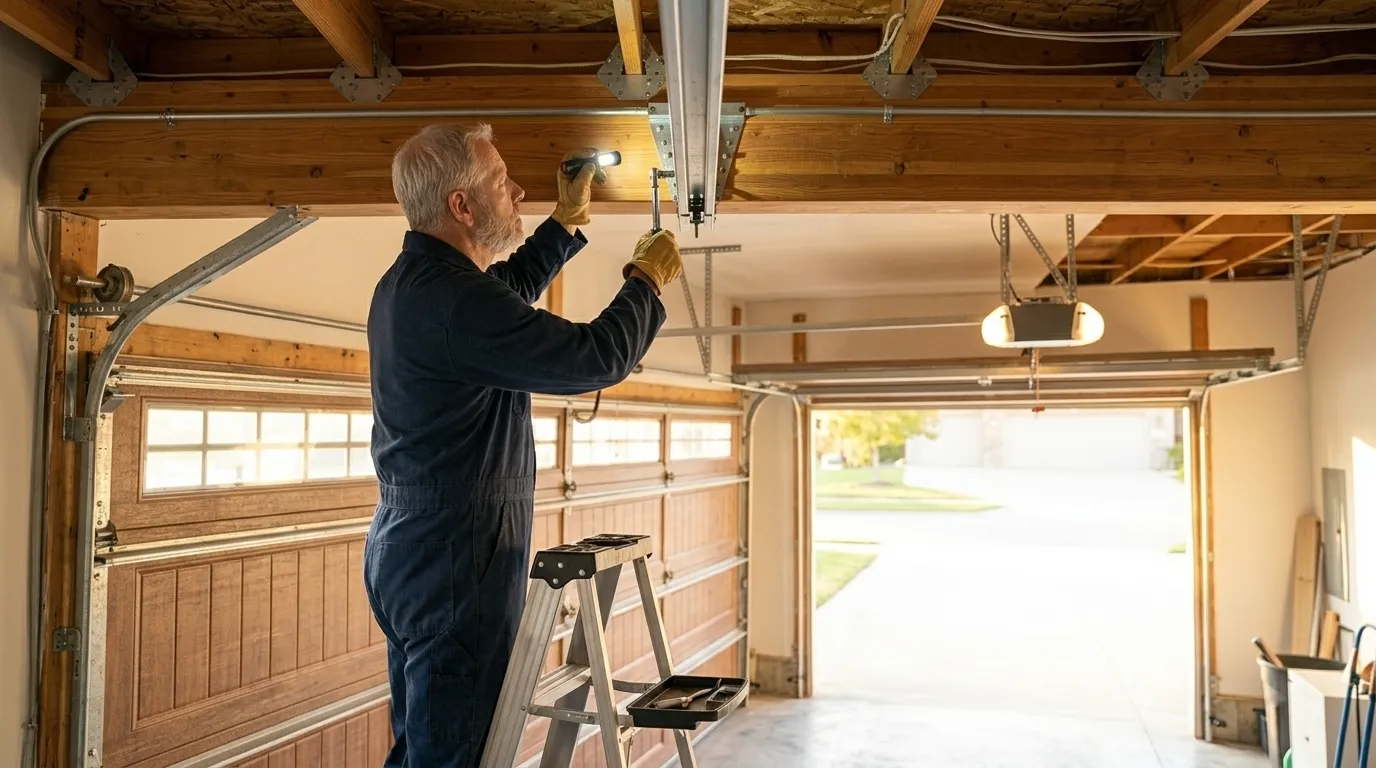
On the wider double and triple doors common in Waconia, a spring failure often looks like the door barely lifting off the ground before the opener stalls and reverses - the motor isn't weak, it's just fighting a spring that's no longer doing its share of the lift. You might hear a loud pop from the garage days before anything visibly breaks; that's usually the spring itself. Cable fraying shows up as a door that runs unevenly, dropping faster on one side, or a track that looks bent even though nothing hit it. In cold months, expect stiffness on the first open of the morning - the door moves rough for a few feet, then frees up. That's tension and lubrication, not necessarily damage, though it's worth having checked before it turns into damage.