Replacing a Garage Door in Chaska: What Actually Matters Here
A straight look at replacing a garage door in Chaska, MN, where most homes date from 1954 to 2006 and winters are cold enough to matter. No invented prices, just the real factors.
Chaska sits in a cold-severe climate band, and that shows up on a garage door before it shows up anywhere else on the house. Steel skins contract in a hard freeze, and if the door was built without a thermal break or with thin foam fill, the panel flexes and the weatherstrip at the bottom loses its seal. On a lot of the doors installed on homes built in the 1980s and 1990s, that's exactly what you've got: single-layer steel, minimal insulation, and a bottom seal groove that was never sized for the tighter gaskets sold today.
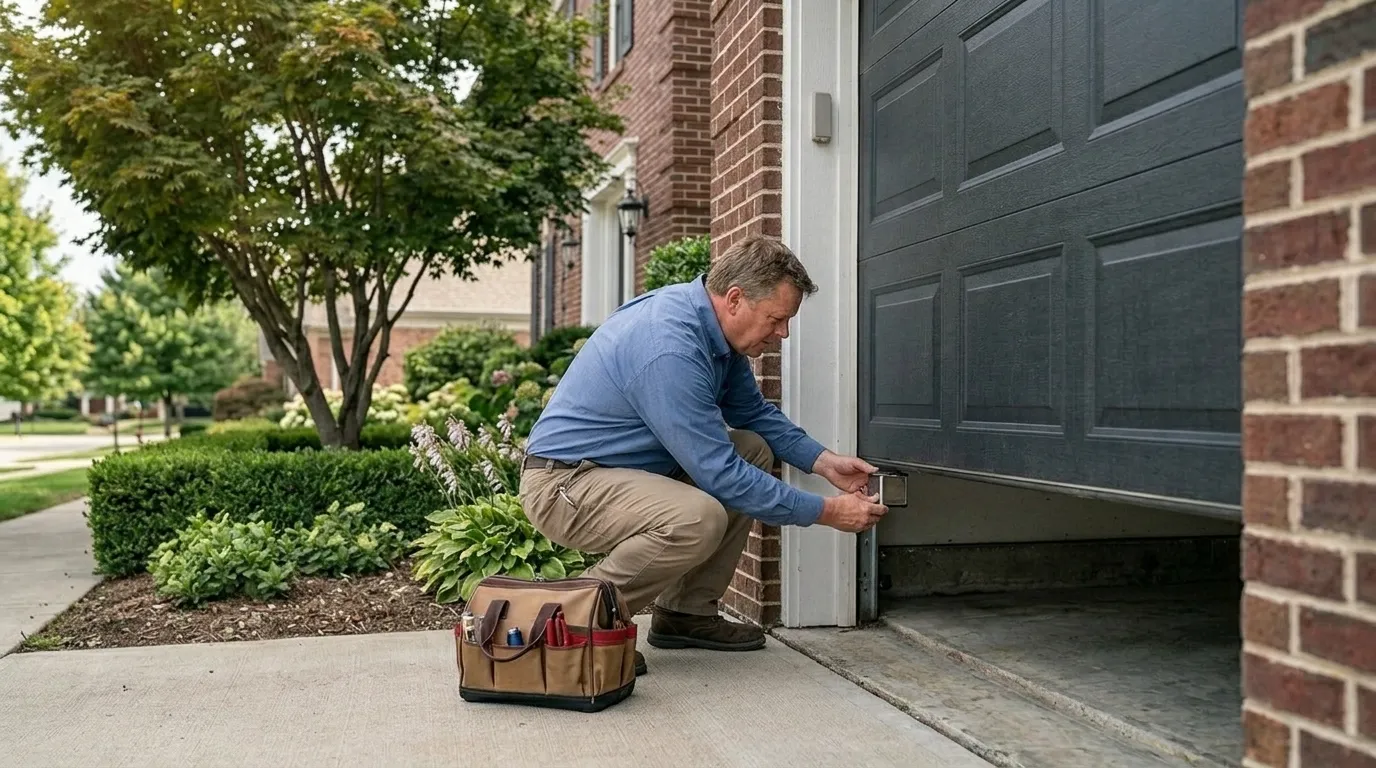
When a door starts letting a cold draft into an attached garage in a house from that era, replacement usually beats patching. You can add a new bottom seal or a threshold kit, but if the panel itself is still thin steel from the original build, you're managing the symptom, not the cause. A double-layer or triple-layer steel door with a real R-value holds up to repeated freeze-thaw cycling in a way the older single-skin doors never did, and that matters more here than it would somewhere with a milder winter.
The Seasonal Bit
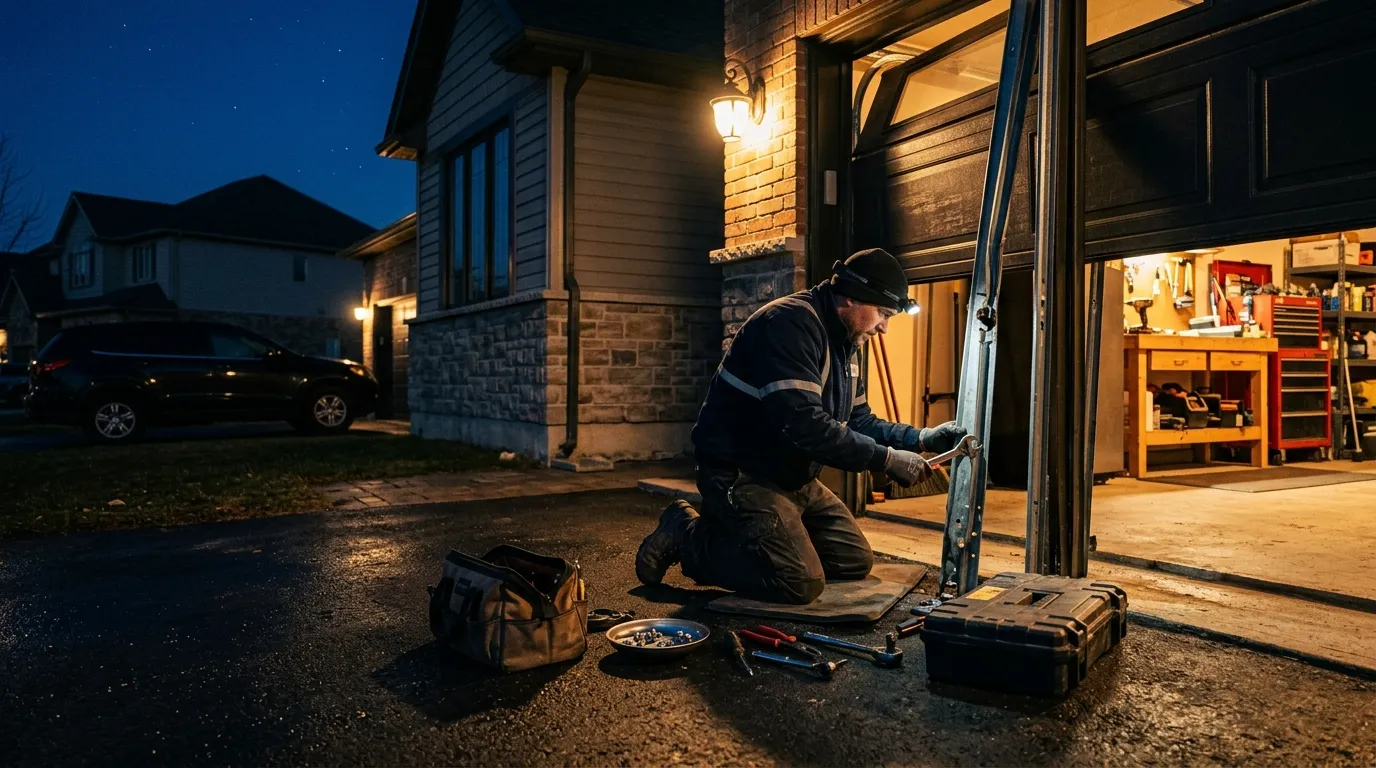
The stretch that breaks doors in Chaska isn't a single storm, it's the swing. Temperatures here move from well below freezing to a January thaw and back again, sometimes inside a week, and that cycling is hard on torsion springs and track alignment. Metal contracts overnight and expands by afternoon, and a spring that's already near the end of its cycle count will often let go during one of those swings rather than during the coldest stretch of the year.
If you're weighing repair against replacement heading into winter, timing matters. A door held together with an aging spring and worn rollers is more likely to fail on a cold morning than a mild one, because cold steel is stiffer and the opener has to work harder to move it. That's not a reason to panic-buy a door in November, but it is a reason not to defer a decision on a door that's already showing wear once the season turns.
What Is Going On
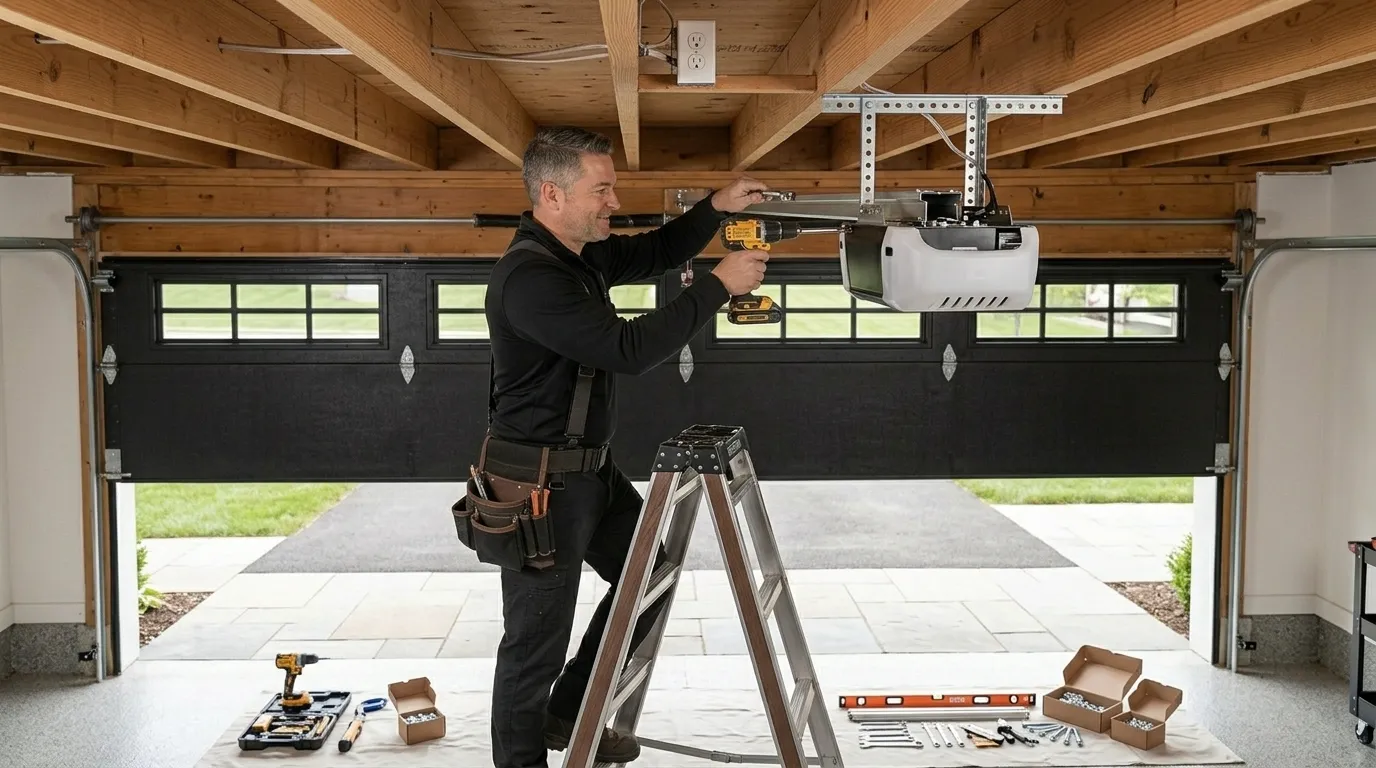
Housing in the Chaska service area was built mostly between 1954 and 2006, with the bulk of that stock going up in the 1980s and 90s. A door installed when a house was built in, say, 1988 is now well past the point where parts match anything on a current hardware shelf - torsion springs wound to old cycle specs, tracks in gauges nobody stocks, and openers with drive systems that were discontinued years ago.
Across the roughly 61,559 owner-occupied houses in this area, that's a lot of doors reaching the same wall at close to the same time, which is part of why replacement conversations are common right now rather than occasional. It's not that every door from that era needs to go - some were maintained well and still run fine - but when a homeowner calls about a door from a house built in that window, the question usually isn't whether it can be patched again, it's whether patching it again is worth the labor.
What It Costs
We're not going to hand you a number here, because a fair one depends on the door size, the insulation level you want, and whether the opener needs to come out with it - and we don't have a published price list to draw from. What we can tell you is what drives the decision in this area specifically. Median household income here runs around $116,500, and most of the replacement jobs we see land on mid-tier insulated steel doors rather than the cheapest single-layer option or the top-end custom wood look - owners here tend to want something that holds heat and lasts, without over-building it.
One honest limitation: if you want a door in a less common width, a carriage-style panel, or a specific insulation rating, lead time can run longer than a standard steel door in stock sizes. We'll tell you that up front rather than promise a date we can't hit. The only way to get an actual number is a look at the opening and the current door - anything quoted without that is a guess.
How it works
From “it’s stuck” to “it’s fixed”
01
Tell us what’s wrong
Describe the symptom - won’t open, loud bang, opener runs but the door won’t move.
02
On-site diagnosis
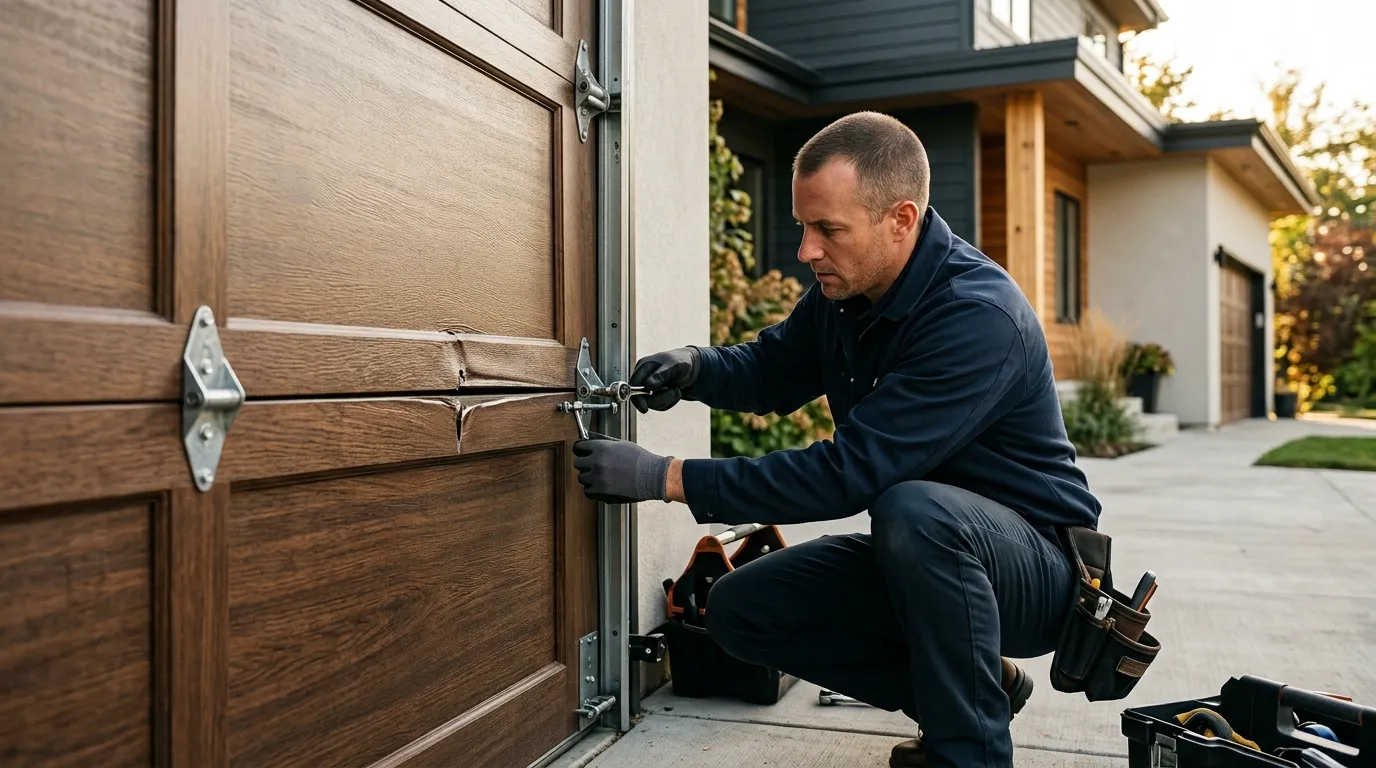
A technician tests the door under power and by hand and finds what actually failed.
03
Clear, up-front plan
You get the fix that’s needed and what drives the cost - before any work starts.
04
Repaired & tested
The repair is done, the door is set true and tested, and the work area left clean.
Serving Chaska, MN - tell us what your door’s doing and we’ll take it from there.
How old does a garage door have to be before replacement makes more sense than repair?
There's no fixed age, but a lot of the doors on homes built in the 1980s and 90s here are now on original hardware - springs, tracks, and sometimes the opener too. Once you're replacing the second major part on a door that old, the labor on repeated repairs starts to add up close to what a new door would cost.
Does the cold in Chaska actually shorten a garage door's life?
Yes, mainly through freeze-thaw cycling. Steel expands and contracts as temperatures swing, and that stress is harder on springs, rollers, and seals than steady cold would be. A door built without real insulation feels this more than a double or triple-layer steel door does.
Can you just quote me a price over the phone?
Not honestly. Door size, insulation level, and whether the opener needs replacing all move the number, and we don't have a flat price sheet to read from. We'd rather look at the actual opening than give you a figure we can't stand behind.
What insulation level should I get for a Chaska winter?
Given the cold-severe climate here, a double or triple-layer steel door with a real R-value is usually worth the extra cost over a single-skin panel, especially for an attached garage. It's one of the few upgrades that pays off every winter, not just once.
Ready to get your garage door sorted?
Tell us what it’s doing and where you are in Chaska - we’ll take it from there.