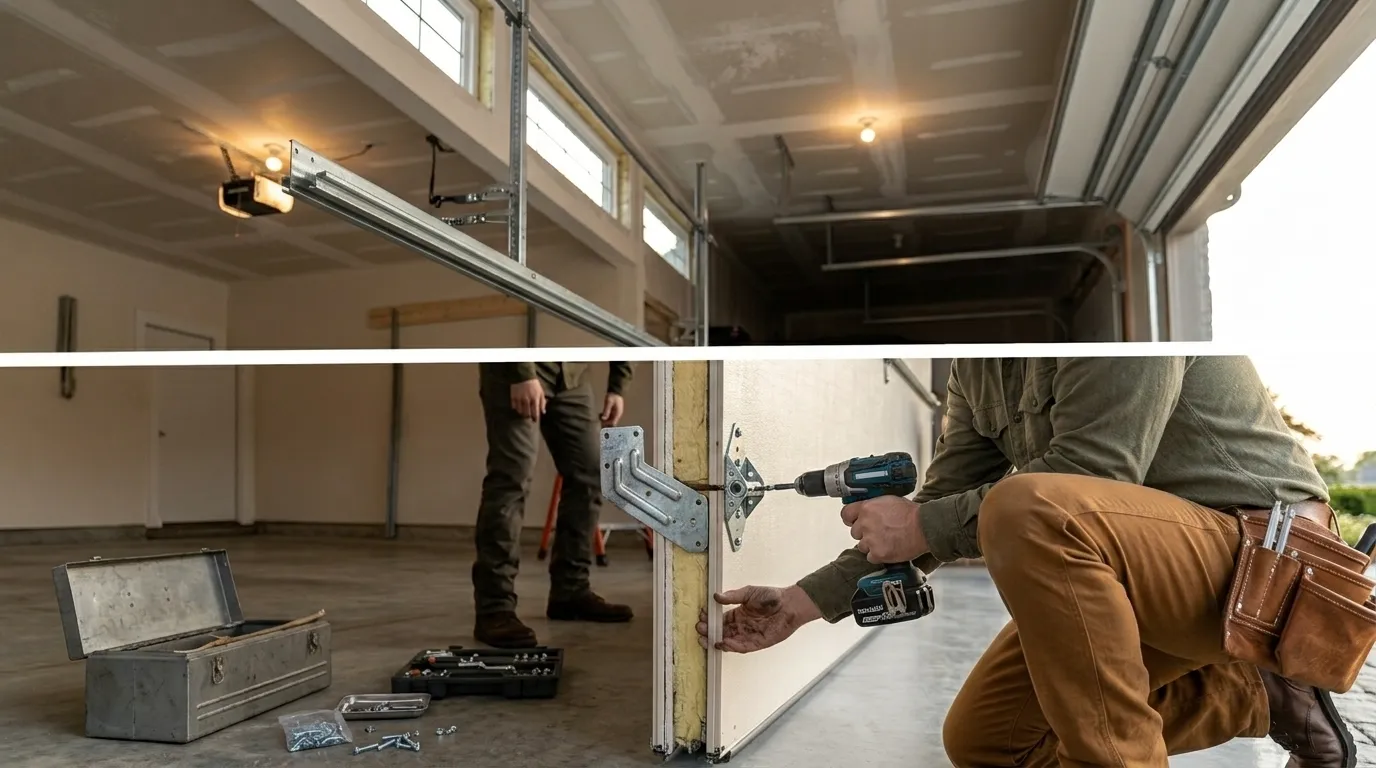
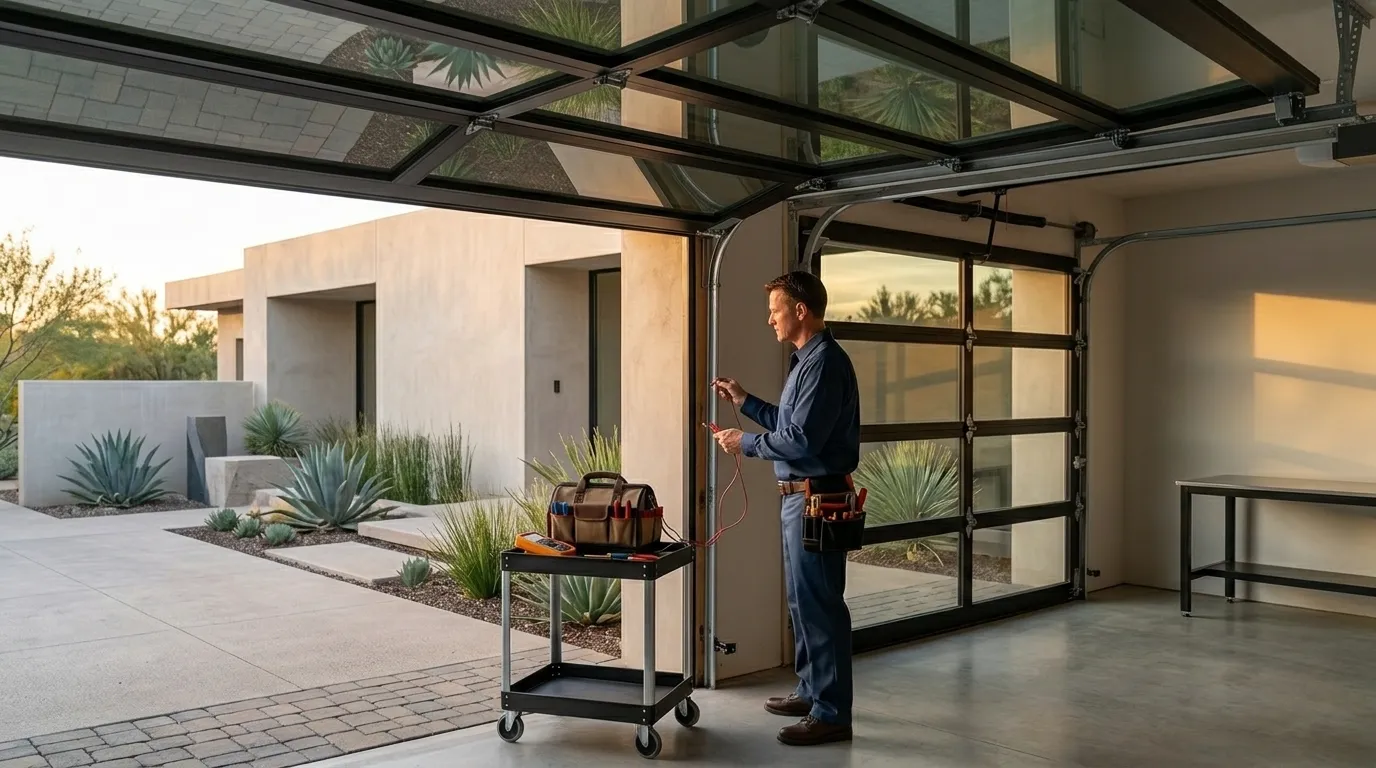
Franklin homes mostly date to the mid-1970s, older than much of the wider service area. We travel from Chaska to fix the springs, openers and tracks that era actually uses.
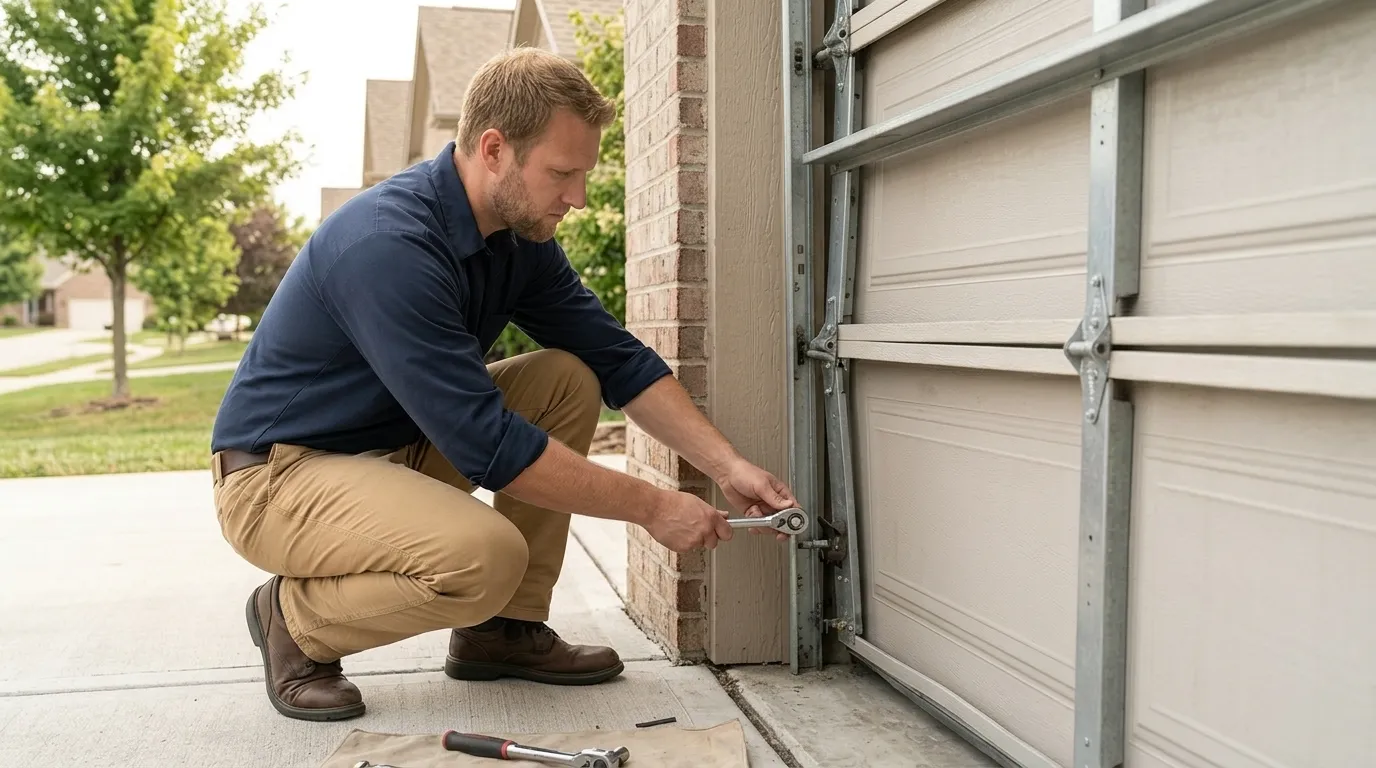
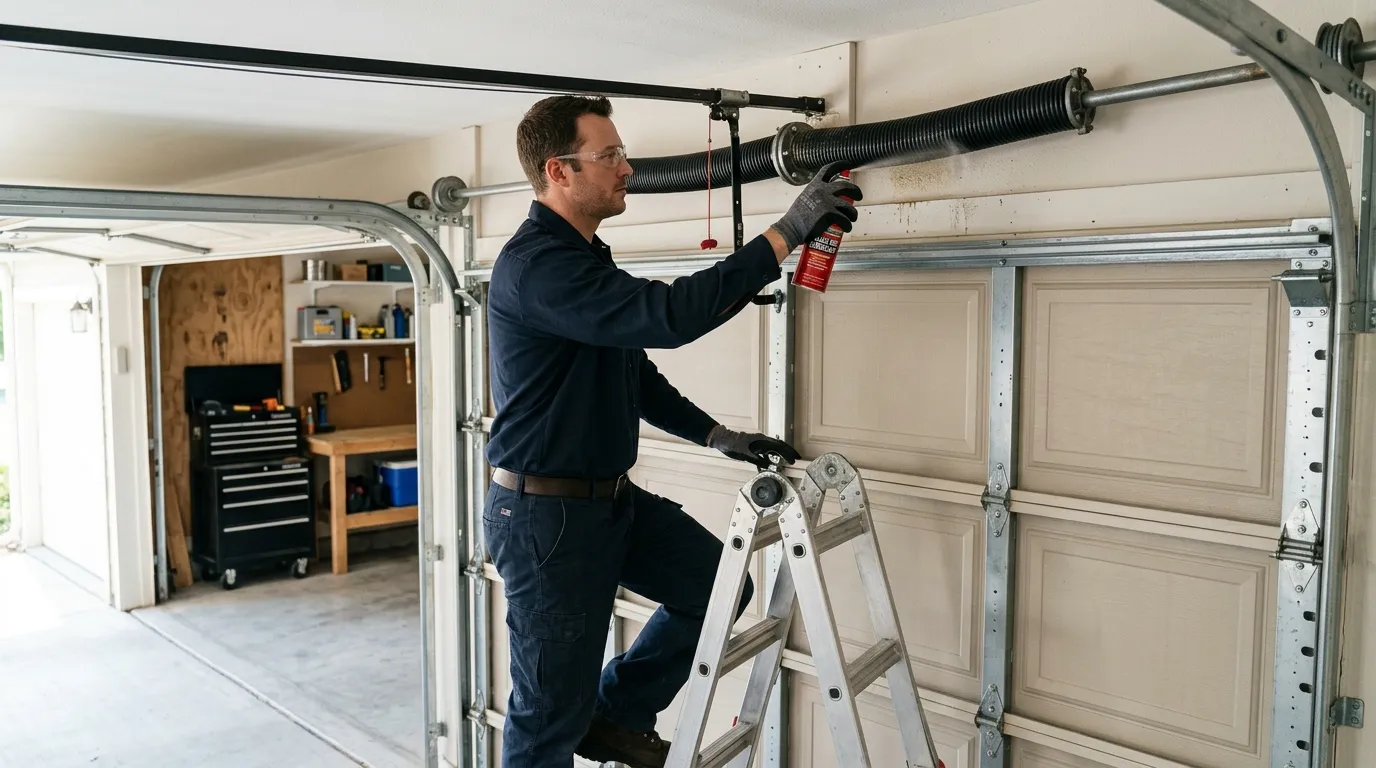
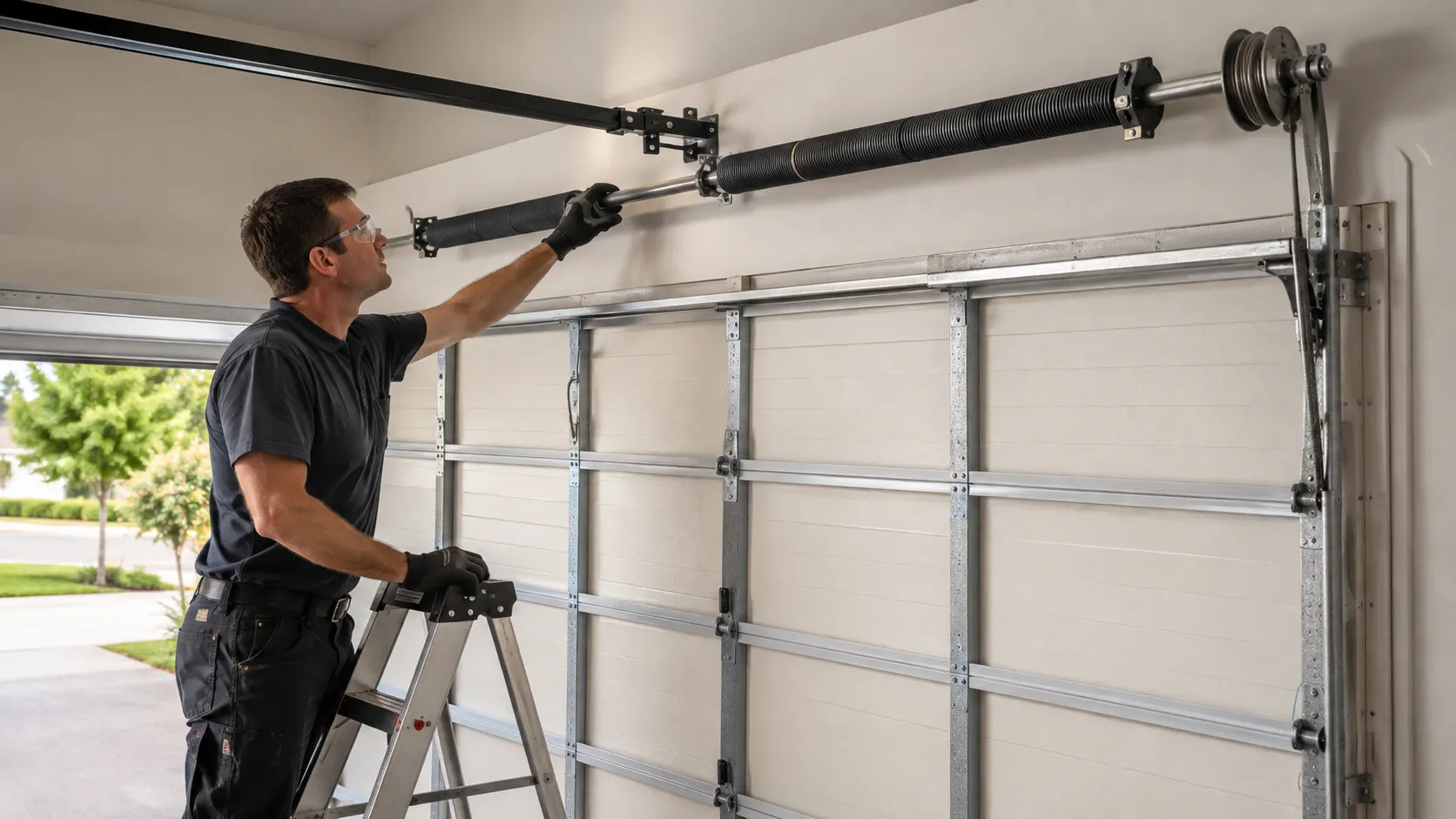
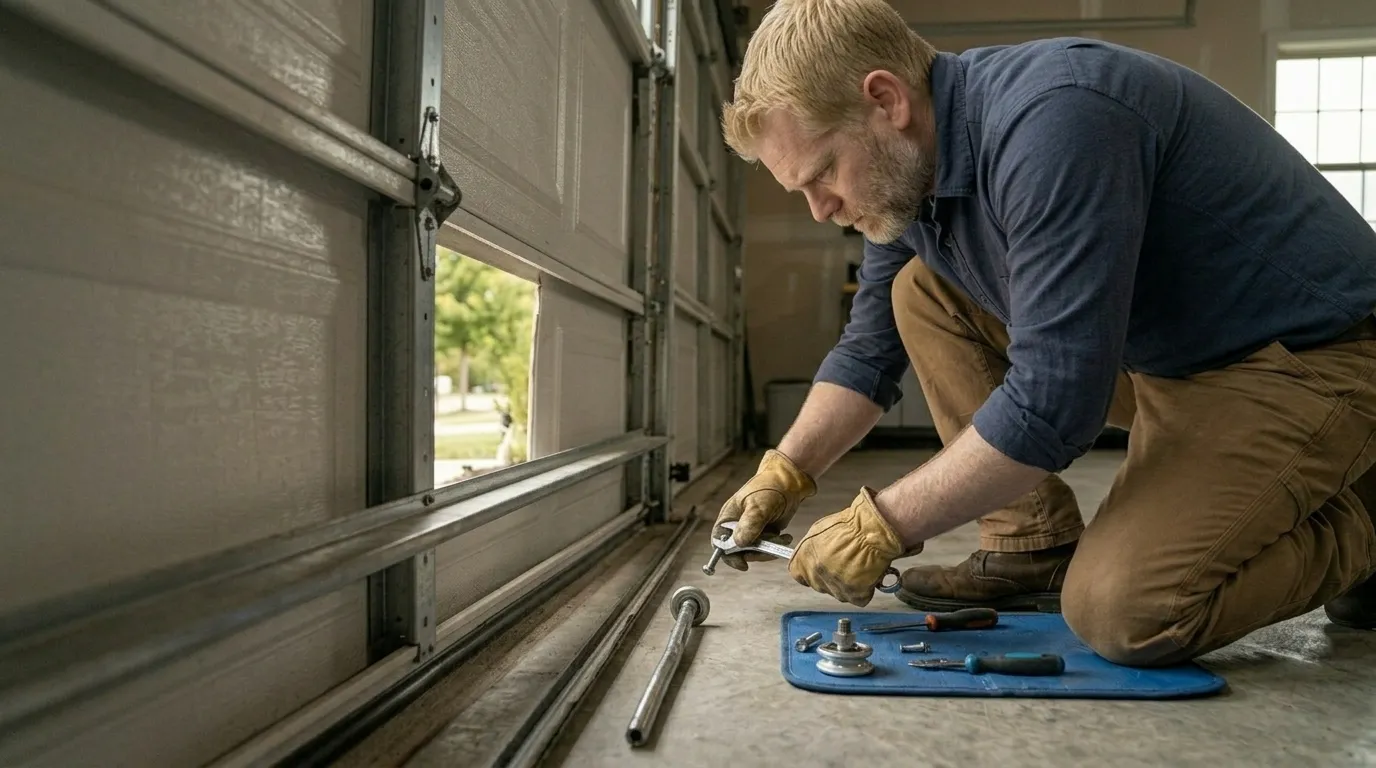
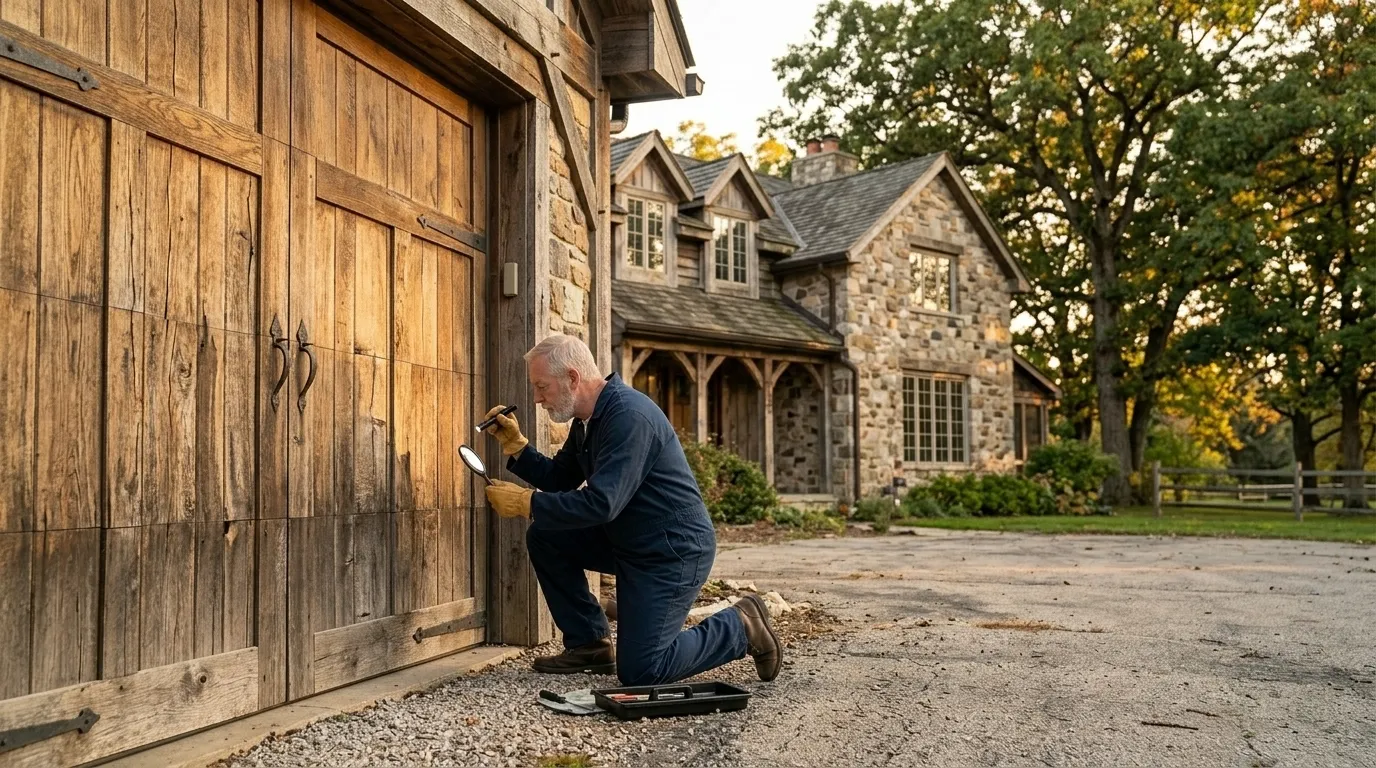
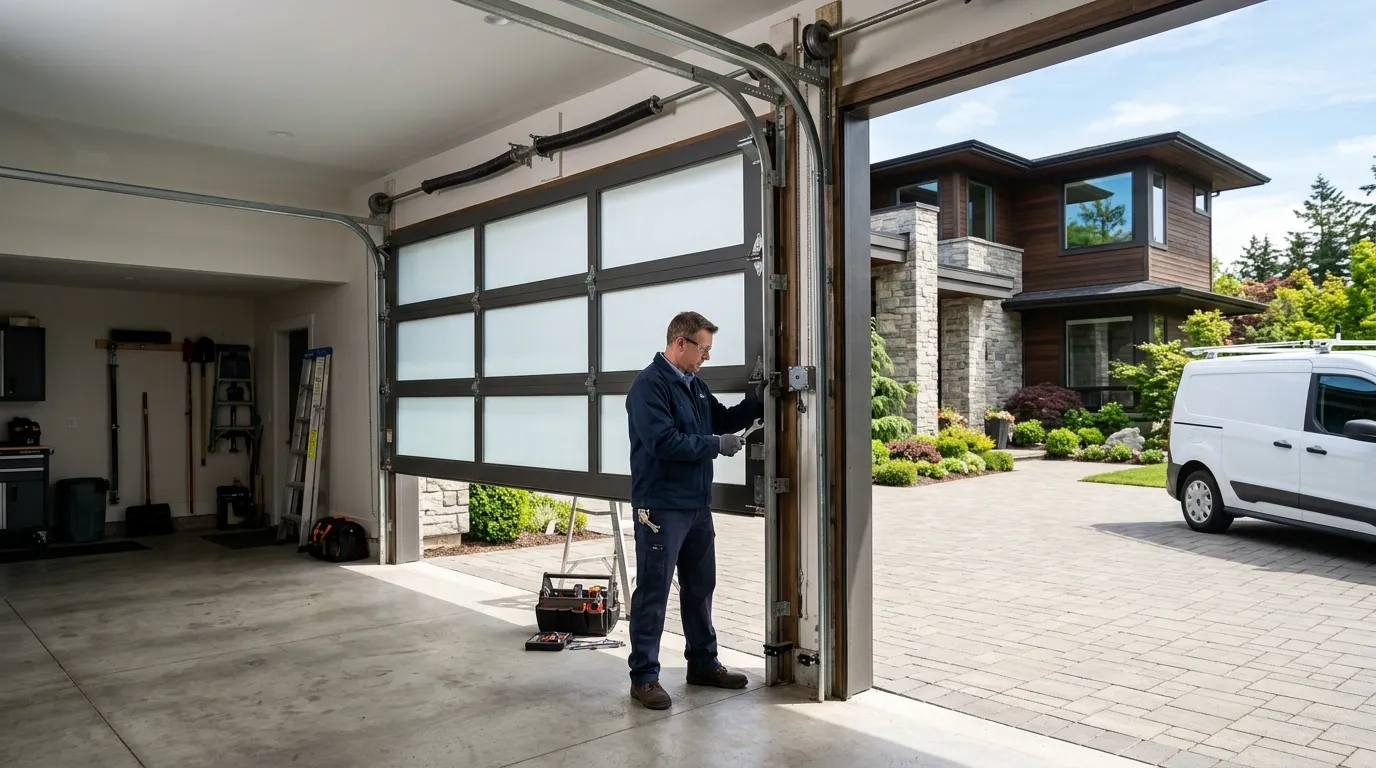
Franklin's houses have a median build year of 1976, which puts this pocket noticeably ahead of the broader service area, where the median sits around 1986 and most stock dates from the 1980s and 90s. That ten-year gap matters more than it sounds. A door installed in the mid-1970s is more likely to be running on an older extension-spring setup rather than the torsion systems that became standard through the 80s and 90s, and the opener - if it's been replaced at all - has probably gone through at least one swap already. We see more worn pulleys and frayed lift cables here than in the newer sections of the coverage area, simply because the original hardware has had longer to wear down. If your door still has the same track and spring assembly it came with, it's closing in on fifty years of use, and that's past the point where most components are rated to last. None of that means something's about to fail tomorrow - plenty of 1970s doors run fine with regular lubrication and the occasional roller swap - but when something does go, it's usually the older-style hardware, not the newer stuff.
Old Streets and New Ones
Franklin doesn't read as a single subdivision built in one push. With 984 households, it's a smaller pocket than some of the larger named areas in the service territory, and the housing here reflects a longer build-out rather than one developer's tract. That mix means we run into a wider spread of door ages and mounting styles on back-to-back calls than we would in a neighborhood built in a single decade. A house from the mid-70s next to one from the 90s can have completely different spring tension, different opener horsepower needs, and different panel weights. We don't assume the same fix applies house to house just because two homes are a block apart - the build year tells us more than the street does.
When We Can Get There
We run this call from our Chaska location, about 18 miles out. That's farther than some of the closer parts of the coverage area, so if you're weighing a same-day repair against a scheduled one, distance is part of that math. We're upfront about it: this isn't a neighborhood we're parked in already, it's a drive we make. For an emergency - a door stuck open overnight, a spring that's let go - call and we'll tell you honestly where you fall in the queue rather than promise a window we can't hit from 18 miles away.
The Houses Here
At a median household income of $117,024, Franklin tracks close to the wider service area's $116,500 figure, so we're not seeing a different tier of installed hardware just because of what people can spend - it's mostly about age. The climate is the other constant: this is a cold-climate region with severe winter conditions, and that doesn't change street to street. Cold makes steel brittle and grease stiff, which is why a marginal spring or a dry roller tends to pick the coldest morning of the year to fail. On a house built in 1976, that's often the original-era hardware finally meeting its limit rather than a new problem. We'll tell you straight if a repair is worth doing on an older door or if the labor-to-life-left math favors replacement - we're not going to sink a new opener into a track that's rusted through.
How it works
From “it’s stuck” to “it’s fixed”
01
Tell us what’s wrong
Describe the symptom - won’t open, loud bang, opener runs but the door won’t move.
02
On-site diagnosis
A technician tests the door under power and by hand and finds what actually failed.
03
Clear, up-front plan
You get the fix that’s needed and what drives the cost - before any work starts.
04
Repaired & tested
The repair is done, the door is set true and tested, and the work area left clean.
Serving Chaska, MN - tell us what your door’s doing and we’ll take it from there.
Are Franklin's garage doors older than the rest of the area you cover?
On average, yes. Franklin's median home was built in 1976, while the broader service area median is 1986. That decade gap usually means older spring styles and openers that have already been through at least one replacement cycle, so we come prepared for extension-spring setups as often as torsion.
How far out is Franklin from your shop?
About 18 miles from our Chaska location. We do run calls out here, but that distance is worth knowing if you're deciding between an emergency call and a scheduled appointment - we'll be honest about where you land in the queue.
Does the cold affect older doors in Franklin more than newer ones?
It can. This area sits in a cold climate zone with severe winter conditions, and steel hardware that's been in service since the mid-1970s has less tolerance left for that stress than newer parts. A marginal spring or dry roller often fails on the coldest morning rather than a mild one.
Is it worth repairing a door this old or should I replace it?
Depends on the door. If the track and frame are sound and it's just a spring or roller, repair usually makes sense. If the hardware's rusted through or the panel's warped, we'll say so - we won't put new parts into a door that's not worth the labor.
Ready to get your garage door sorted?
Tell us what it’s doing and where you are in Chaska - we’ll take it from there.