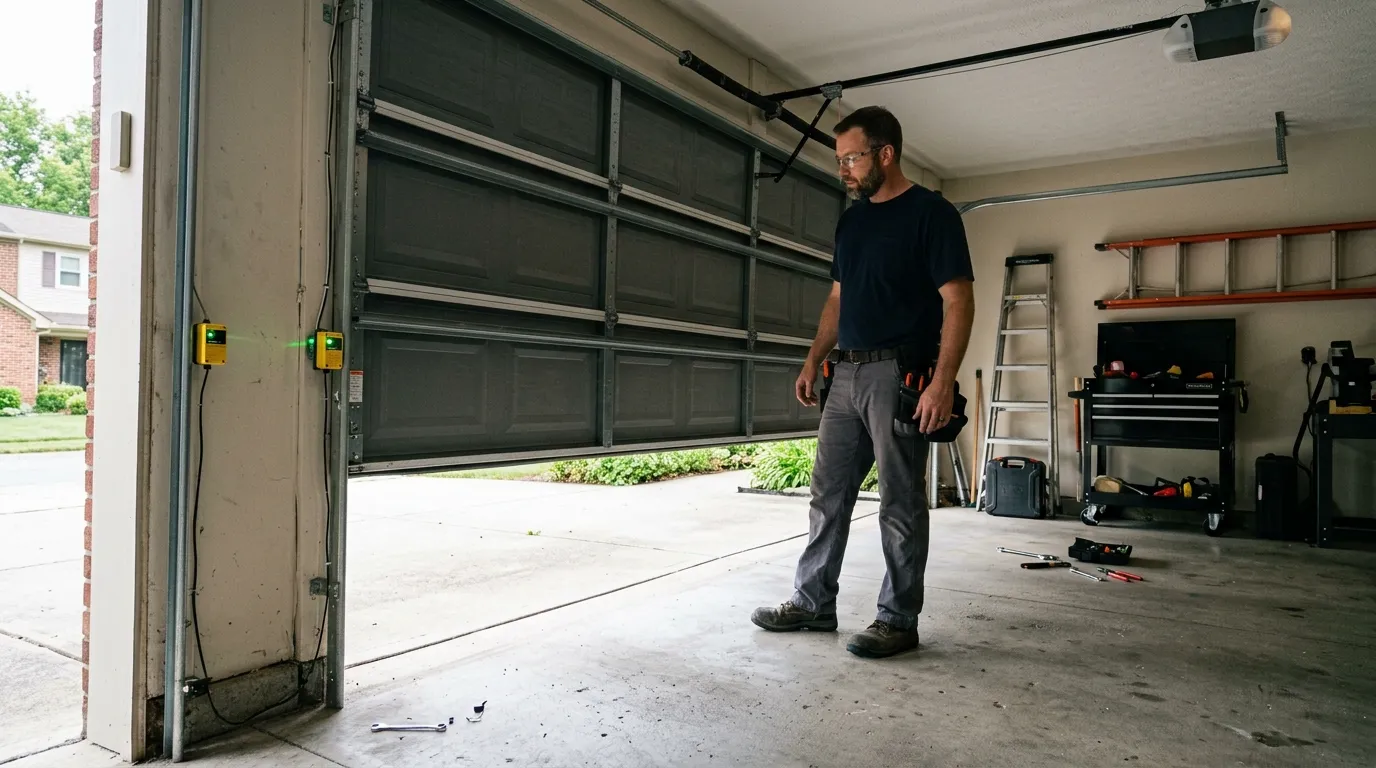
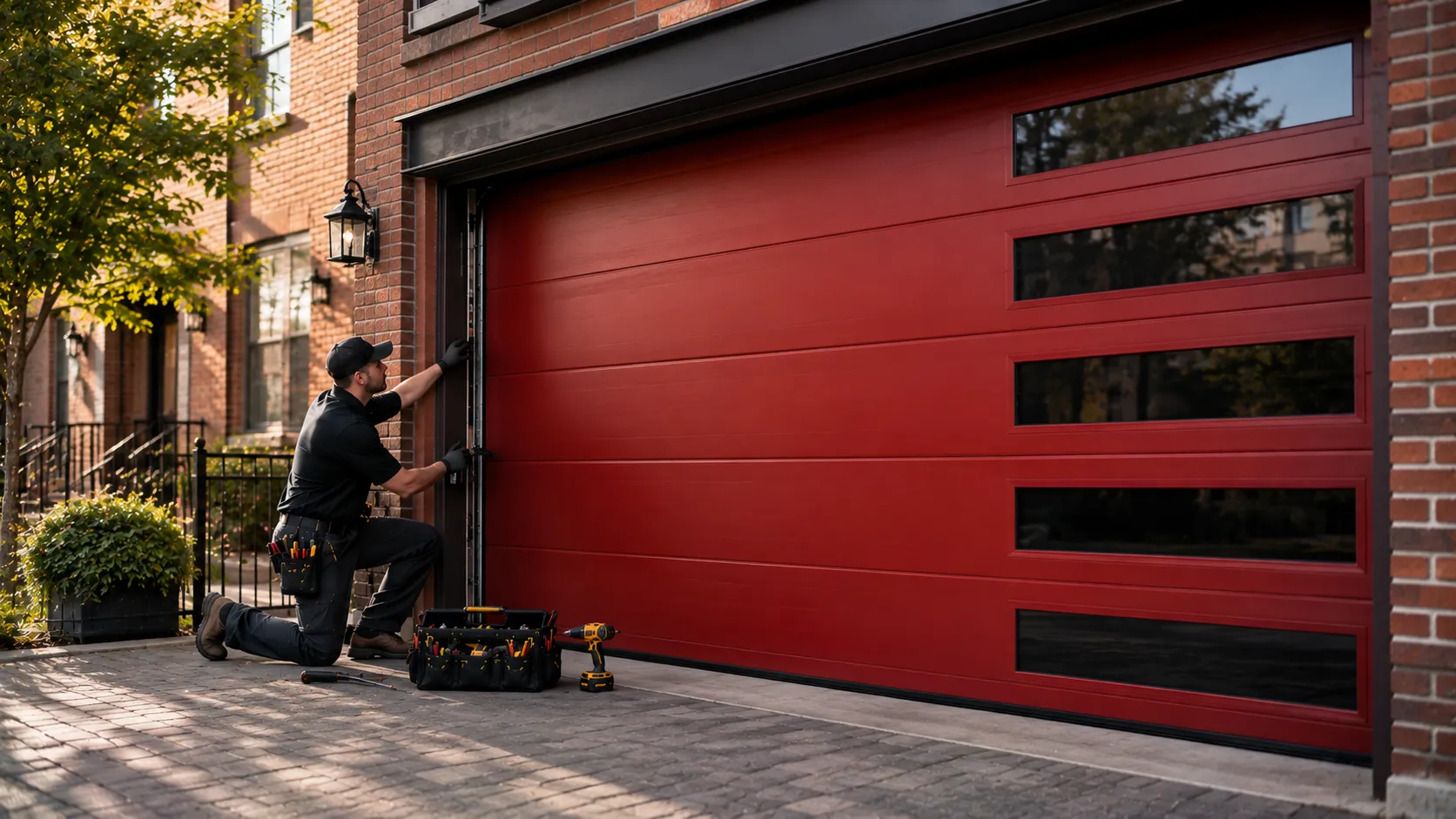
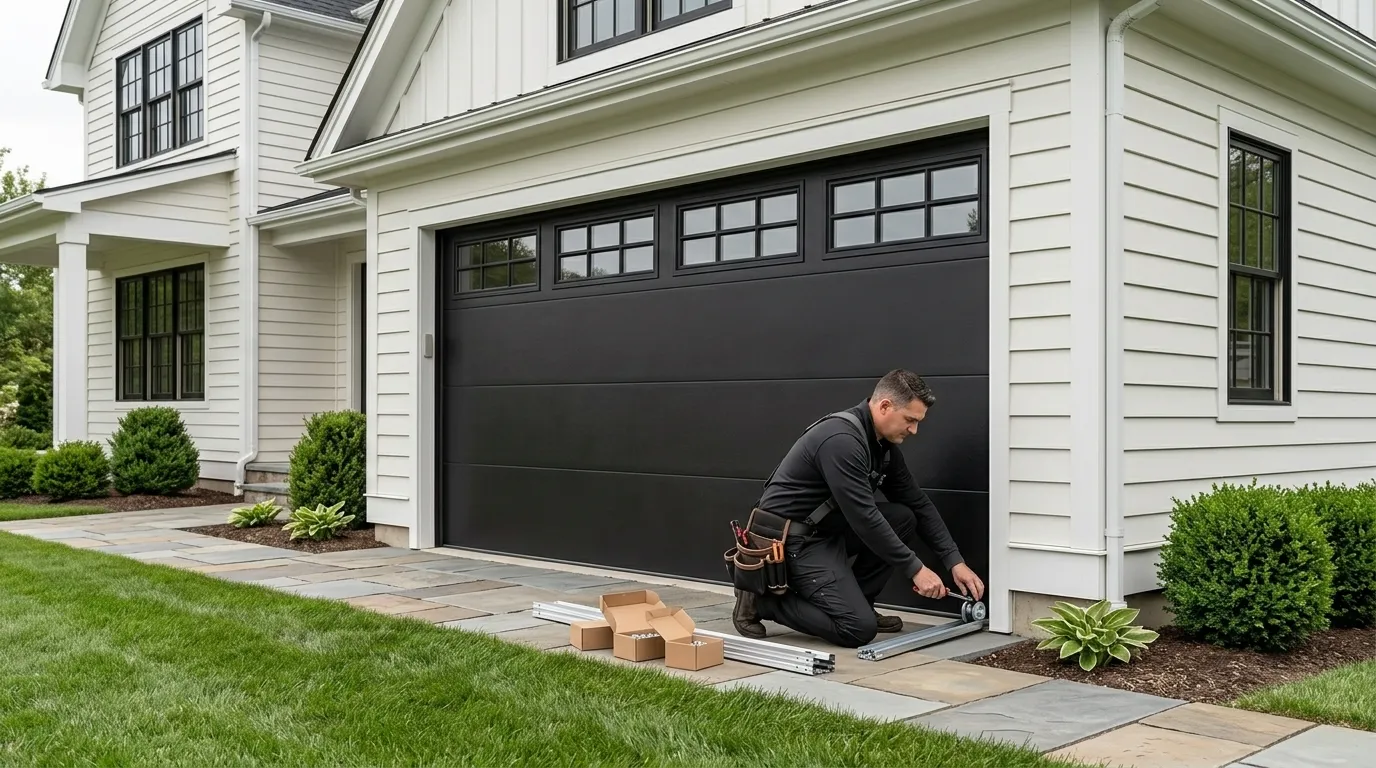
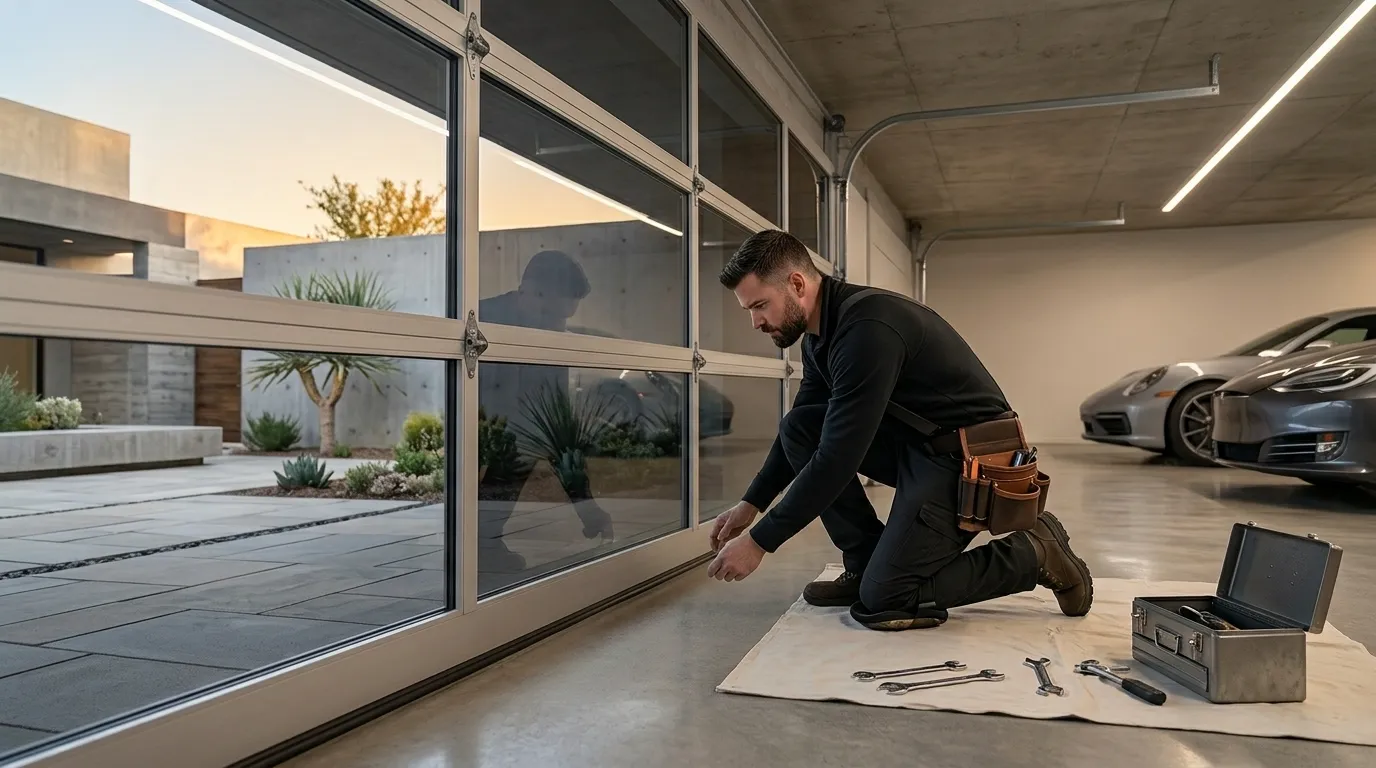
Chaska Garage Door Pros serves Greenfield, MN, 20 miles out. Homes here mostly went up around 1992, later than much of our coverage area, and that changes what breaks.
Greenfield sits about 20 miles from our Chaska shop, and the housing stock out here skews newer than a lot of what we see closer in. Median build year is 1992, versus 1986 across the wider service area we cover. That ten-year gap matters more than it sounds like.
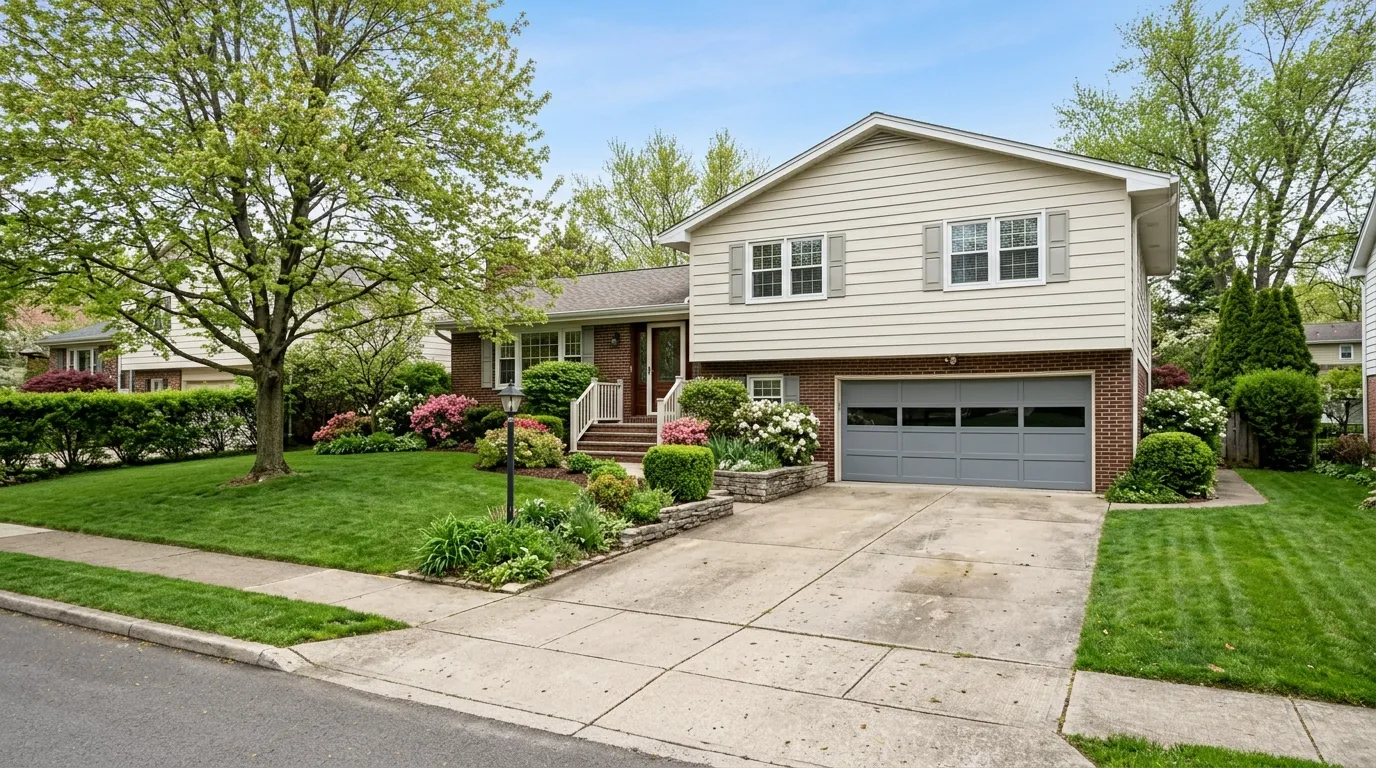
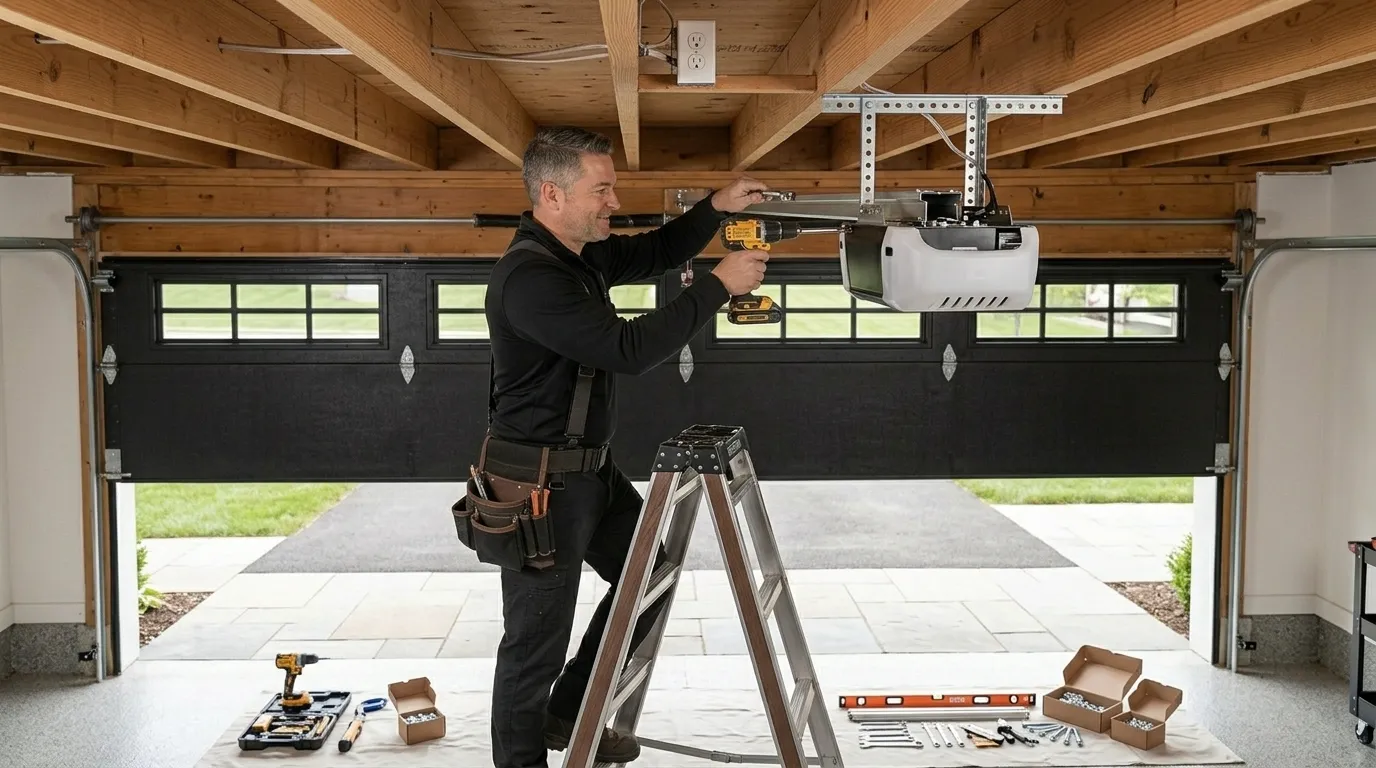
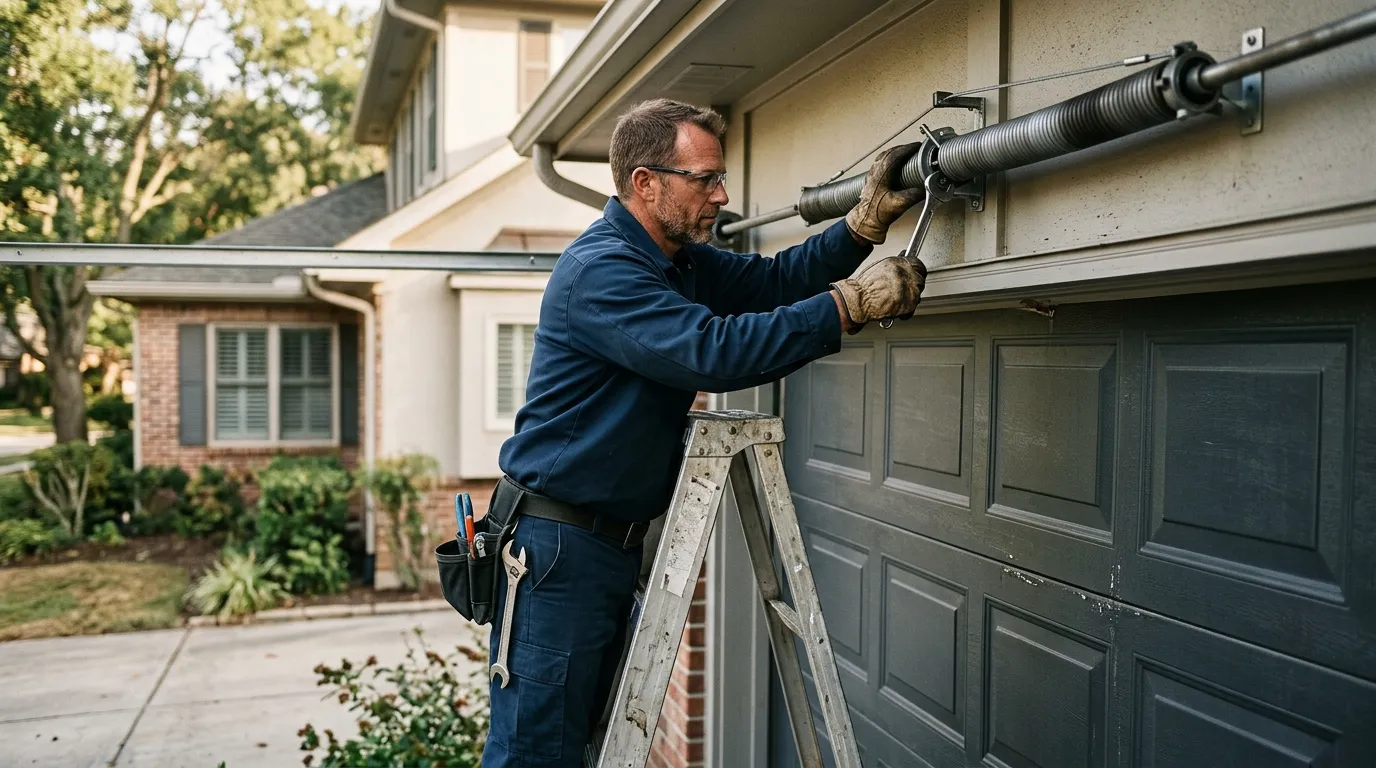
A house built in 1992 almost certainly came with a factory steel door on extension or torsion springs sized for that era's panel weight, and an opener from a period before rolling-code safety standards were standard everywhere. The failure points are different from what we find in a 1970s neighborhood: less rot on wood jambs, more wear on nylon rollers that were cheap even when new, and openers that are old enough to have worn-out drive gears but not old enough that owners think to replace them yet.
We still see the occasional older farmhouse door out this way, but the bulk of service calls in Greenfield are 1990s-spec hardware reaching the end of its first real service life - springs going after 20-plus years of cycles, openers with drive systems that grind before they quit outright. If your door came with the house and you've never touched it, that's usually where the trouble starts.
Old Streets and New Ones
With only about 1,022 households in Greenfield, this isn't a place with dense blocks of matching doors the way you'd find in an older platted grid. Lots are bigger, driveways are longer, and building happened in waves rather than all at once - which means one road can have a 1990s split-entry next to something built a decade later with a completely different door and opener setup.
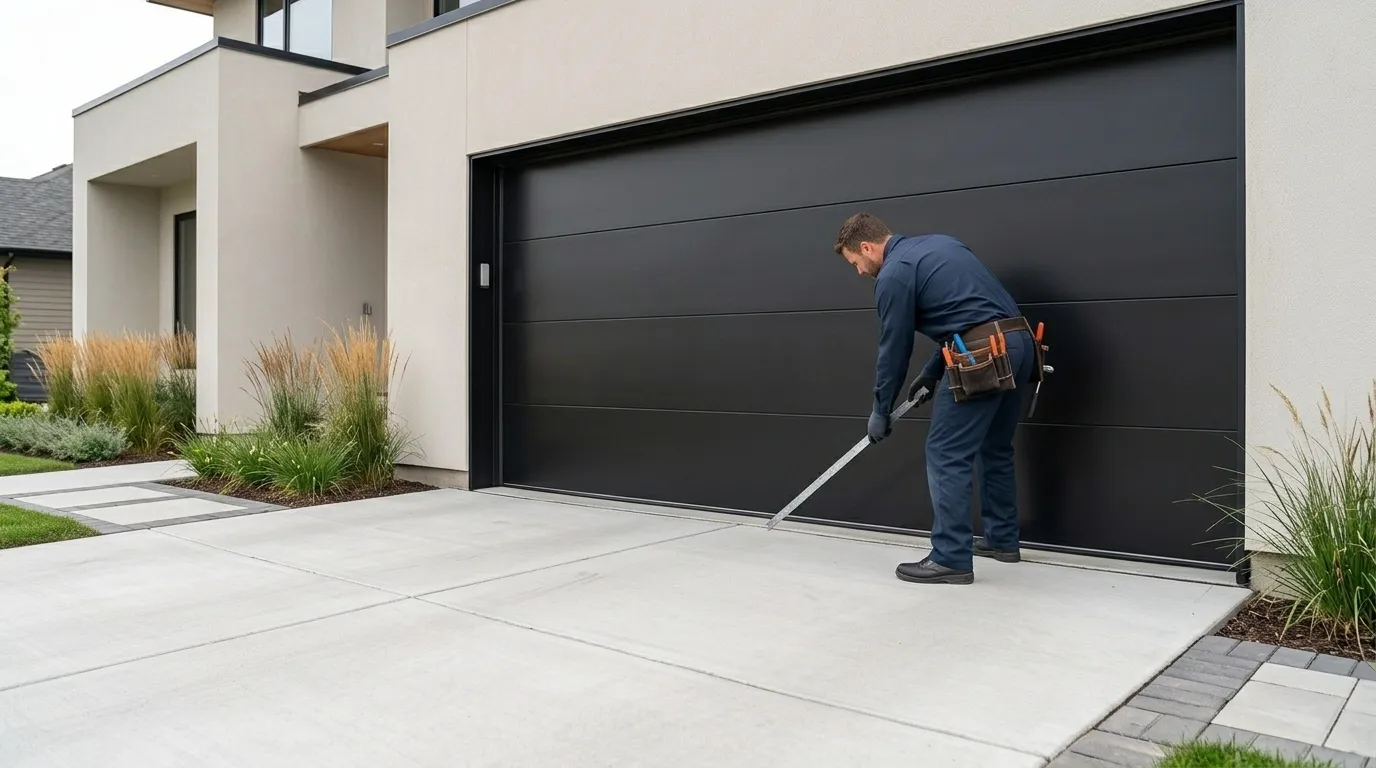
What that means for service: we can't assume a single door style or spring configuration when we get a call from Greenfield the way we might for a tract-built subdivision. Every job here gets measured and specced on-site rather than guessed at from the address. It also means parts availability varies more - a door from 1992 might still use hardware we stock without issue, while a newer build could have a torsion setup that needs a specific spring wind we have to order in.
When We Can Get There
We're honest about the distance: Greenfield is roughly 20 miles from our shop in Chaska, further out than most of the area we cover day to day. We don't keep a crew or truck stationed out here, and we're not going to pretend otherwise. For an emergency - a door that won't close, a spring that's snapped and left the door stuck - factor in that drive time when you're deciding whether to wait for us or call someone closer.
For scheduled work, the distance isn't really an issue. We plan the trip, bring the parts we expect to need based on what you tell us about the door and its age, and do the job in one visit whenever we can. Where the drive does bite is same-day emergency calls on a day we're already booked solid closer to Chaska - we'll tell you straight if that's the case rather than promise a window we can't hit.
The Houses Here
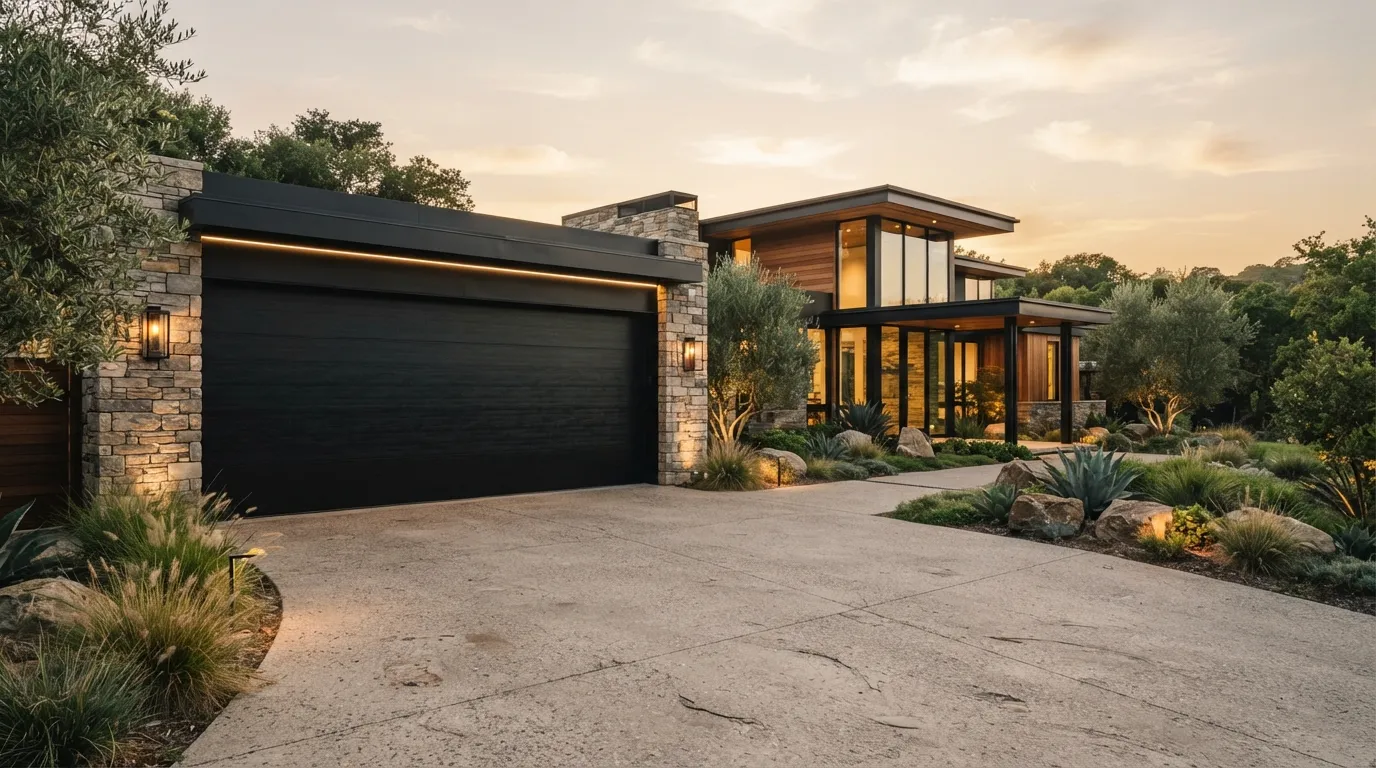
Median household income in Greenfield runs around $147,184, noticeably higher than the roughly $116,500 median across our broader coverage area. In practice that shows up in the calls we get: more requests for insulated steel or composite doors instead of straight repair-and-patch, more interest in quieter belt-drive openers over the older chain-drive units that came standard on 1990s builds.
It doesn't mean the repairs are different in kind - a broken torsion spring is a broken torsion spring whether the door cost $600 or $2,400 new. But it does mean when a 1990s-era door here finally reaches the point where repair isn't worth it anymore, replacement conversations tend to lean toward a heavier-built door rather than a basic swap. Minnesota's cold-severe climate band means whatever goes in needs a weather seal that actually holds up to winter, not the thin factory gasket a lot of original 1990s doors shipped with. That's a call we'll make with you at the door, not before we've seen it.
How it works
From “it’s stuck” to “it’s fixed”
01
Tell us what’s wrong
Describe the symptom - won’t open, loud bang, opener runs but the door won’t move.
02
On-site diagnosis
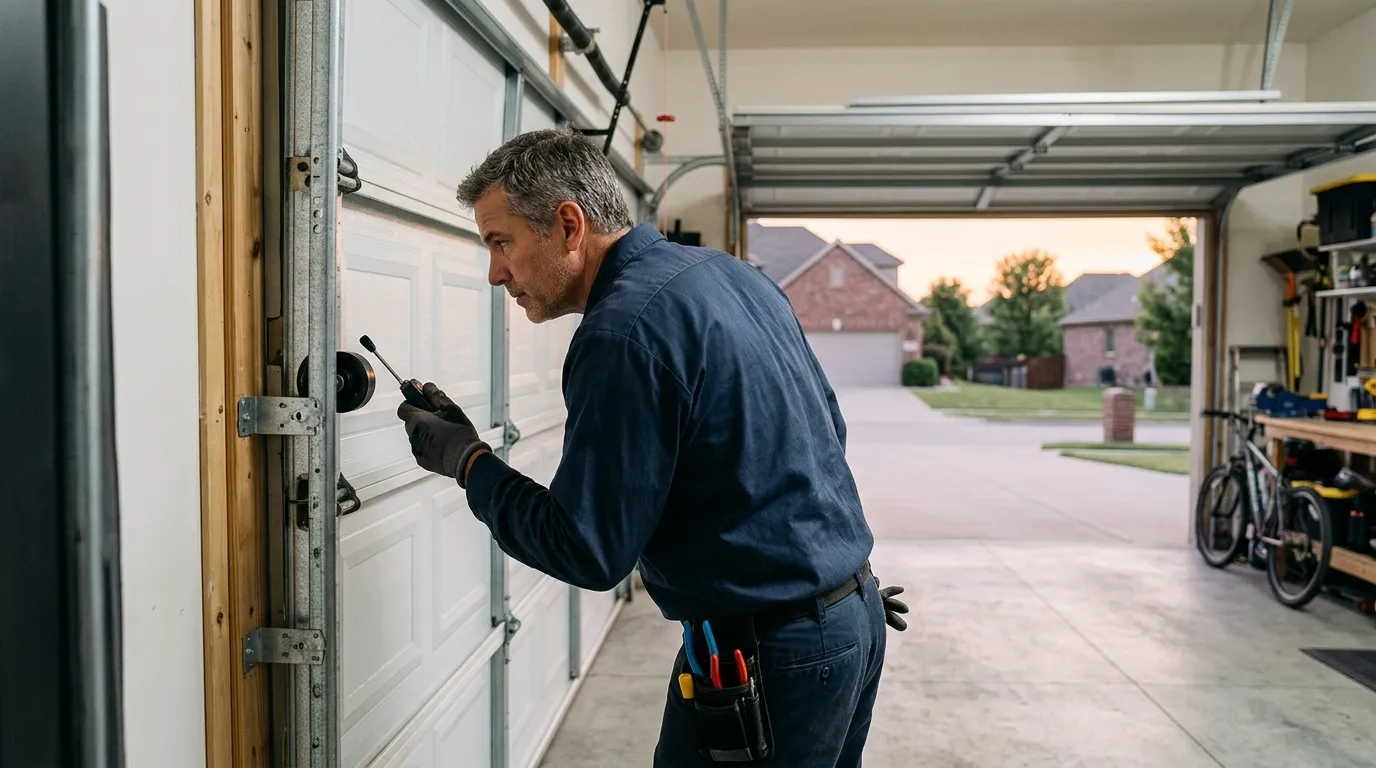
A technician tests the door under power and by hand and finds what actually failed.
03
Clear, up-front plan
You get the fix that’s needed and what drives the cost - before any work starts.
04
Repaired & tested
The repair is done, the door is set true and tested, and the work area left clean.
Serving Chaska, MN - tell us what your door’s doing and we’ll take it from there.
No. We work out of Chaska, about 20 miles away, and travel to Greenfield for both scheduled and emergency calls. We're upfront that the drive means slower response than for towns closer to our shop, especially on short notice.
My house in Greenfield was built in the early 90s - is my door likely original?
It's common. A lot of Greenfield homes date to right around 1992, and factory steel doors and openers from that period are reaching 30-plus years of cycles. If the spring or opener has never been replaced, it's worth an inspection even if the door still opens fine.
Are parts hard to get for a door this old?
Depends on the door. Standard torsion springs from the early 90s are usually stock items. Less common panel sizes or discontinued opener models can mean an order and a short wait - we'll tell you upfront if that's the case rather than guess.
Ready to get your garage door sorted?
Tell us what it’s doing and where you are in Chaska - we’ll take it from there.