The Seasonal Bit
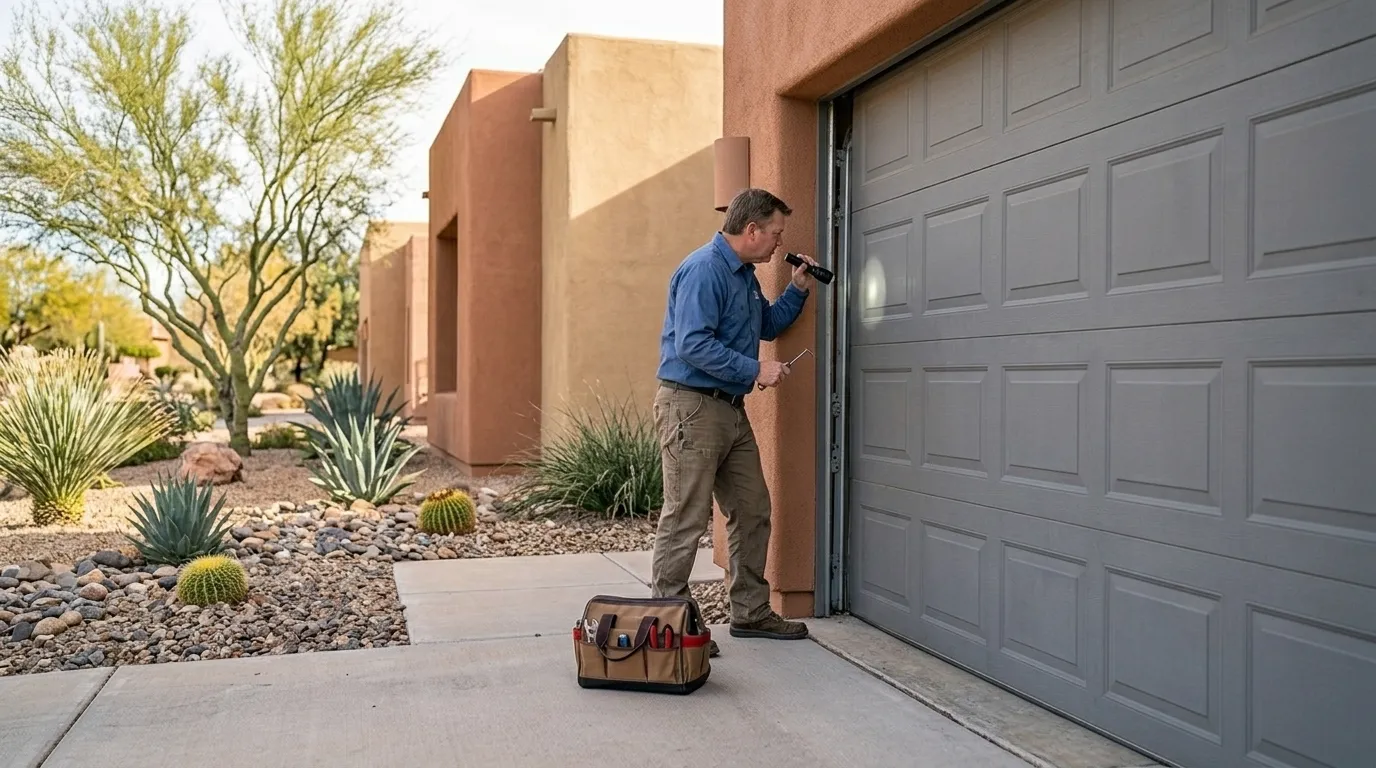
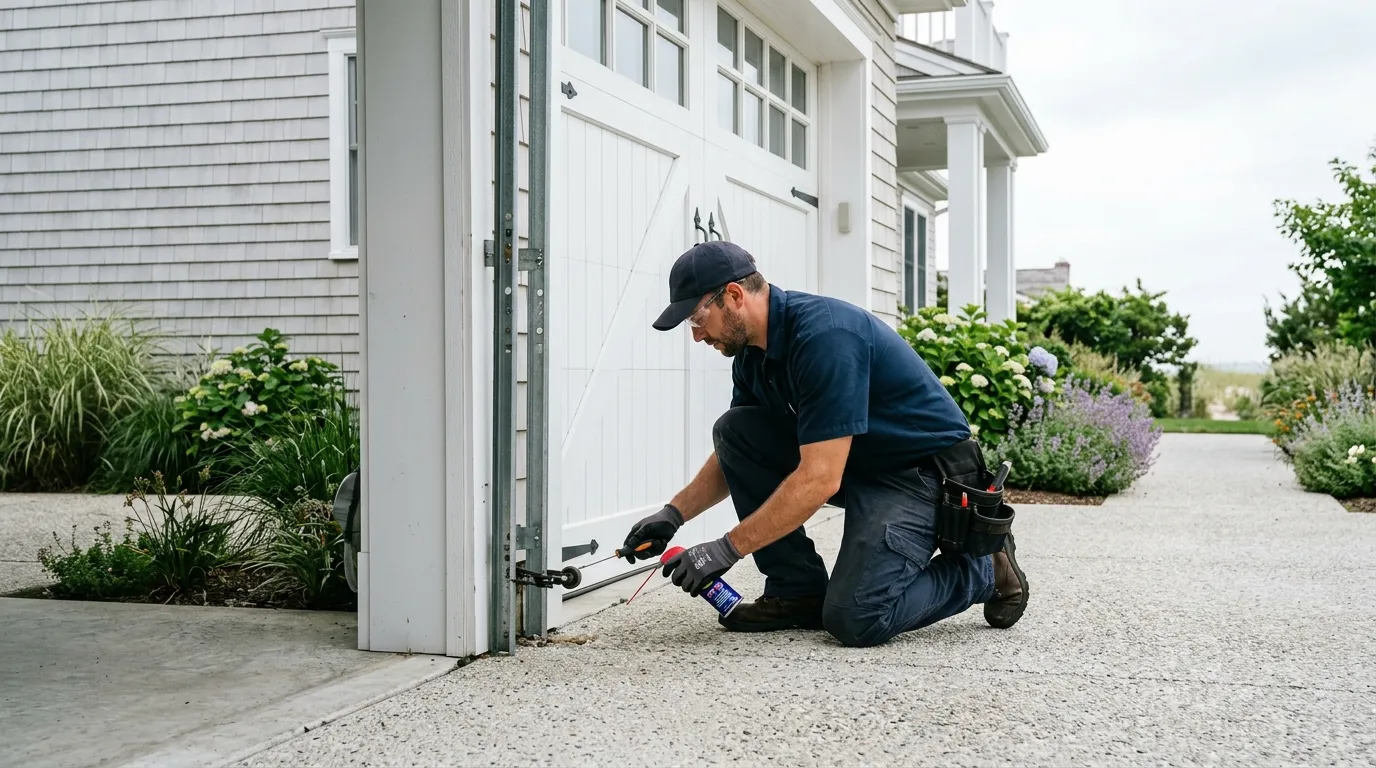
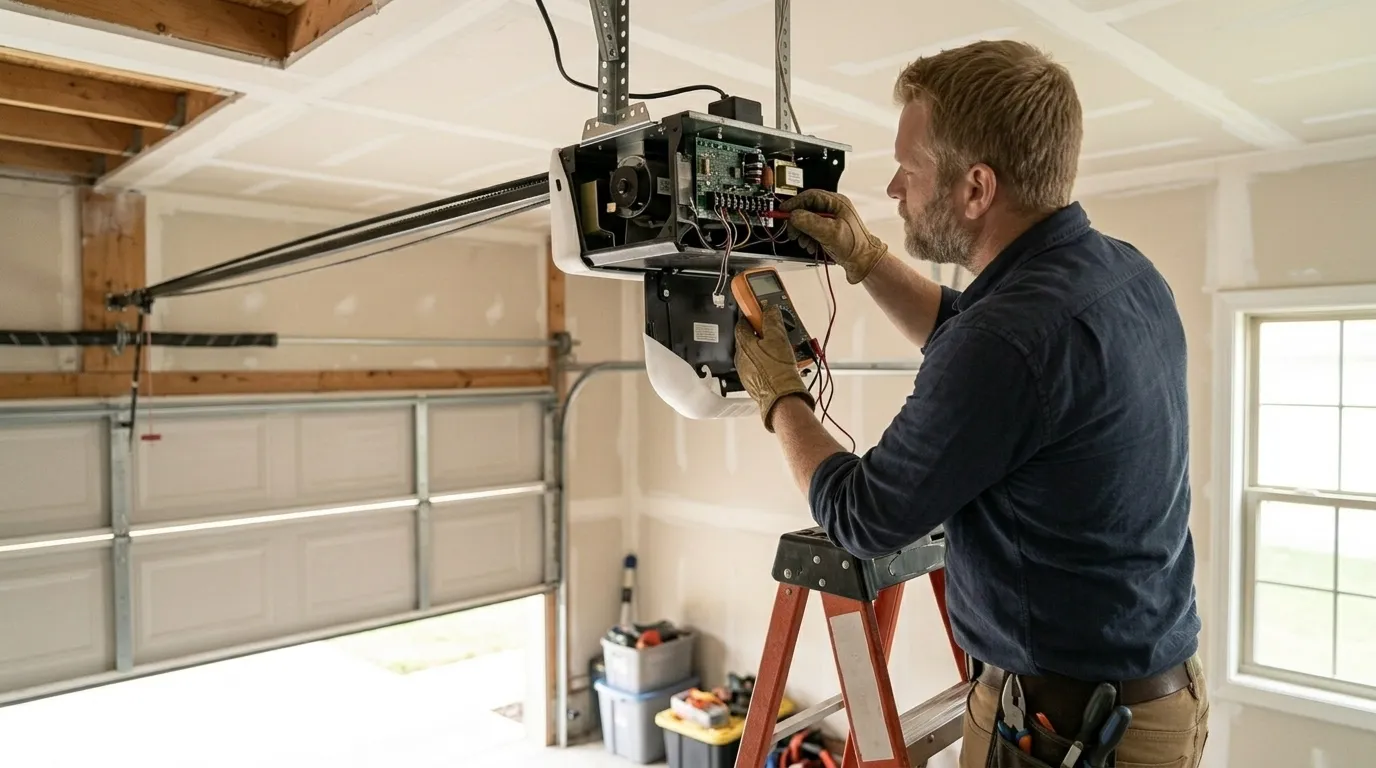
Minnesota winters put a door through a freeze-thaw cycle that most doors elsewhere never see. Moisture gets into the track during a thaw, then locks a roller in place overnight. The next open cycle either strips the roller or throws the door out of alignment enough to stress the cables. A technician checks the track for that kind of frozen residue before touching anything electronic, because a misaligned track will make a good opener look bad. Fall is really the honest window for catching this - checking track alignment and roller wear before the first hard freeze locks in whatever slack has developed over the summer. Once the deep cold sets in, a marginal roller or a slightly bent track section stops being marginal and starts being a call. This isn't a schedule that applies everywhere; it's specific to a climate that runs genuinely cold and does it for months, not weeks.
What Is Going On
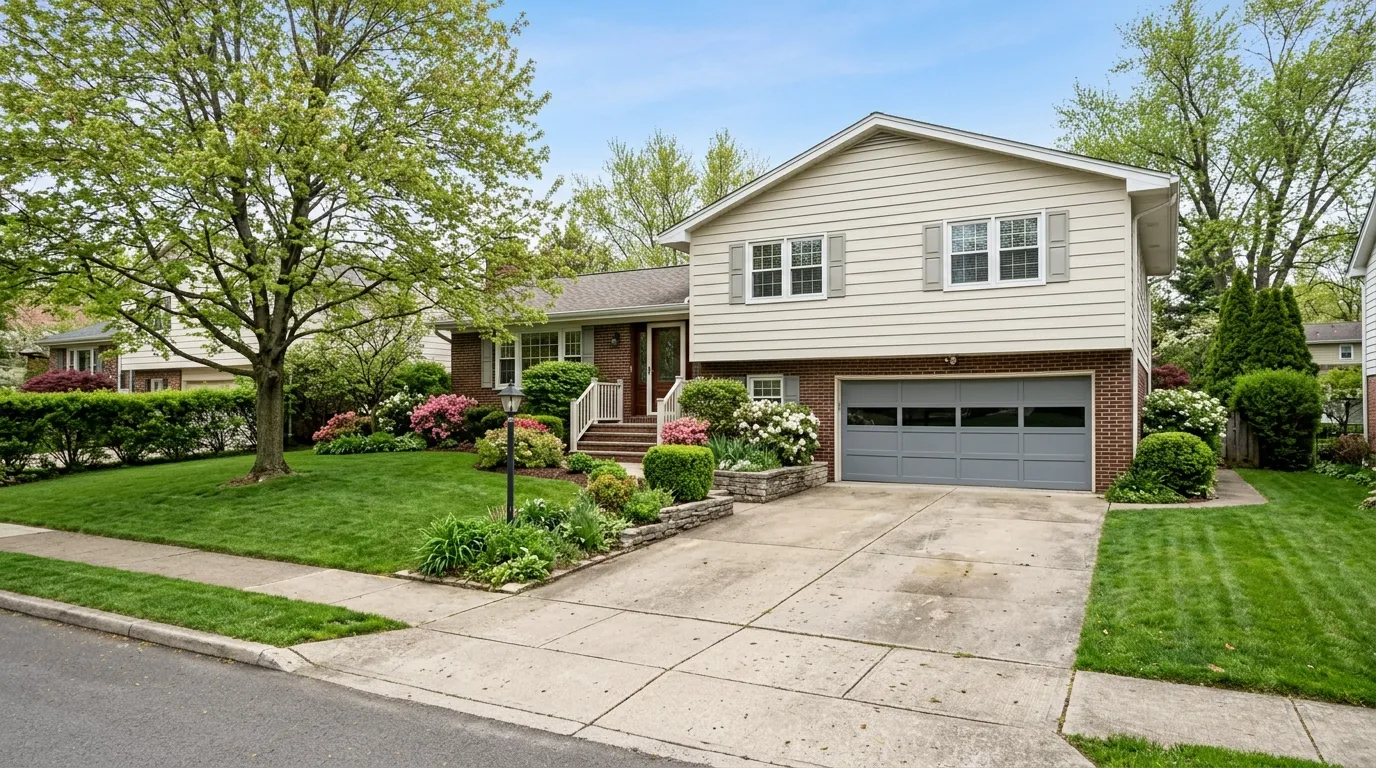
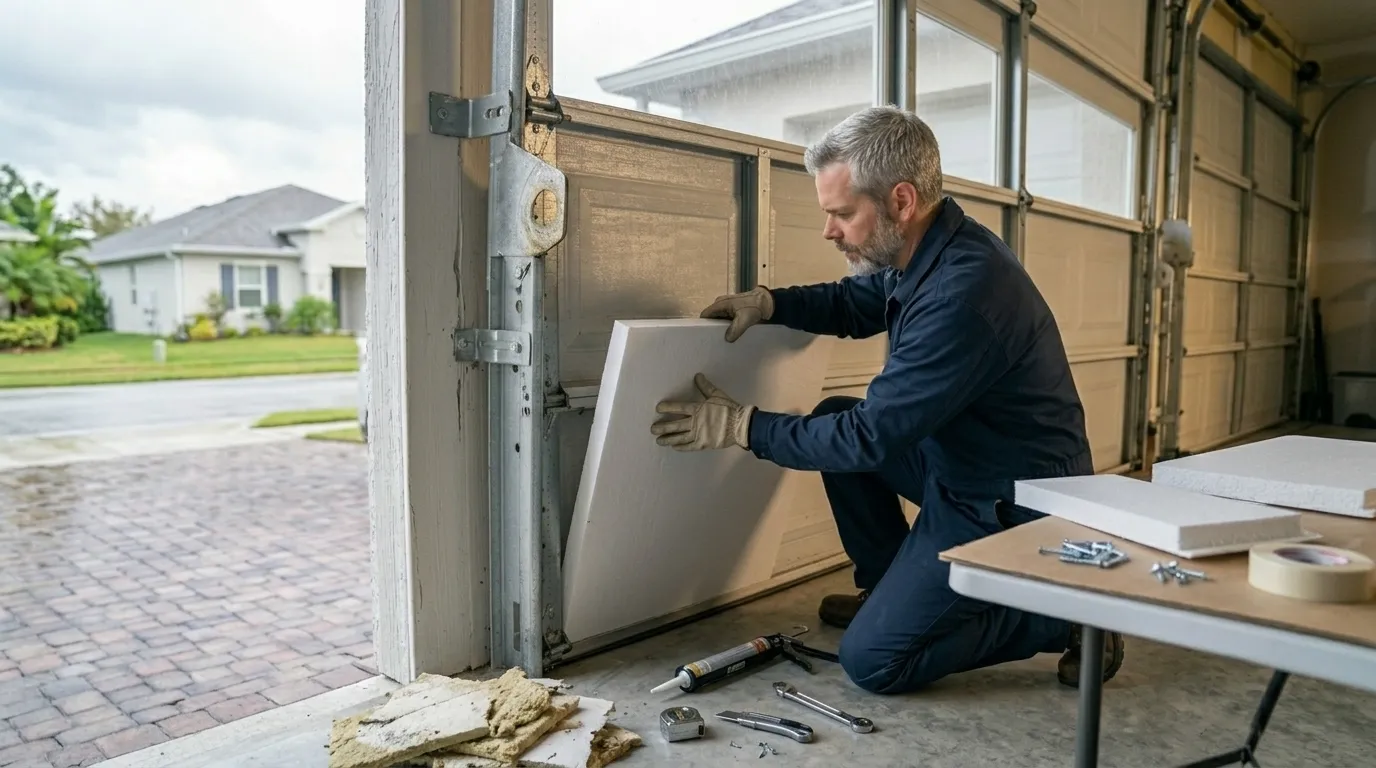
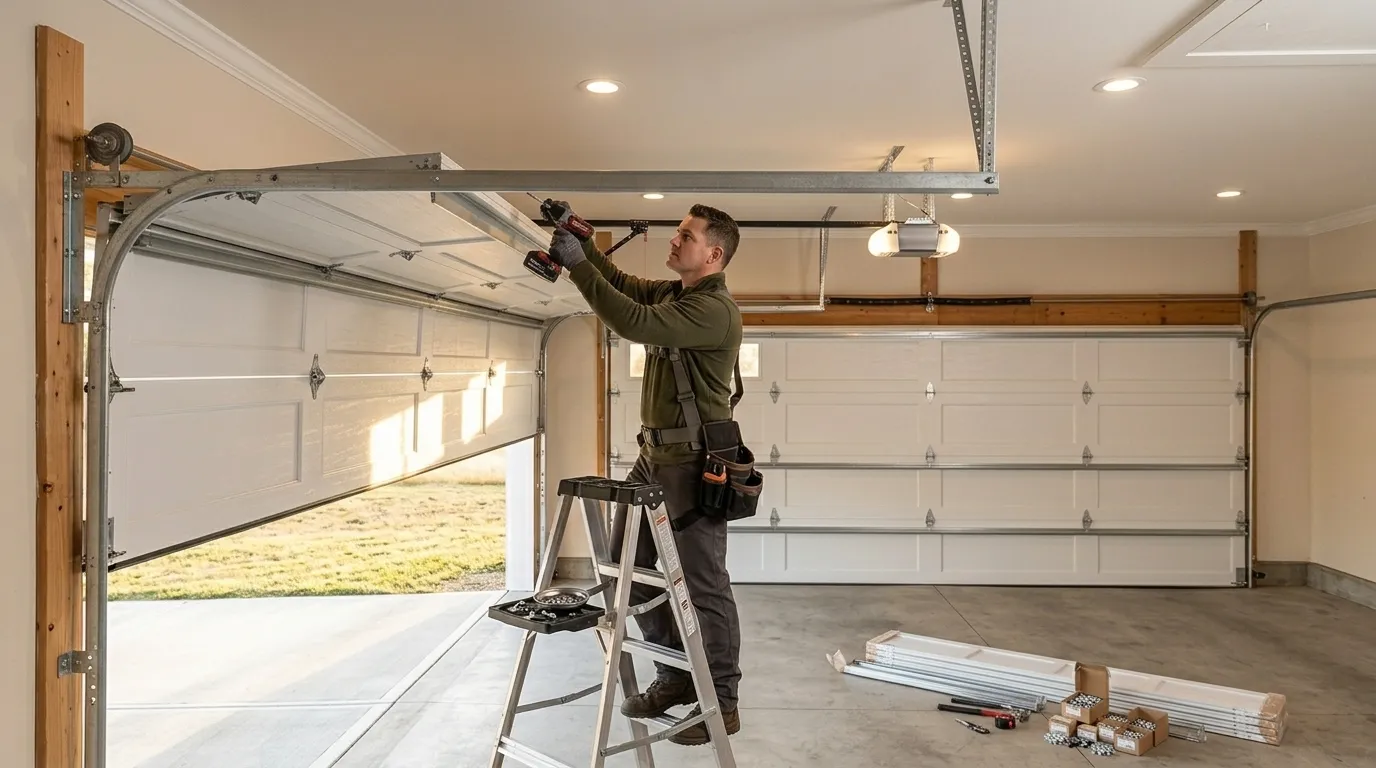
Housing in this part of the service area went up mostly between 1954 and 2006, with the median build year landing around 1986, and that one fact shapes most of what shows up on a service call. A door installed during that 1980s-90s wave typically came with a torsion spring and hardware sized for the standards of that decade - lighter-gauge cable, a spring rated for fewer cycles than what's sold today. A technician checks the spring's wind and cable gauge against the door's age before assuming a modern part will just bolt on. Houses four miles out in Chanhassen, Carver, and Victoria share that same building wave, so the pattern repeats block to block rather than being a one-off. With 61,559 owner-occupied houses across the service area, most calls land squarely in that same age bracket, which means the diagnostic starts the same way almost every time: confirm the door's approximate age, then check whether the spring and cable match what that era actually installed.