Chaska homes mostly date 1954-2006. Here's how our cold winters and this housing stock decide when an old garage door is worth repairing versus replacing.
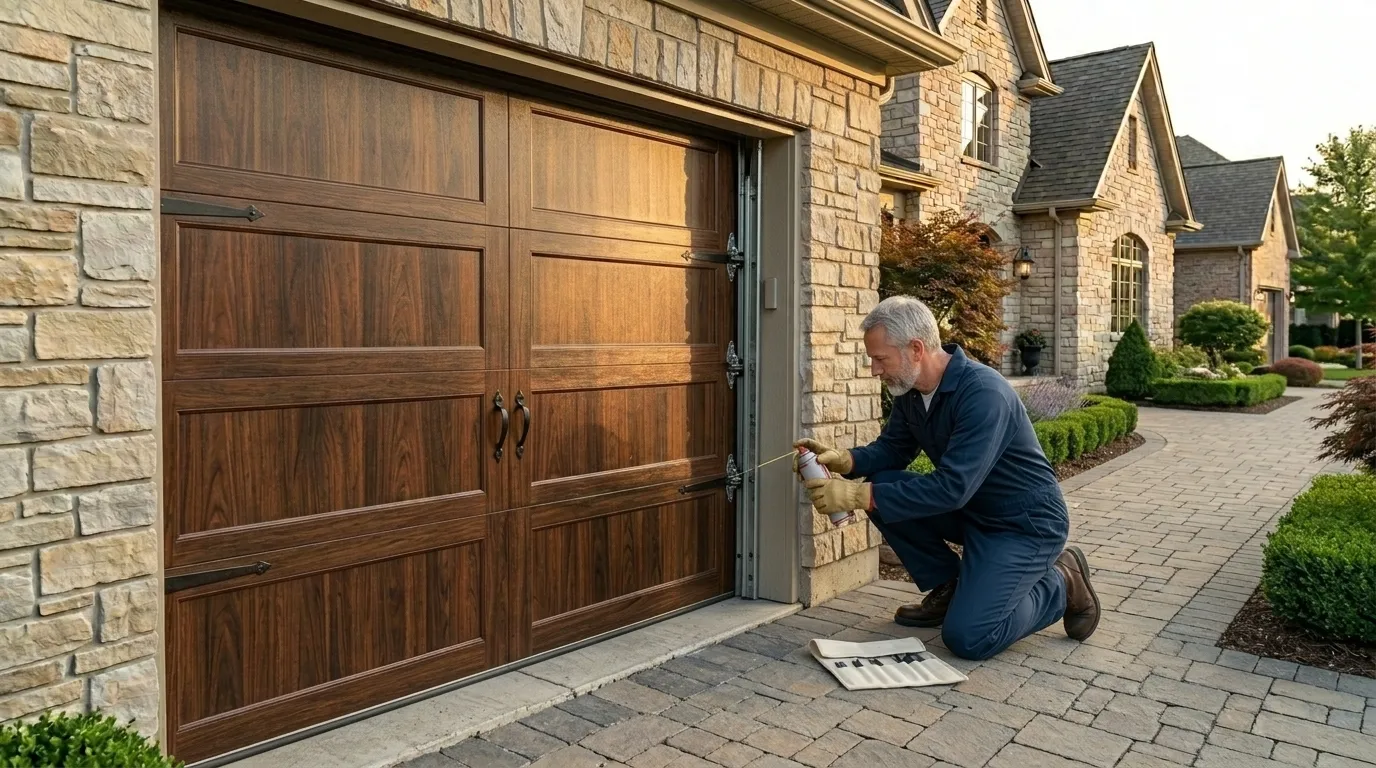
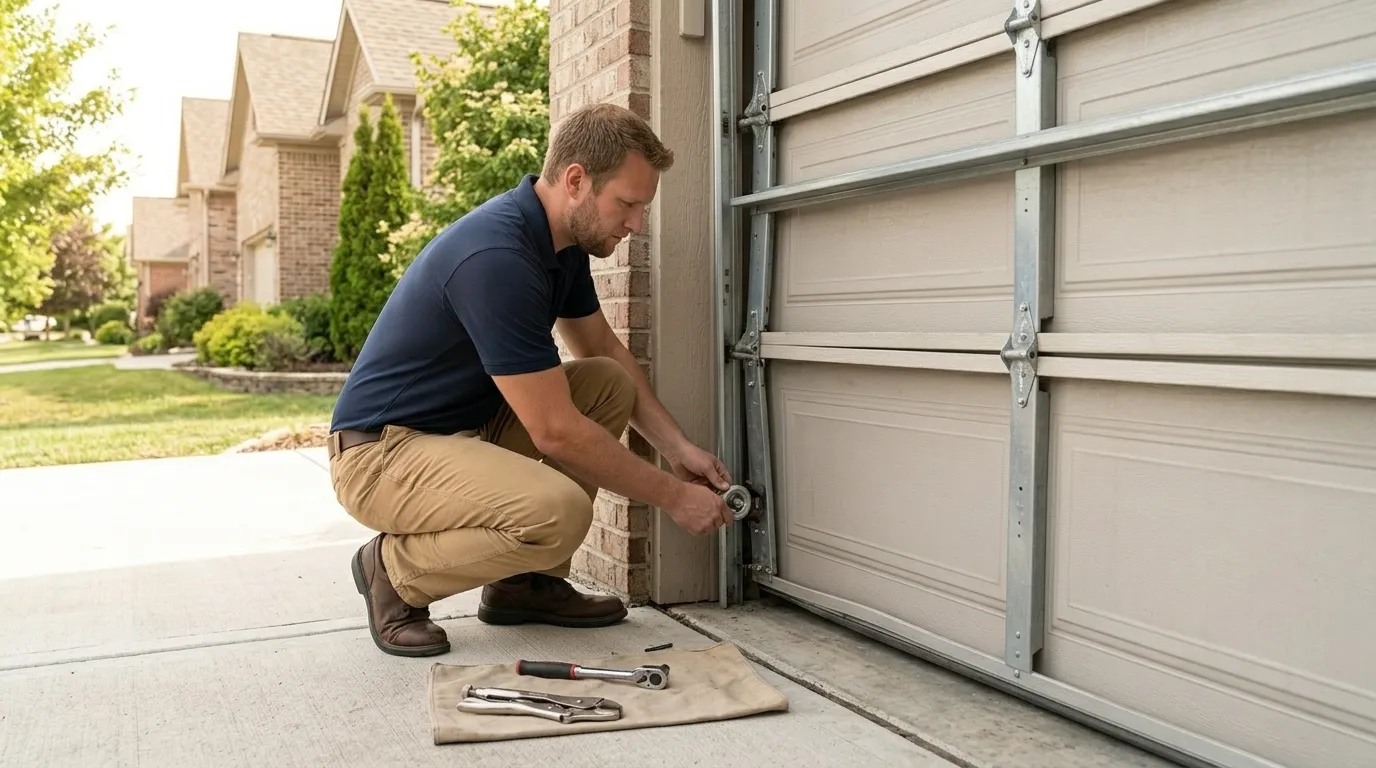
Chaska sits in a cold-severe climate band, and that's not a small detail when you're looking at a door that's been hanging on the same track since the Reagan administration. Steel contracts hard in a deep freeze, and every winter that contraction works on the seams, the weld points, and the weatherstripping channel a little more. On a door that's already 30 or 40 years old, you'll see it as a visible wave along the bottom panel, or as a bottom seal that's cracked and pulled away from the track. The cold also thickens old grease in the rollers and hinges, which is why a door that ran quiet in August starts grinding in January. None of this is a defect from bad installation. It's just what a steel door does, year after year, in a place that gets genuinely cold winters. The question isn't whether the cold is doing damage - it's whether the damage is cosmetic or structural. A wavy panel with intact hardware is a different call than a door where the track brackets have pulled loose from the framing because ice built up and forced the door against the stop.
The Seasonal Bit
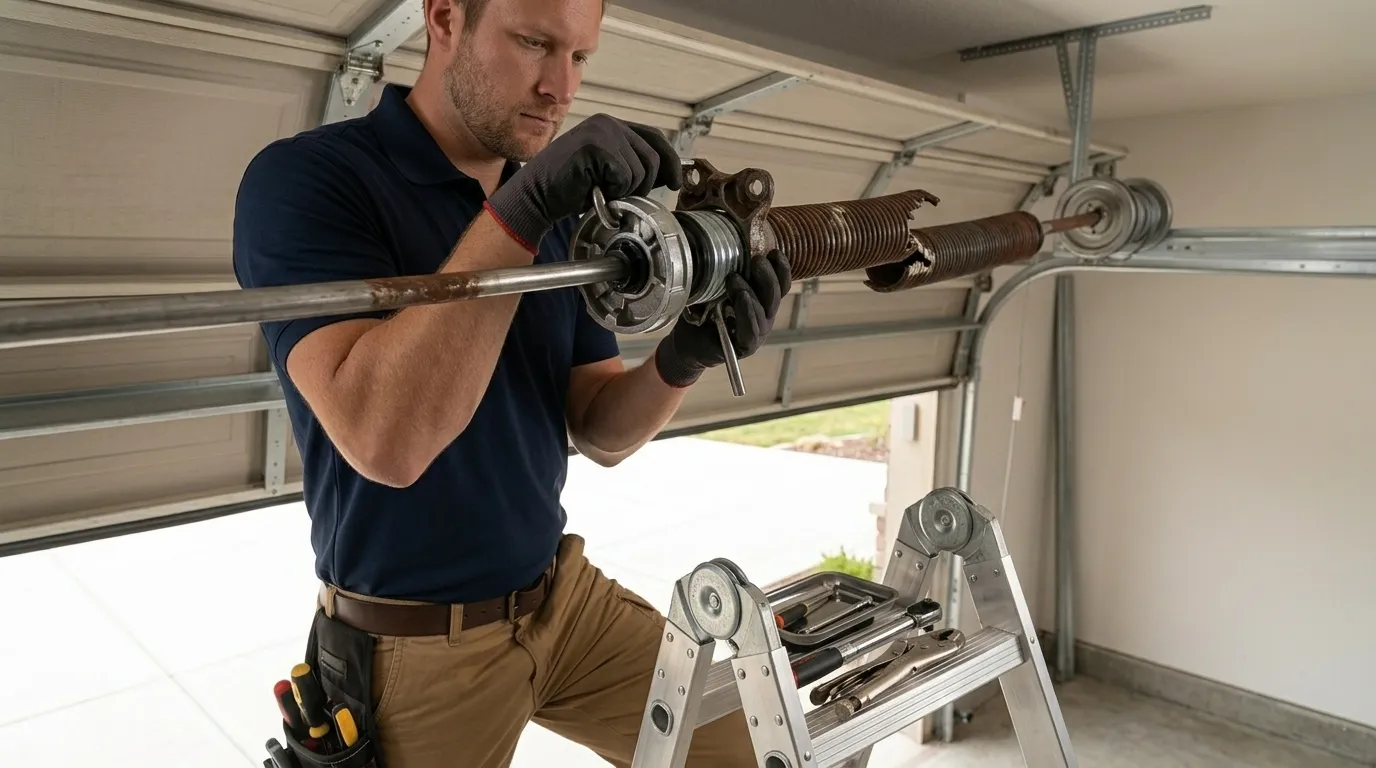
The swing between a hot, humid Chaska summer and a hard winter is what actually breaks old hardware, more than either extreme on its own. Torsion springs installed when a house went up in the 1980s or 90s were sized for a door that weighed what that door weighed new. Forty winters of expansion and contraction later, the spring's fatigue life is mostly spent, and it tends to let go on the first genuinely cold snap of the season, not in July. Openers show the same pattern. A chain drive from that era wasn't built with today's circuit boards, and the ones still running usually have a homeowner who's replaced the logic board once already. If your door has been sluggish since fall and you haven't touched it, that's usually the spring losing tension, not the opener failing. We'd rather tell you which one it is before you spend money on the wrong part.
What Is Going On
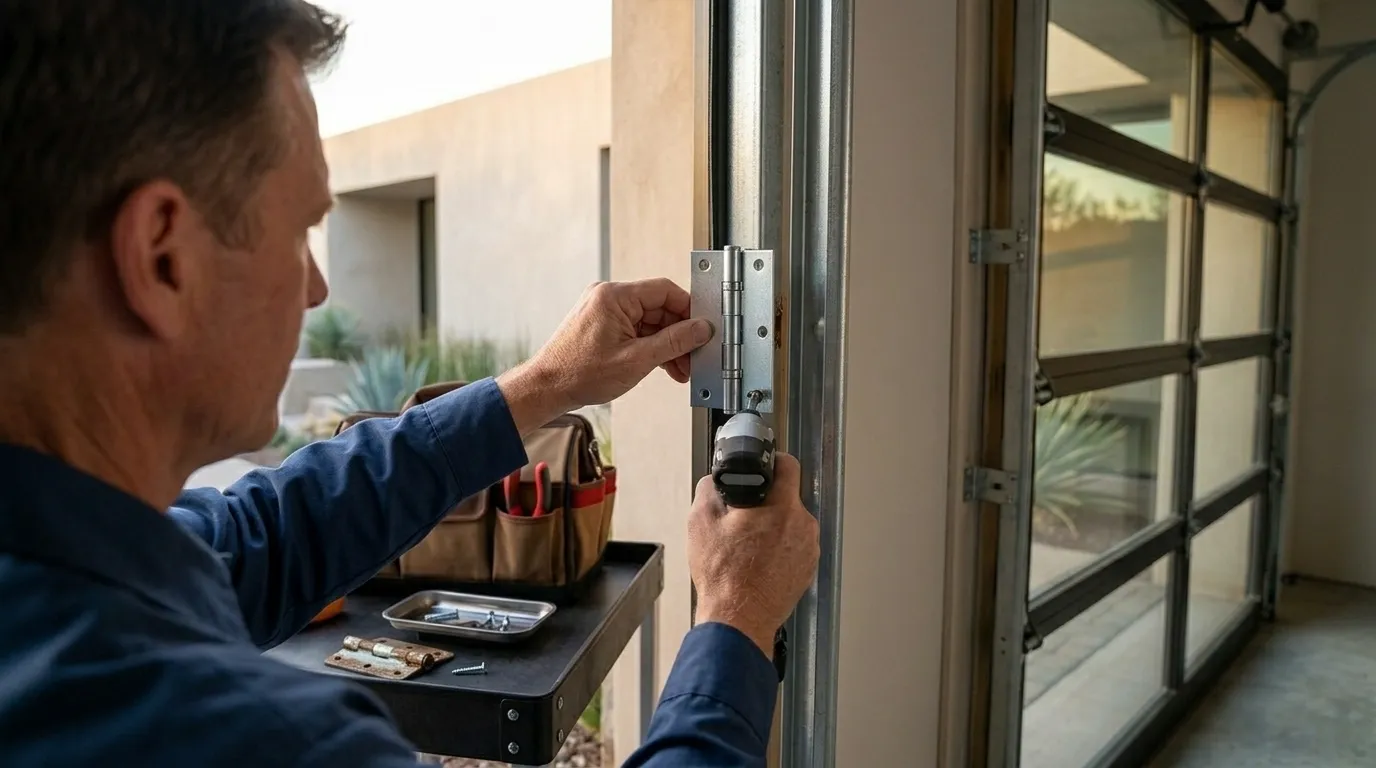
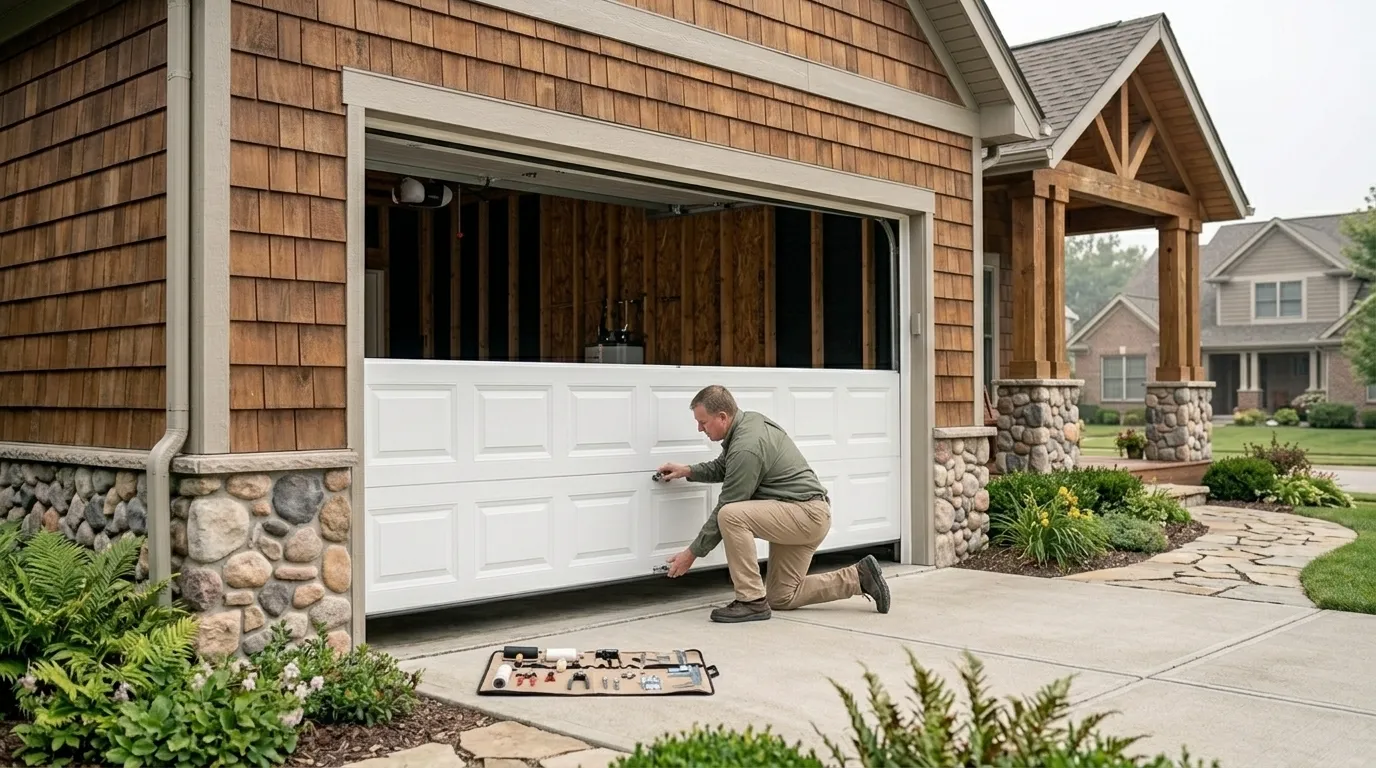
Across the area we cover, housing runs from 1954 up through 2006, with the median build year sitting around 1986. That's the stretch that matters most for this question, because it's when steel doors without a polyurethane foam core were still the standard install. No foam core means no insulation value and no rigidity layer, so these doors dent easier, sag at the top panel over time, and let more cold air into the garage than anyone installing new right now would accept. Across the 41 named areas that make up this service territory, that 1980s-90s stock is the dominant pattern, not the exception - so if your neighbor's original door finally gave out last winter, yours is probably the same age. The honest answer on whether to fix it: if the track, rollers, and opener are sound and it's just a spring or a bottom seal, repair it and get more years out of it. If the panels are dented past the point of the door sealing flush, or the track brackets have pulled from the jamb, you're paying to patch something that's going to need the same money again in a year or two.
What It Costs
We don't have a flat number to give you here, because what an old door needs varies too much door to door - a spring swap on a standard double is a different job than replacing bent track or a dead opener board, and we're not going to quote a price without seeing the door. What we can tell you is how we think about it on-site: if the frame, track, and opener are solid and it's one failed part, repair almost always wins on cost. If you're looking at two or three failed systems at once on a door already past 30 years old, the math usually tips toward replacement, because you're not buying insulation or a warranty on the old panel no matter what you spend. Median household income in this area runs around $116,500, and most owners we talk to make that repair-versus-replace call on the numbers, not on sentiment about the old door. We'll always tell you honestly which side of that line your door is on.
How it works
From “it’s stuck” to “it’s fixed”
01
Tell us what’s wrong
Describe the symptom - won’t open, loud bang, opener runs but the door won’t move.
02
On-site diagnosis
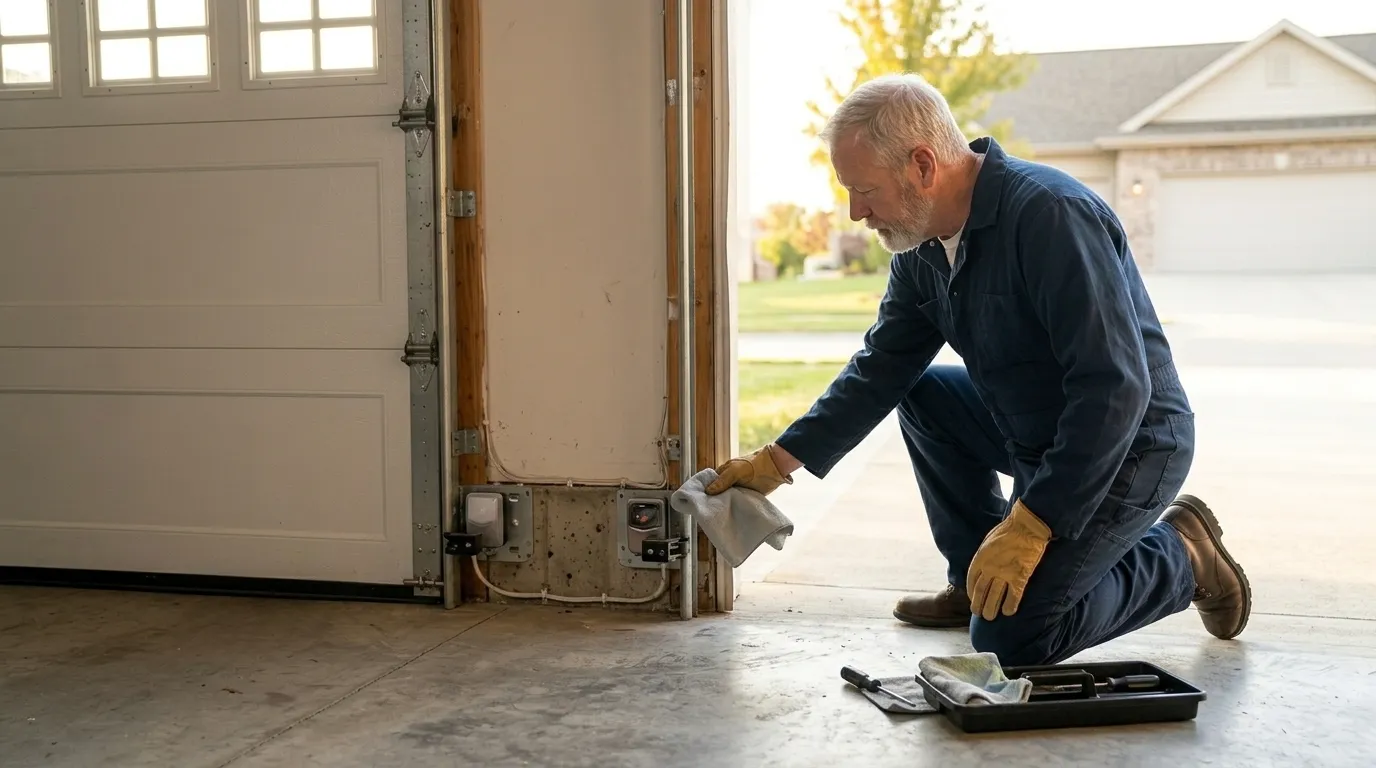
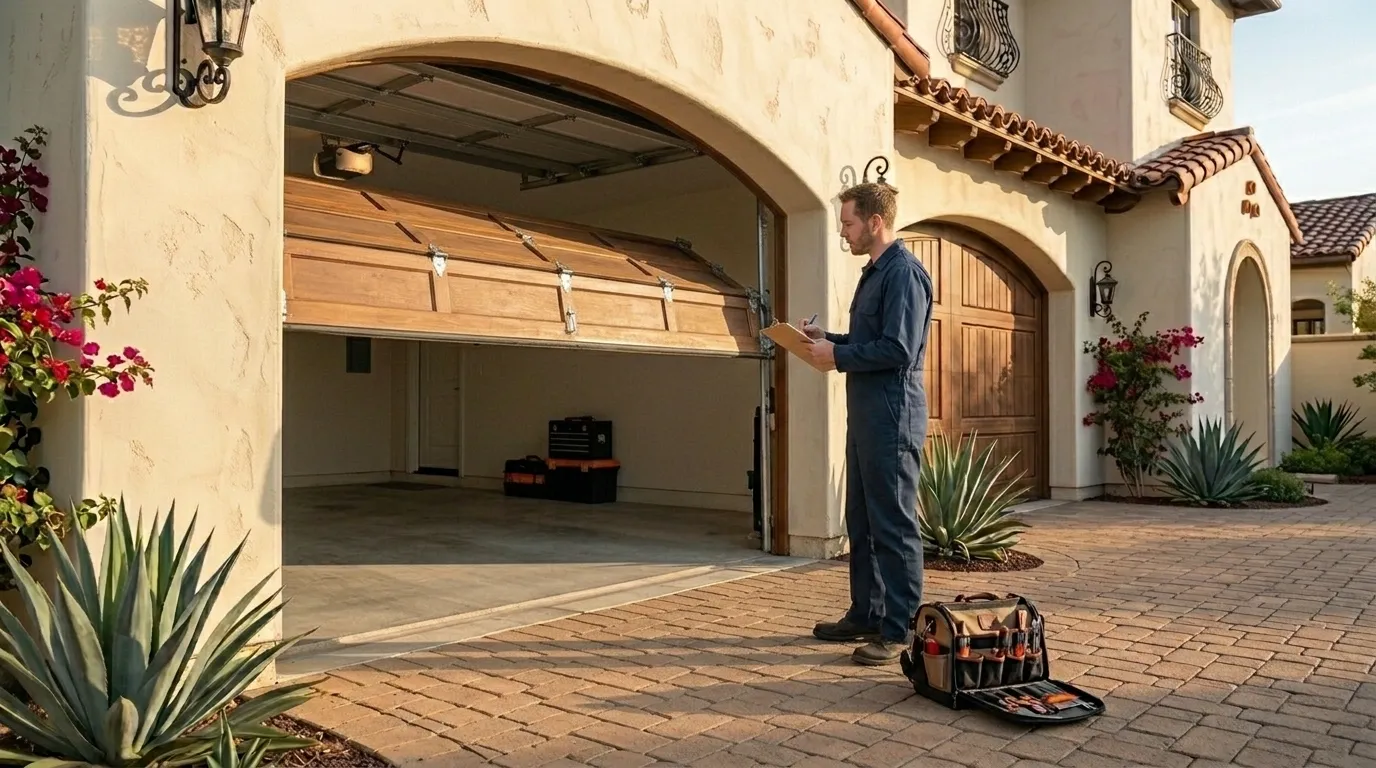
A technician tests the door under power and by hand and finds what actually failed.
03
Clear, up-front plan
You get the fix that’s needed and what drives the cost - before any work starts.
04
Repaired & tested
The repair is done, the door is set true and tested, and the work area left clean.
Serving Chaska, MN - tell us what your door’s doing and we’ll take it from there.
How old does a garage door have to be before repair stops making sense?
There's no fixed year - a well-maintained door from the 1980s can still be a good repair candidate if the track and opener are sound. What matters more is how many separate systems have failed. One bad spring, fix it. Bad spring plus bent track plus a dying opener, that's usually a replace.
Why does my old door get louder every winter?
Cold thickens the old grease in your rollers and hinges, and steel panels contract slightly in the cold, which can make seams and weld points flex more than they do in summer. If it's been getting progressively louder each winter for a few years, that's normal aging, not a sign anything's about to fail.
Is a dented steel door from the 1980s or 90s worth fixing?
Depends on where the dent is. A dent on a lower panel that doesn't affect the seal or the track alignment is cosmetic - live with it or swap that one panel. A dent near a hinge point or on the top panel that's throwing the door out of square with the track is a different story and usually means replacement.
Do you work on doors built before 1980?
We look at anything, but parts get harder to source the older the door gets, and at a certain point a repair means custom-fitting old hardware rather than a straightforward part swap. We'll tell you upfront if that's the situation with your door before we start any work.
Ready to get your garage door sorted?
Tell us what it’s doing and where you are in Chaska - we’ll take it from there.