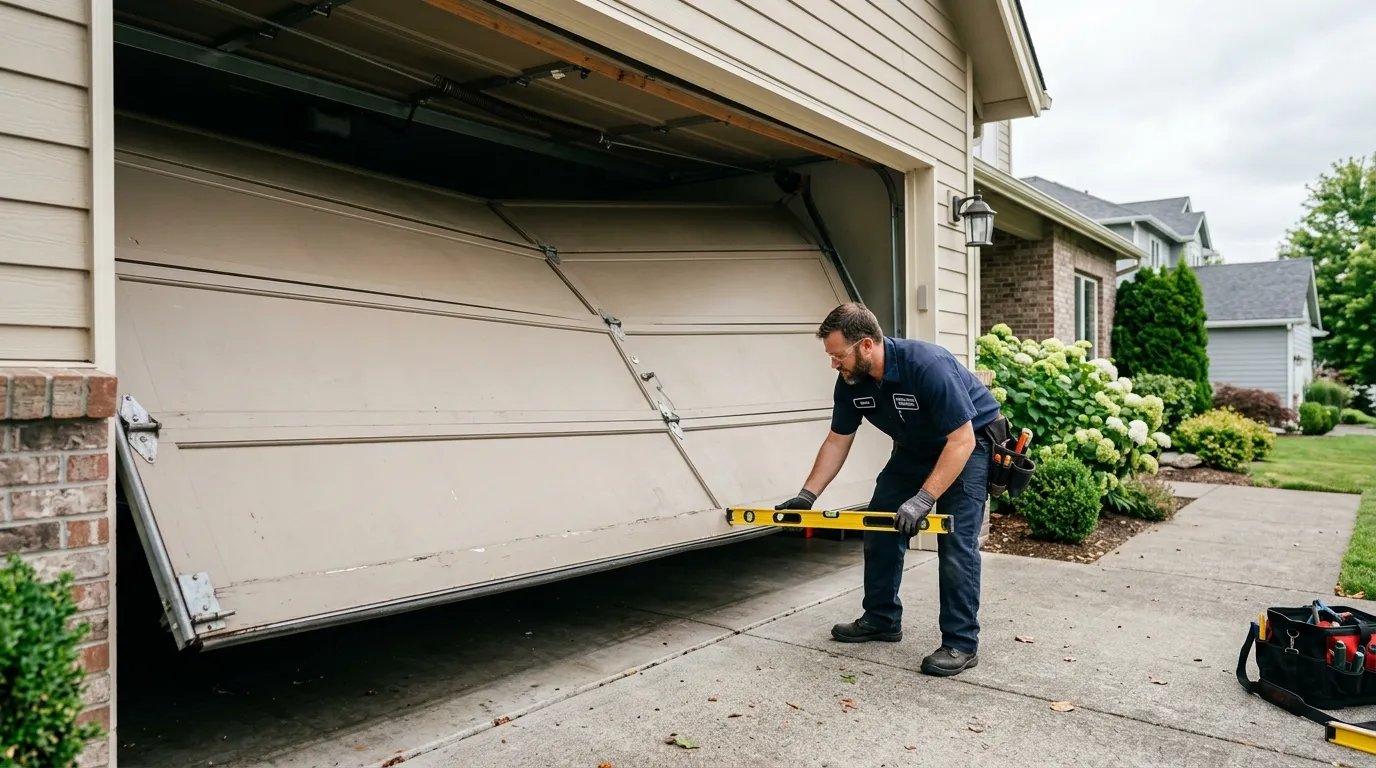
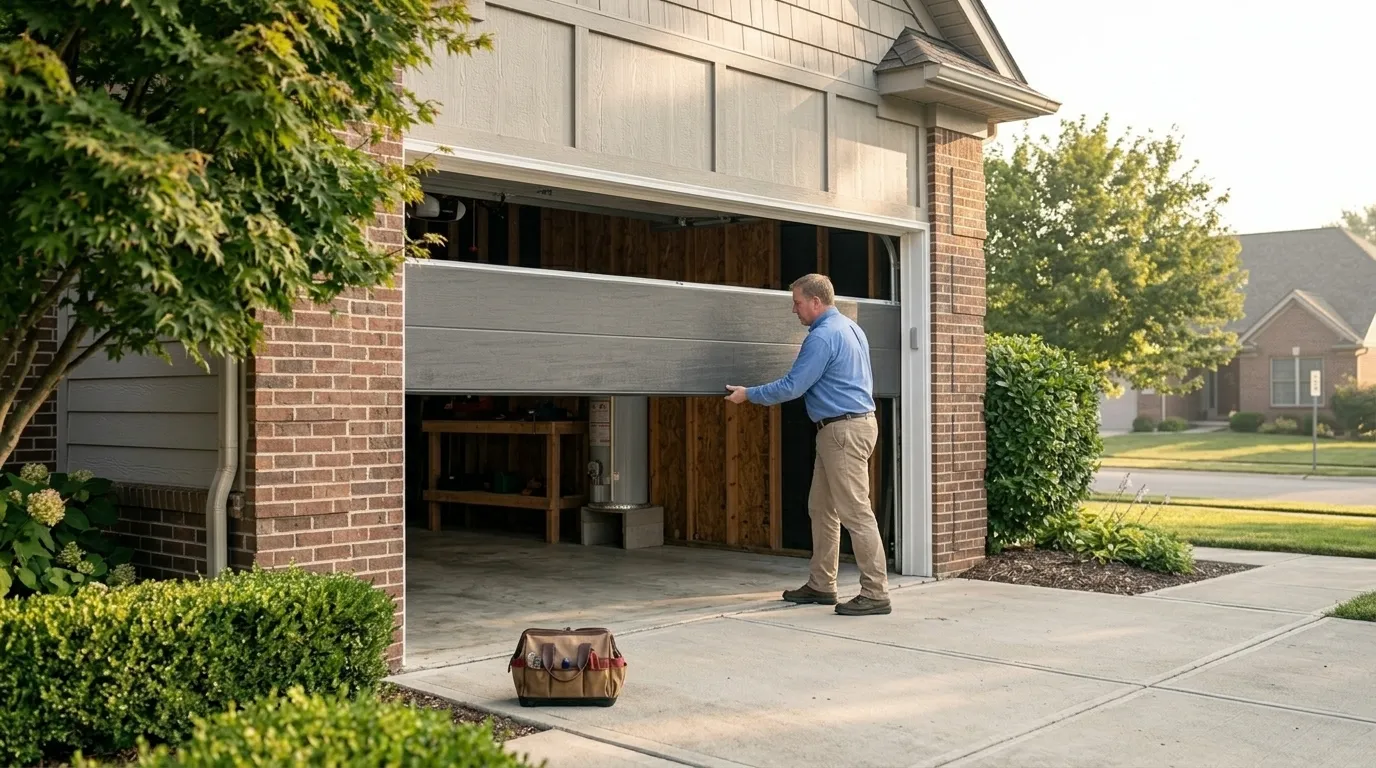
Chaska Garage Door Pros travels 16 miles to Credit River for garage door repair and replacement, working on the late-1980s hardware common to homes built around 1989.
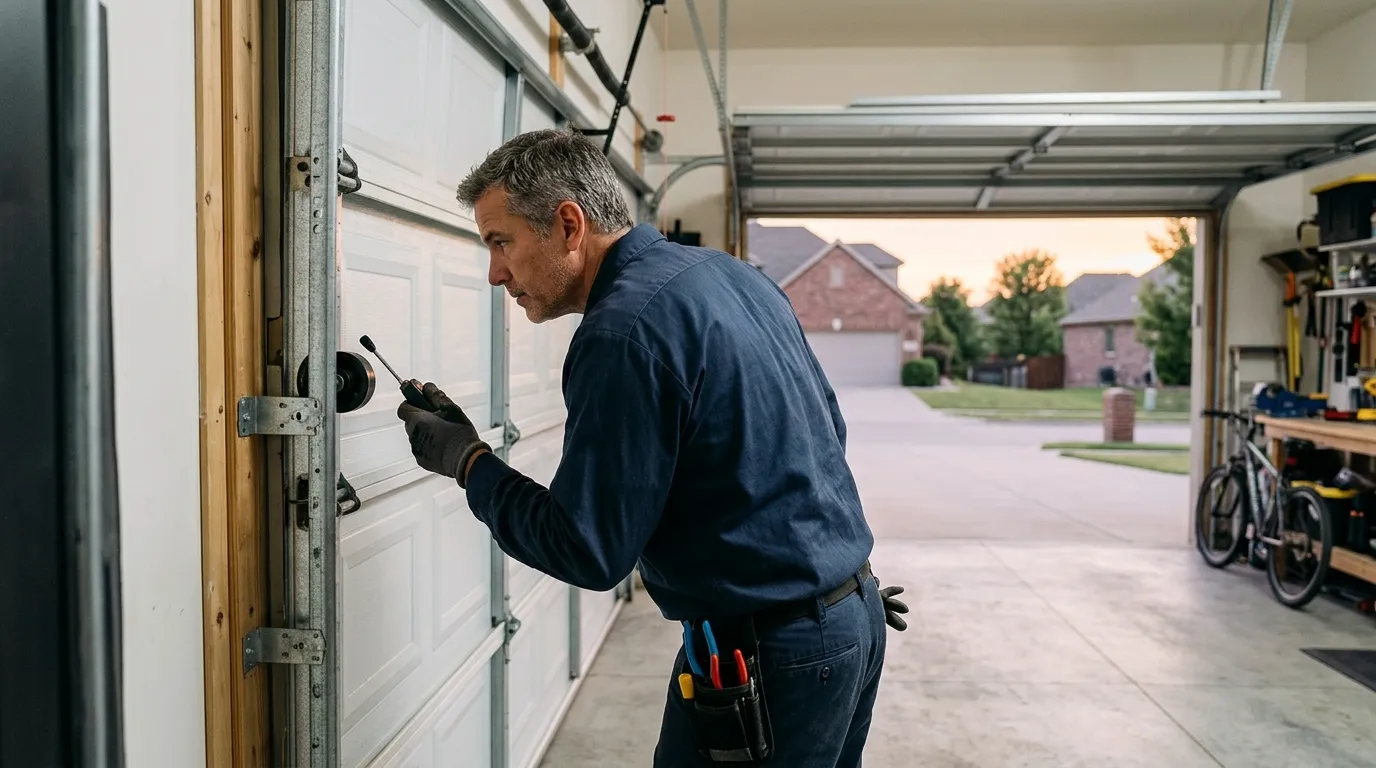
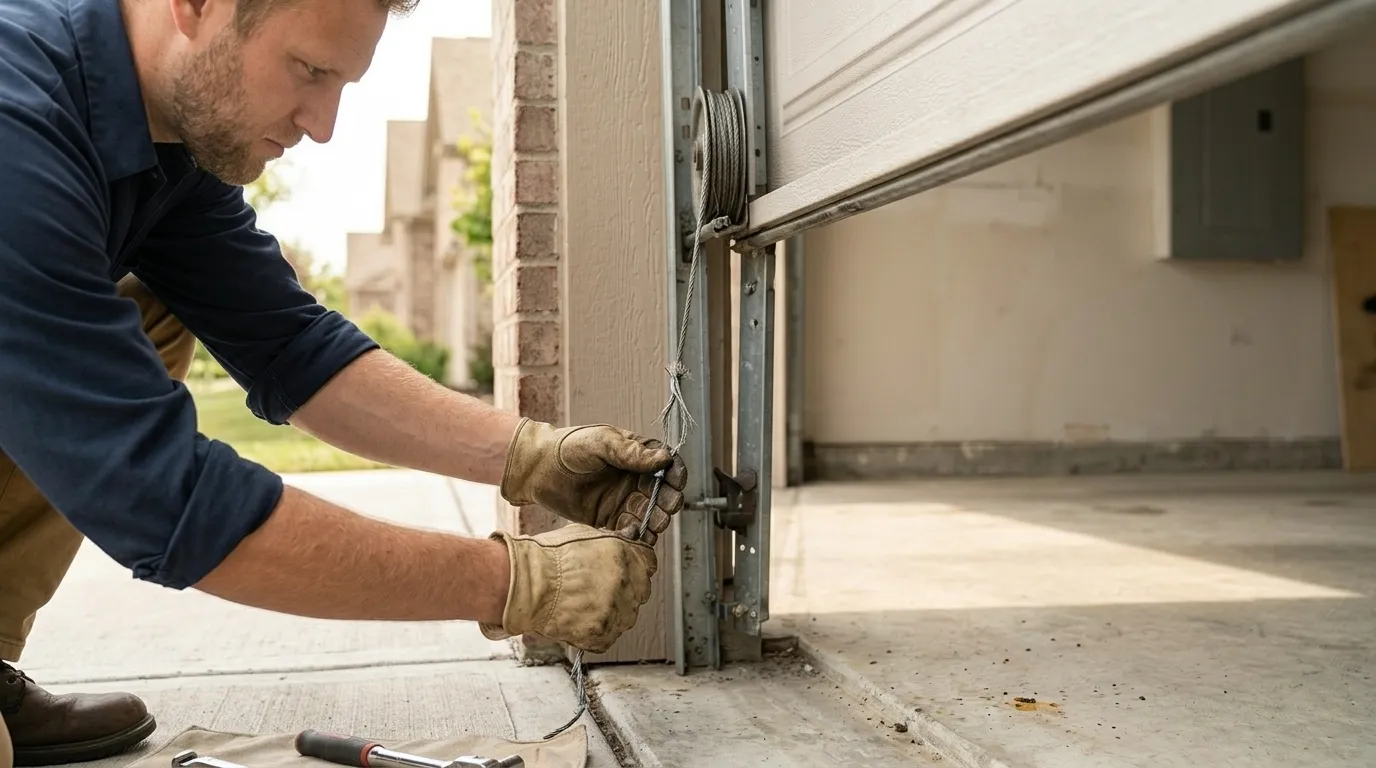
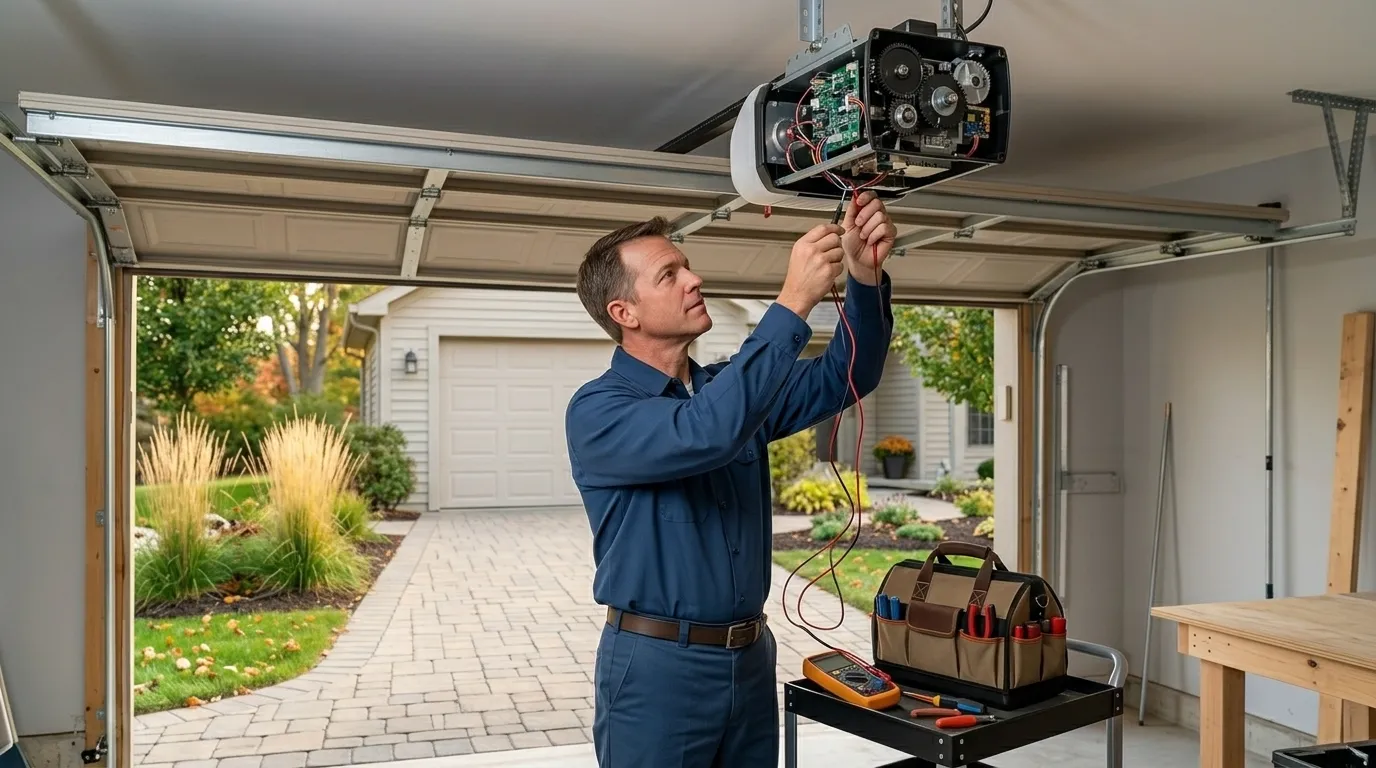
Credit River's housing stock centers on 1989, which puts most garage doors and openers here into a specific window: steel sectional doors on extension or torsion spring setups from the late 1980s and early 1990s, often paired with chain-drive openers that have been through one or two motor swaps by now. That's a different repair profile than the older 1950s-60s side-mounted torsion jobs you find closer to the lake towns, and it's different again from the newer builds going up elsewhere in the service area, where the overall housing runs 1954 to 2006 with a median around 1986. A door built to 1989 code doesn't have the same insulation values or bottom seal design as something installed in 2005, and the hardware wears differently. Springs from that era are usually still original if nobody's replaced them, which after three decades of Minnesota winters is often the actual cause of a door that's suddenly hard to lift, not the opener. We look at the year the door went in, not just the year the house was built, because a lot of these openers have been swapped once already while the door and track stayed put.
Old Streets and New Ones
Because Credit River's build years cluster tightly around the late 1980s, you don't get the mix of eras you'd find in a town with older platted neighborhoods next to new subdivisions. Most of the doors we'd see a call about here are going to be roughly the same age, which means the same springs, the same track spacing, and often the same failure points showing up around the same time on a given street. That's useful for us on a call - if one door's torsion spring has gone, the neighbor's is probably close behind on the same clock. It also means parts availability is usually straightforward; late-80s hardware is common enough that we're not hunting for something obscure.
When We Can Get There
We run out of Chaska, about 16 miles from Credit River, and that drive is part of scheduling a job here - we're not based in town and don't keep a local depot, so a same-day call depends on where the truck already is that day. For a broken spring or a door stuck shut, we'll tell you straight whether we can fit it in or whether it's a next-day slot. Minnesota's cold winters (this area sits in a severe cold climate band) make spring failures and frozen track issues more common in deep winter, and that's when call volume across the whole service area goes up - so a 16-mile trip can mean a longer wait on the worst days. We'd rather tell you that up front than promise a window we can't hit.
The Houses Here
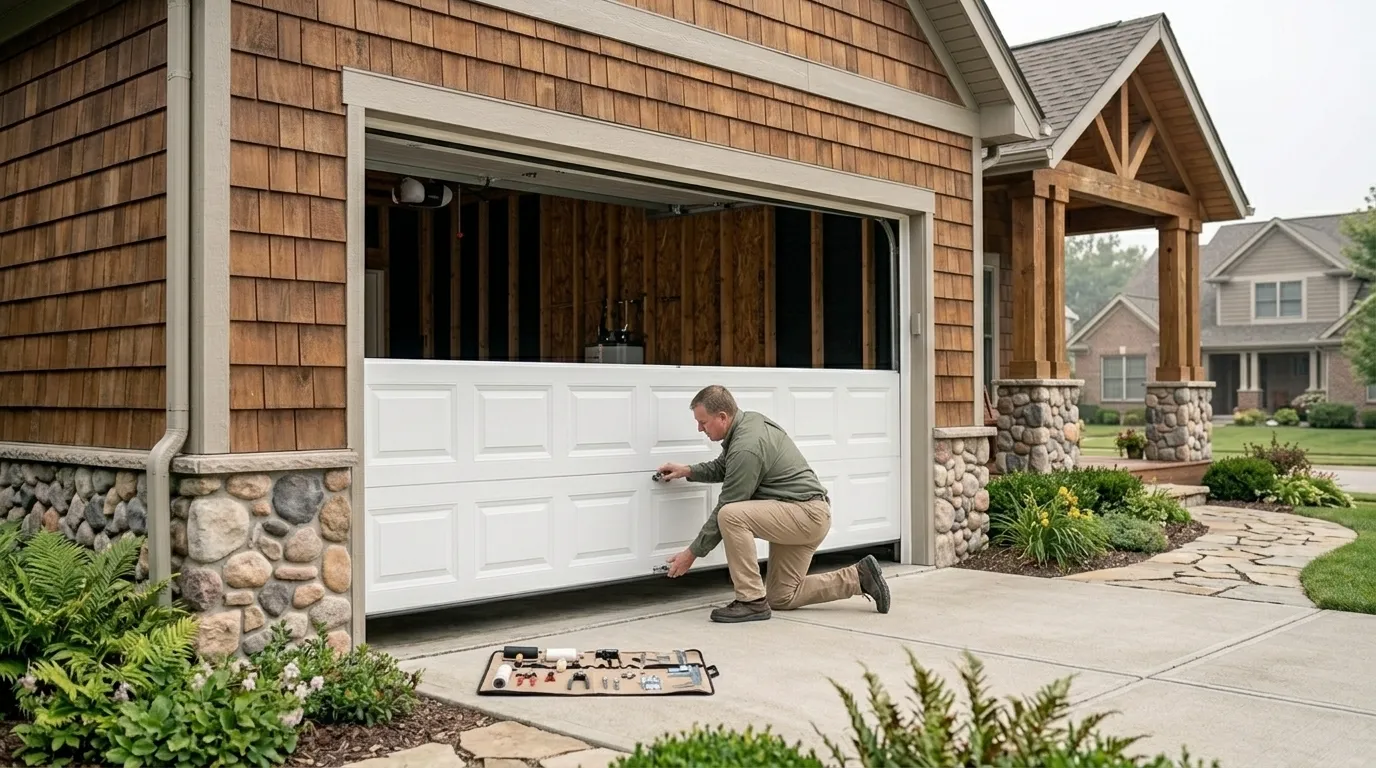
Credit River has about 1,956 households, and with a median household income around $149,524, this is one of the higher-income pockets in the areas we cover from Chaska. That tends to show up in the kind of repair calls we get - more requests for insulated replacement doors and quieter belt-drive openers, fewer calls where the homeowner is trying to squeeze one more year out of a door that's already failing. It doesn't change the physics of a torsion spring or a bent track, but it does mean when we're out there, the conversation is often about upgrading rather than just patching. Worth saying plainly: if a door's spring has snapped and the door and track are otherwise sound, replacing the spring is the right call, not the whole door - we'll tell you that even when a new door would be the easier sale.
How it works
From “it’s stuck” to “it’s fixed”
01
Tell us what’s wrong
Describe the symptom - won’t open, loud bang, opener runs but the door won’t move.
02
On-site diagnosis
A technician tests the door under power and by hand and finds what actually failed.
03
Clear, up-front plan
You get the fix that’s needed and what drives the cost - before any work starts.
04
Repaired & tested
The repair is done, the door is set true and tested, and the work area left clean.
Serving Chaska, MN - tell us what your door’s doing and we’ll take it from there.
No. We work out of Chaska, about 16 miles away, and travel to Credit River for service calls. There's no local depot here, so scheduling depends on where our truck is that day, especially during busy winter stretches.
What kind of garage door do most Credit River houses have?
Given a median build year around 1989, most homes here have steel sectional doors on torsion or extension springs from the late 1980s or early 1990s, often with a chain-drive opener that's been replaced once since. Springs of that age are a common failure point.
Is a 16-mile drive going to delay my repair?
It can, particularly during severe cold stretches when spring failures spike across the whole area we cover. We'll always tell you honestly whether we can get there same-day or if it's a next-day appointment - we won't promise a window we can't hit.
Should I repair my old spring or replace the whole door?
If the door panels and track are in good shape, replacing just the spring is usually the right, cheaper call. We only recommend a full door replacement when the door itself is failing - warped panels, damaged track, or an opener system that's not worth saving.
Ready to get your garage door sorted?
Tell us what it’s doing and where you are in Chaska - we’ll take it from there.