What Causes It Around Here
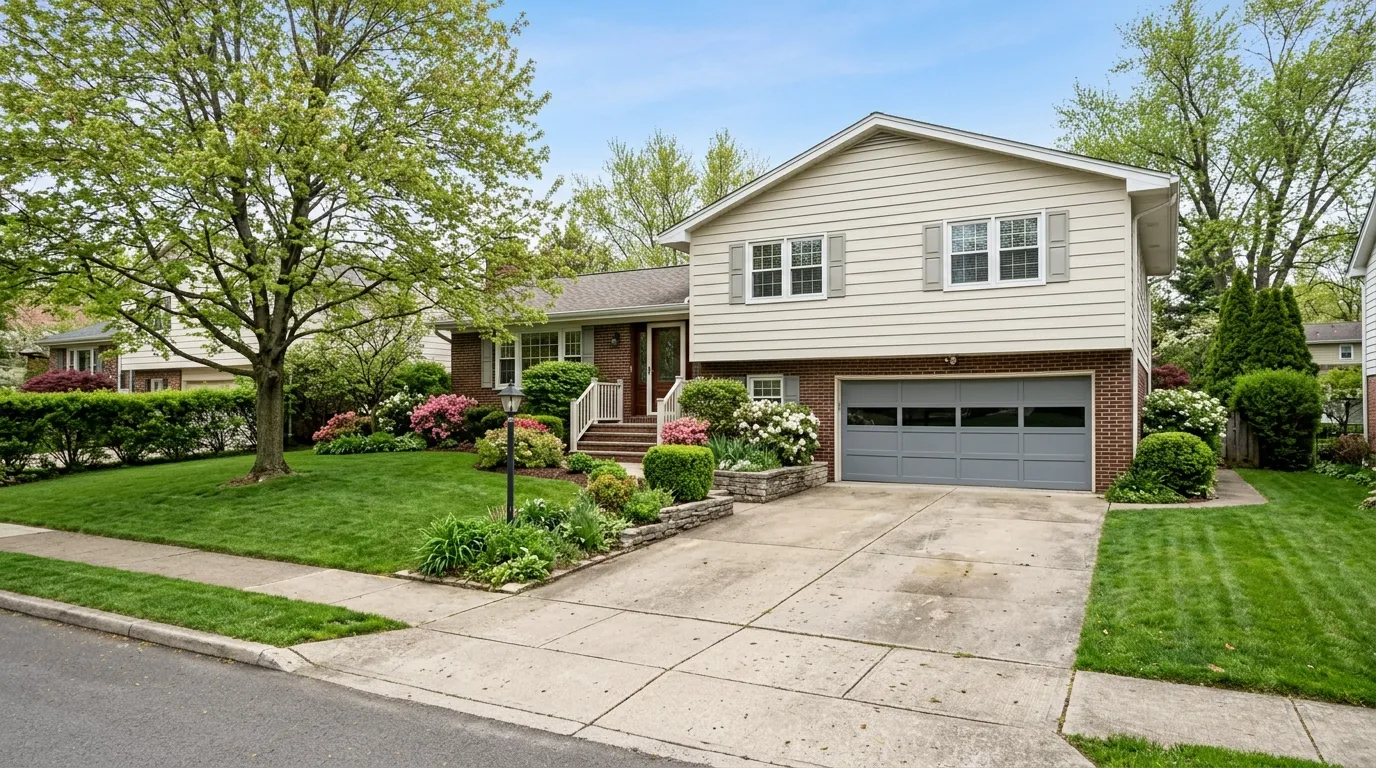
Housing in this service area was mostly built between 1954 and 2006, with the median landing around 1986, and most of the named areas nearby carry that same 1980s-to-90s stock. That matters for garage doors specifically: doors from that era were rarely insulated to any real standard, because energy code didn't push for it the way it does now. A single layer of steel with no thermal break was normal.
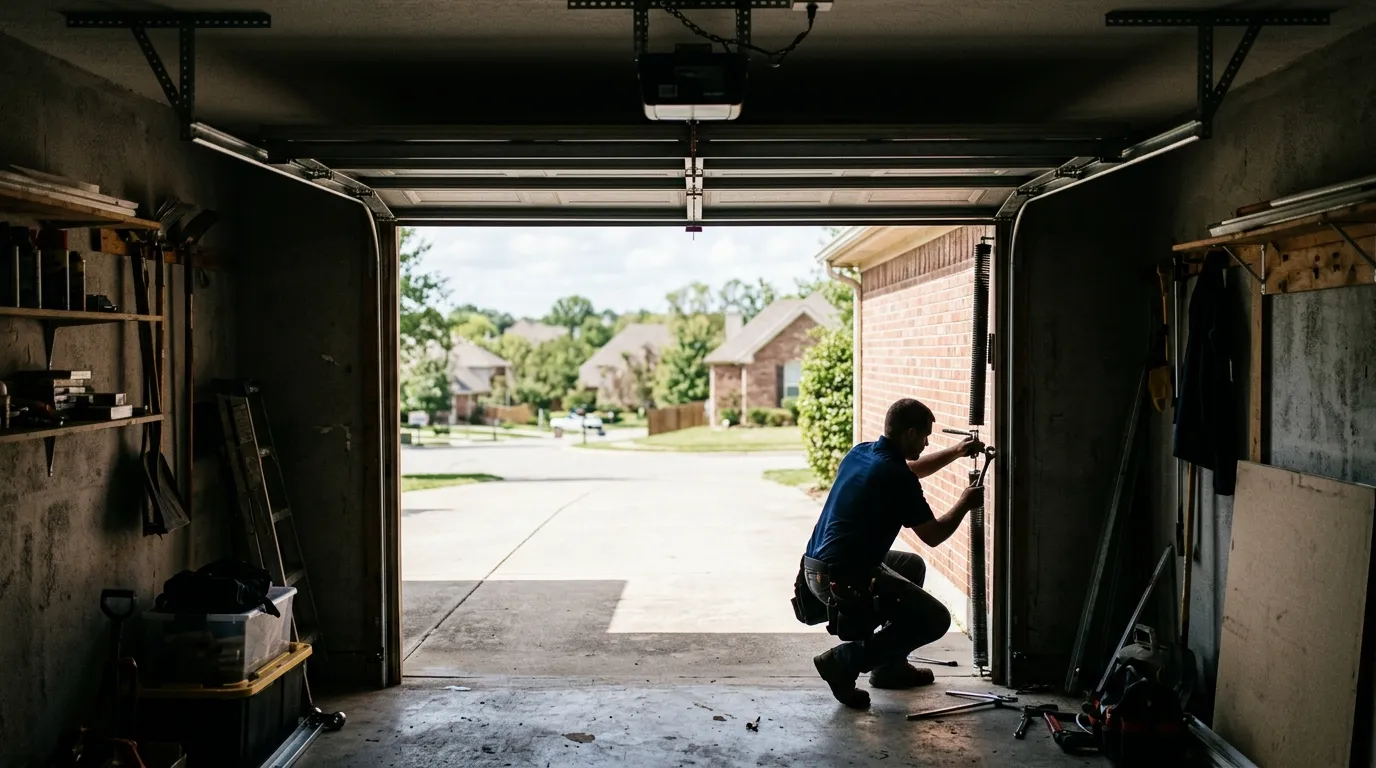
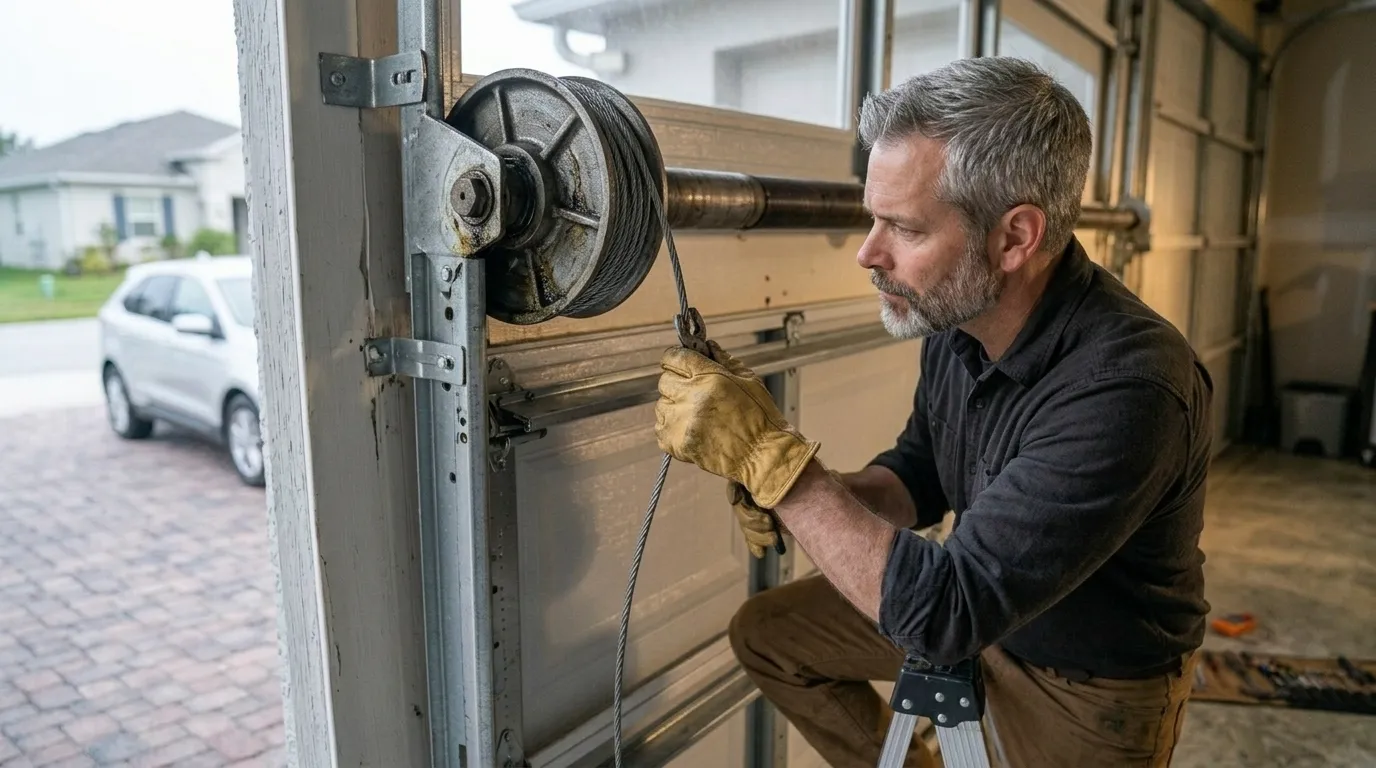
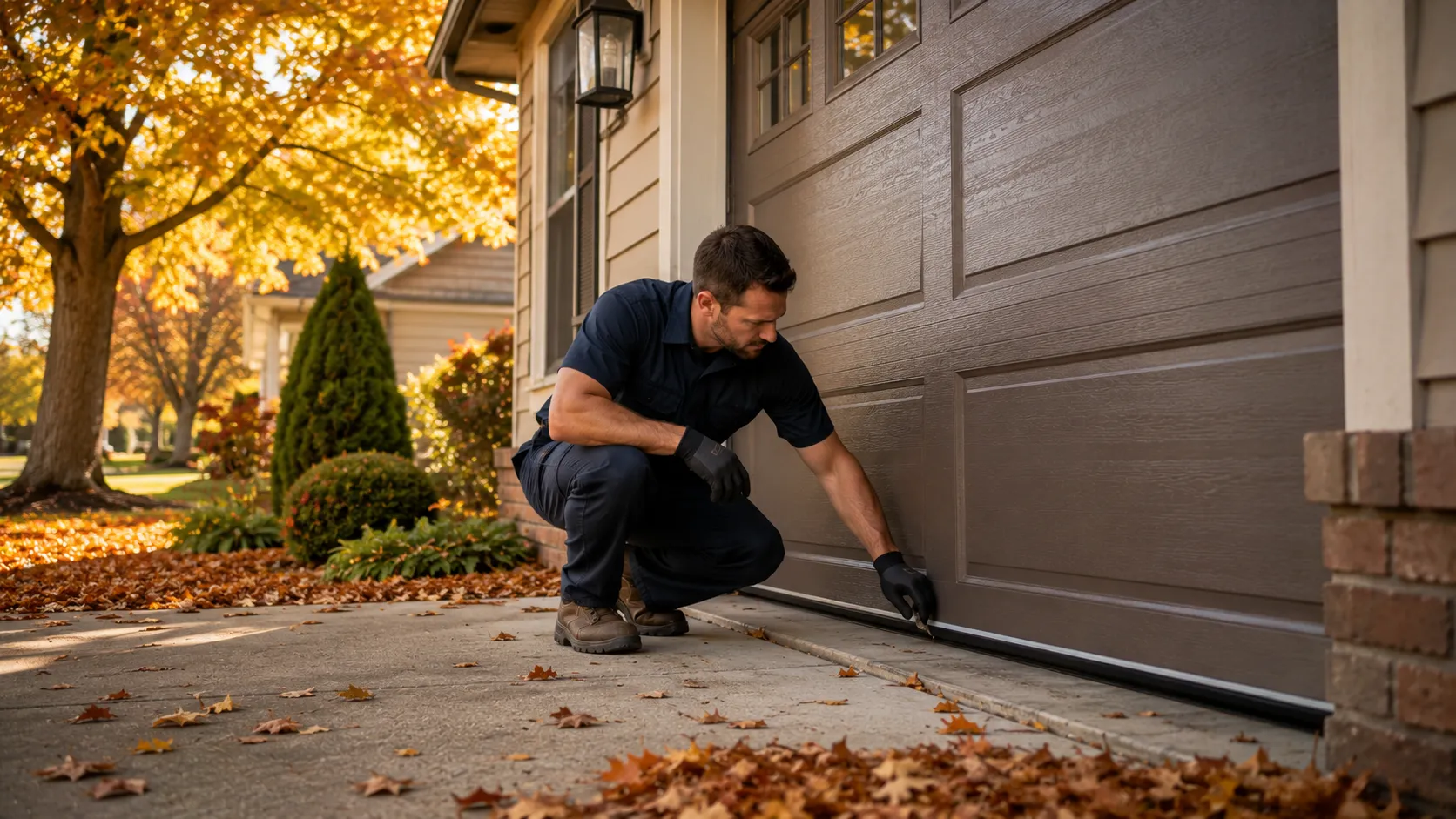
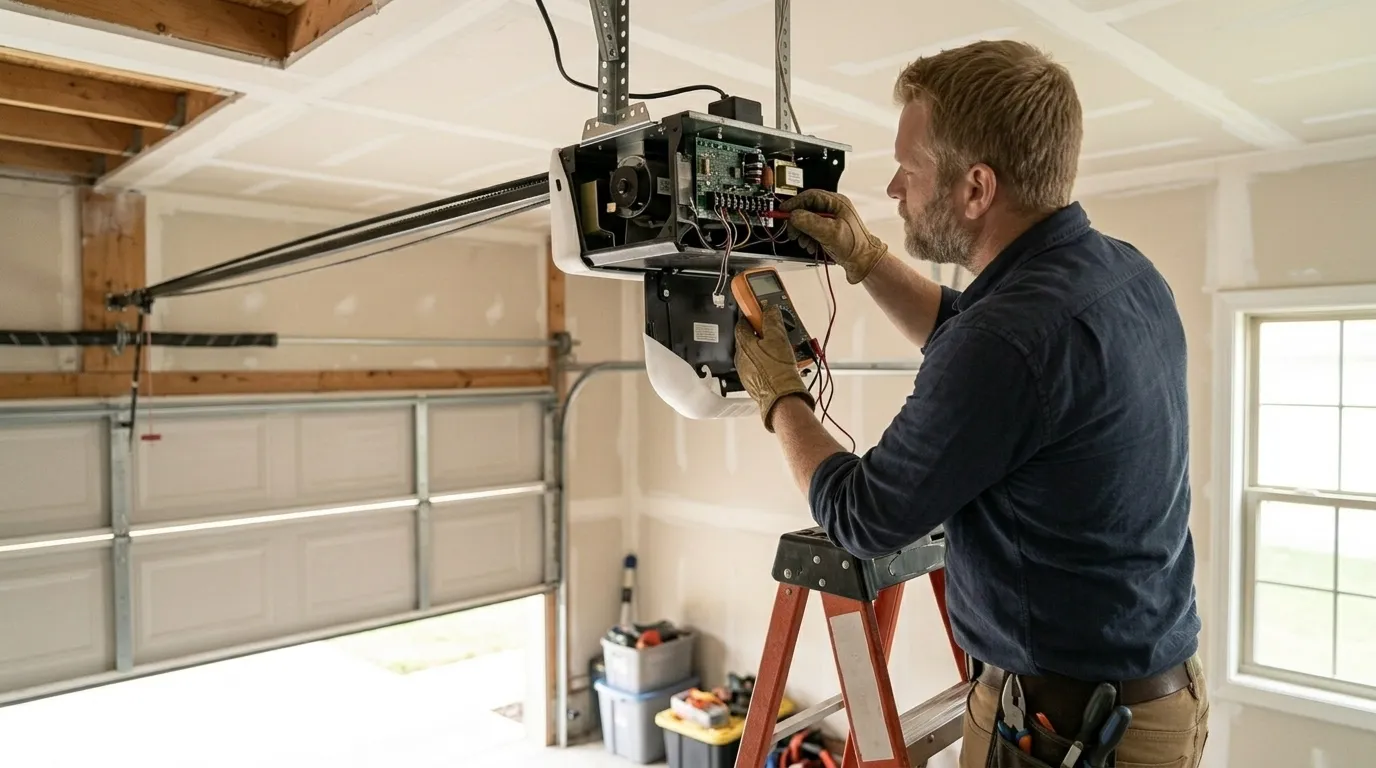
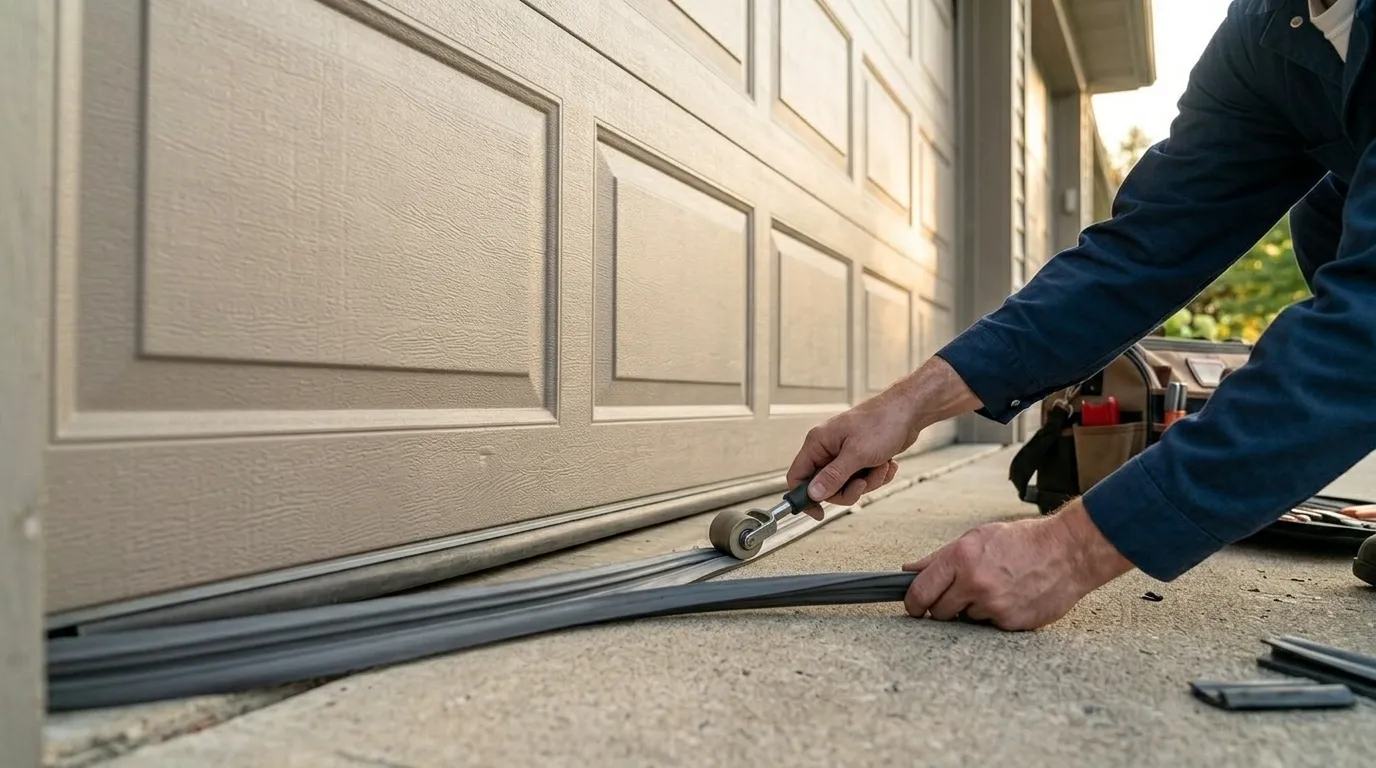
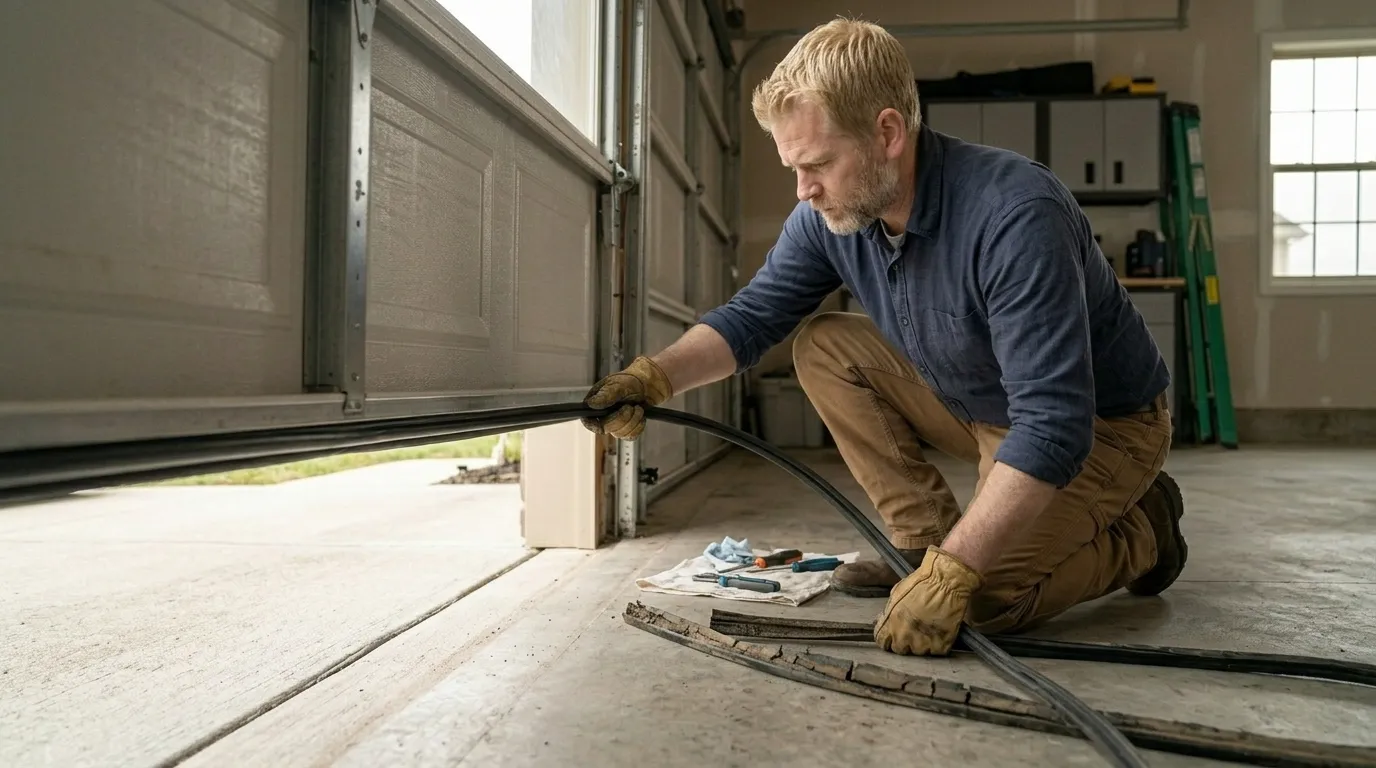
Chaska sits in a cold-severe climate band, and a door built to 1980s expectations just isn't built for what that means over a 30-plus year service life. Steel contracts in deep cold, seals harden and crack, and torsion springs sized for a lighter, older door start working too hard once weatherstripping fails and the door effectively gets heavier to lift. None of that is dramatic - it's slow wear that happens faster here than it would in a milder climate, because the swings are bigger.
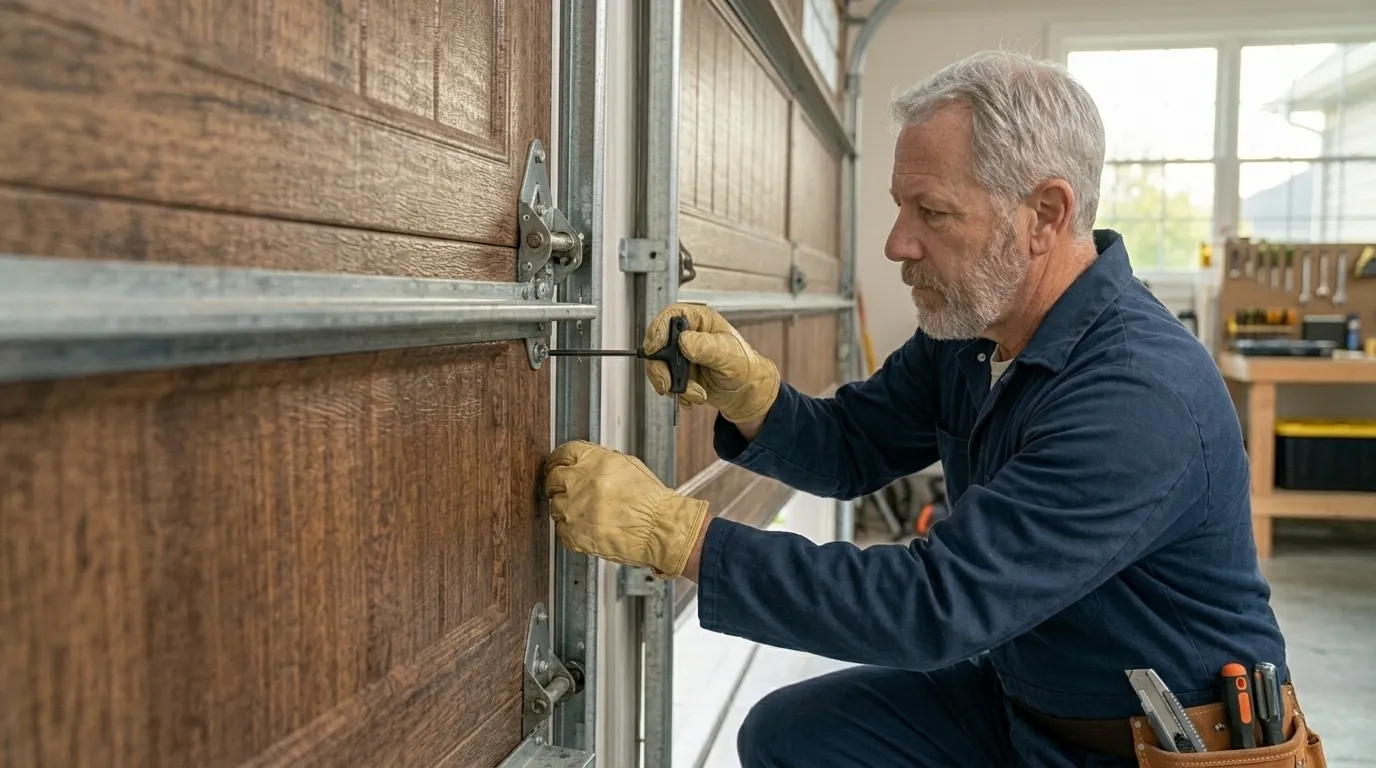
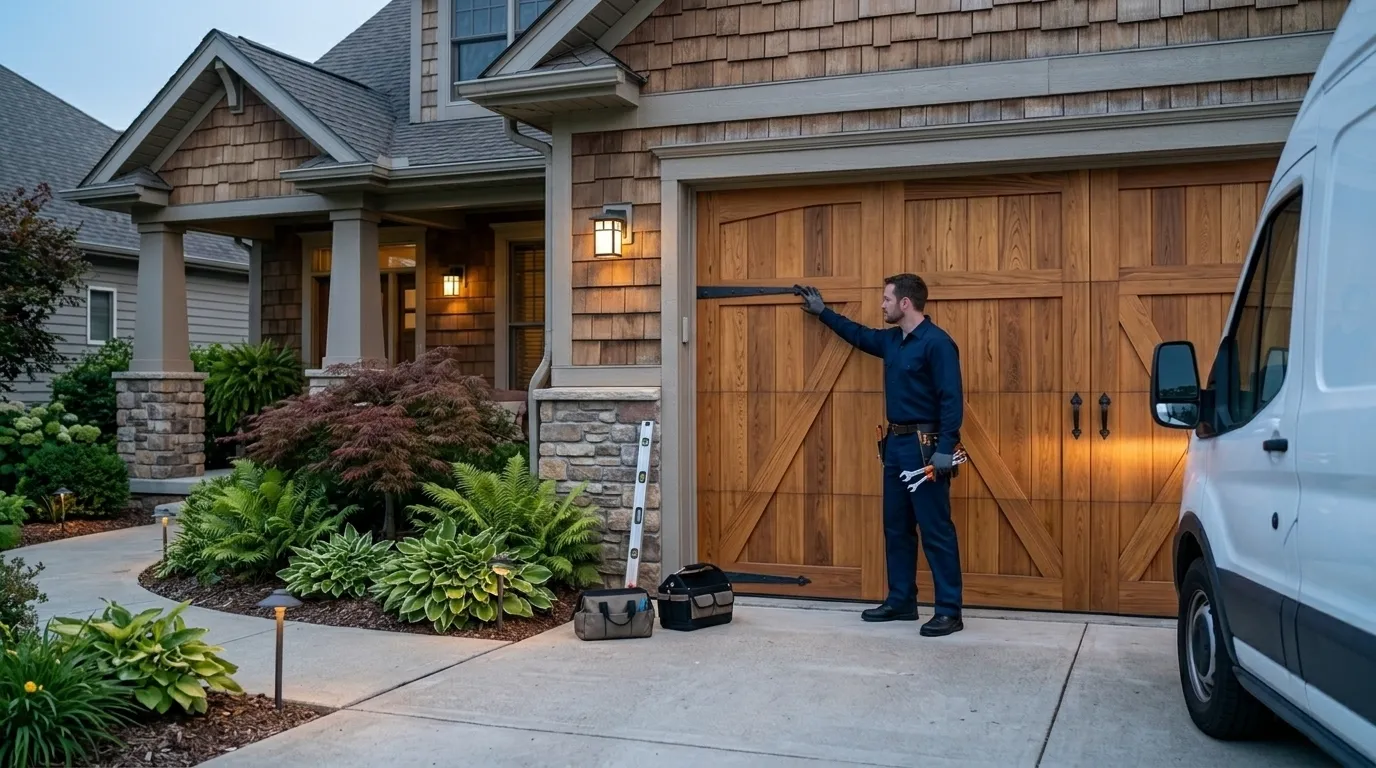
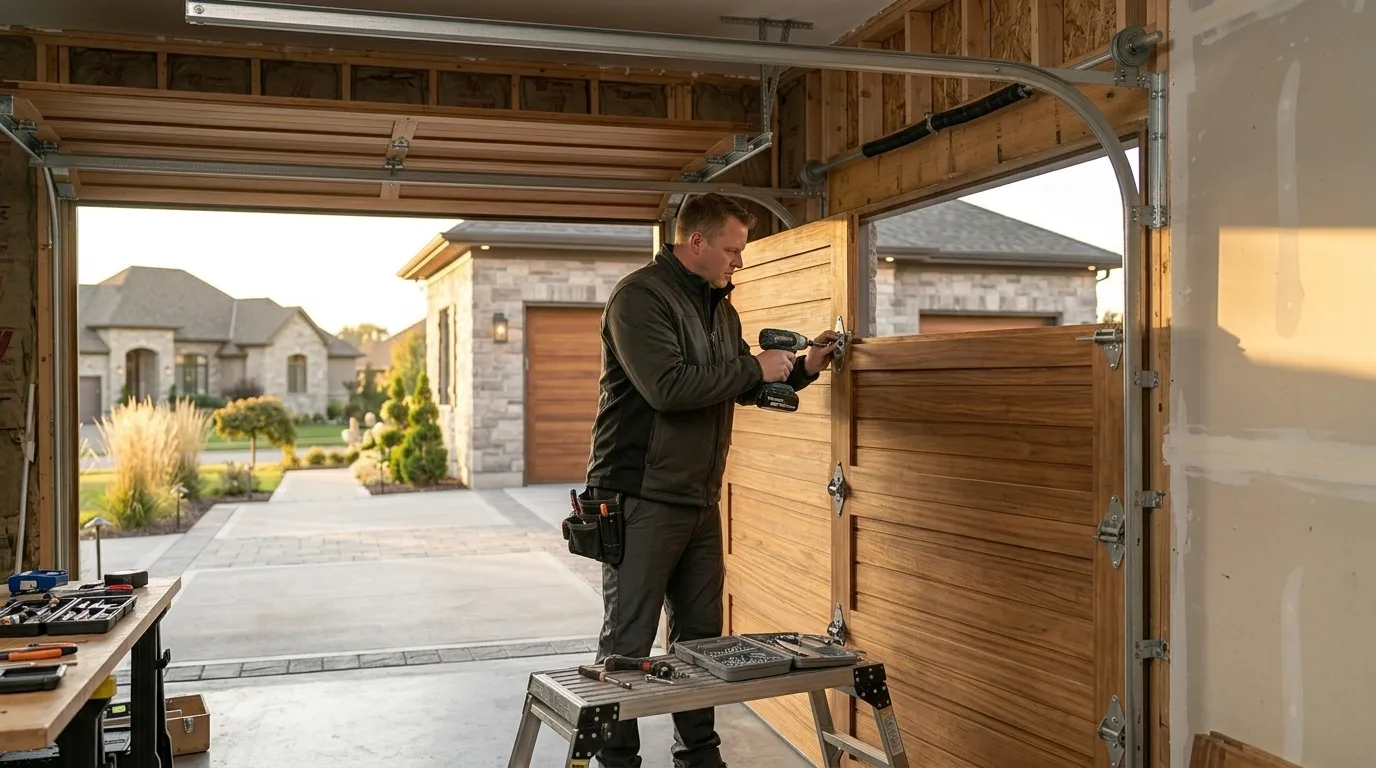
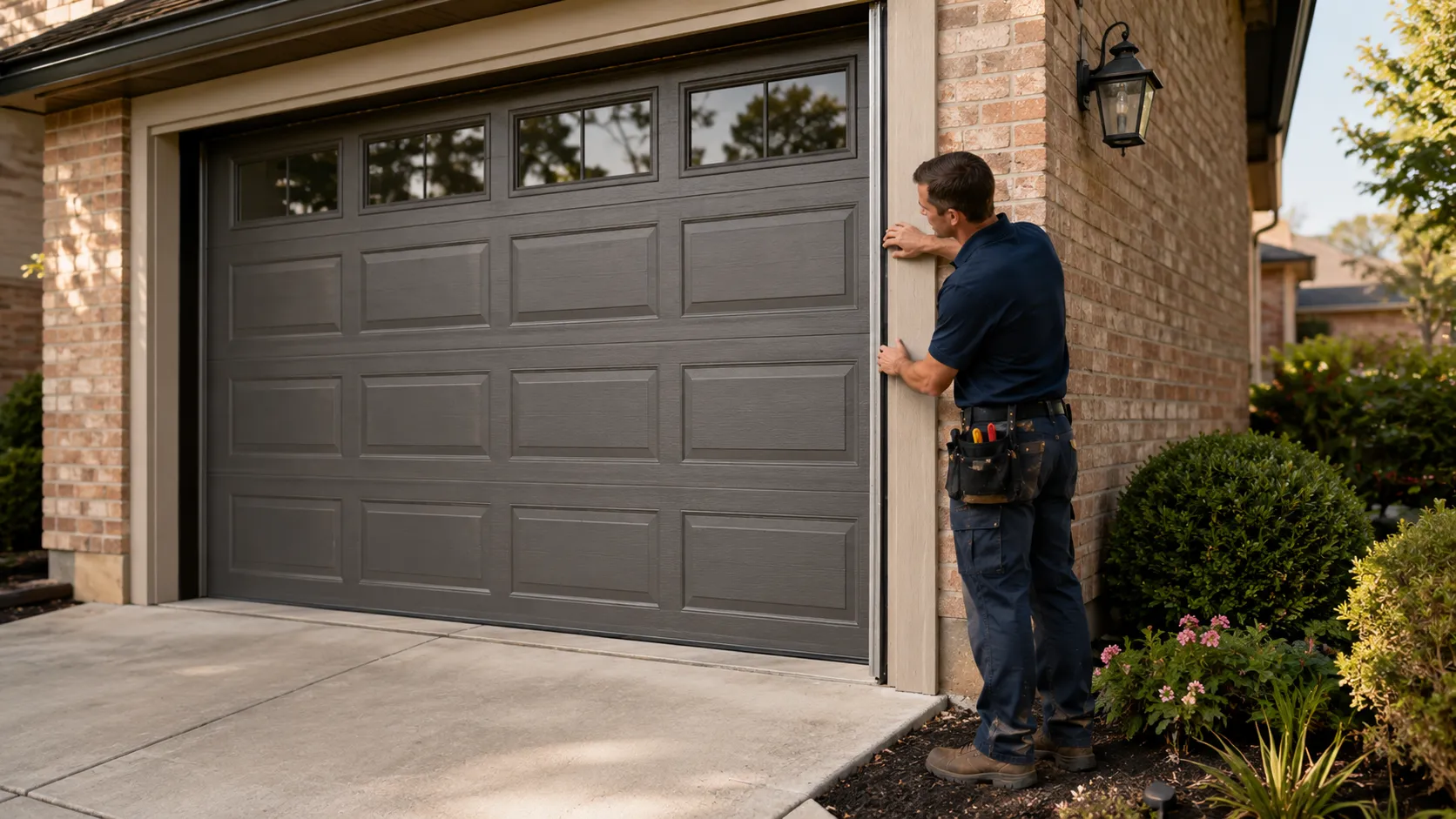
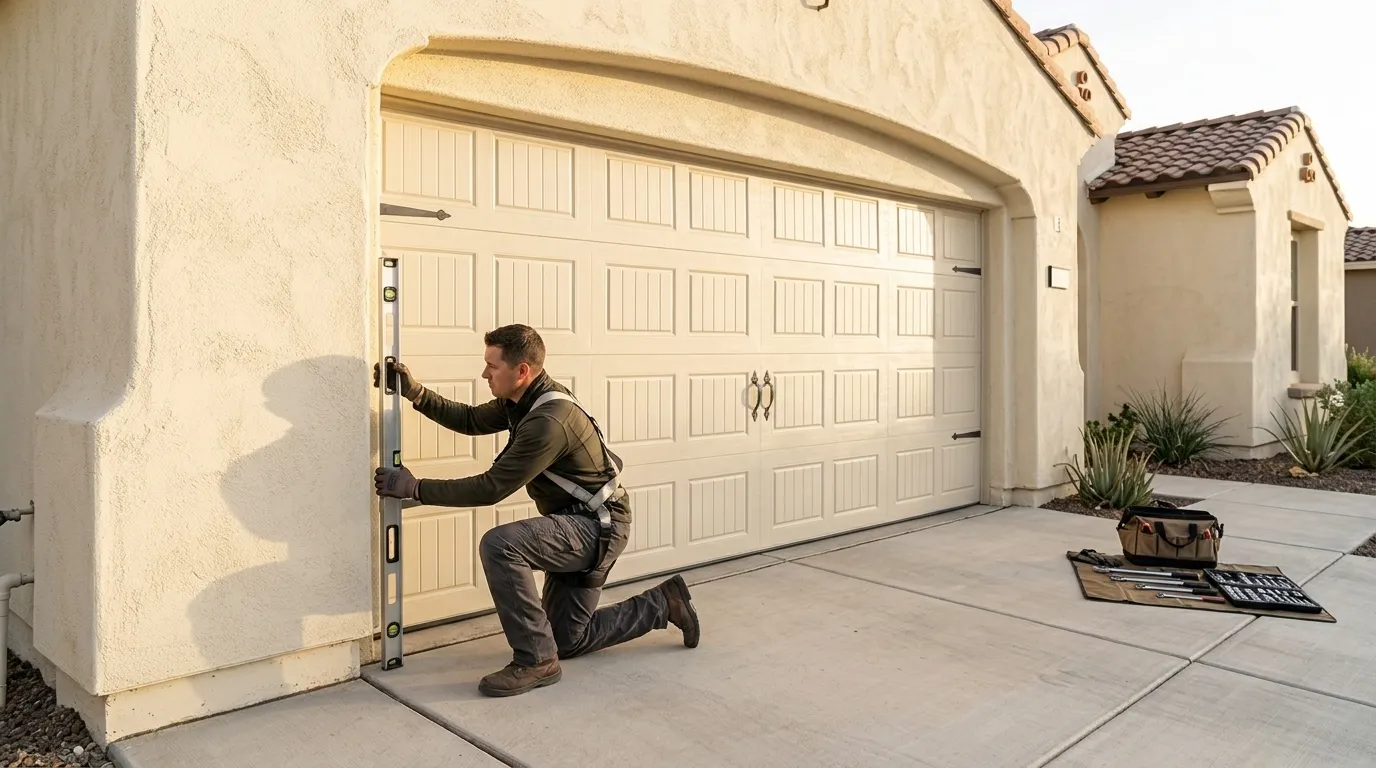
The other piece is size. Openings built in that era don't always match today's standard dimensions, especially on additions or garages built slightly out of spec, which is part of why installation here often means more measuring and less off-the-shelf fitting than you'd expect.
What It Costs
I'm not going to put a number here that I can't back up, because door cost depends on things I can't know without seeing the opening: single or double, insulated or not, steel or another material, and whether the old track and header need work along with the door itself. What I can tell you is what tends to drive the number up or down in houses like the ones common in this area.
Given the cold-severe climate here, insulation isn't optional if you want the garage to hold heat - that's usually the single biggest jump between a base door and a step up. Non-standard openings from older construction can also add cost, since a door built for a slightly off-size opening isn't a stock item.
With median household income in this service area around $116,500, most of the calls I get are homeowners replacing rather than patching a failing door - it's usually the better math once a door's original hardware starts going. But I'd rather look at your actual door and opening and give you a real number than guess at one here.