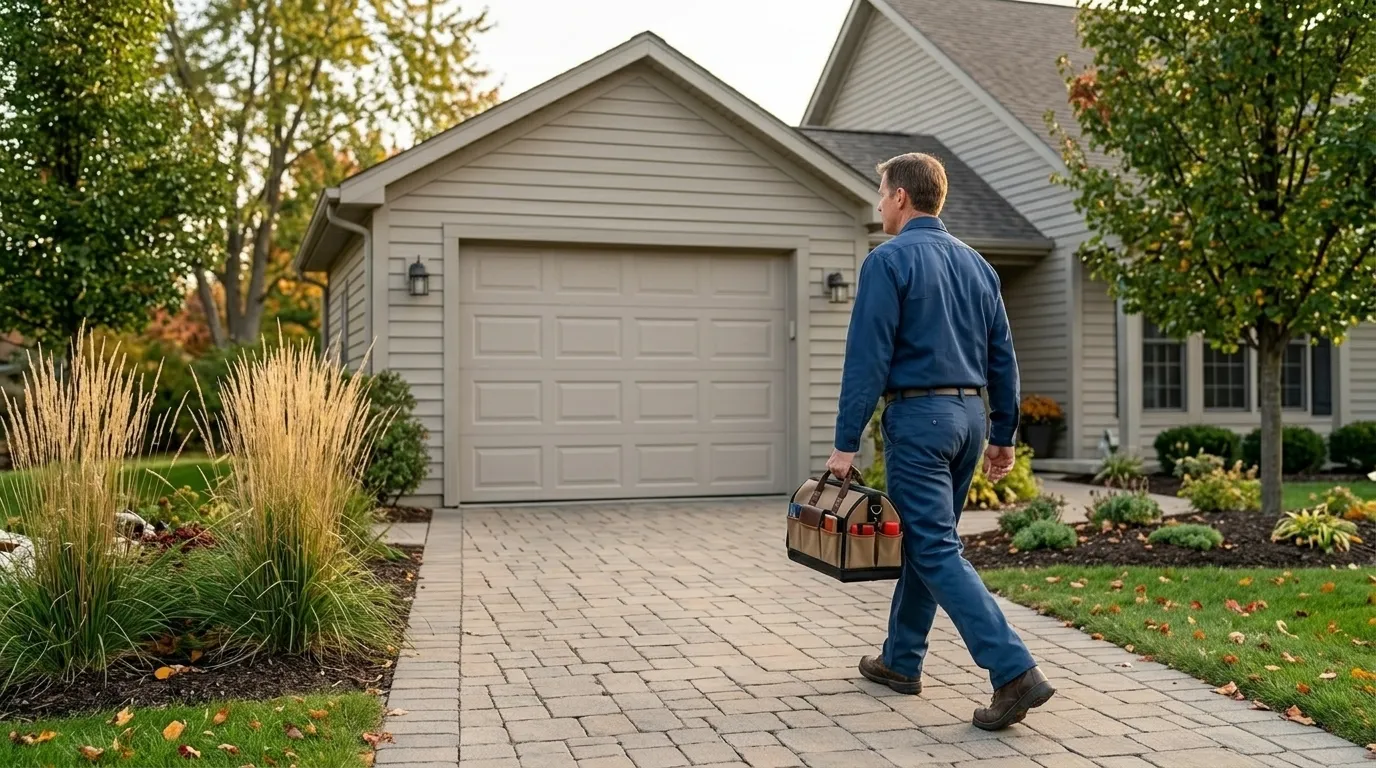
Chaska Garage Door Pros serves Independence, MN, 15 miles from our Chaska shop. We know the 1989-era doors and torsion hardware common on this side of the lake.
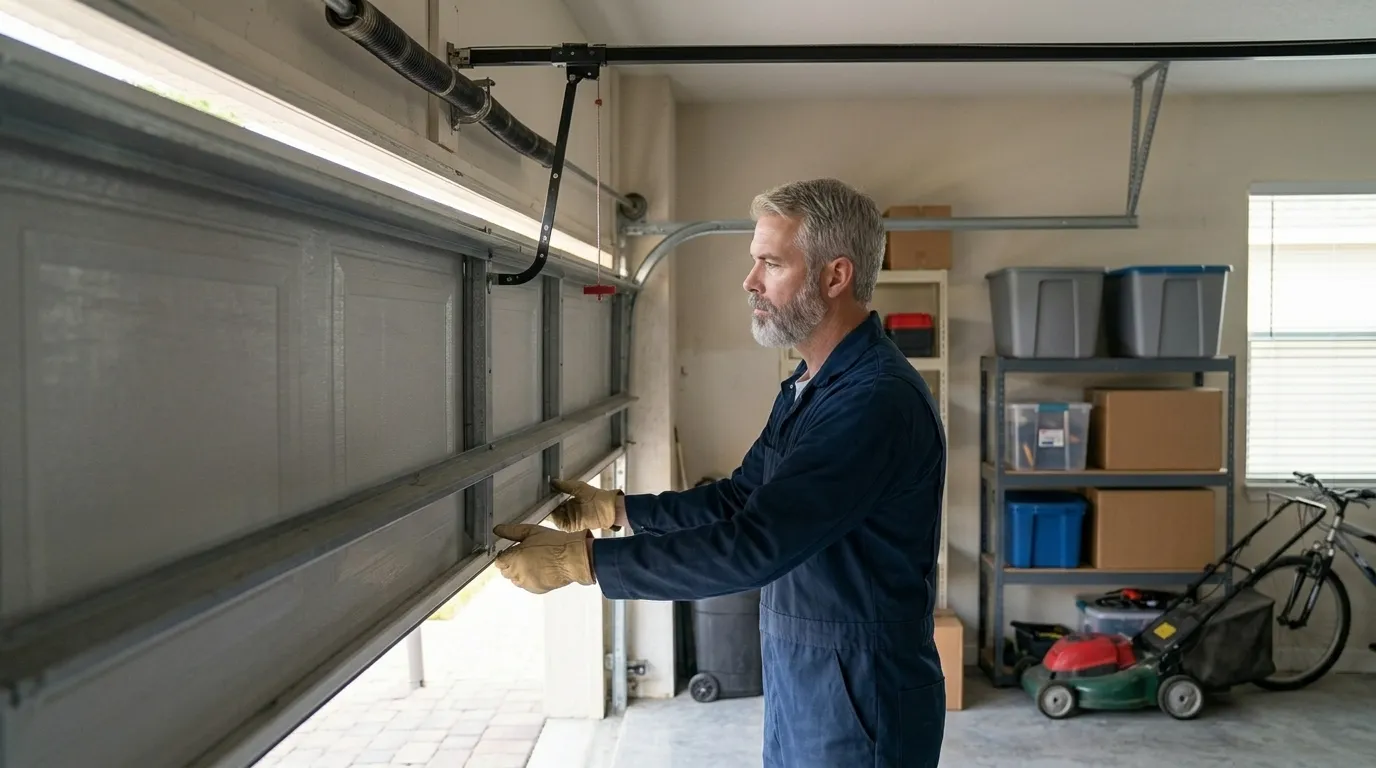
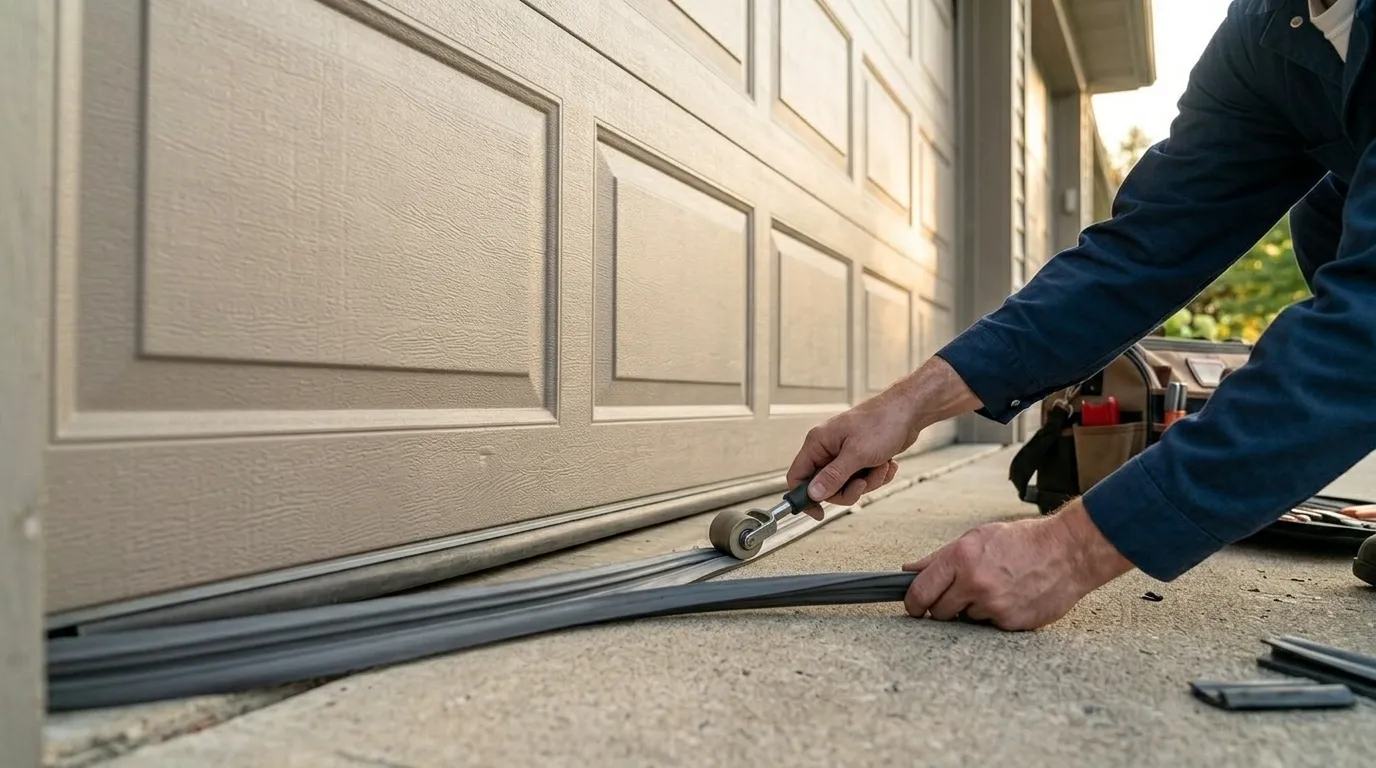
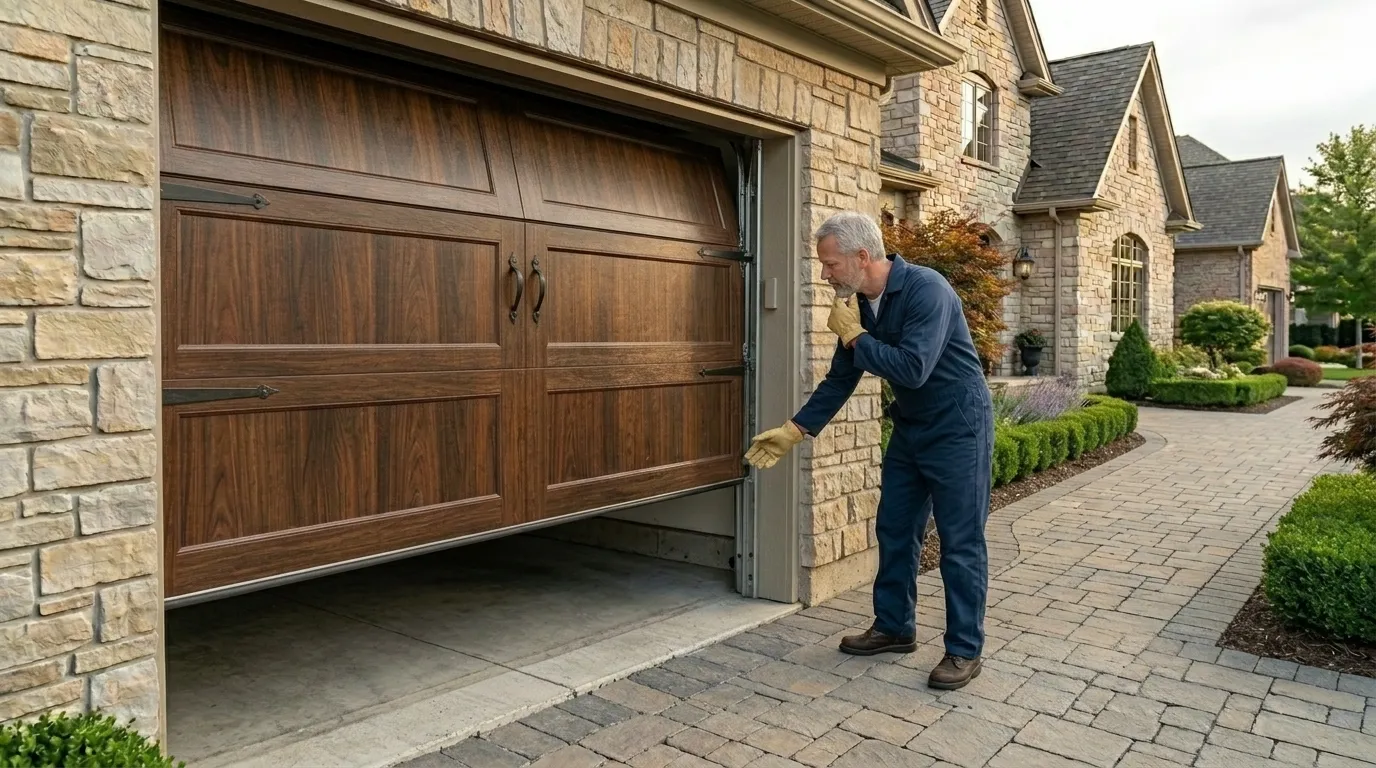
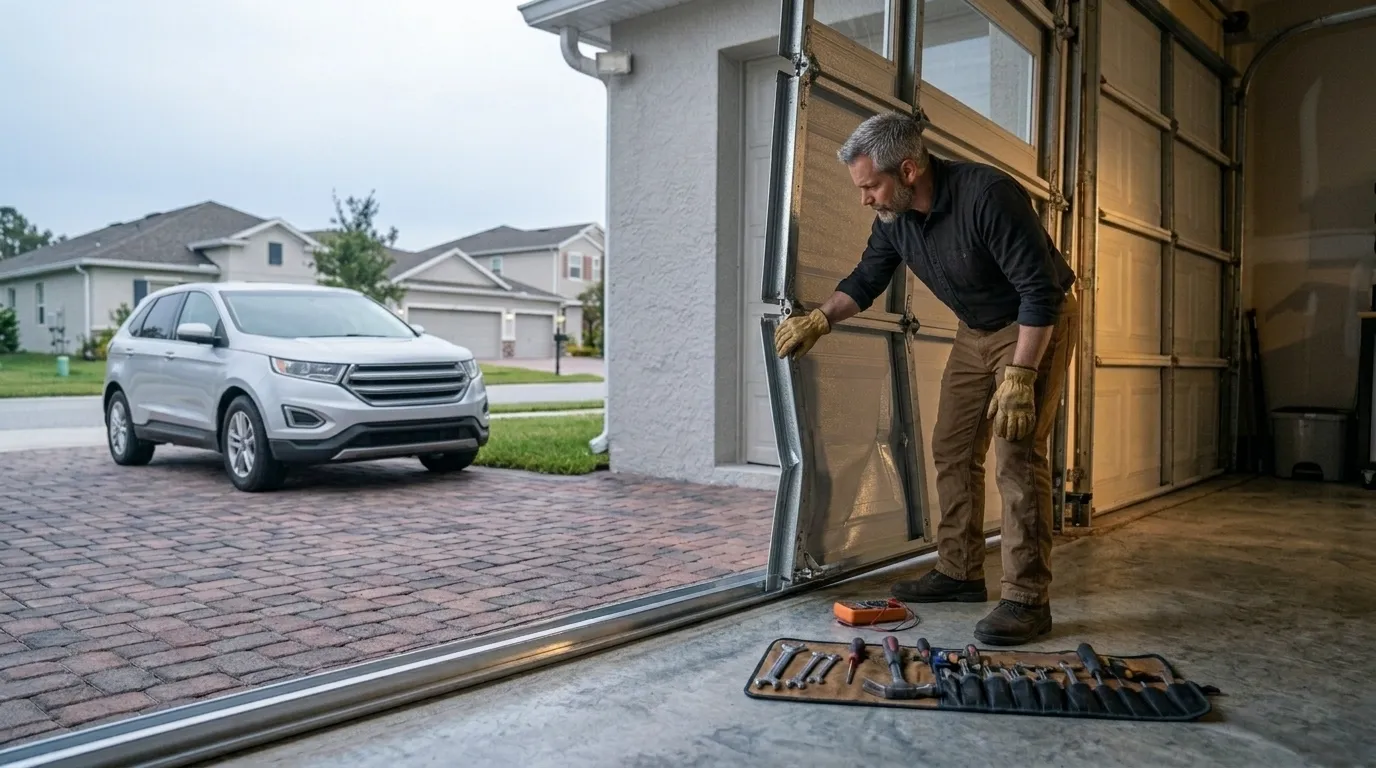
Independence sits a little later on the timeline than a lot of the towns we cover. The median home here went up around 1989, right in the thick of the 1980s-90s building wave that shaped most of this service area. That matters more than it sounds like it should. A door installed in 1989 is old enough that its opener has probably been replaced once already, but the track and spring setup is often still the builder-grade torsion system that came with the house - steel that's had thirty-plus winters to fatigue. We see a lot of these develop cable fray at the bottom bracket and hinge wear on the second and third panels before the springs themselves ever fail. It's a different failure pattern than what you'd find on a house built in the 1960s with an older extension-spring setup, and it's different again from anything built after 2000 with sealed ball-bearing rollers. Knowing which era we're walking into before we open the truck saves a trip back for the right part.
One honest note: if your door is original to a 1989 build and the springs haven't been touched, we'll usually tell you to replace both springs as a pair rather than patch one side. Mismatched spring age on a door this old just means we're back in a year.
Old Streets and New Ones
Independence doesn't have the mix of eras you find in some of the towns closer to Chaska - no scattered 1950s farmhouses sitting next to new construction. The housing stock here leans consistently toward that late-1980s window, which means most garages on a given block were built with the same hardware from the same supplier catalog. That consistency actually helps us: once we've worked on a few doors in a neighborhood, we usually know the roller size and track gauge before we measure.
What's changed since then isn't the streets so much as the openers. A house built in 1989 has almost certainly had at least one opener swap, often to a chain-drive unit with a keypad the original didn'have. The door panels and torsion tube, though, tend to be original unless something broke. That's the split we plan around here - newer opener, older door body.
When We Can Get There
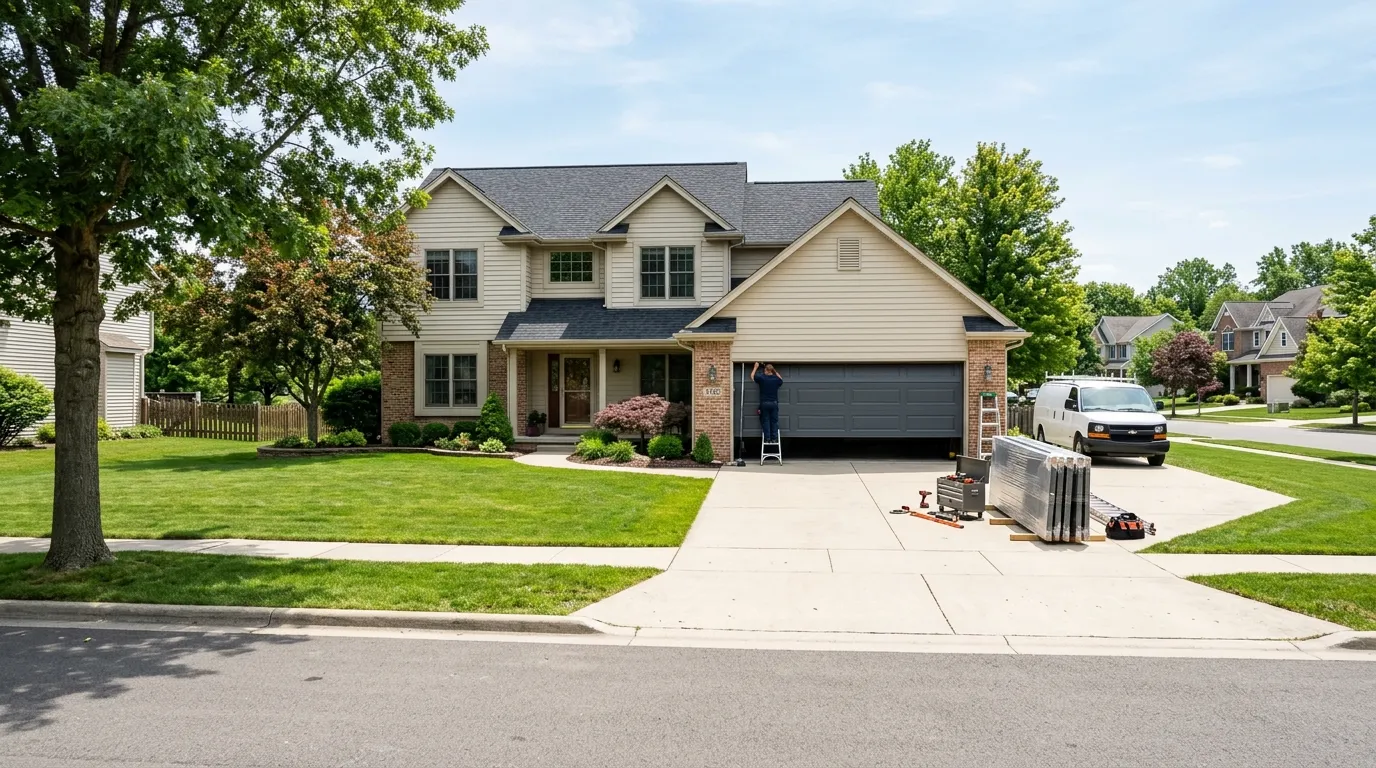
We run out of Chaska, and Independence is about 15 miles out. That's farther than some of the towns we cover - Chanhassen, Carver, and Victoria are all closer in at 4 miles - so we build the drive into how we schedule the day rather than treating it as a quick add-on stop. We don't keep a depot or a crew stationed in Independence, and we won't tell you otherwise. What we do is plan the truck's route so Independence calls get grouped with other jobs on that side of the lake when we can, which keeps the drive from adding dead time to your appointment.
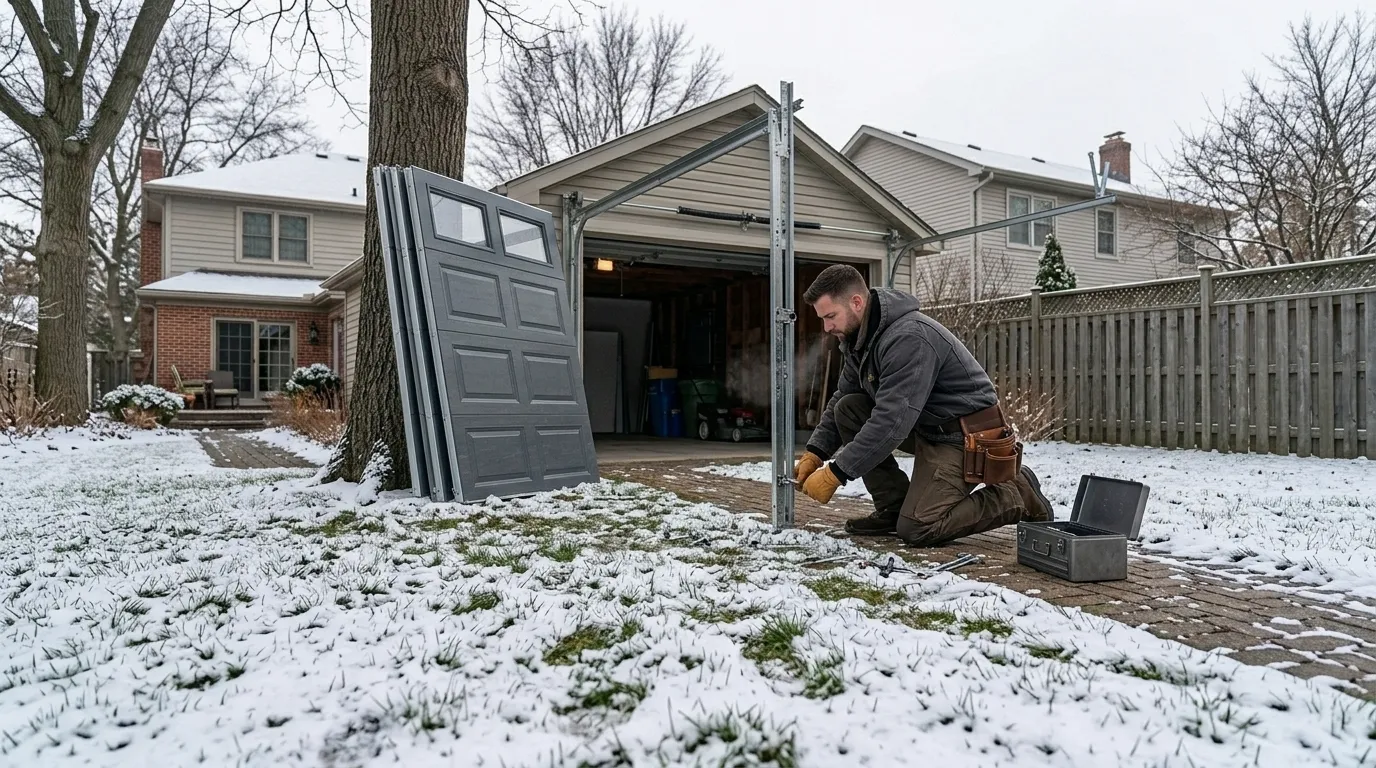
Winter is the one variable that can shift things. This is a cold-climate service area, and a hard freeze after a spring failure is the most common reason a door won't move at all - the cold makes steel brittle right when a fatigued cable is most likely to snap. We plan for that when we're scheduling calls out this far.
The Houses Here
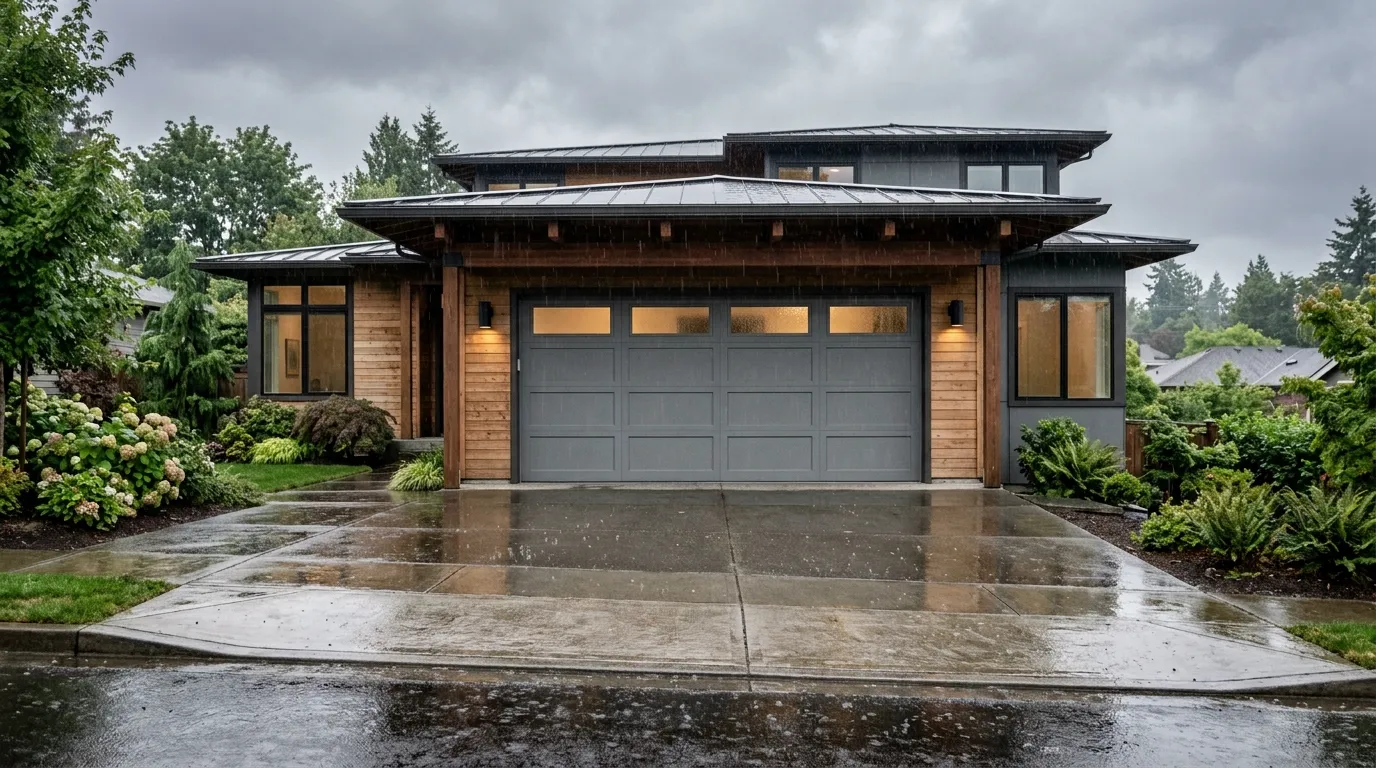
Independence is a smaller pocket than most of what we cover - around 1,316 households, compared with over 102,000 across the wider service area - and the income profile stands out too, with a median household income near $194,205 against a service-area median of $116,500. That combination usually means something specific to us: fewer bare-bones builder doors, more custom or upgraded insulated panels installed as later retrofits rather than at construction. We still see the 1980s torsion hardware underneath a lot of those upgrades, though, since replacing the door skin doesn't always mean replacing the spring system behind it.
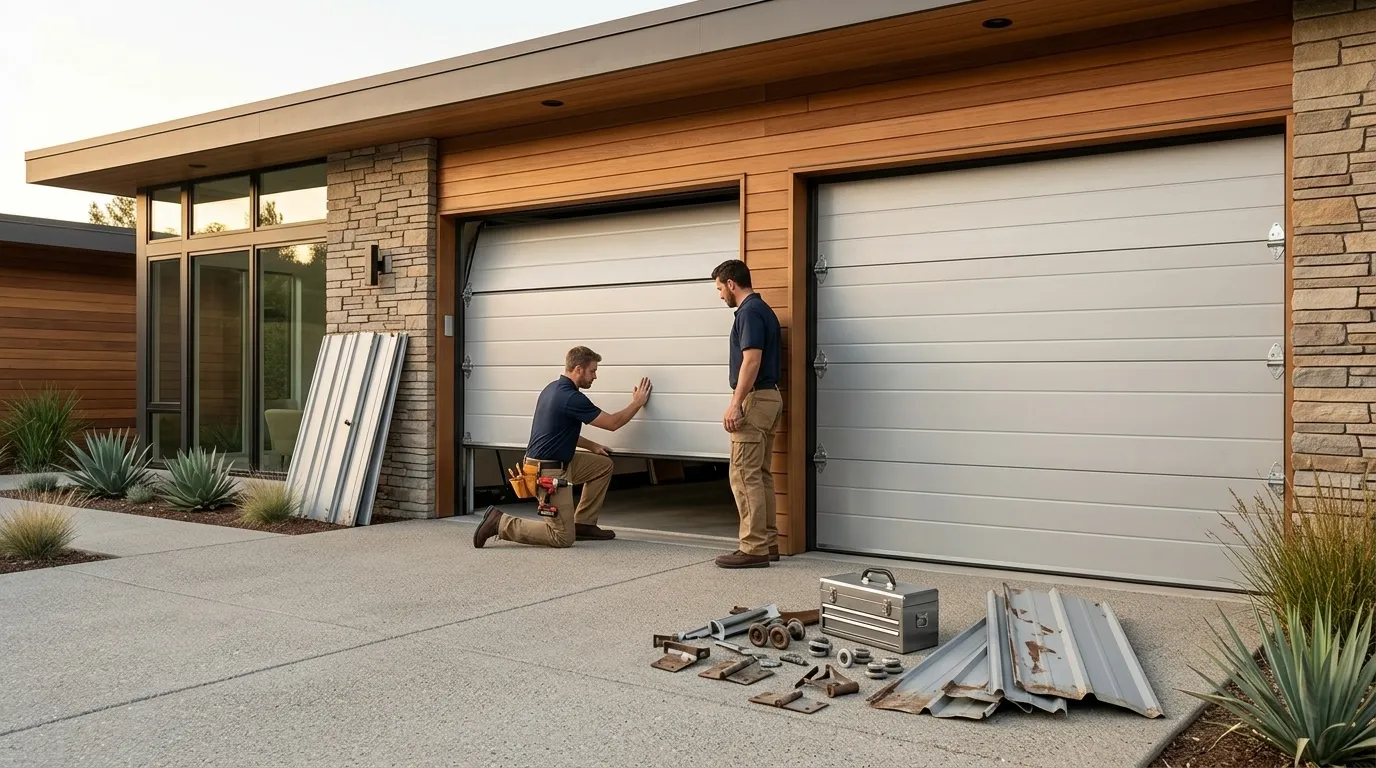
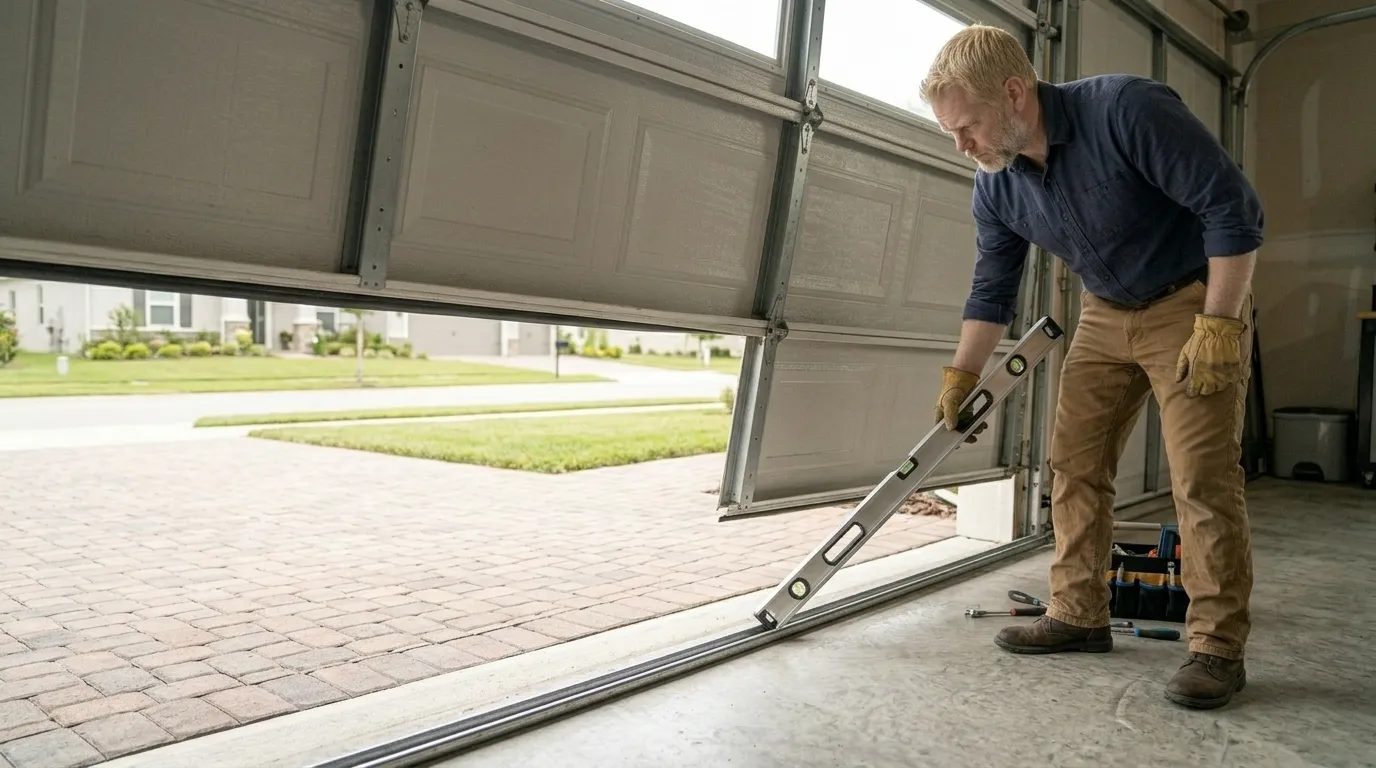
What that means for a service call is that we come in not assuming the cheapest possible parts were used originally, and we ask before assuming a repair is the cheaper route over replacement. On a door with a heavier insulated panel added later, the original torsion spring may already be undersized for the added weight, which shows up as a door that struggles to open evenly.
How it works
From “it’s stuck” to “it’s fixed”
01
Tell us what’s wrong
Describe the symptom - won’t open, loud bang, opener runs but the door won’t move.
02
On-site diagnosis
A technician tests the door under power and by hand and finds what actually failed.
03
Clear, up-front plan
You get the fix that’s needed and what drives the cost - before any work starts.
04
Repaired & tested
The repair is done, the door is set true and tested, and the work area left clean.
Serving Chaska, MN - tell us what your door’s doing and we’ll take it from there.
No. We're based in Chaska, about 15 miles away, and we drive out for service calls rather than keeping a depot or crew stationed in Independence. We build the drive time into scheduling so it doesn't turn into a long wait for you.
Why does my 1989 house still have the original garage door hardware?
A lot of homes from that era had their opener replaced at some point but never the torsion springs or track, since those only get swapped when they fail. After 30-plus winters, fatigue in the cables and spring coils is common even if the door still looks fine from the outside.
Is it worth repairing an old torsion system instead of replacing the whole door?
Often yes, if the panels themselves are in good shape and it's just springs, cables, or rollers. But if the door has an insulated panel added later that the original spring wasn't sized for, straight repair may not fix the real problem - that's a case-by-case call we make on site.
Ready to get your garage door sorted?
Tell us what it’s doing and where you are in Chaska - we’ll take it from there.