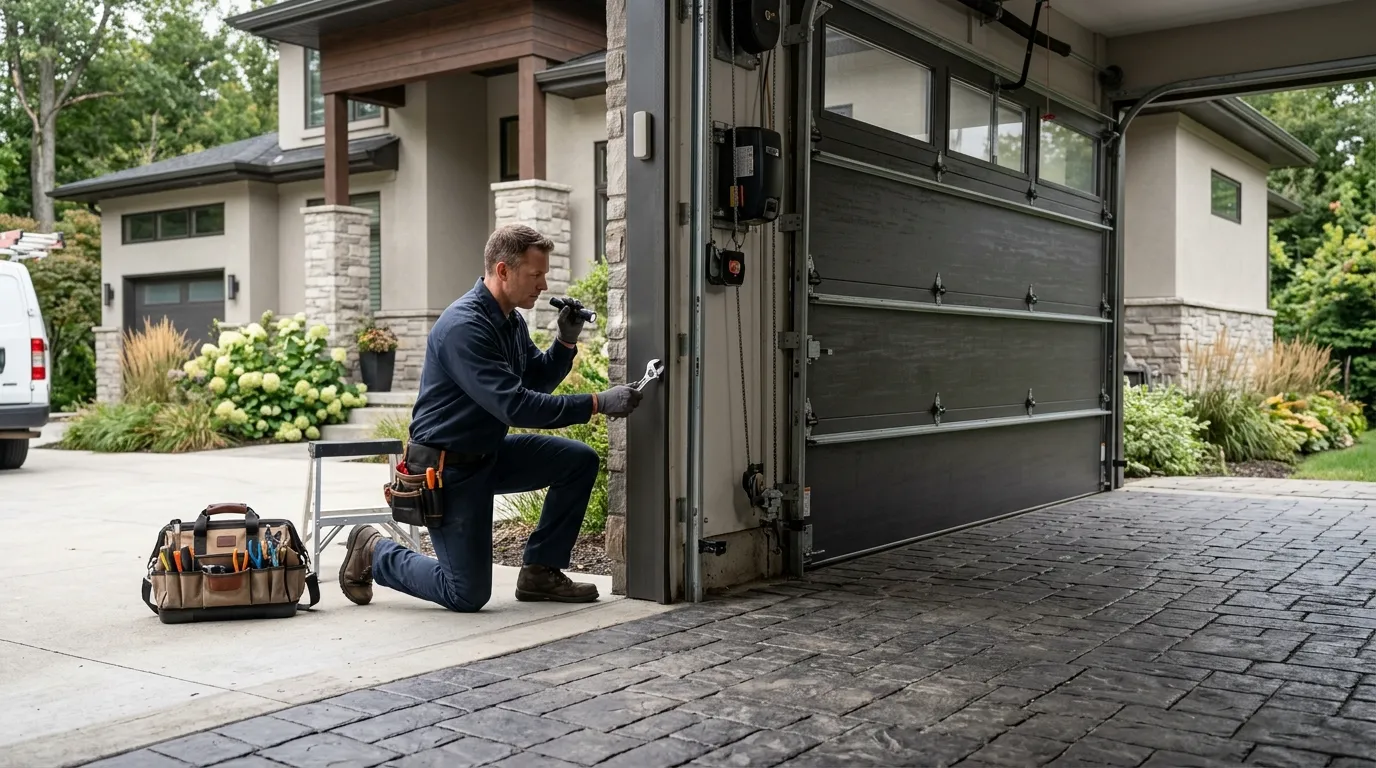
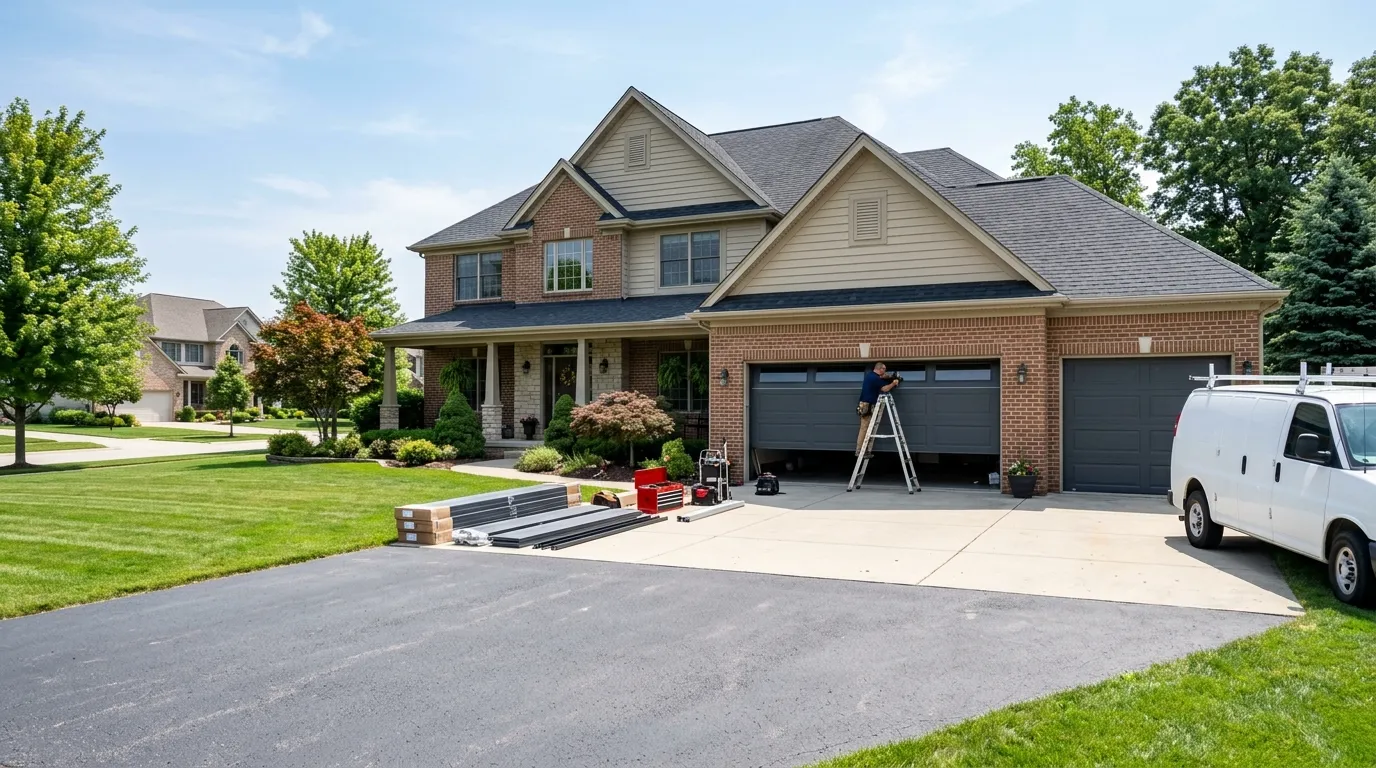
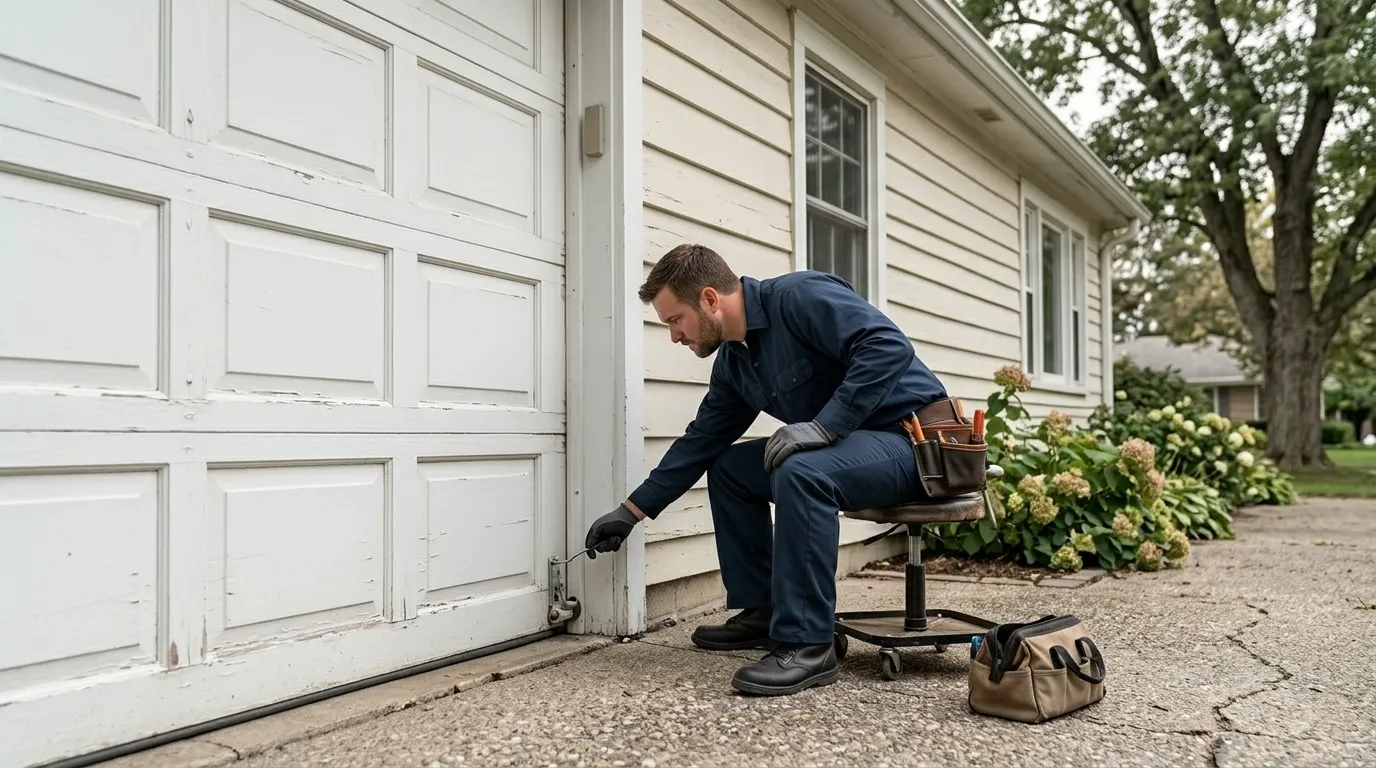
Chaska Garage Door Pros drives 16 miles to Loretto, MN, repairing torsion springs and openers suited to this area's early-1990s housing and cold winters.
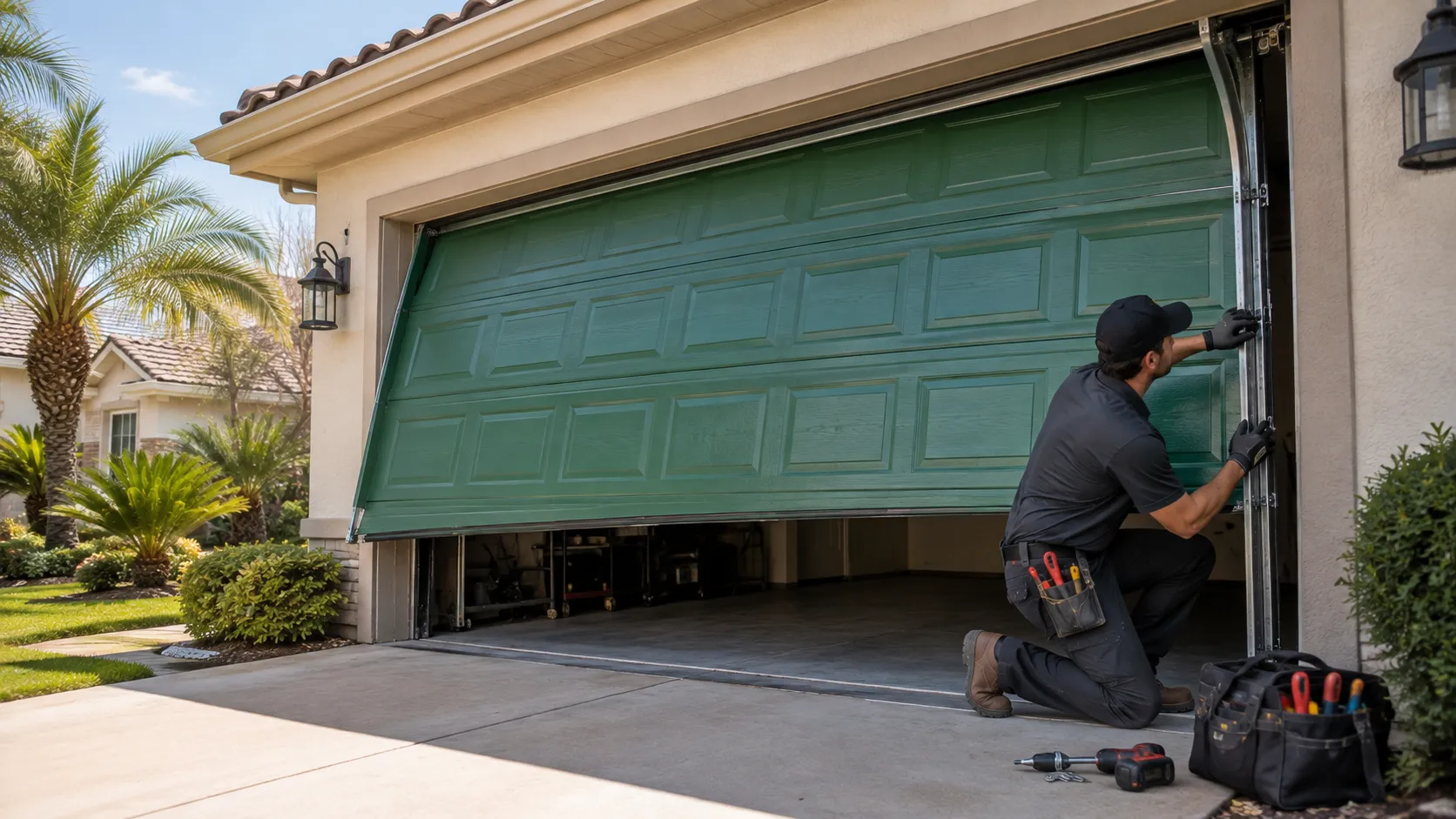
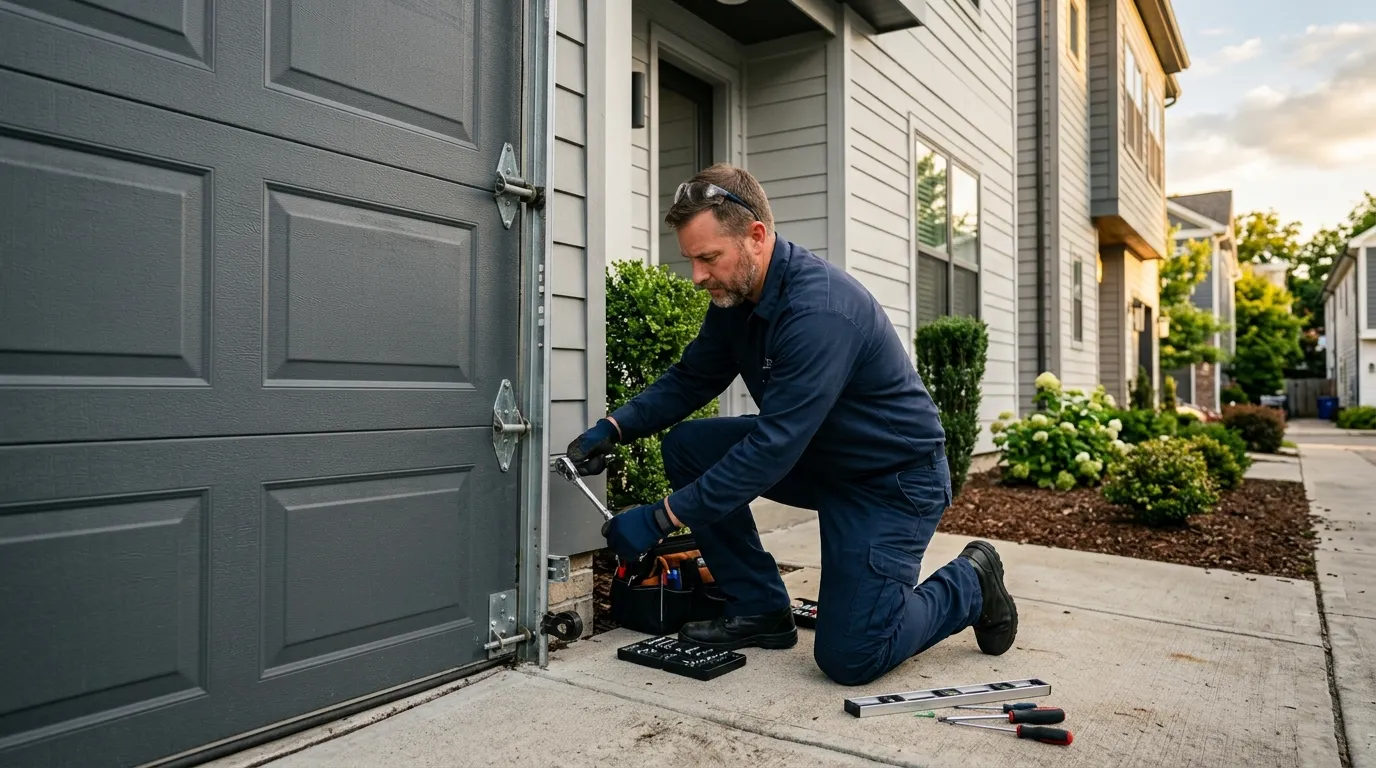
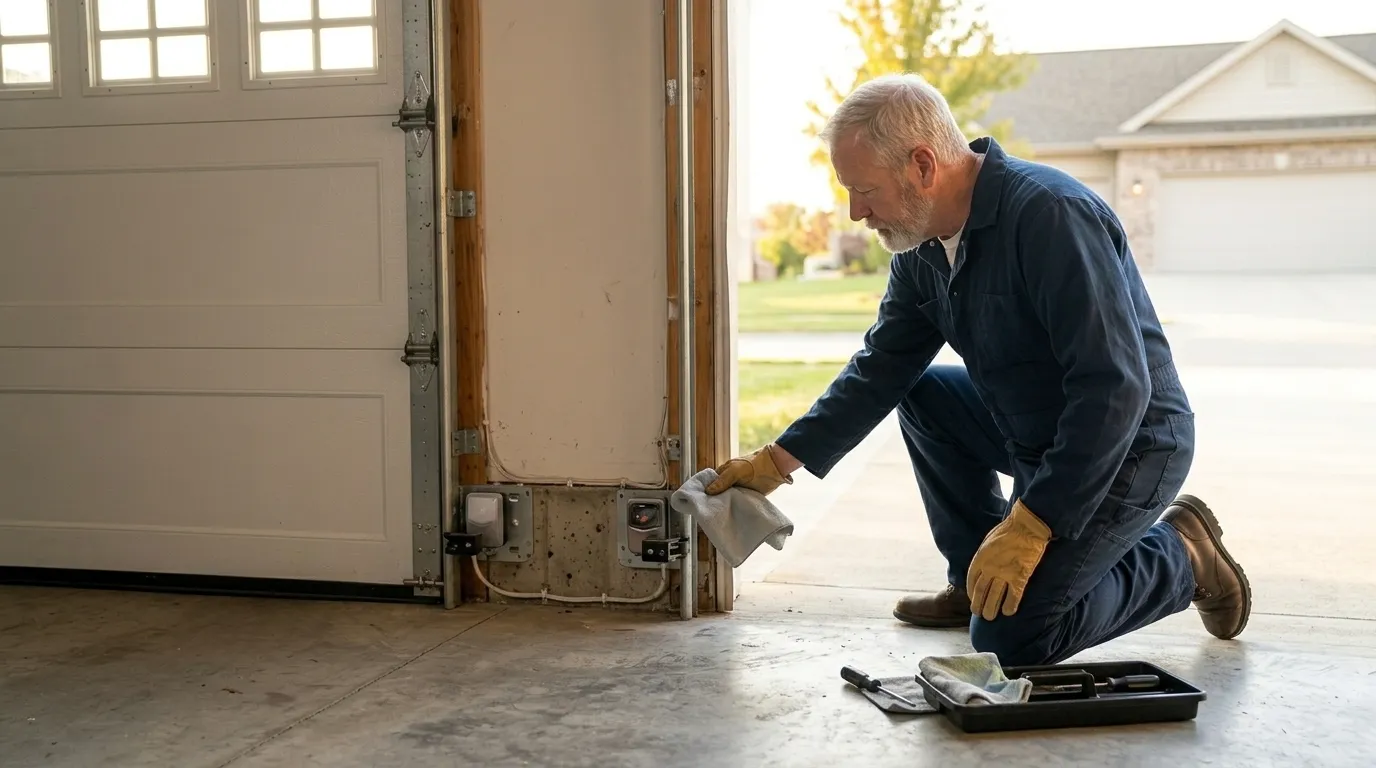
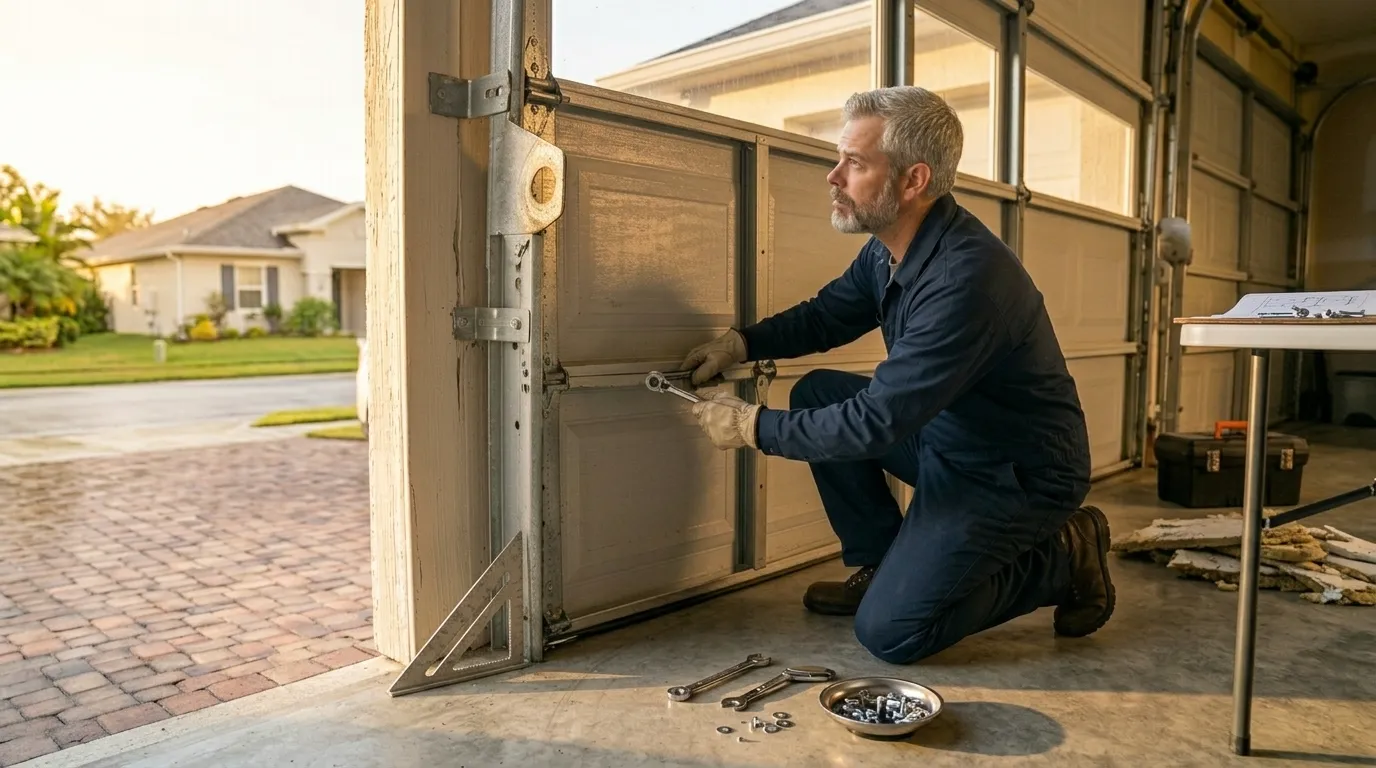
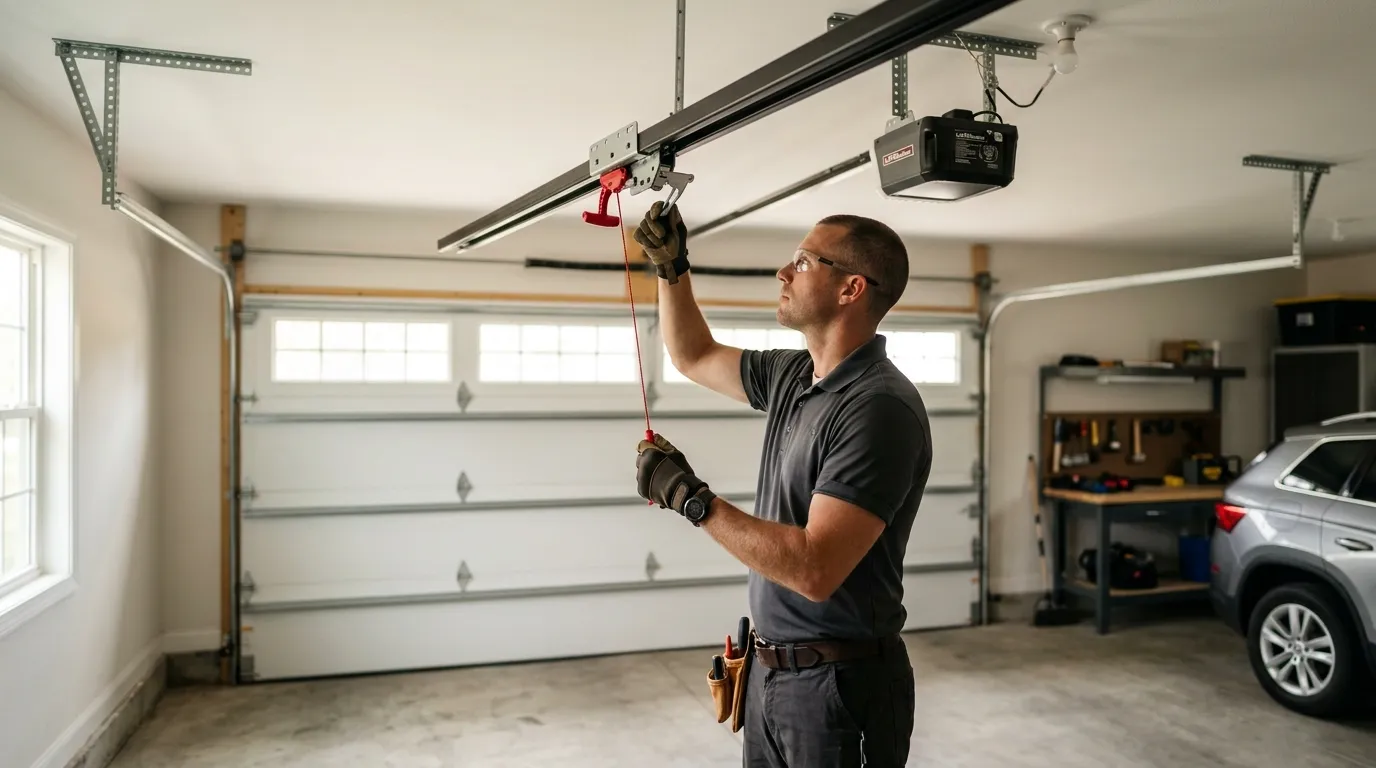
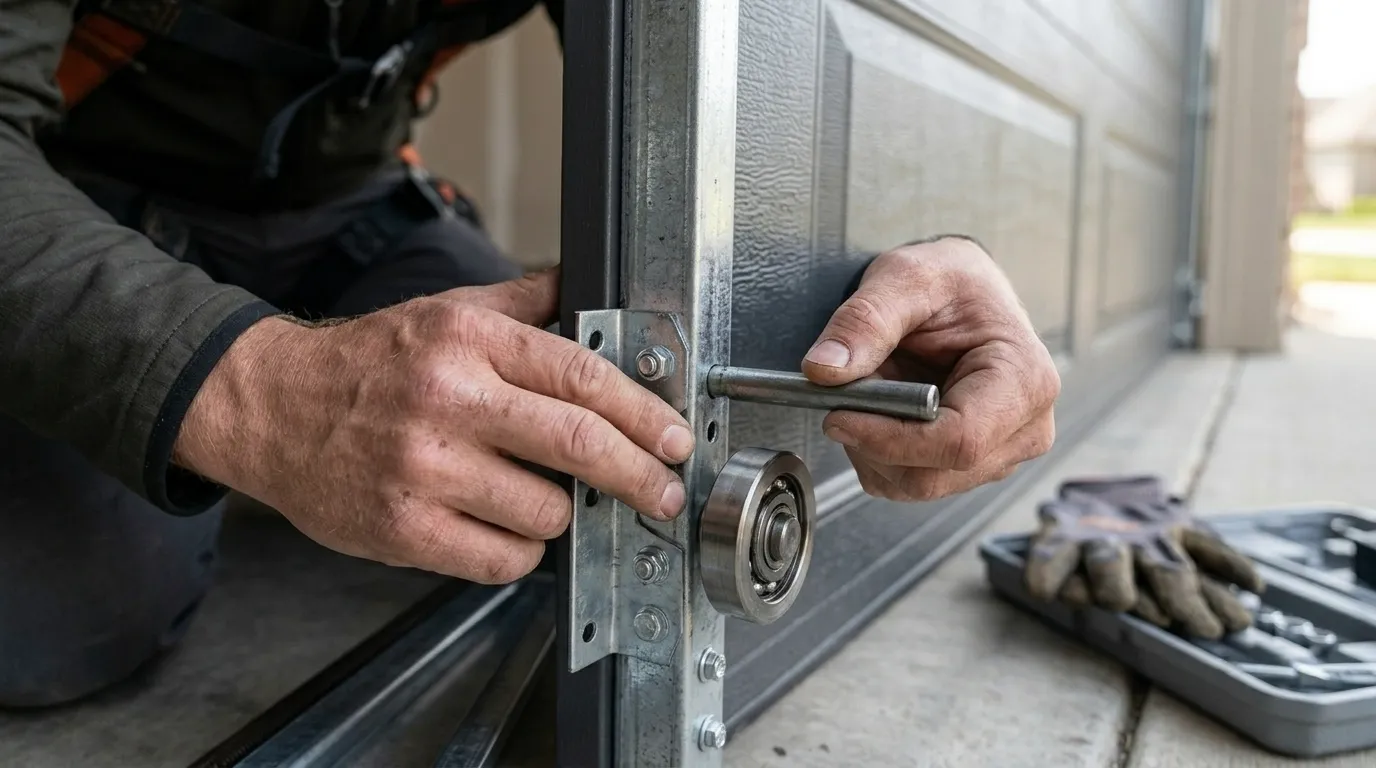
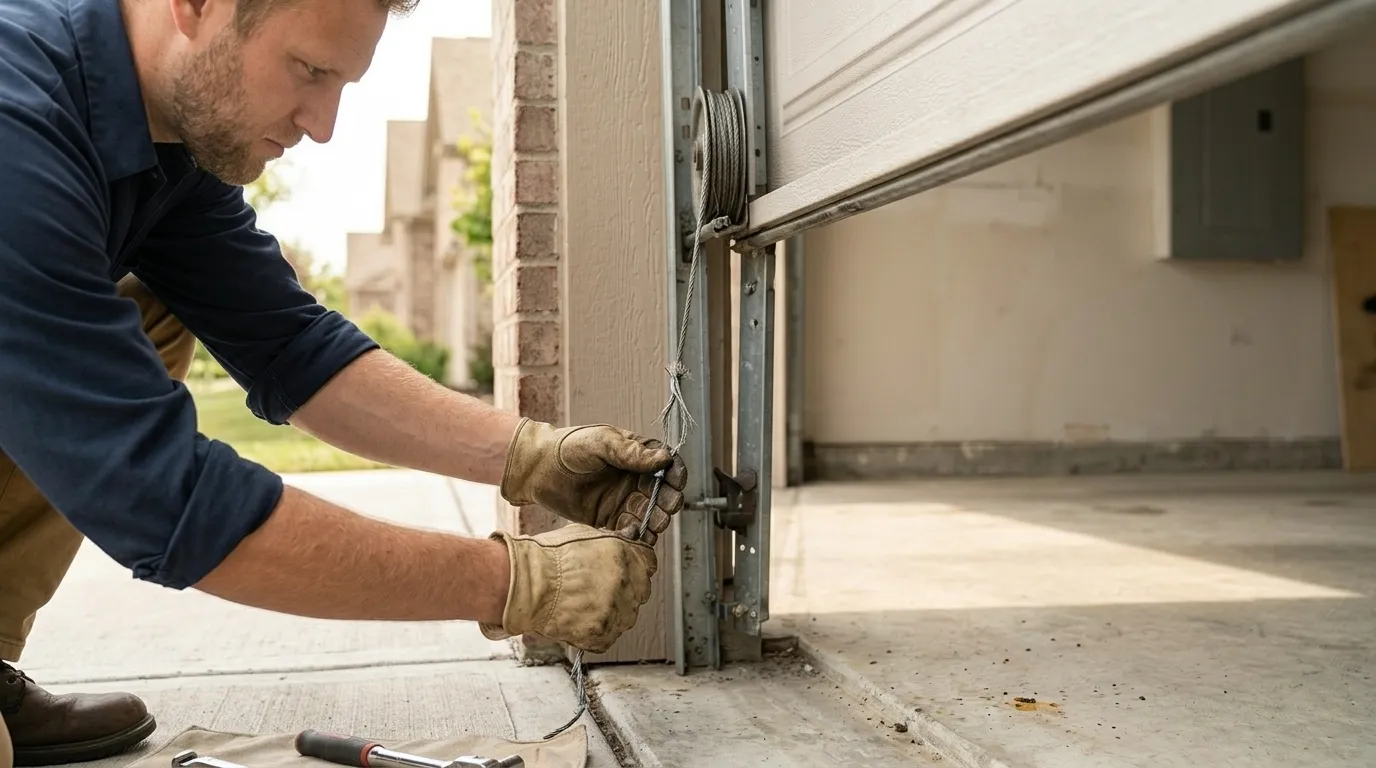
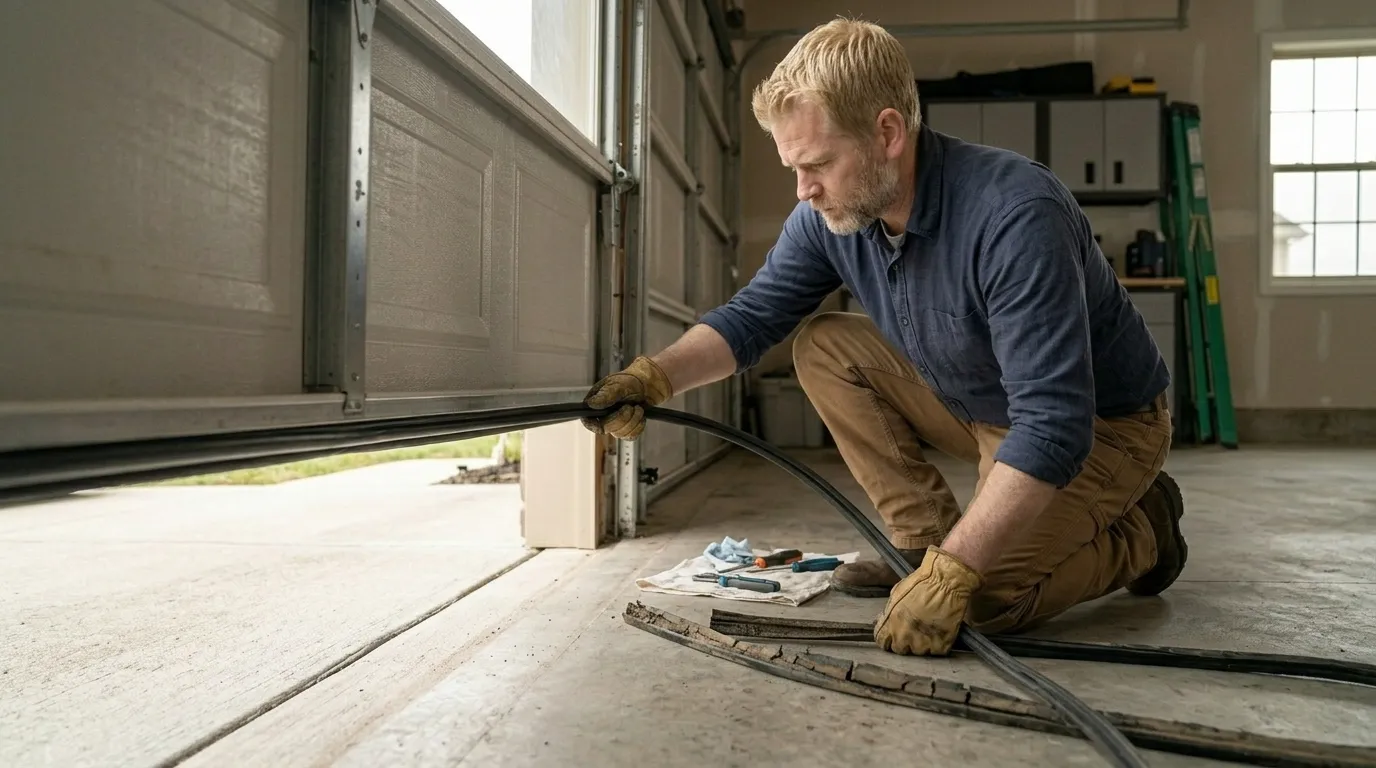
Loretto's houses have a median build year of 1992 - noticeably newer than the 1986 median across the wider Chaska Garage Door Pros service area, where homes range from 1954 to 2006. That difference matters more than it sounds. A door from 1992 is a steel raised-panel door on torsion springs, not the older single-panel wood doors with side-mount hardware you still find in some of the area's 1950s and 60s neighborhoods. The wiring, the spring size, the rail length - all of it was built to a later standard. What that means for a call here: springs on doors from the early 1990s are past 25-plus years of cycles, right at the point where the average torsion spring gives out. Openers from that era are chain-drive units that have usually been replaced once already, or are due. We don't see many wood doors needing full hardware swaps here the way we do in some of the older pockets we cover - Loretto's stock is more uniform, which usually means a more predictable parts list when we get there.
Old Streets and New Ones
Loretto is a small piece of the map we cover - 284 households, tucked among the 41 named communities that make up our service area. Most of those communities share a similar building era, homes going up through the 1980s and into the 90s, and Loretto's 1992 median puts it right in that window. What that means in practice: fewer surprises. We're not guessing at a door's age or spring type before we get there, because a house built in 1992 in Loretto is built to roughly the same code and spec as one built the same year anywhere else in that stretch. The town itself doesn't have the mix of very old and very new stock you sometimes find in bigger cities, where a 1920s farmhouse sits next to a 2015 build. Loretto reads more like a single generation of housing, which keeps the common repairs consistent - worn rollers, fatigued torsion springs, and openers reaching the end of their working life around the same time across the neighborhood.
When We Can Get There
We don't have a shop in Loretto - we run out of Chaska, about 16 miles away. That's a real drive, not a quick trip across town, so we plan the route and load the truck before we head out rather than treating it as a same-day walk-in stop. It's not unfamiliar road for us; Loretto sits within the group of communities we already cover regularly, alongside places like Maple Plain and Independence. What we can't do is promise an on-the-spot fix the way a shop based in town could. If a job needs a part we don't carry on the truck - an odd-length track or a spring size we don't stock for older openers - that adds a return trip. We'd rather tell you that up front than have you wait on us to figure it out in your driveway.
The Houses Here
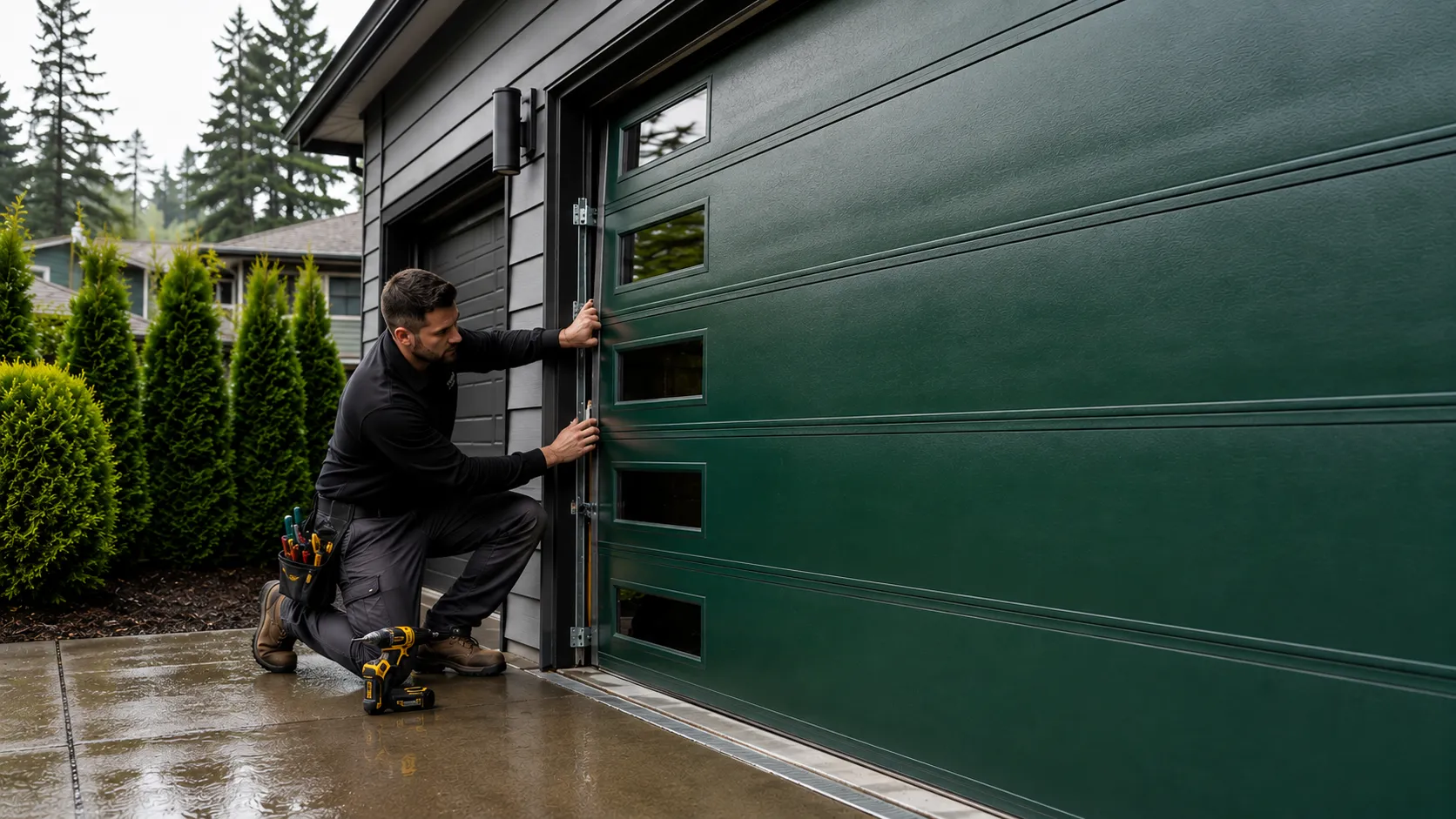
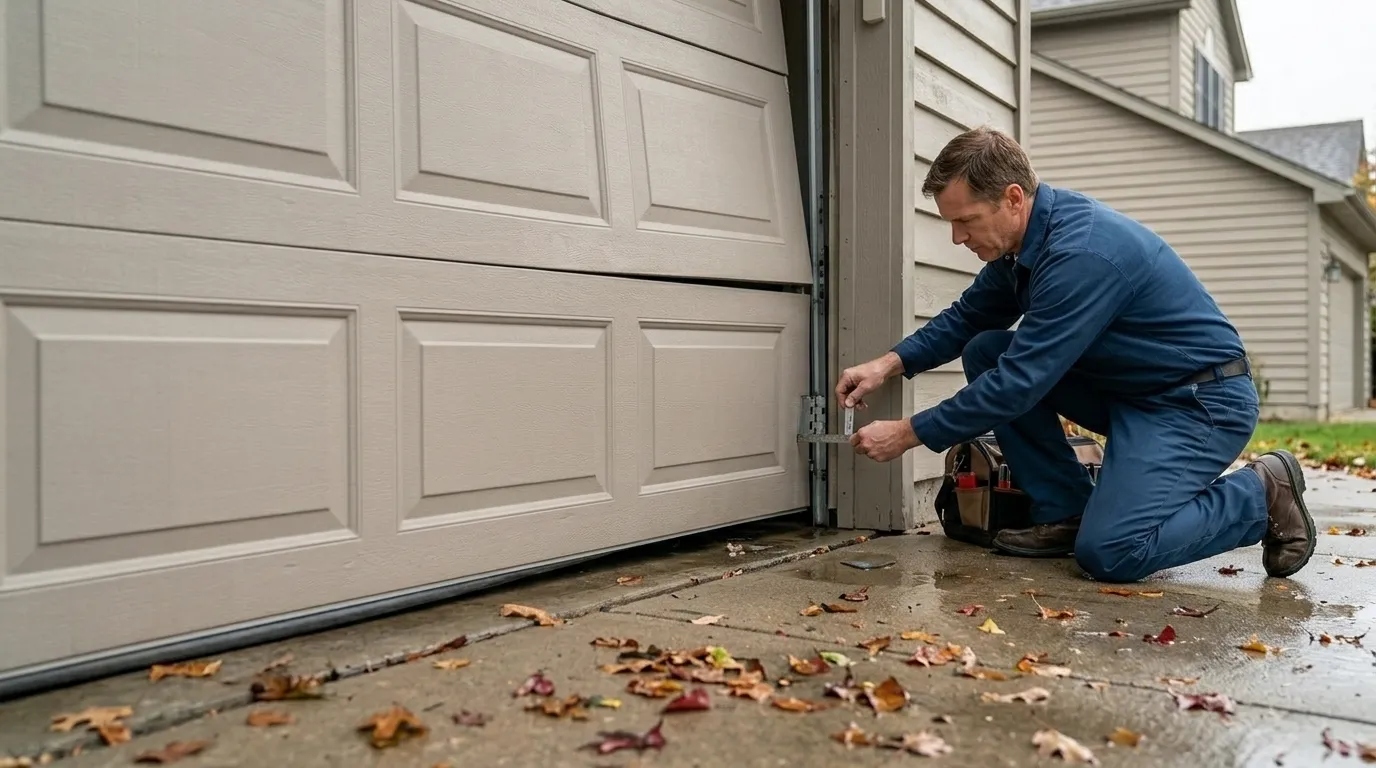
Loretto's median household income runs $110,833, a bit under the $116,500 median across the wider service area, and the 284 households here are mostly in homes built around 1992. That combination - newer construction, moderate but comfortable incomes - tends to mean owners who bought a door with the house and haven't touched it since. It's not unusual for a spring or opener here to be original equipment, quietly wearing down for three decades of Minnesota winters. Minnesota's cold climate is hard on garage door hardware regardless of the house's age: cold makes steel torsion springs brittle, tightens metal-on-metal tolerances in the track, and shortens the working life of opener gears. A door that would coast along fine in a milder state starts showing wear here sooner. One thing we won't do is talk you into a full door replacement when a rebuild - new springs, new rollers, a serviced opener - gets a solid door back to where it should be. On a house this age, that's usually the call, not a full swap.
How it works
From “it’s stuck” to “it’s fixed”
01
Tell us what’s wrong
Describe the symptom - won’t open, loud bang, opener runs but the door won’t move.
02
On-site diagnosis
A technician tests the door under power and by hand and finds what actually failed.
03
Clear, up-front plan
You get the fix that’s needed and what drives the cost - before any work starts.
04
Repaired & tested
The repair is done, the door is set true and tested, and the work area left clean.
Serving Chaska, MN - tell us what your door’s doing and we’ll take it from there.
Loretto's houses carry a median build year of 1992, so most original garage doors and openers are steel raised-panel units on torsion springs from the early-to-mid 1990s. At this age, springs are typically due or overdue for replacement, and factory openers are often on their second or third motor.
Do you have a shop or truck based in Loretto?
No. We run out of Chaska, about 16 miles away, and drive in for calls. There's no local depot, so a job here is scheduled like any other stop on the route rather than a walk-in visit.
Is it worth replacing a door instead of repairing it?
Usually not, if the door itself is sound. Most doors from Loretto's early-1990s building era just need new springs, rollers, or a serviced opener rather than a full replacement. We'll tell you honestly when a repair doesn't make sense, but that's the exception here, not the rule.
Why do springs seem to fail more in winter here?
Minnesota's cold hits steel torsion springs hard - the metal gets brittle and tolerances tighten in the track, so a spring near the end of its cycle count is more likely to snap on a cold morning than in July. Doors built in Loretto's 1990s window are hitting that age range now.
Ready to get your garage door sorted?
Tell us what it’s doing and where you are in Chaska - we’ll take it from there.