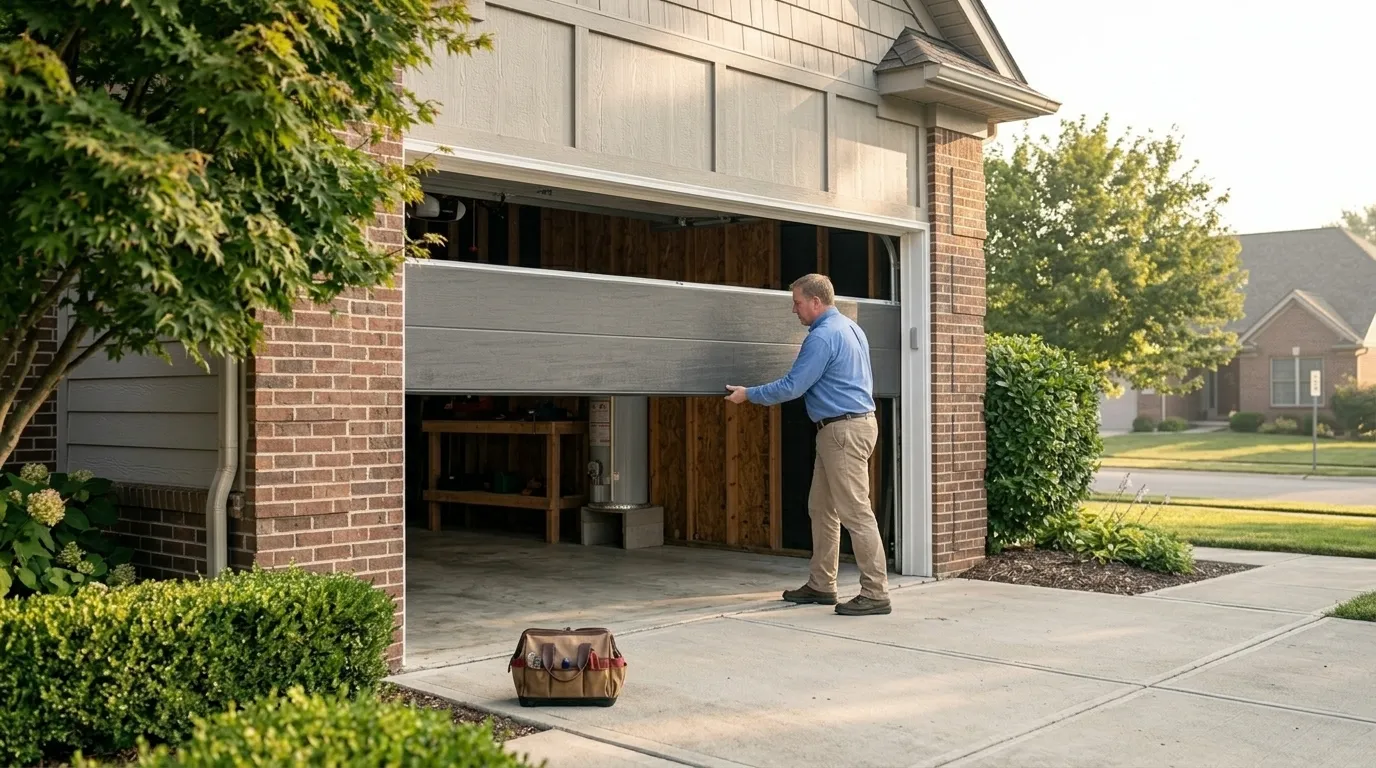
New Hope's houses run older than most of our coverage area - median build year 1969. We travel from Chaska to fix the spring, opener and track faults that come with that age.
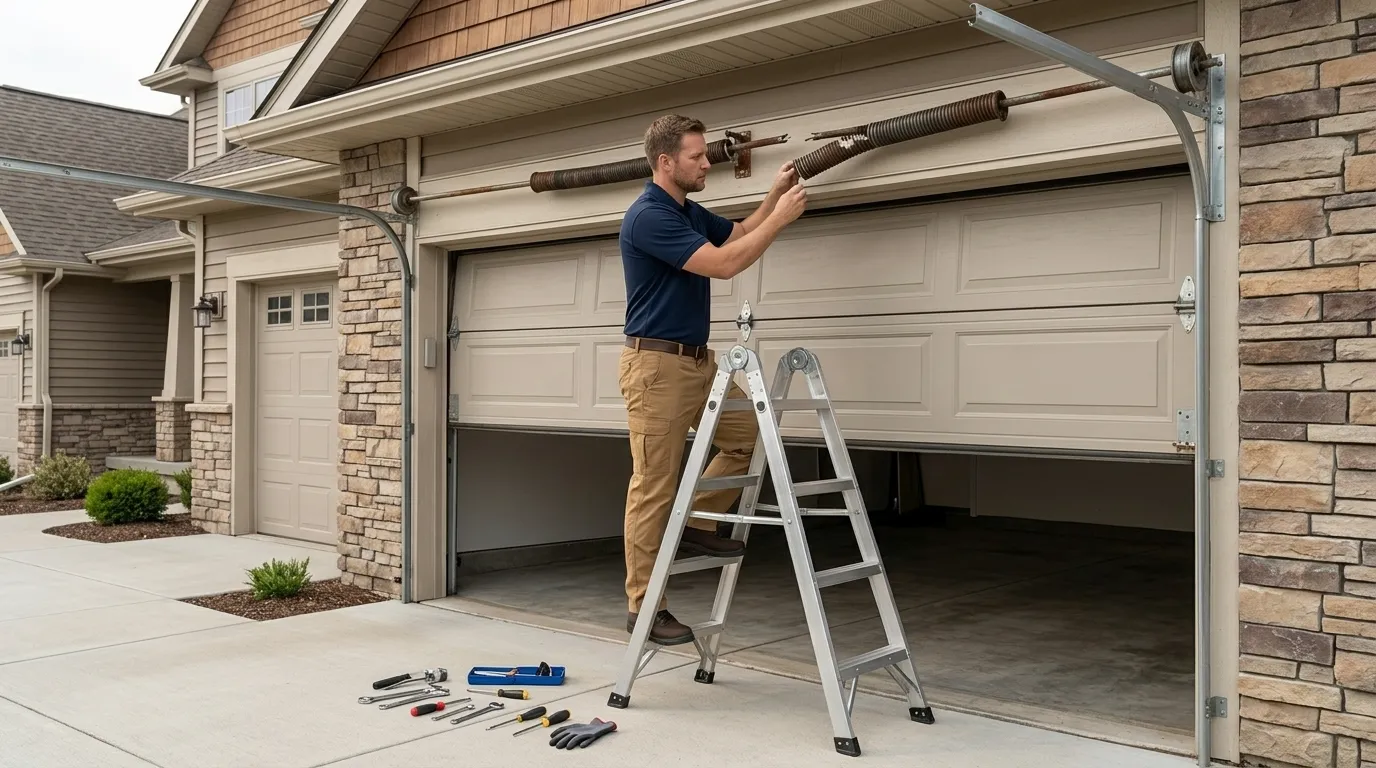
New Hope's median build year is 1969. That's almost two decades ahead of the 1986 median we see across the rest of the Chaska Garage Door Pros coverage area, where most housing went up between 1954 and 2006. A door older than that median in New Hope is old enough to have started life with an extension-spring setup instead of the torsion bar hardware that became standard later. If your door still has springs stretched along the horizontal tracks rather than a single spring wound above the header, that's original-era hardware, and parts for it aren't stocked the way torsion parts are.
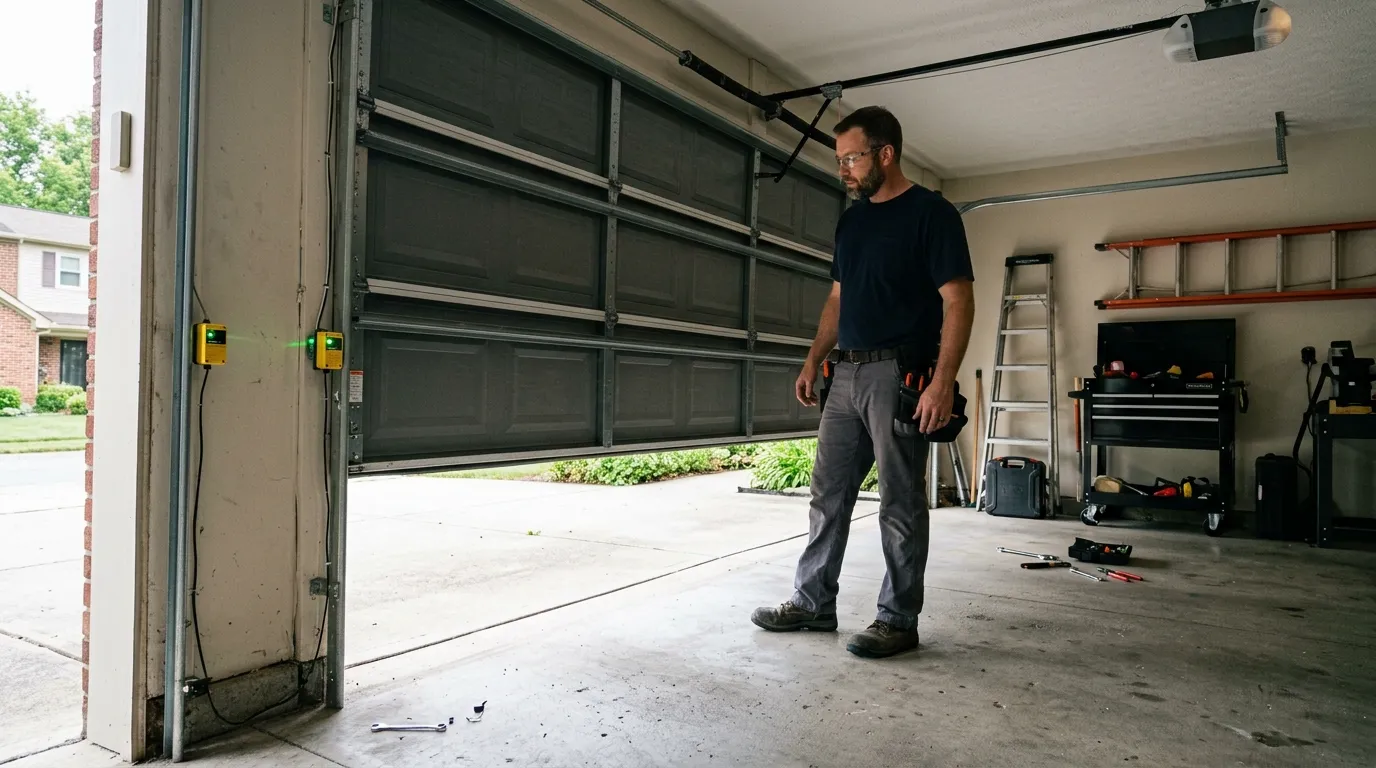
Openers from that generation also tend to be chain-drive units with no battery backup and, in some cases, no auto-reverse sensor at all if nobody's swapped the unit since. We don't assume every door in New Hope is that old - plenty of homes have been through a full door replacement since 1969 - but when we get called out here, the first thing we check is whether the hardware matches a 1960s install or a more recent one, because the fix is different for each.
Old Streets and New Ones
We don't have a block-by-block breakdown of New Hope, so we won't pretend to know which street got its houses first. What the numbers do tell us is the median: 1969. That means roughly half the housing stock predates that year and half came after, which in a built-out suburb usually means a mix of original single-layer steel doors next to homes where an owner already swapped in an insulated panel door sometime in the last twenty or thirty years.
That mix matters for troubleshooting more than it matters for looks. Two houses next door to each other can have completely different failure points - one with a worn-out extension spring pulley, the other with a torsion spring that's simply reached the end of its cycle count. We ask a few questions on the phone before we quote a repair, because guessing the hardware from the street view gets it wrong as often as it gets it right in a town with this kind of age spread.
When We Can Get There
New Hope sits about 19 miles from our shop in Chaska, which is farther out than most of the towns we cover. We're upfront about that: we don't keep a truck or a depot in New Hope, and we're not going to claim a response time we can't back up from this distance. If your spring snaps on a Tuesday afternoon, we'll tell you honestly where we are in the schedule and how soon we can get a truck out, rather than promise something generic.
What we can say is that we do run jobs out to New Hope regularly, and the trip doesn't change how the repair gets done once we're there. Cold-weather season is when the call volume goes up - the region sits in a severe cold climate band, and old extension springs and steel rollers both get brittle and fail more often once temperatures drop. If you're on a tight deadline for a same-day fix, ask us directly when you call; we'd rather tell you no than have you wait on a truck that isn't coming.
The Houses Here
New Hope has about 9,114 households, a small share next to the roughly 102,146 households spread across the 41 communities we serve out of Chaska. Median household income here is $73,698, noticeably below the $116,500 median for the wider service area. That gap shows up in the kind of calls we get - more requests for a straight spring or roller repair, fewer requests to replace a door outright just for looks.
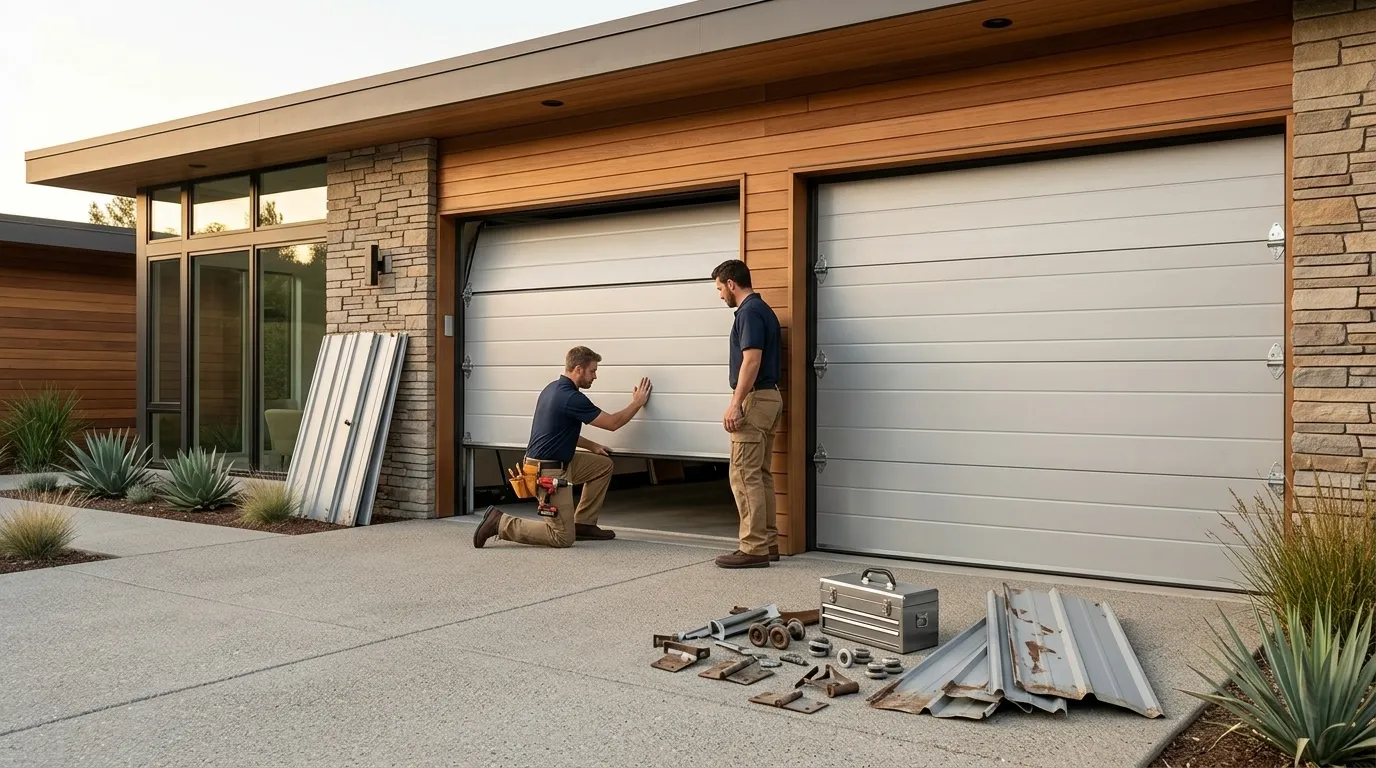
We don't push a full door replacement on a New Hope job unless the door's actually done - cracked panels, a bent track that keeps kinking, an opener that's failed twice already. If a torsion spring swap or a new set of rollers gets another five or ten years out of an otherwise sound door, we'll say so. Given the age of a lot of the hardware out here, most of the value is in fixing what's original rather than starting over, and that's the call we make honestly when we're standing in front of it.
How it works
From “it’s stuck” to “it’s fixed”
01
Tell us what’s wrong
Describe the symptom - won’t open, loud bang, opener runs but the door won’t move.
02
On-site diagnosis
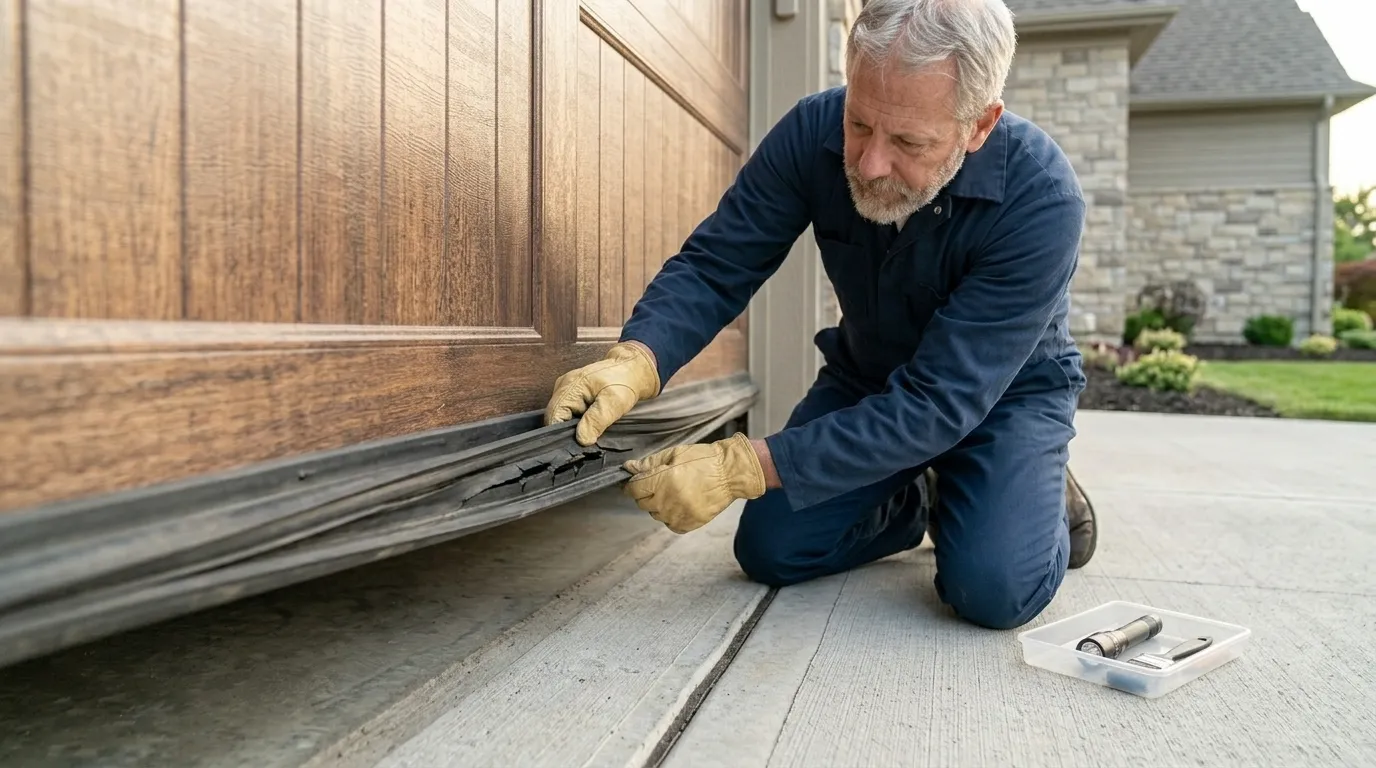
A technician tests the door under power and by hand and finds what actually failed.
03
Clear, up-front plan
You get the fix that’s needed and what drives the cost - before any work starts.
04
Repaired & tested
The repair is done, the door is set true and tested, and the work area left clean.
Serving Chaska, MN - tell us what your door’s doing and we’ll take it from there.
Is my garage door too old to fix instead of replace?
Not necessarily. Age alone doesn't decide it - condition does. A 1969-era door with a sound panel and a worn spring is usually worth fixing. A door with a cracked panel, a warped track, or an opener that's failed more than once is where replacement starts to make more financial sense. We'll tell you which one we're looking at before we quote anything.
Do you have a truck based in New Hope?
No. We run out of Chaska, about 19 miles away, and travel to New Hope for jobs. We don't keep a depot here, so we're straightforward about scheduling rather than promising a response time we can't guarantee from that distance.
Why did my spring snap in the middle of winter?
Cold makes steel more brittle, and this area sits in a severe cold climate band. Older extension springs, common on houses built around New Hope's 1969 median, are more prone to snapping once temperatures drop hard. It's one of the most common calls we get here in winter.
How do I know if my door has original 1960s-era hardware?
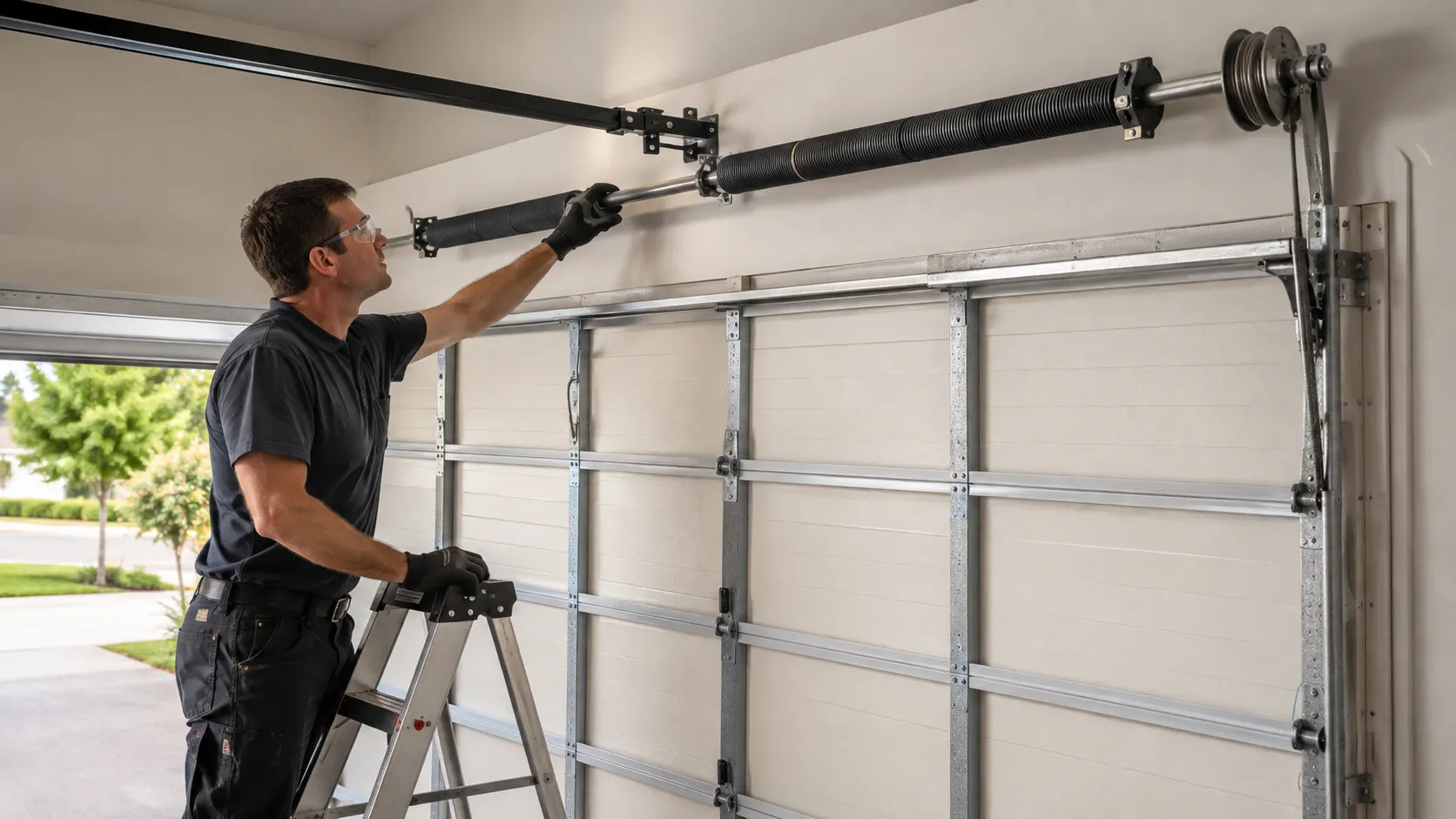
Look at the springs. If they're stretched along the horizontal tracks above the door, that's an extension-spring setup, typical of older installs. A single spring mounted on a shaft above the header is torsion hardware, usually from a later replacement or a newer build. Tell us which one you see when you call and we'll come prepared.
Ready to get your garage door sorted?
Tell us what it’s doing and where you are in Chaska - we’ll take it from there.