Serving Wayzata's 1980s-built homes 12 miles from our Chaska shop, we fix the torsion springs, openers, and cold-weather faults common to this housing stock.
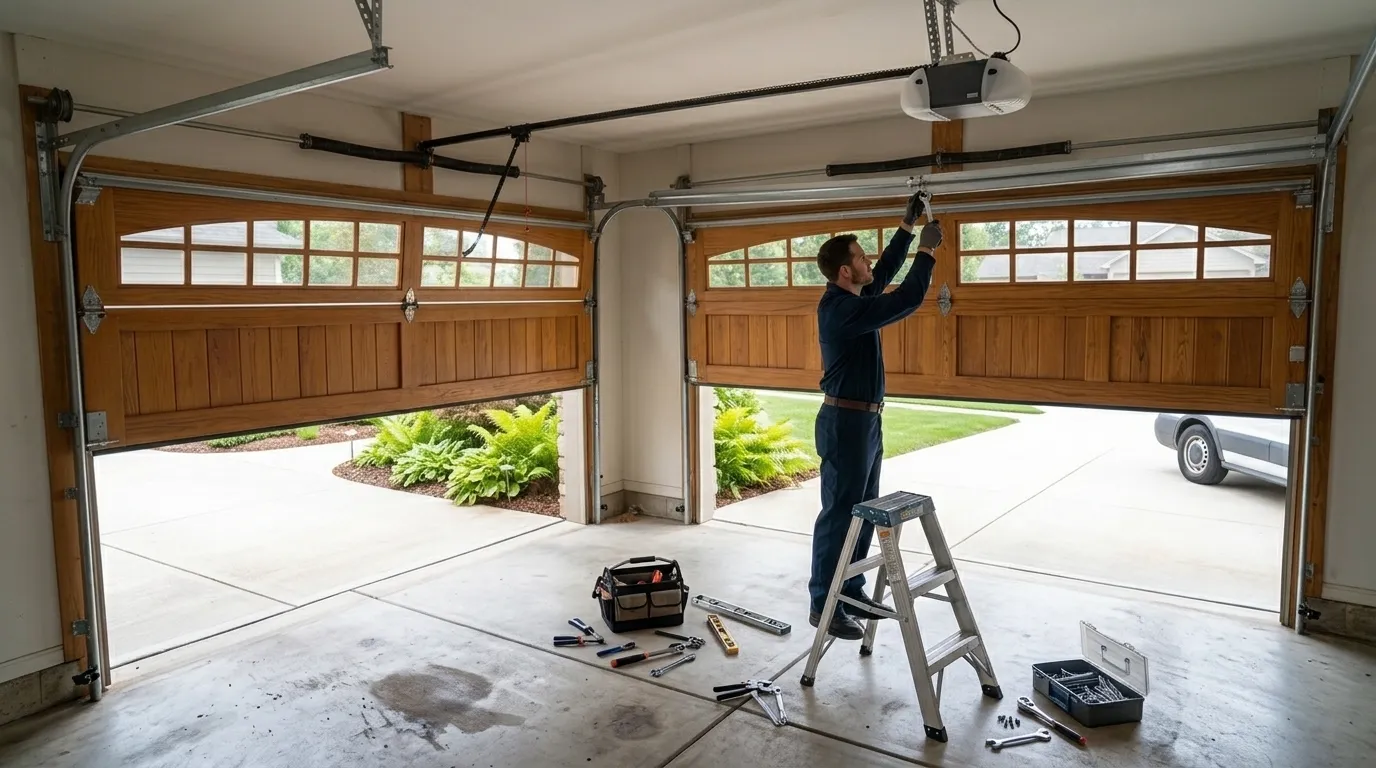
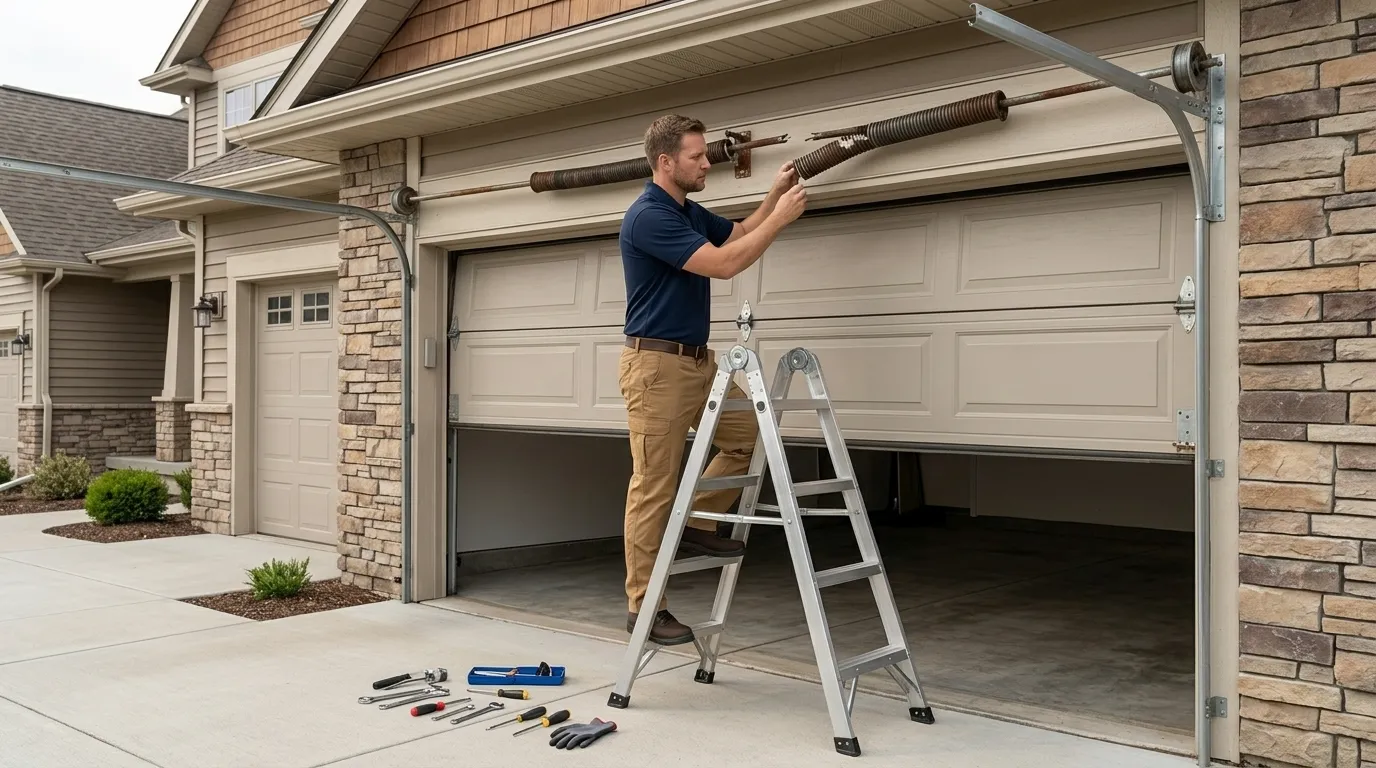
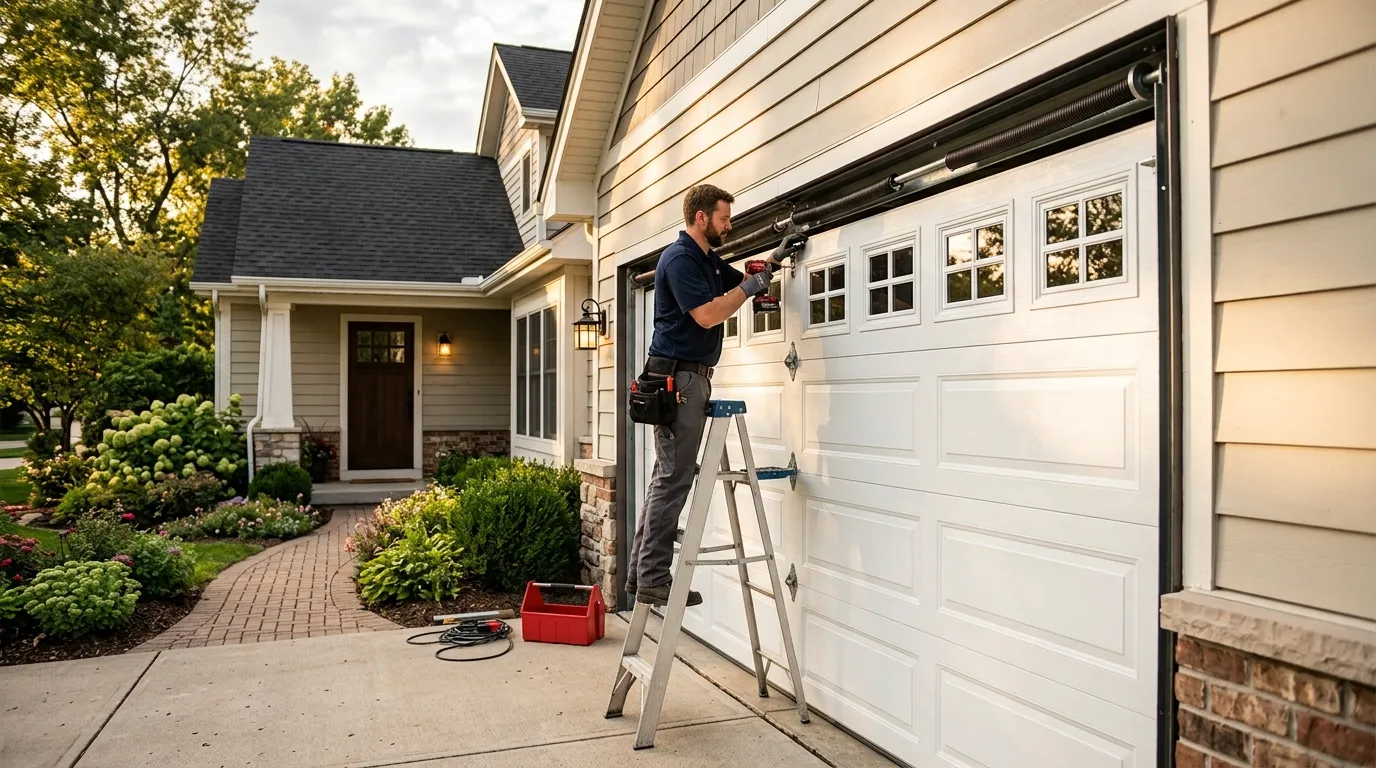
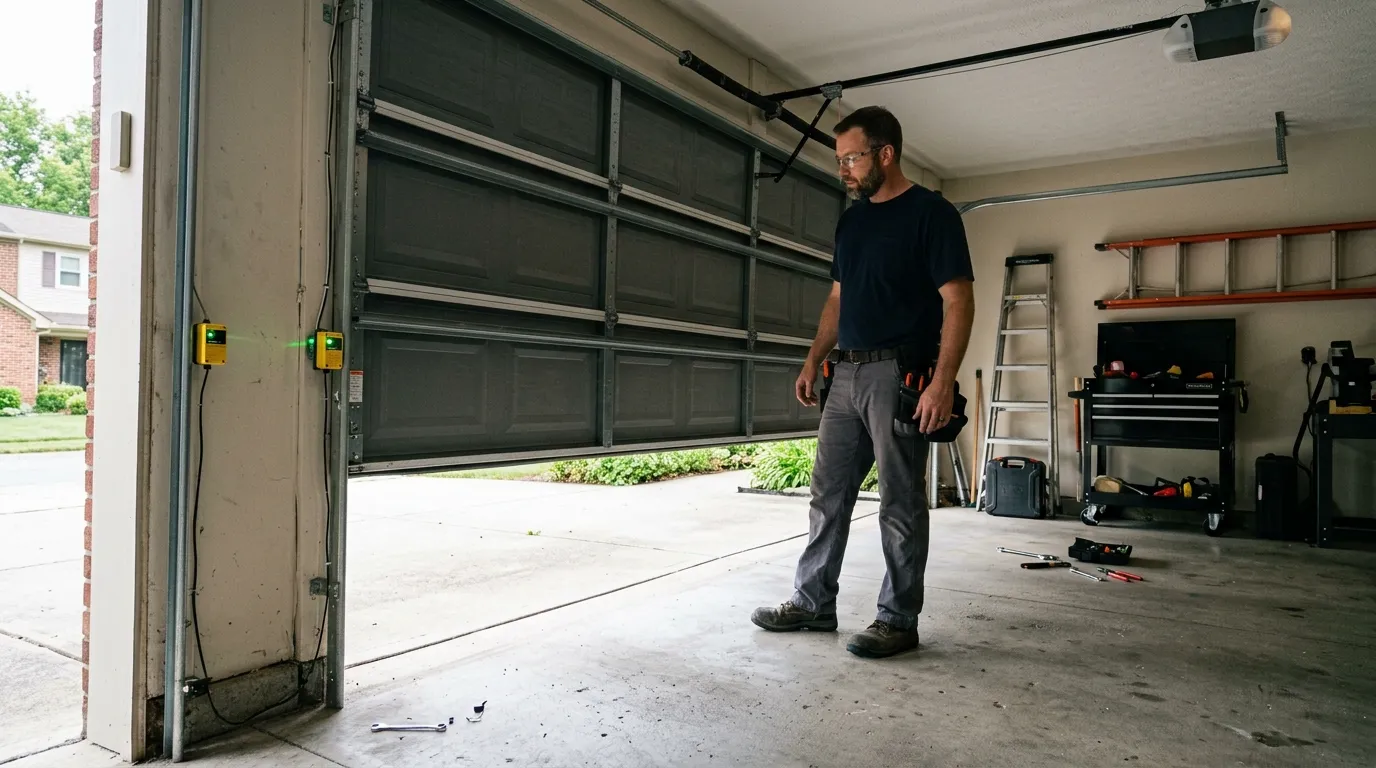
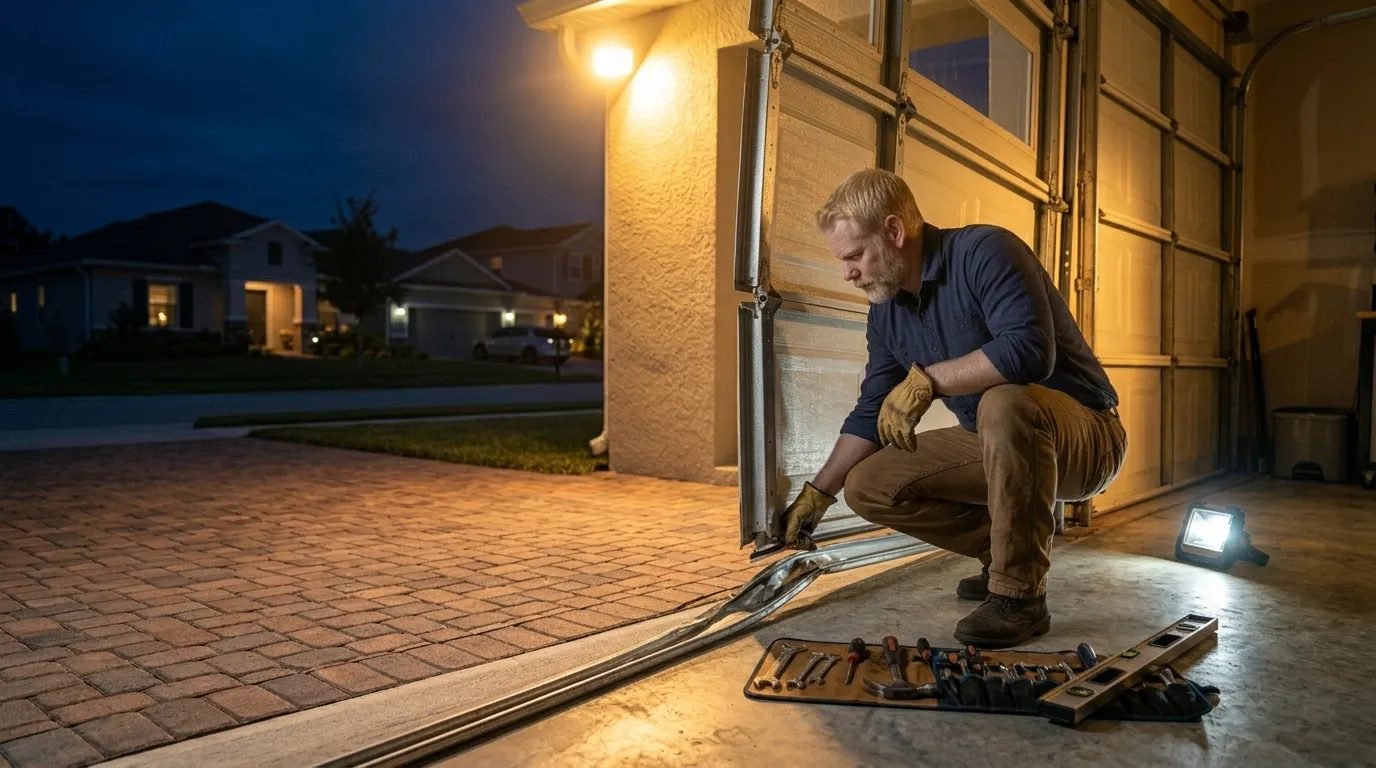
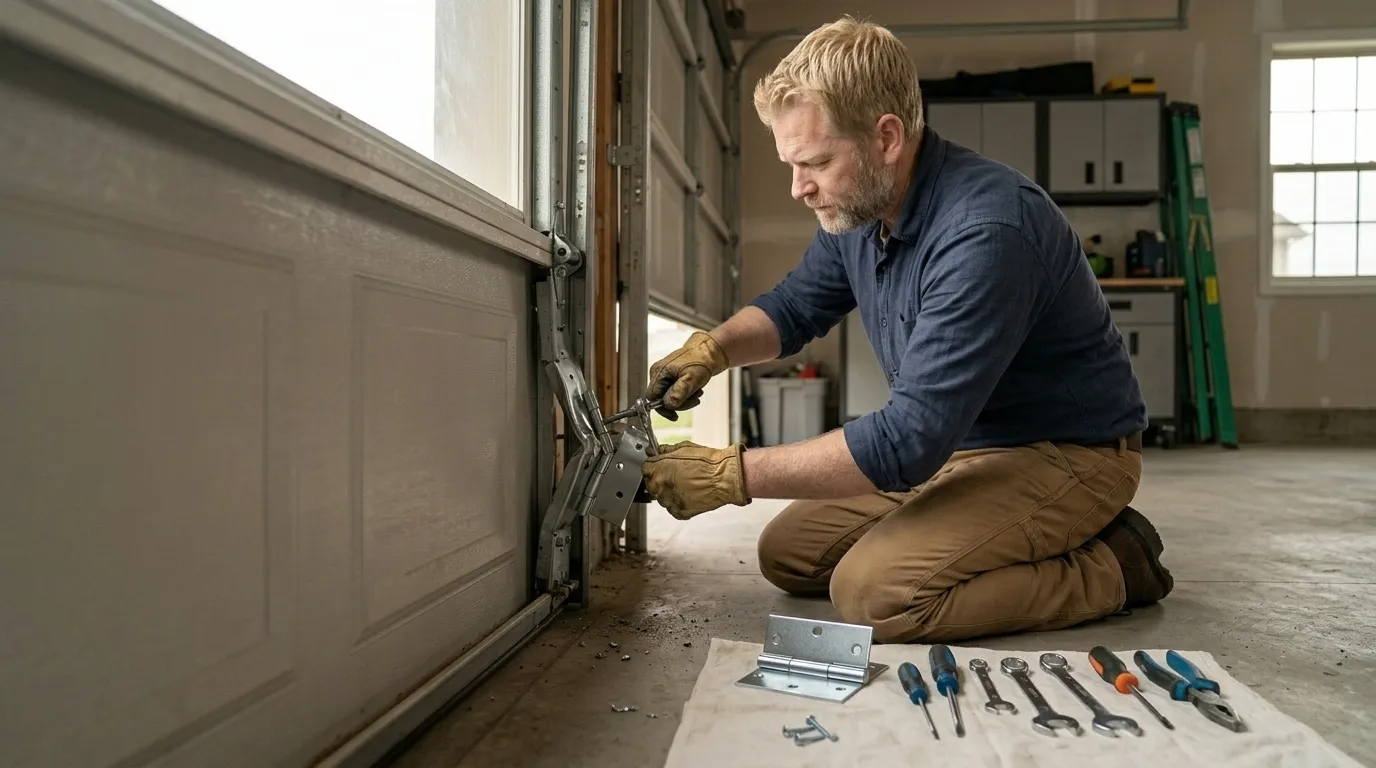
Wayzata's houses mostly went up around 1985, putting this neighborhood right in the middle of the service area's broader building wave. That single fact tells us most of what we need to know before we even load the truck. Doors from this era are steel sectional units on extension or torsion springs, often with the original chain-drive opener still bolted to the ceiling forty years later. The springs on these doors have long since outlived their rated cycle count, and a lot of the galvanized cable on them has started to fray where it wraps the drum. We also see a fair number of original wood-composite panels that have taken on moisture at the bottom rail - not a failure of the door, just age doing what age does. If your house near Wayzata still has its factory opener, the safety reversal sensors on it predate the wiring standard homes are built to now, which matters more than most owners realize until a bike gets left in the door's path.
Old Streets and New Ones
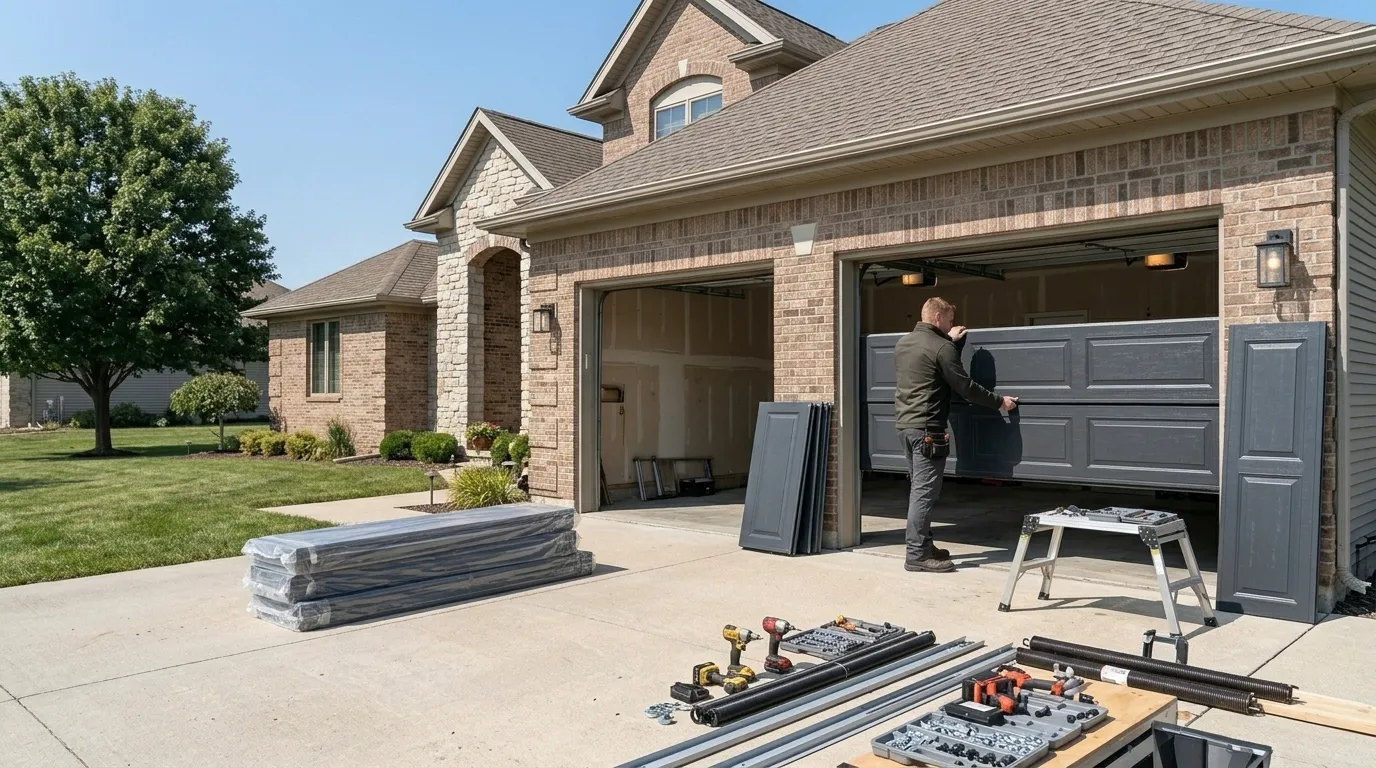
With 2,149 households in this pocket, Wayzata is smaller than a lot of the areas we run calls in, but the mix of old and newer construction still shows. A house built in 1985 and a house built in 2005 sitting on the same block will have completely different hardware - one still has a single torsion spring rated for a lighter door, the other was built to hold a heavier insulated panel with two springs from the start. We don't guess which one we're pulling up to. Median household income here runs $125,344, higher than the wider service area's $116,500, and we notice it mostly in the doors themselves: more owners have already swapped a worn opener for a quieter belt-drive unit, or upgraded to an insulated door, rather than running the original hardware into the ground.
When We Can Get There
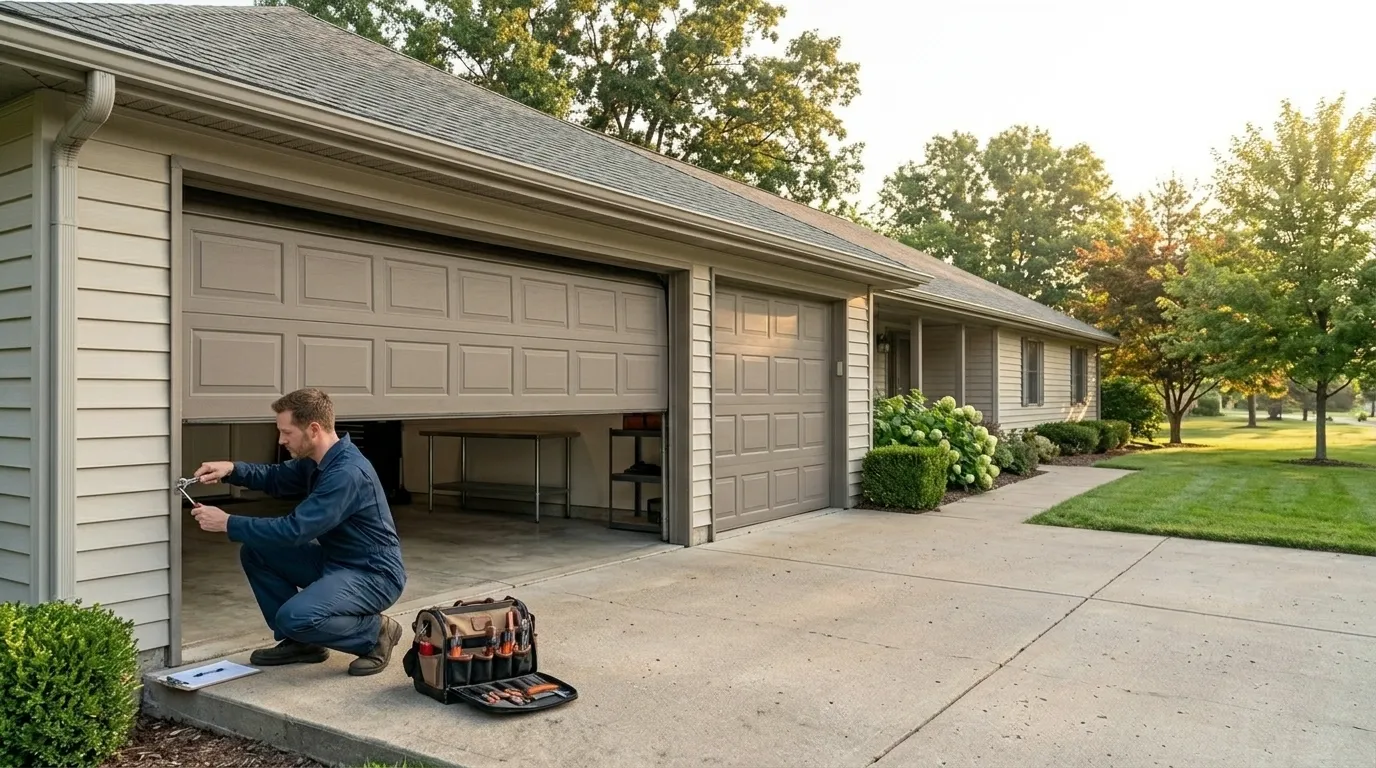
We work out of Chaska, and Wayzata sits about 12 miles from our shop. That's a real drive, not a same-block hop, so we don't promise a depot or a set arrival window we can't back up. What we can tell you is that we route calls by area, and a 12-mile run is a normal part of our day, not an edge case. If a spring lets go on a Tuesday morning, call and we'll tell you honestly where you fall in the day's route rather than quoting a number that sounds good on a website.
The Houses Here
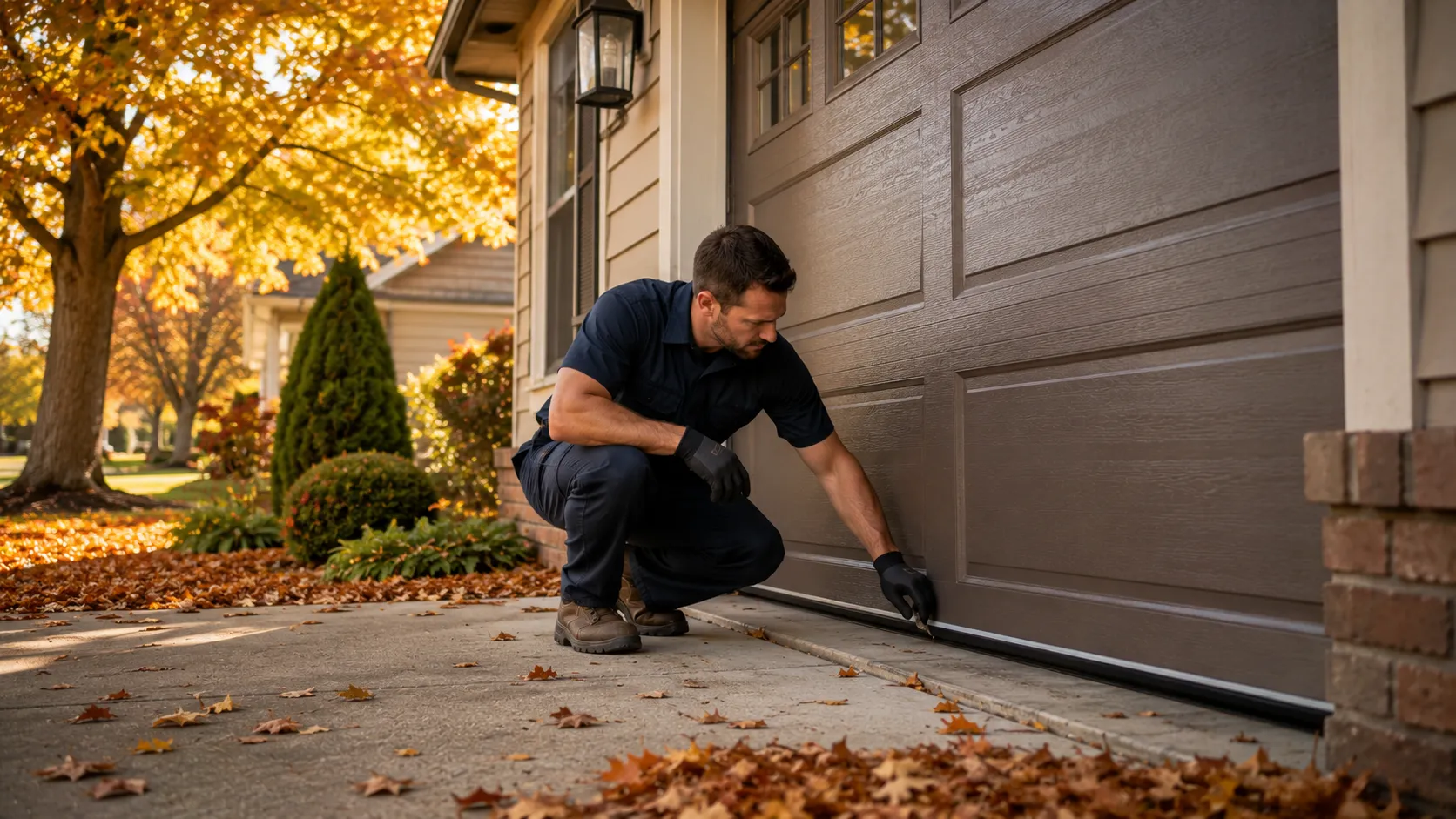
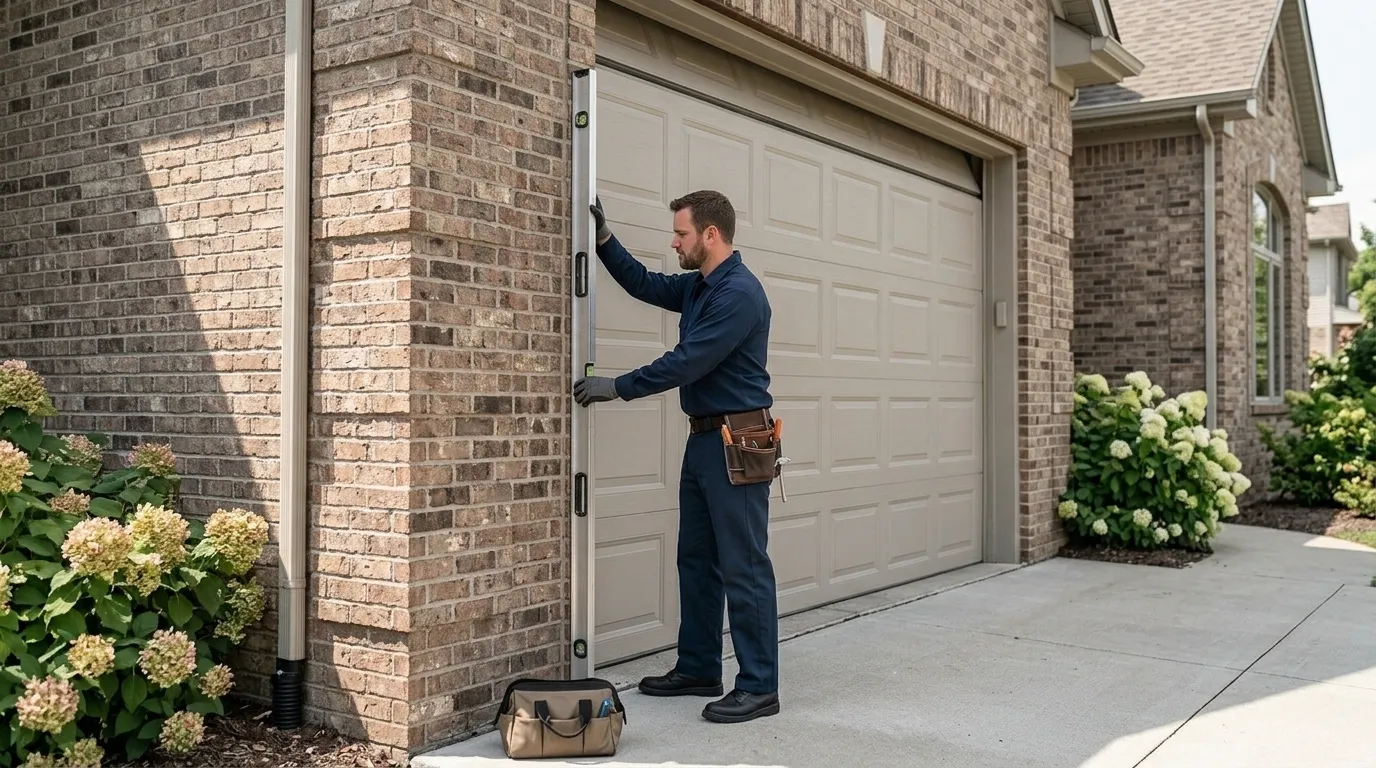
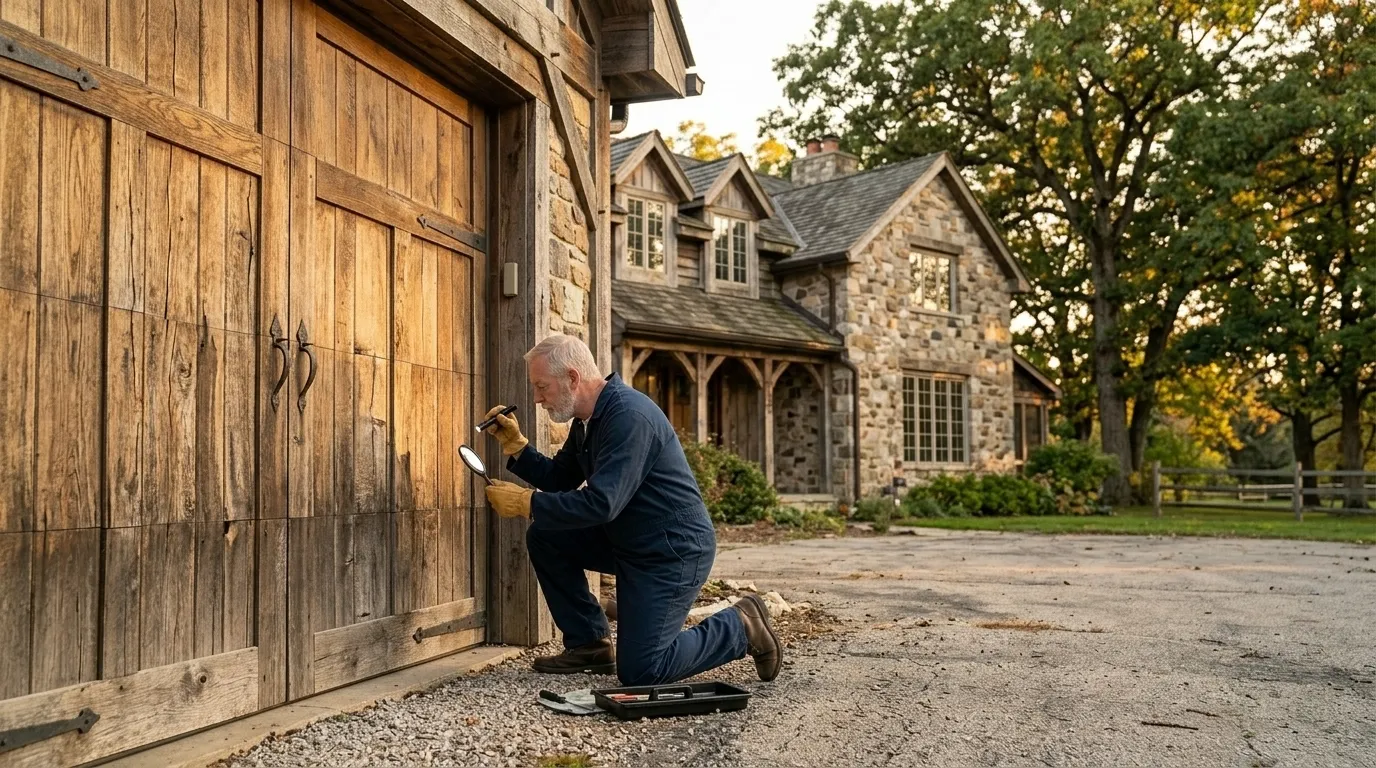
Across the wider service area, homes were built between 1954 and 2006 with a median year of 1986 - Wayzata's own 1985 median puts it almost exactly on that line, which means the doors here look a lot like the regional norm rather than standing out as unusually old or new. That's useful to know: parts availability, spring sizing, and opener compatibility here follow the same patterns we see across the other 41 named areas we cover. The one thing that doesn't average out is winter. This is a cold-climate service area, and severe cold does specific things to garage doors - steel contracts and hardware binds, nylon rollers get brittle and crack, and old lubricant on tracks thickens up until an opener strains to pull a door that used to move easily. We won't pretend every door needs replacing; plenty of 1980s doors are fine with a spring swap and fresh hardware. But if the bottom panel is rusted through or the track is bent past true, patching it usually costs more over a year than doing it right once.
How it works
From “it’s stuck” to “it’s fixed”
01
Tell us what’s wrong
Describe the symptom - won’t open, loud bang, opener runs but the door won’t move.
02
On-site diagnosis
A technician tests the door under power and by hand and finds what actually failed.
03
Clear, up-front plan
You get the fix that’s needed and what drives the cost - before any work starts.
04
Repaired & tested
The repair is done, the door is set true and tested, and the work area left clean.
Serving Chaska, MN - tell us what your door’s doing and we’ll take it from there.
How old are most garage doors in Wayzata likely to be?
Given the area's median build year of 1985, a lot of original doors and openers are still in service, often past their rated life. Springs, rollers, and chain-drive openers from this era are common failure points, and we carry parts sized for that generation of hardware.
Do you have a shop in Wayzata?
No. We work out of Chaska, about 12 miles away, and route Wayzata calls as part of our regular service area. We don't keep a depot here, so we're upfront about that distance rather than implying a local office we don't have.
Does cold weather really affect garage doors here?
Yes. This is a cold-climate service area, and severe winter temperatures make steel contract, stiffen lubricant, and crack aging nylon rollers. It's one of the more common reasons doors that worked fine in fall suddenly bind or strain in January.
Is it worth repairing an original 1980s door instead of replacing it?
Often, yes - a spring, cable, or roller swap on solid steel panels is usually cheaper than replacement. But if the bottom panel has rusted through or the track is bent, repair costs start stacking up and replacement becomes the better math.
Ready to get your garage door sorted?
Tell us what it’s doing and where you are in Chaska - we’ll take it from there.